2026 Tesla Model Y Review: Tesla Finally Fixed It
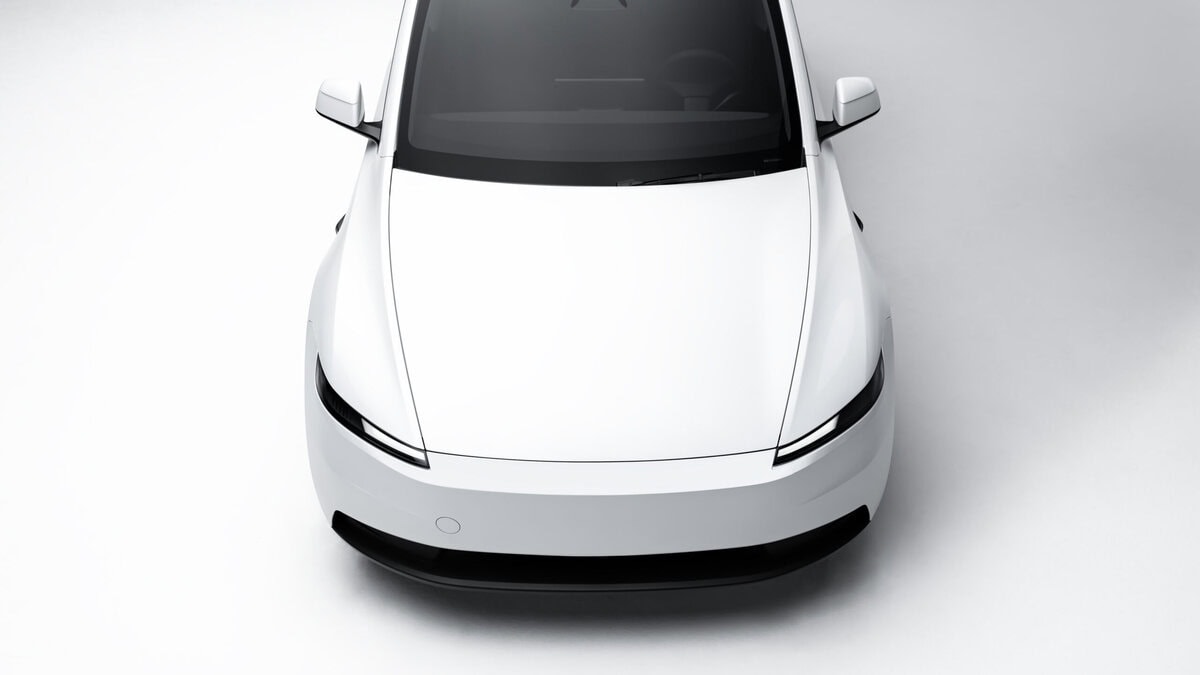
This 2026 Tesla Model Y review examines whether a smoother ride, quieter cabin and better materials finally make Tesla’s SUV feel complete.
The Tesla Model Y did not become a sales success by being the most polished electric SUV. It succeeded by combining useful range, brisk performance, generous cargo room and a charging ecosystem that removed much of the anxiety from EV ownership. Refinement was never its strongest argument.
That weakness became harder to ignore as rivals improved. Buyers no longer had to accept a busy ride, road noise or an austere cabin to get competitive range. The refreshed Model Y, known during development as Juniper, is Tesla’s answer. It looks different, but meaningful work happened beneath the light bars and inside the cabin. Tesla has addressed the hardware problems that most needed attention.
You may also enjoy: Top-Selling Vehicles in the U.S. in 2025
You may also enjoy this Video:
2026 Tesla Model Y Review: What Tesla Changed
The new lighting creates the obvious separation from older Model Ys. A slim light bar spans the nose, while the rear uses an indirect full-width treatment. The shape remains familiar because Tesla did not need to sacrifice its aerodynamic profile or useful packaging.
More important are acoustic glass, revised suspension tuning and different tires. Tesla describes them as a coordinated effort to create a calmer ride. The cabin receives improved materials, ambient lighting, redesigned seats and available front ventilation. Rear passengers gain a touchscreen for climate and entertainment, plus powered second-row adjustments.
NHTSA says later-release 2026 Model Ys built on or after November 12, 2025, passed expanded evaluations for pedestrian automatic emergency braking, lane keeping, blind-spot warning and blind-spot intervention. That does not make the vehicle autonomous, but it shows the update involved more than cosmetics.
You may also enjoy: The Most Googled EVs in America, And What That Really Means
Why the Model Y Still Defines the Segment
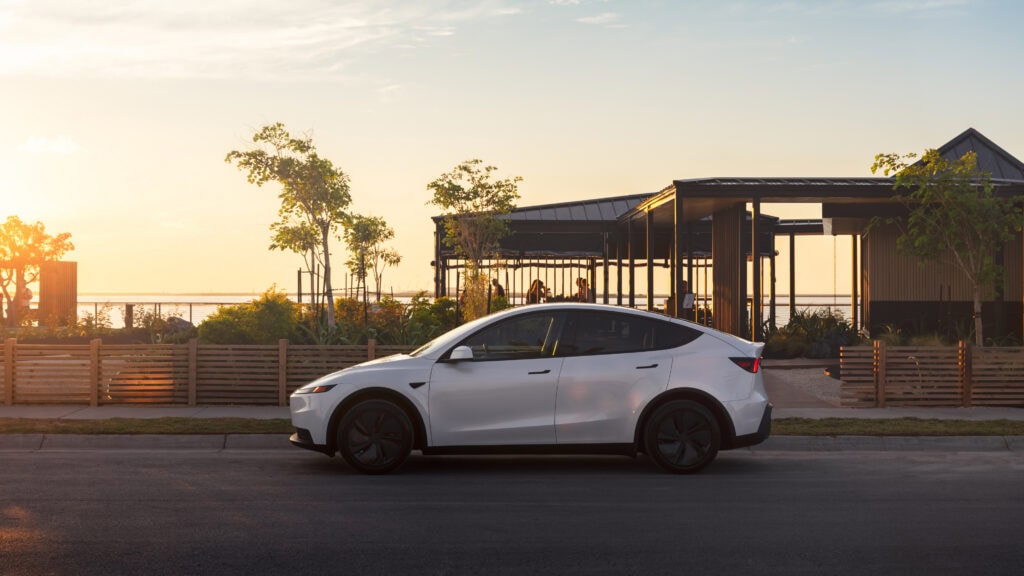
The Model Y has become the reference point for an electric family crossover. Rivals are routinely described by how their range, charging, price and space compare with Tesla.
Its advantage is no longer one spectacular specification. It is the way efficient propulsion, route planning, widespread fast charging, phone-based access and useful space work together. The standardized SAE J3400 connector is spreading to competing brands, but Tesla owners still receive the most direct version of the company’s charging experience.
The Ride and Noise Were the Real Problems
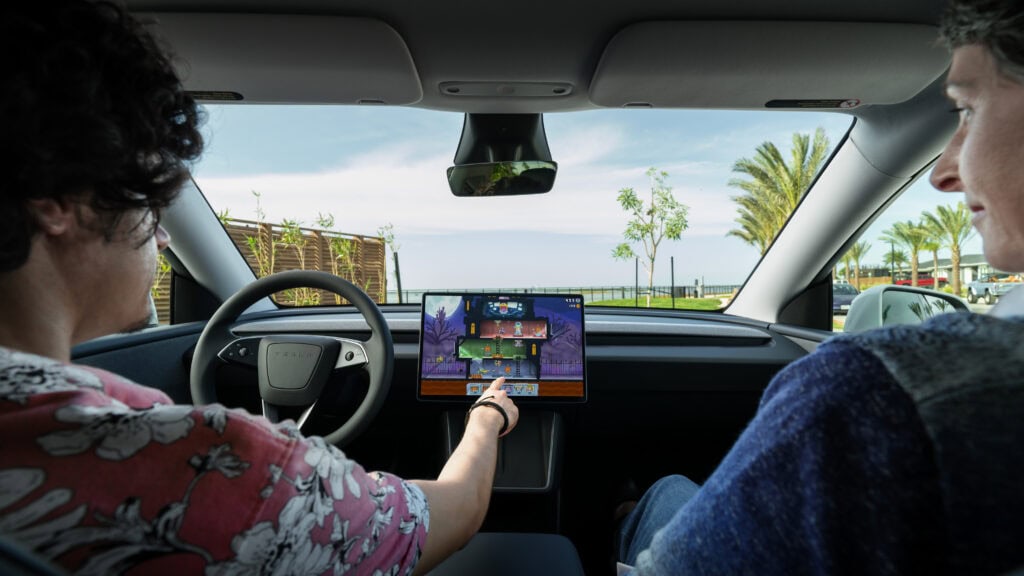
The previous Model Y could feel unsettled over broken pavement, especially on larger wheels. Sharp impacts entered the cabin too easily, while road noise made the sparse interior feel cheaper than its price suggested. Speed was never the problem. Maturity was.
The refresh answers that criticism with physical changes rather than a menu animation. Suspension response matters during commuting, where potholes reveal more about an SUV than an acceleration run. Acoustic glass and sealing reduce noise that competes with conversation and music. Tire tuning is equally important because an EV lacks engine noise to disguise tread roar.
This is where Tesla has fixed the Model Y in the way that matters most. Its character remains firm and controlled, but comfort is now treated as part of performance. Buyers moving from an older Model Y should notice this more than the new lighting.
You may also enjoy: 2026 Subaru Solterra First Drive: More Range, More Power, More Subaru
The Cabin Is Better, but the Screen Still Rules
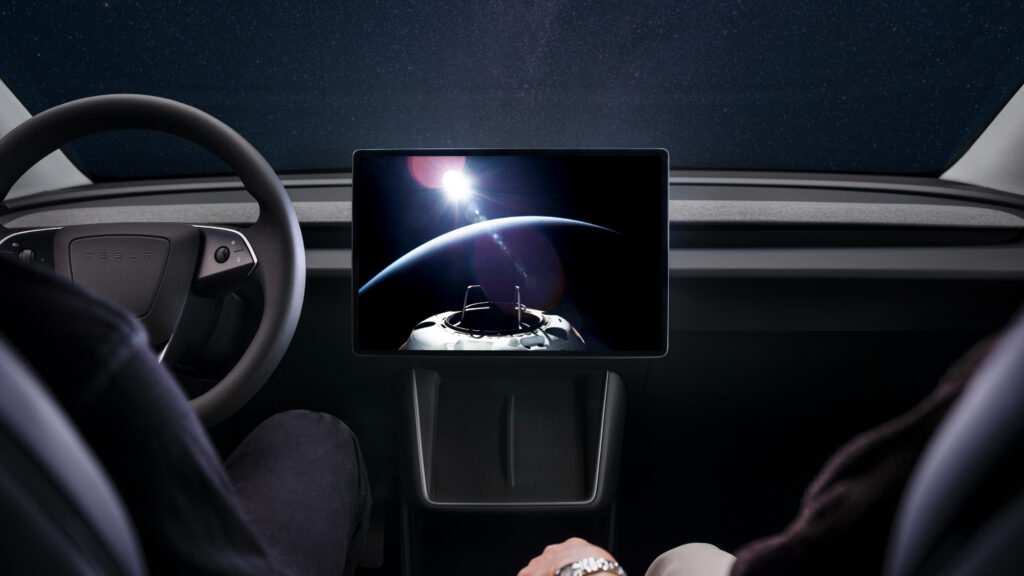
Better seats and richer touch points make the interior feel less like a technology demonstration furnished at the last minute. Ventilated front seats address a conspicuous omission, while the rear screen gives passengers useful control. The dashboard still looks clean without making minimalism feel like a sacrifice.
Tesla has not retreated from its central touchscreen. It controls navigation, entertainment, climate and many settings that other manufacturers place on physical switches. The drive-mode selector also appears there. Tesla’s manual warns drivers to avoid adjusting touchscreen settings while moving. The screen is powerful and responsive, but frequently used functions still demand attention that a tactile control would not.
NHTSA classifies systems that steer and control speed together as Level 2 assistance. The driver remains responsible for watching the road and intervening. “Supervised” is the operative word.
You may also enjoy: Lucid Gravity Review: Brilliant SUV, Unfinished Software
Range and Charging Remain Core Strengths
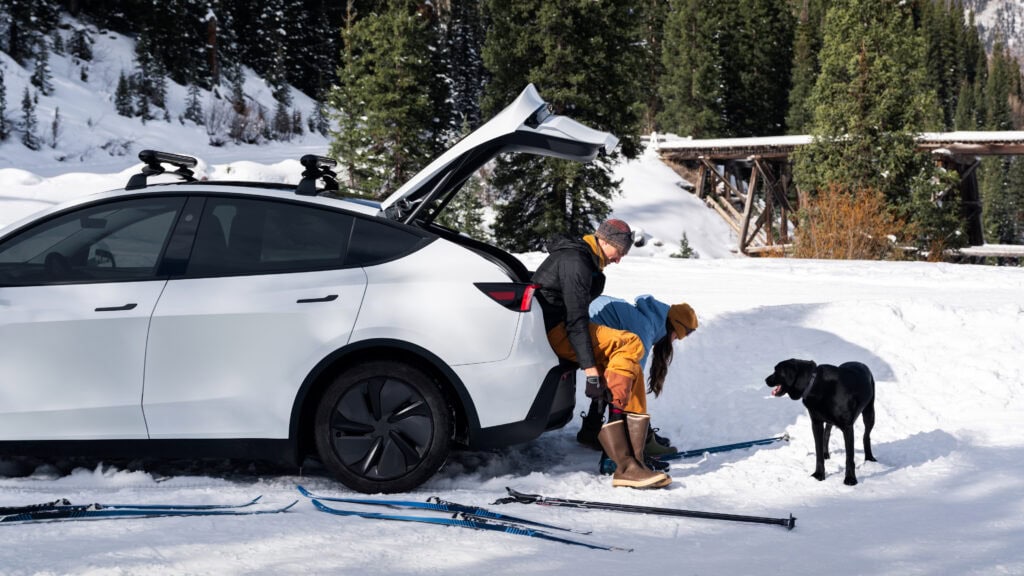
Tesla currently lists the Model Y Premium dual-motor all-wheel-drive version with an EPA-estimated 327 miles of range and a 4.6-second run from zero to 60 mph. It is quick enough to entertain without turning every school run into a launch-control demonstration.
EPA range comes from controlled laboratory procedures adjusted to represent real driving. Weather, speed, elevation, wheels and climate use can still change the result. Tesla says the Premium version can add up to 169 miles in 15 minutes under favorable conditions. Charging slows as the battery fills, so shorter planned stops are usually more efficient than waiting for 100 percent.
The Supercharger network remains a convincing ownership advantage. Other vehicles can increasingly use portions of it, but Tesla’s route planning and DC fast-charger integration keep the process unusually coherent. The car can select a suitable station and prepare the battery before arrival, removing several decisions from a long trip.
You may also enjoy: Why the Rivian R2 Could Be America’s Next Big EV SUV
Verdict: Tesla Fixed the Hardware, Not Every Quirk
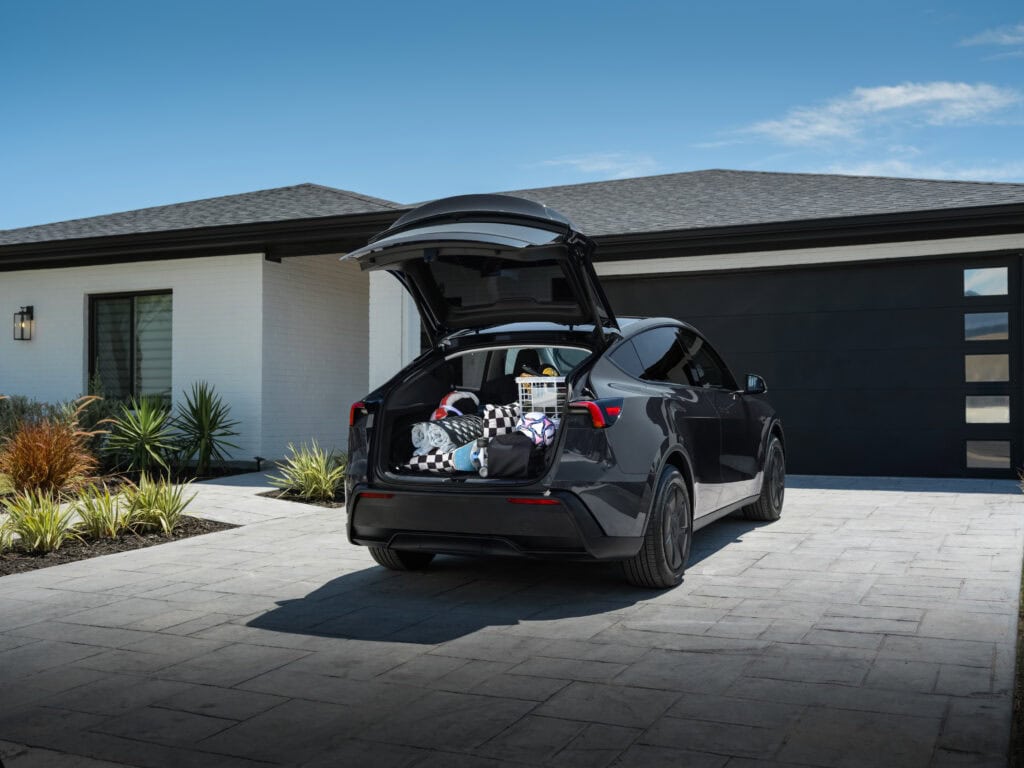
The refreshed Model Y is not a reinvention. It is a disciplined correction of areas Tesla allowed to lag while competitors caught up. The improved ride, reduced noise, better seats and more considered cabin turn an efficient crossover into a more complete family vehicle.
Some buyers will still reject the touchscreen dependence, unconventional controls or absence of Apple CarPlay and Android Auto. Those are legitimate objections, not failures to understand the future. For shoppers comfortable with Tesla’s digital approach, this is the best-balanced Model Y yet. Tesla finally fixed the parts that software alone never could.