Top-Selling Vehicles in the U.S. in 2025
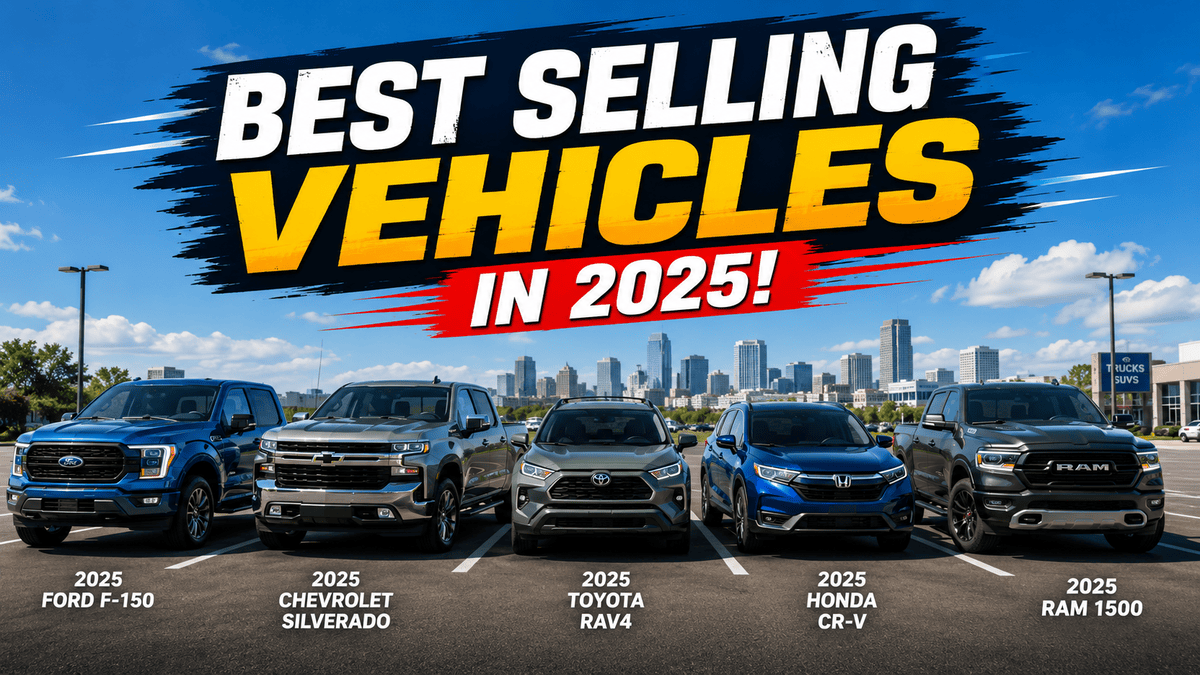
A full-year look at America’s ten biggest sellers, and the practical reasons these vehicles keep winning real-world buyers.
I like sales lists when they’re used the right way: not as bragging rights, and not as a shortcut to “best,” but as a reality check. If you want to understand what American drivers trusted with their money in 2025, you don’t need a thousand opinions. You need to look at what actually sold.
Here are the top 10 best-selling vehicles in the U.S. for full-year 2025. (One quick transparency note: Tesla does not publish U.S. model-level sales in the same standardized way as most automakers, so Model Y totals are typically treated as well-supported estimates, including in industry reporting.)
- Ford F-Series — 828,832
- Chevrolet Silverado (all sizes) — 577,434
- Toyota RAV4 — 479,288
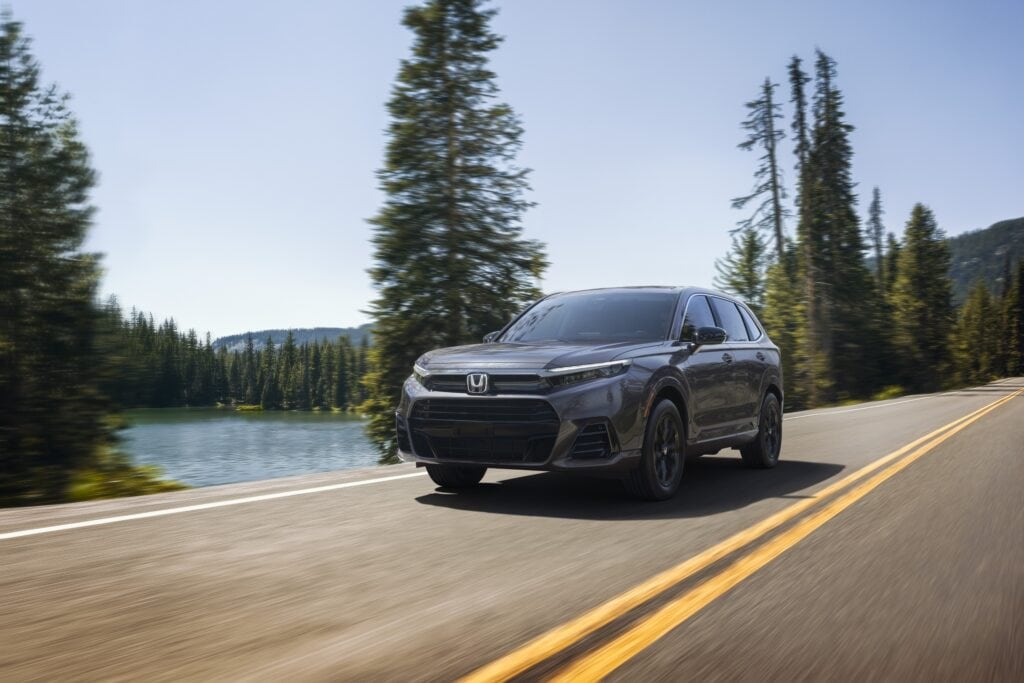
- Honda CR-V — 403,768
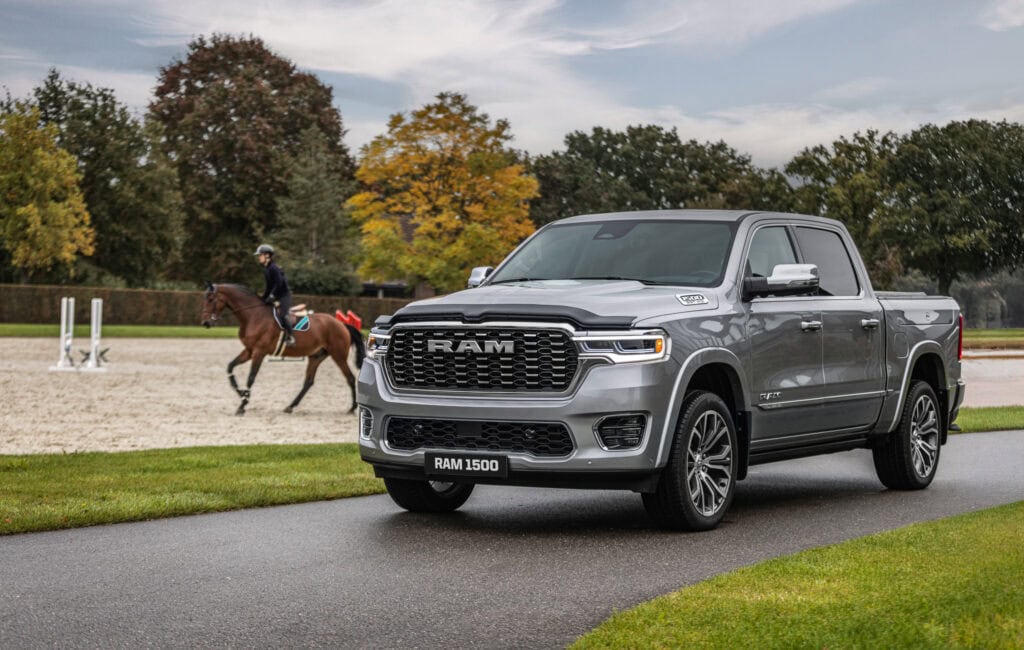
- Ram Pickup — 374,059
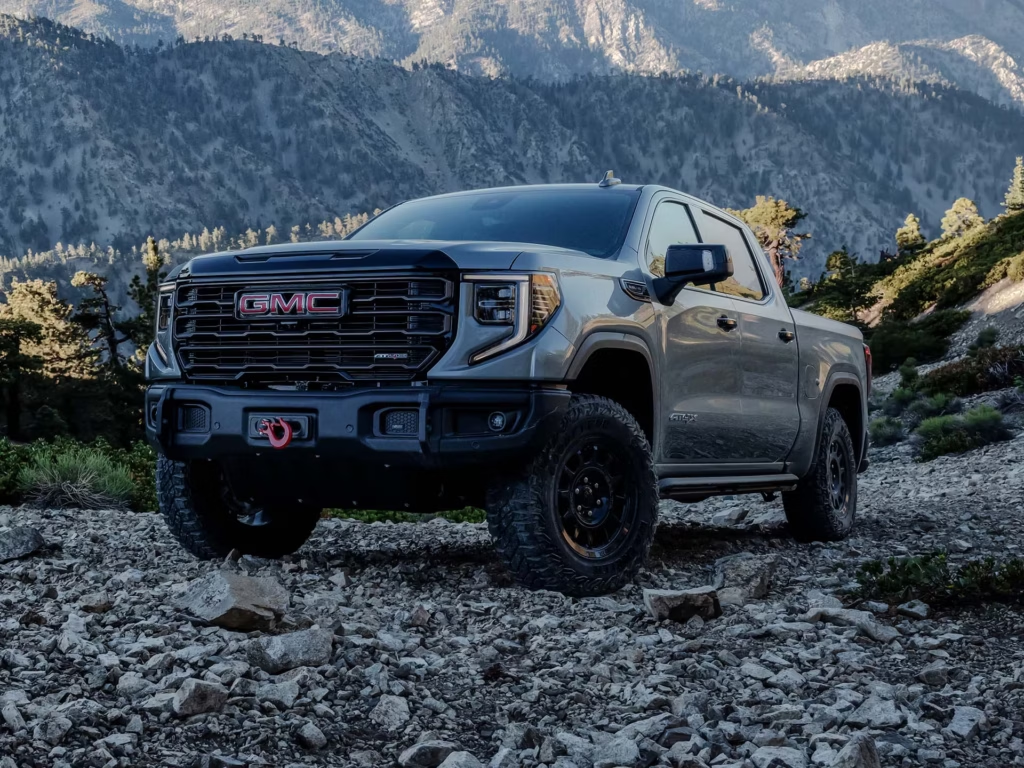
- GMC Sierra — 348,222
- Tesla Model Y — 317,800 (estimate)
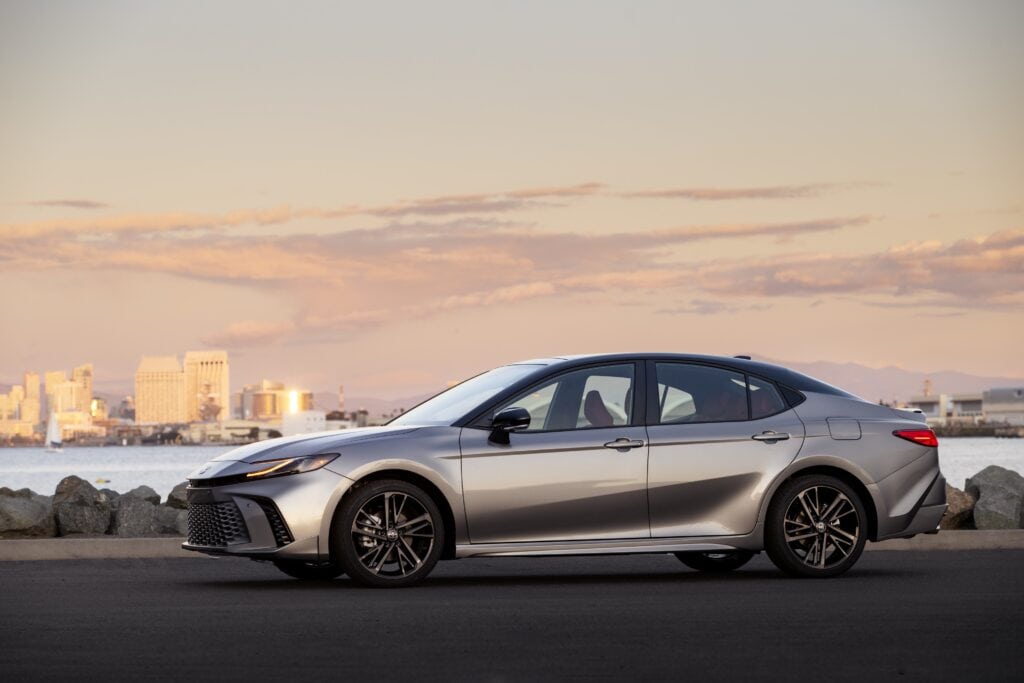
- Toyota Camry — 316,185
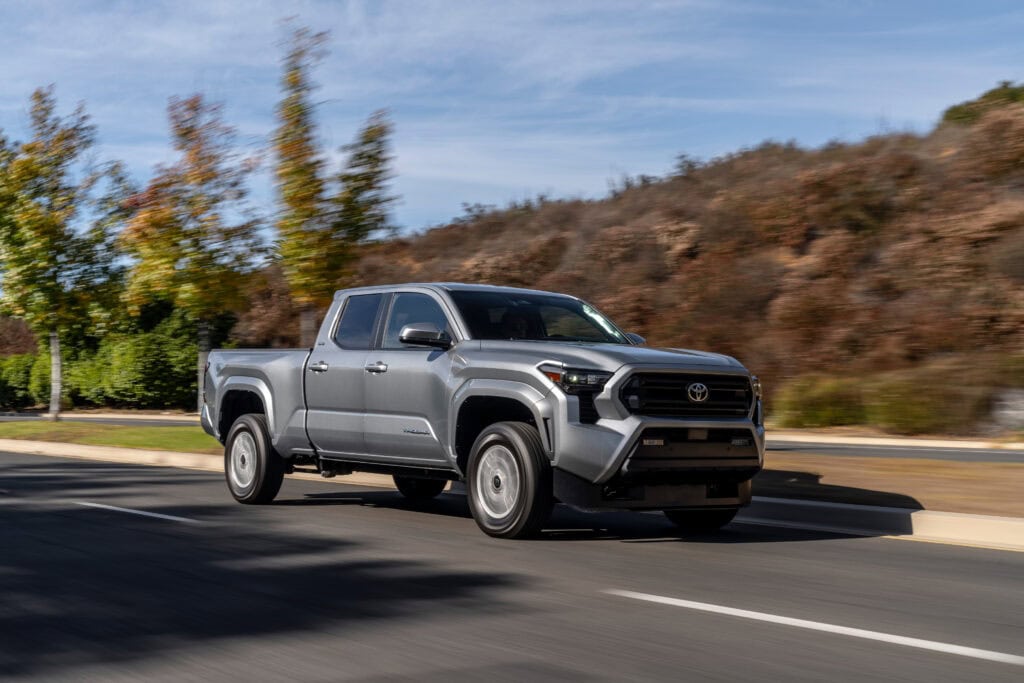
- Toyota Tacoma — 274,638
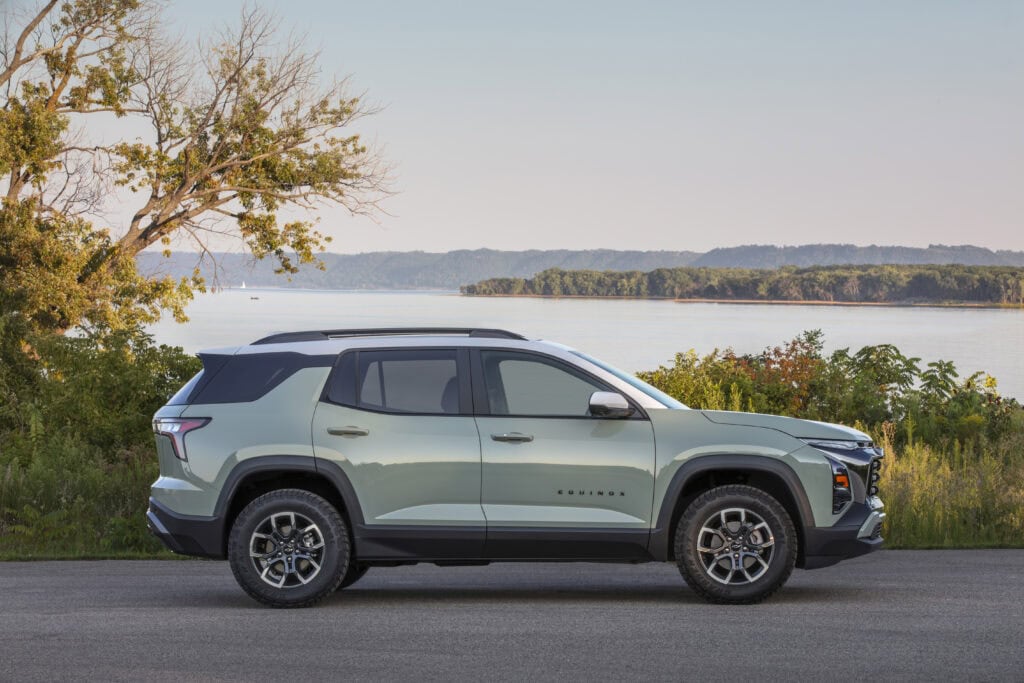
- Chevrolet Equinox — 274,356
The better question is not “what sold,” but “why these?” The answer is less about flash and more about friction. The big winners are the vehicles that fit modern life without demanding a new lifestyle.
Why does this matter right now?
If you’re shopping in 2026, 2025 full-year sales are a clean snapshot of what worked under real constraints: high attention to monthly payments, uneven confidence in new tech, and buyers who want ownership to be predictable.
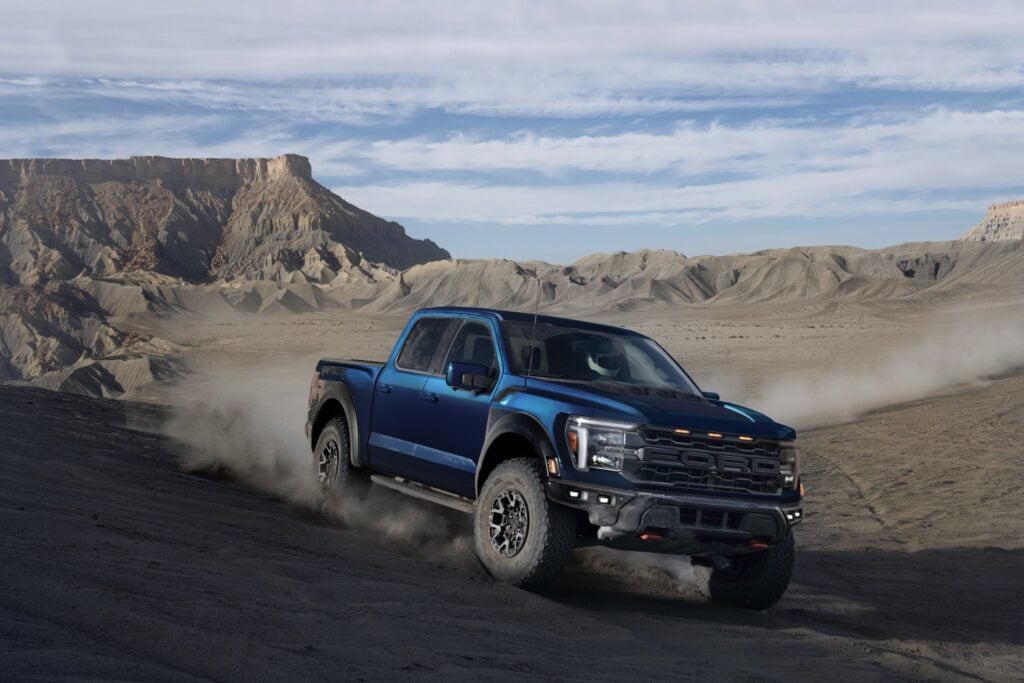
The Ford F-Series remains the clearest example of how scale and flexibility win. It is less a single vehicle than a platform that spans work, family, and high-trim comfort. Ford’s own 2025 U.S. sales reporting captures just how dominant that footprint remains. Ford’s 2025 U.S. sales results
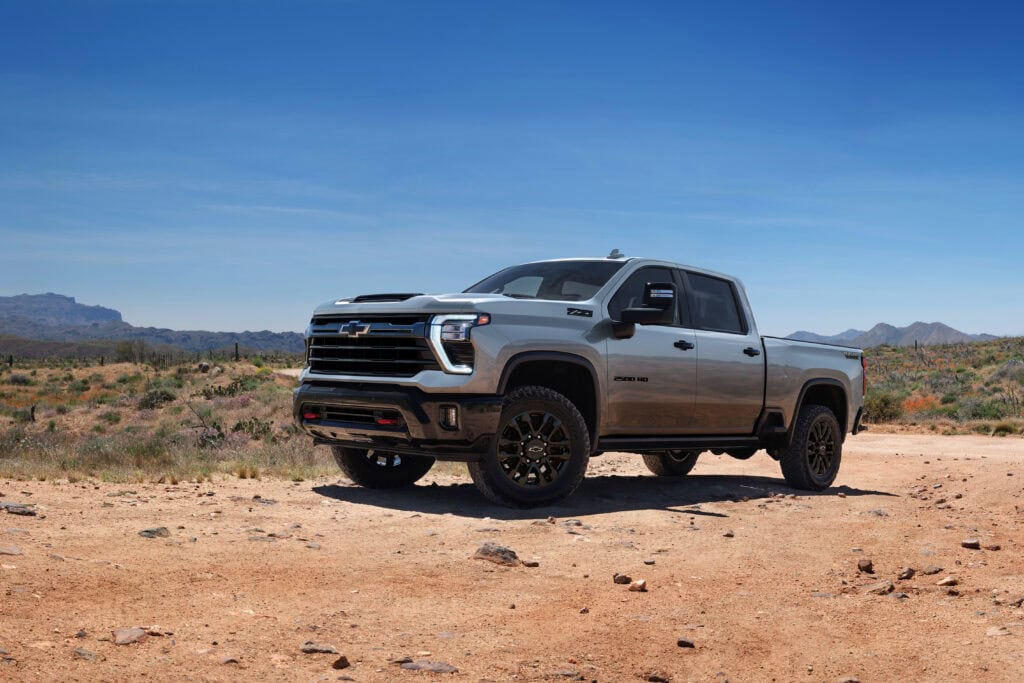
On the GM side, the Silverado and Sierra staying near the top reflects the same reality: trucks are still America’s default multi-tool, and buyers continue to prioritize vehicles that can cover job, weekend, and bad-weather duty in one purchase. GM’s broader full-year 2025 performance helps explain why these nameplates remain so hard to dislodge. GM’s full-year 2025 U.S. sales release
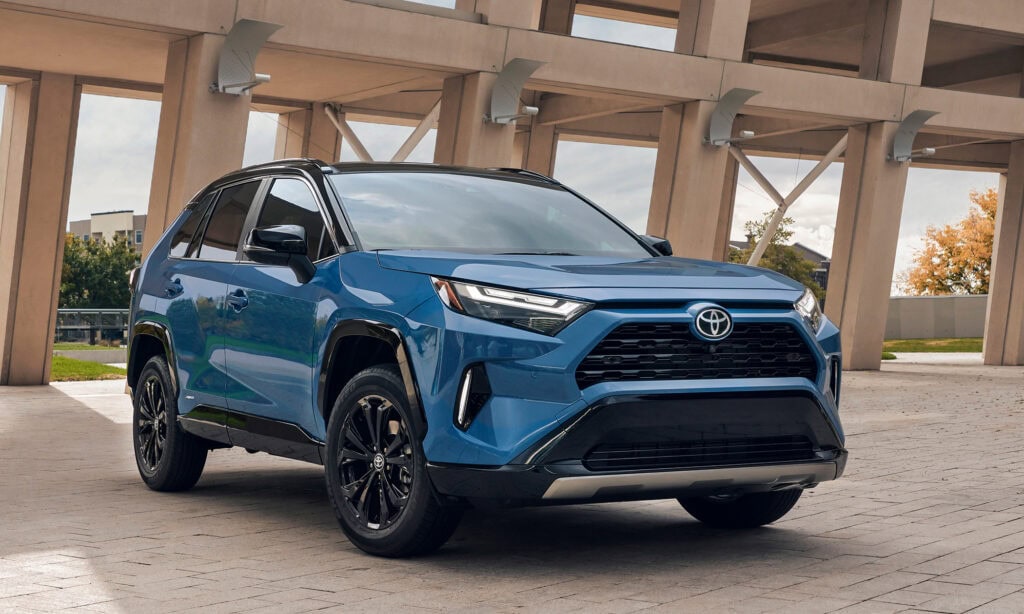
Compact crossovers are the other pillar. RAV4 and CR-V don’t behave like trends anymore; they’re the center of gravity. They win because they reduce decision risk. Toyota’s overall 2025 results show how much the brand has leaned into electrified variants as part of that low-drama ownership formula. Toyota Motor North America’s 2025 U.S. sales results
Honda’s CR-V story adds a detail that matters: hybrids are no longer a niche add-on. In Honda’s own 2025 reporting, the CR-V again cleared 400,000 units, with hybrid variants taking a majority share of CR-V sales. That’s what mainstream adoption looks like: not a revolution, just a steady shift in the default choice. American Honda’s 2025 sales release
And then there’s Tesla Model Y. Whether you love or hate what Tesla represents culturally, its sales position signals something practical: in the places where EV ownership is convenient, a lot of buyers have moved from “EV curiosity” to “EV normal.” For a broader industry-facing look at how these totals are commonly presented (including Tesla estimates), Car and Driver’s year-end rundown is a useful reference. Car and Driver’s 2025 best-selling vehicles list
If you want a different kind of reminder that the market still rewards the proven and the practical, Test Miles has been digging into the cost side of ownership lately, including That New Car Is $6,400 More Expensive. Here’s Why. Sales trends and affordability pressures aren’t separate stories; they’re the same story from two angles.
How does it compare to rivals or alternatives?
Full-size pickups: F-Series, Silverado, Ram, and Sierra don’t win on one spec. They win on ecosystems: dealer coverage, fleet relationships, configuration breadth, and resale confidence. Alternatives can be excellent, but they rarely match the combination of volume and familiarity that makes ownership feel straightforward.
There is also a performance-and-durability mindset baked into the truck market that shows up in unexpected places. Endurance racing is basically an annual lecture on systems that survive real stress, and that mentality translates well to what truck buyers respect. If you enjoyed that angle, Test Miles’ recap of 2026 Rolex 24 at Daytona: How the Penske Porsche #7 Won is a nice reminder of why “boring reliability” is often the hardest thing to engineer.
Compact crossovers: RAV4, CR-V, and Equinox stay near the top because they hit the mainstream sweet spot: manageable size, everyday usability, and broad service networks. Rivals like Tucson, Sportage, Forester, CX-5, and Rogue can be better depending on what you prioritize, but the leaders win when buyers want the safe bet.
Sedans and midsize trucks: Camry’s presence signals that a meaningful slice of buyers still prefers a lower, simpler daily-driving experience. Tacoma’s presence signals something different: midsize trucks are as much identity as utility. If you want the Tacoma lifestyle angle in long-form, Test Miles’ 2025 Toyota Tacoma Trailhunter Review: Worth the Hype? is a good companion read.
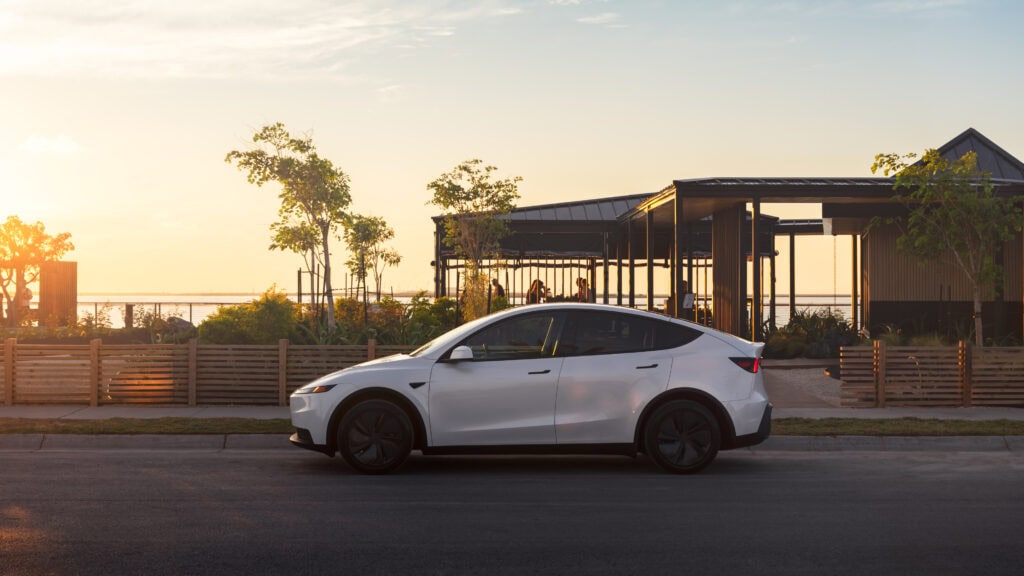
The EV outlier: Model Y’s popularity is real, but it is not evenly distributed. Home charging access, climate, local infrastructure, and buyer comfort with software-driven ownership all shape whether an EV feels effortless or annoying. That’s why EV adoption often looks “patchy” rather than universal.
Zooming out, it’s also worth remembering that the industry is not betting on one single technology path. Battery EVs, hybrids, and even hydrogen are all being tested in parallel. If you want a sober look at one of the longer-shot alternatives, BMW Hydrogen Vehicles: History and What Comes Next is a helpful explainer for where that path may (or may not) fit.
Who is this for and who should skip it?
This breakdown is for you if you want to reduce purchase regret. Vehicles that sell at this scale tend to have mature service ecosystems, broad parts availability, and a large owner base that has already discovered the quirks. That doesn’t mean they’re perfect. It means surprises are less likely.
It’s also for anyone trying to understand “mainstream confidence.” If a model consistently sells in the hundreds of thousands, it usually indicates the product is doing something right for daily life: comfort, usability, reputation, or a combination.
You should skip this list if your needs are highly specific. Dense-city drivers, heavy-tow users, rural off-grid owners, and people shopping for niche performance vehicles can do better by focusing on fit rather than popularity.
And if safety is a primary filter for you, use sales rankings only as a starting point. Popular vehicles can still have recalls, and the practical way to stay grounded is to check official safety and recall channels during a shopping decision. Test Miles recently covered that reality in Ford recalls 119,000 vehicles over Engine block heater fire risk, which is a good reminder that “common” does not mean “immune.”
What is the long-term significance?
2025 did not look like a sudden rewrite of the market. It looked like a settling of priorities.
First, the U.S. is still a truck nation. Full-size pickups remain the default answer for buyers who want one vehicle that can do five jobs. Powertrains may change over time, but the underlying demand for capability and versatility is clearly intact.
Second, compact crossovers have become the mainstream “family vehicle” template. That’s why the RAV4 and CR-V behave more like dependable household tools than fashion statements. They are bought for stress reduction, not excitement.
Third, electrification is becoming less ideological and more practical. Toyota and Honda’s 2025 reporting shows electrified vehicles as a large, normal share of their business rather than a side project, and that shift matters because it changes what mainstream buyers expect as standard.
Finally, Model Y’s position hints at EVs’ near-term shape: not a uniform takeover, but steady normalization where the conditions make EV ownership easy. The long-term winners will be the vehicles that make new technology feel boring, predictable, and integrated.
If you want a last, calm takeaway: the biggest sellers of 2025 weren’t the vehicles that promised the future. They were the vehicles that made daily life easier right now. That’s usually the most reliable predictor of what keeps winning.