5 Car Brands Making a Comeback in America
These five car brands making a comeback are winning U.S. buyers again, but the numbers reveal which recoveries look strongest and which remain fragile.
A percentage increase can make almost any automotive comeback look impressive. The useful question is what sits underneath it. Is a company selling substantially more vehicles to ordinary customers, introducing products people actually want, or simply comparing today’s modest number with an especially miserable one from last year?
That distinction matters in 2026. Ram, Nissan, Infiniti, Chrysler and Acura are all moving in a better direction in the United States, but I would not put five identical gold stars beside their names. Some of these recoveries look considerably healthier than others.
You may also like this Video:
Car Brands Making a Comeback: Ram Sets the Pace
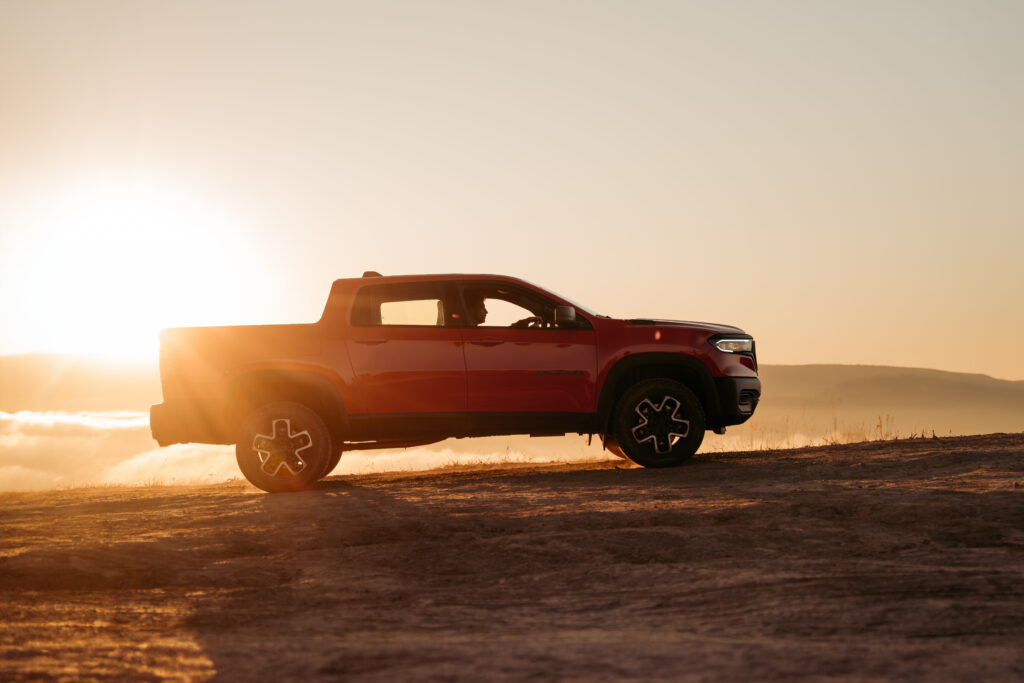
Ram has the hardest numbers to argue with. Through September, U.S. brand sales reached 369,379 vehicles, 20 percent higher than during the first nine months of 2025. Third-quarter sales climbed 29 percent.
The eye-catching number is the Ram light-duty pickup: 76,650 third-quarter sales, up 73 percent. Even allowing for an unusually favorable year-over-year comparison, that’s substantial movement in a segment where Ford, Chevrolet and GMC do not normally surrender buyers politely.
You may also enjoy: Ram’s 2026 1500 Express Returns
There is a useful consumer lesson inside those numbers. Ram has been putting renewed attention on recognizable truck ingredients, including value-oriented versions and traditional powertrain choices. Buyers should still compare transaction price, financing and equipment rather than assume a revived nameplate automatically means a bargain. The new-vehicle price index is a useful reminder that the cost of entering the market remains historically significant.
Nissan and Infiniti Are Rebuilding the Middle of the Business
Nissan is more complicated, and therefore more interesting. Its total U.S. brand volume through September increased only 0.3 percent. Stop there and the great comeback appears to vanish.
Retail sales provide the important second chapter. Nissan reports an 8.3 percent increase in retail sales through September and 19 consecutive months of year-over-year retail growth. At the same time, third-quarter rental-fleet sales fell 45 percent.
That’s healthier than simply flooding fleet channels. Rogue total sales are up 24.8 percent year-to-date, Frontier 39.6 percent, Pathfinder 20.9 percent and Armada 29.8 percent. Trucks and SUVs collectively rose 15 percent while Nissan’s passenger-car volume fell sharply.
You may also enjoy: 2026 Nissan Rogue Review: Which Trim Is Worth Buying?
That makes Rogue especially important. A volume crossover does far more for a struggling automaker than a spectacular halo car because Americans actually rack up serious mileage in these vehicles. Federal Highway Administration data puts average use at roughly 11,071 miles per registered vehicle annually, so practicality, operating cost and everyday usability matter quickly.
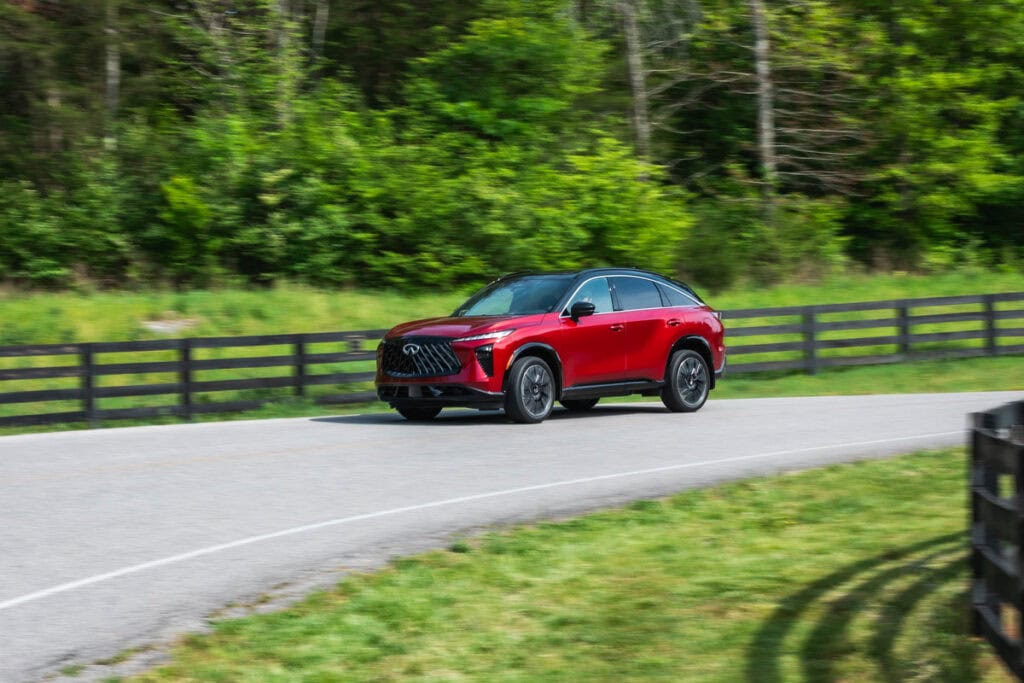
Infiniti’s numbers are smaller but suddenly more energetic. Third-quarter total sales increased 20.4 percent and retail sales rose 21 percent, its best Q3 retail showing since 2020. Year-to-date total sales are up a more restrained 5.8 percent.
You may also enjoy: 2027 Infiniti QX65 Review: Who Should Buy It?
The new QX65 helped create traffic while QX60 remains the volume leader and QX80 posted a 23.9 percent third-quarter gain. My caution is simple: one excellent quarter is evidence of momentum, not proof that Infiniti has permanently solved its visibility problem in the luxury market.
Chrysler’s Numbers Expose Both the Opportunity and the Risk
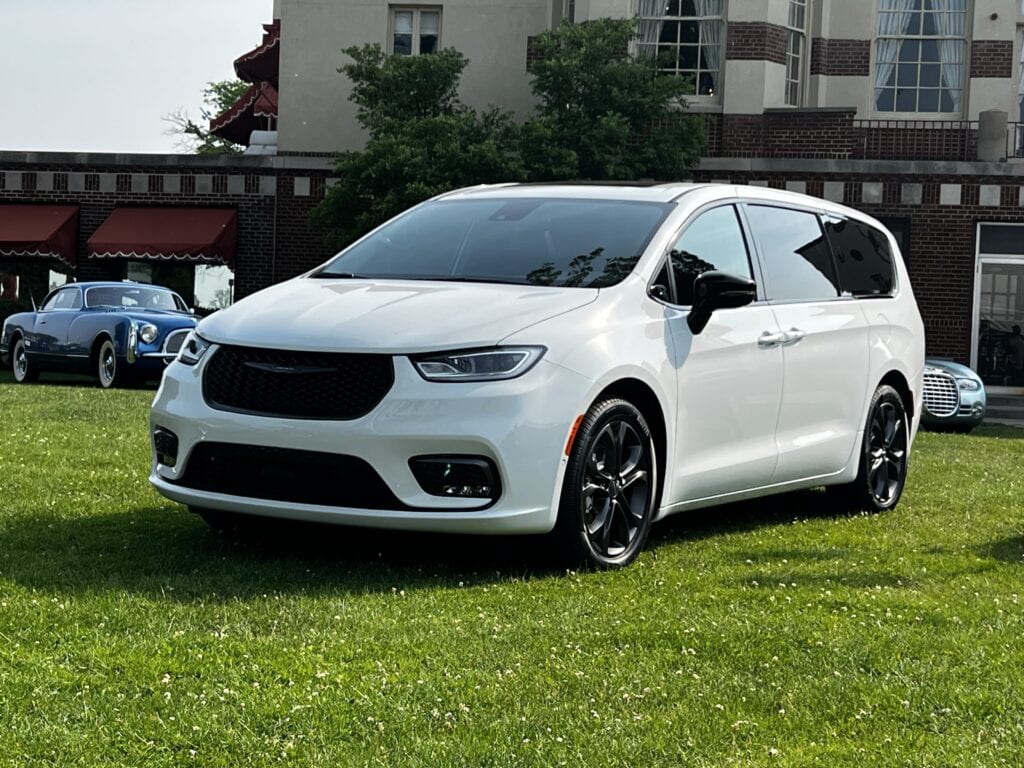
Chrysler is up 12 percent through September, reaching 101,627 U.S. sales. That sounds like the beginning of a broad revival until you look one line lower in Stellantis’ table: 101,611 of those vehicles were Pacificas.
In other words, Chrysler essentially has one sales story.
You may also enjoy: Best New Car Deals: SUVs, Trucks and More
The Pacifica remains useful because minivans solve family transportation remarkably efficiently. But one successful vehicle cannot carry a brand indefinitely. Chrysler’s 12 percent increase is encouraging; its dependence on one model is the tradeoff hiding behind the headline.
Anyone shopping a new or used example should also check the federal recall database by VIN rather than treating stronger brand sales as evidence about the condition or history of an individual vehicle.
Acura May Have the Most Balanced Improvement
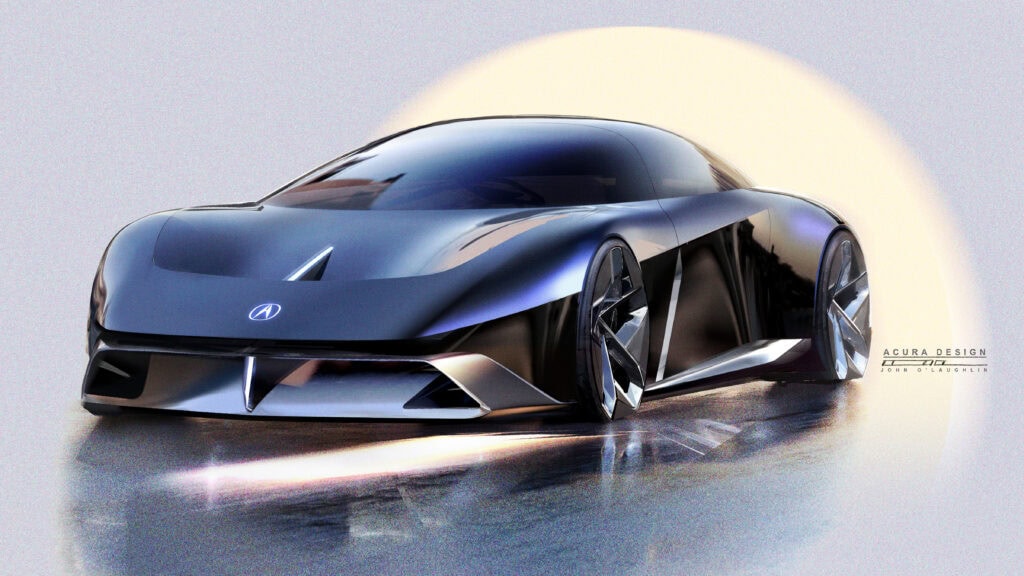
Acura is the odd member of this group because describing its recent position as disastrous would be unfair. Its comeback is less rescue mission and more renewed momentum.
Third-quarter sales increased 9.9 percent, year-to-date sales are up 4.4 percent and SUV volume jumped 17.9 percent for the quarter. The MDX is doing particularly well, with third-quarter sales up 63.5 percent and year-to-date volume 25.2 percent higher.
You may also enjoy: Acura MDX Type S: Can Smart Safety Keep You Engaged?
The ADX gives Acura a newer entry point into the brand, while Integra sales have risen 37.3 percent through September. That’s a healthier shape than depending on one breakout model.
For buyers, however, percentage growth should never substitute for checking the numbers that affect your own driveway. The Department of Energy provides a useful vehicle cost calculator for comparing ownership expenses, while federal economic accounts treat motor vehicles and parts as a significant component of consumer spending. Car sales are both a showroom story and an economic one.
Which Comeback Looks Most Convincing?
If I were ranking these strictly by the strength of the turnaround, Ram would be first. A 20 percent year-to-date brand increase paired with enormous Ram 1500 growth is a genuine change in trajectory.
Nissan would be second, despite its nearly flat total volume, because an 8.3 percent improvement in retail sales while rental volume contracts says something more useful about customer demand. That is precisely the sort of underlying shift I would want to see before calling a recovery sustainable.
Infiniti comes next because the Q3 acceleration is impressive, although it needs several more quarters like this one. Chrysler’s percentage gain is real but rests almost entirely on Pacifica. Acura’s improvement may actually be the least precarious, yet it belongs fifth in a “comeback” ranking simply because the brand was never as deeply wounded.
You may also enjoy: Nissan e-POWER Could Help Save Nissan
The larger point is that buyers appear willing to reconsider an automotive brand surprisingly quickly when the product, price and timing line up. Sales figures can tell us that shoppers have walked back through the showroom door. They cannot tell us whether they will stay.
For these five brands, 2026 is no longer primarily a story about decline. The much more interesting question is which company can turn a good quarter or a good year into a lasting American recovery.