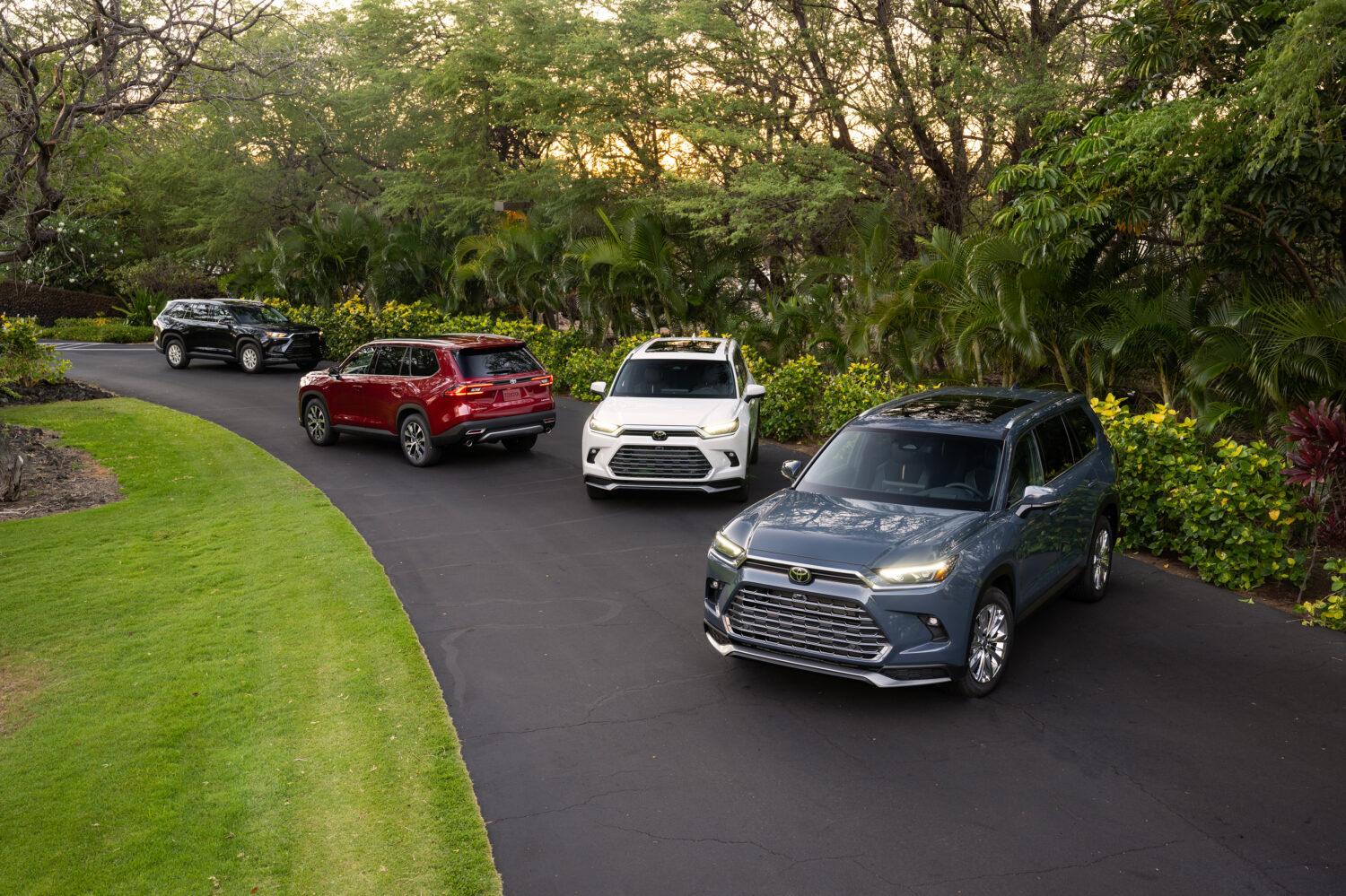
2026 Toyota Grand Highlander review: Hybrid XLE Wins
This 2026 Toyota Grand Highlander review favors the Hybrid XLE for family value, while explaining when towing justifies a different powertrain.
By Nik J. Miles
The first Grand Highlander I would put on a shopping list is the regular Hybrid XLE. Toyota’s current base MSRP is $46,780, and its appeal is straightforward: buy the space your family needs without automatically paying for the most powerful version. The word “MAX” deserves a separate budget conversation.
This 2026 Toyota Grand Highlander review is a vehicle analysis based on manufacturer information and independent testing. I have no fresh 2026 test log for this assignment, so ride quality, steering feel and measured fuel consumption remain questions for a proper drive. My recommendation concerns buyer fit and equipment, rather than an invented afternoon behind the wheel.
You may also like this video:
2026 Toyota Grand Highlander review: start with XLE
Begin with the regular hybrid when daily transportation matters more than a heavy trailer. The Hybrid XLE’s advertised $46,780 is a base price; delivery, selected options, taxes and dealer charges still need to be added. Ask for a complete quote before deciding whether it represents good value locally.
You may also enjoy: 2026 Toyota Highlander: Which Trim Deserves Your Drive?
I would compare XLE with the Hybrid LE before climbing further. An upgrade earns its money when the seating arrangement or daily convenience actually improves your routine. The dealer should identify each additional item and its cost. Leather and a larger wheel may be desirable, but neither creates more seats for the school run.
A conventional hybrid recovers some braking energy and combines electric assistance with an engine. It still burns gasoline and needs no home charger. Use the federal fuel-economy comparison to examine the precise drivetrain, rather than applying one headline mileage figure to every Grand Highlander.
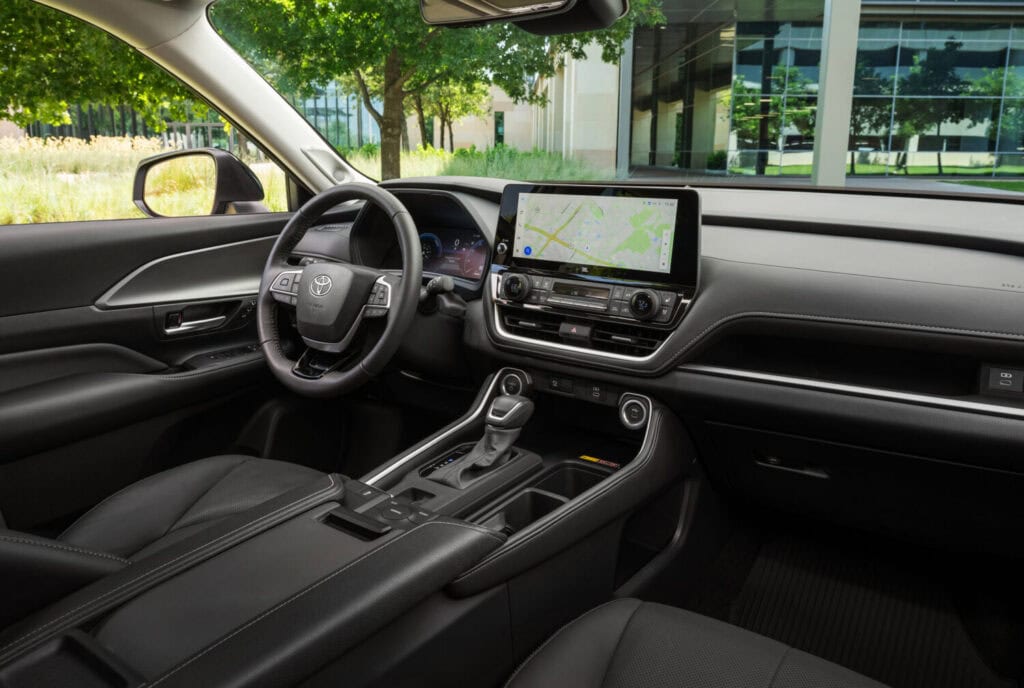
Test the occupied cabin before counting cubic feet
Toyota advertises up to 97.5 cubic feet with the rear seats folded. Useful for moving day, certainly. For a family journey, the relevant exercise is loading luggage while preserving occupied seats. A huge empty compartment does little for a passenger asked to stay home.
The company gives the third row 33.5 inches of legroom. That supports its case as a serious people carrier, but comfort involves more than knee clearance. Ask rear passengers to examine foot space, entry and their seated posture while the second row is adjusted for the people using it.
You may also enjoy: 2026 Honda Pilot review: the calm family SUV
Bring a dog crate or stroller if either determines your purchase. Check the opening, floor shape and remaining luggage space. Families using child restraints should test installation and third-row access together. My practical recommendation is to rehearse the busiest trip, rather than the convenient demonstration with every rear seat empty.
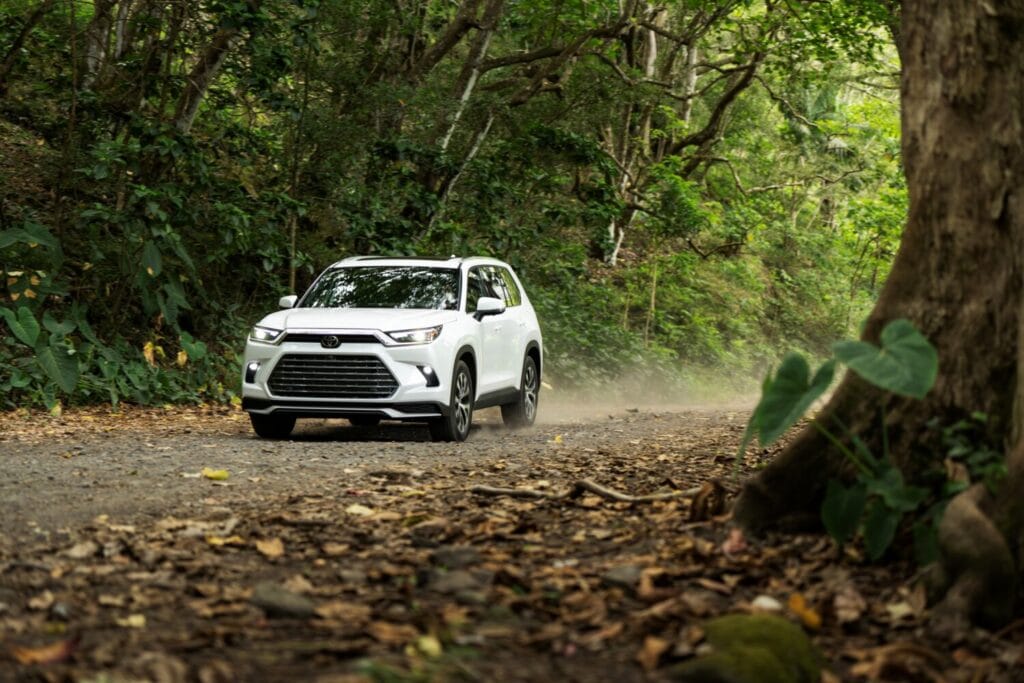
Buy Hybrid MAX for a specific job
The standard hybrid produces 245 horsepower, compared with 362 horsepower from Hybrid MAX. That is a substantial change in purpose. It does not establish a real-world acceleration result here, nor does it make the stronger model the automatic choice for sensible family motoring.
The regular hybrid’s towing ceiling is 3,500 pounds; Toyota specifies up to 5,000 pounds for gas and Hybrid MAX models. Those limits assume suitable equipment and loading. Passengers, luggage and trailer tongue weight consume payload, so obtain the exact vehicle’s limits before deciding that an advertised maximum covers your plans.
You may also enjoy: SUV Showdown: Palisade vs Telluride vs Grand Highlander
If towing is the reason to move upward, price the gasoline alternative alongside MAX. If stronger performance is the attraction, acknowledge it as an enthusiast preference and test both. There is nothing unreasonable about wanting more power; the expensive part is calling it essential without knowing what task requires it.
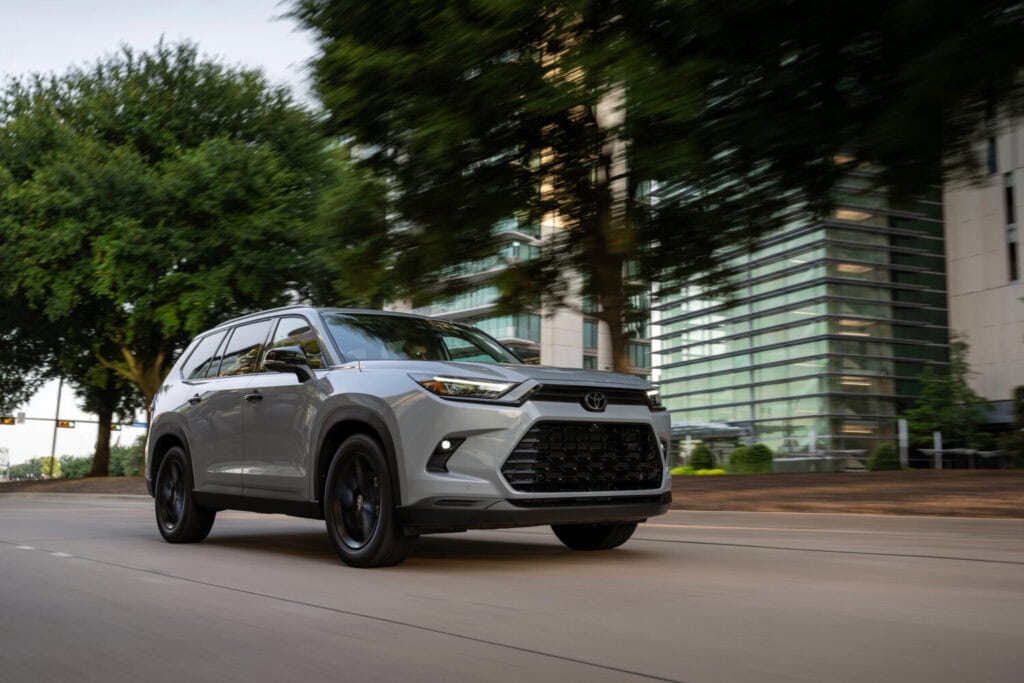
The safety results have a qualification
The crash-test ratings deserve attention before upholstery. IIHS assigns Acceptable to small-overlap front performance and Good to the updated moderate-overlap and side tests. Headlights are Acceptable. Read those results individually rather than converting the Toyota name into a blanket safety endorsement.
You may also enjoy: 2026 Hyundai Palisade Is the Family SUV to Beat
The standard assistance suite should be demonstrated on the actual vehicle. NHTSA explains how automatic emergency braking can intervene when a collision threatens. Such functions have operating limits, and the person driving remains responsible. Learn which warning means what before the first crowded freeway journey.
Also try the parking cameras fitted to your chosen trim in a confined space. Check visibility over your shoulder and through the mirrors. A helpful camera is equipment worth evaluating; it cannot turn a large vehicle into a smaller one.
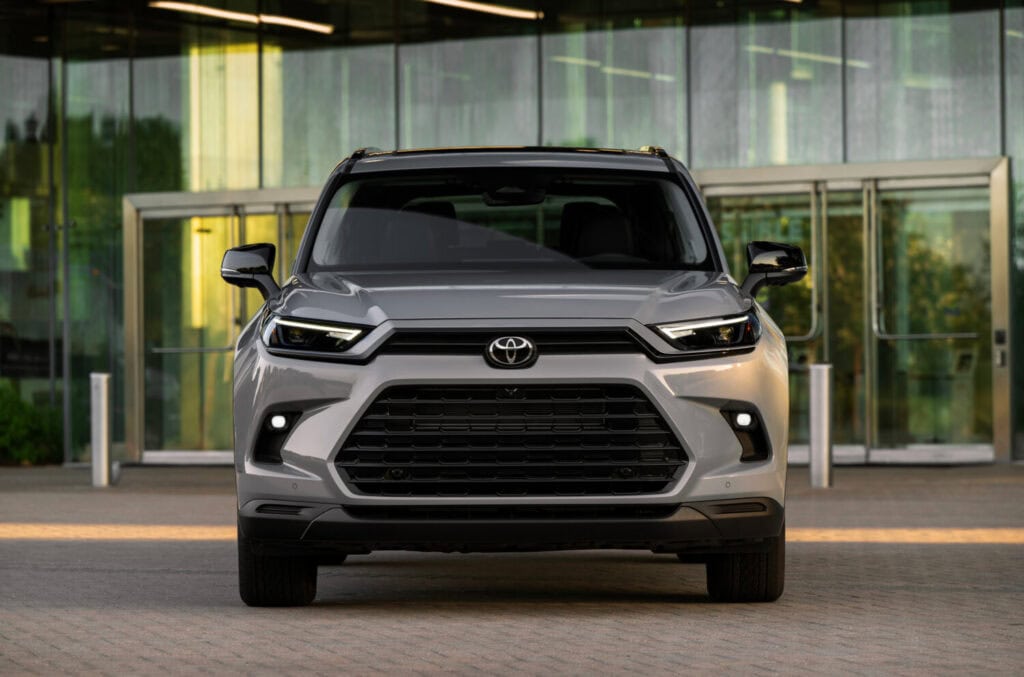
Compare the 2027 before signing for a 2026
Timing now matters. Toyota’s October 1 announcement introduces a Woodland edition for 2027 and removes Hybrid Nightshade and Hybrid MAX Limited. The next model year is expected at dealers later in 2026. Anyone considering a departing trim should compare availability and price with the incoming range.
You may also enjoy: 2026 Toyota Highlander Vehicle Analysis: Hybrid Wins
Request two written offers where possible. An outgoing model is worthwhile when its equipment and actual price work for you, not simply because the calendar changed. Compare a Palisade or Pilot using the same passengers and luggage, and include a minivan if ease of loading outranks the SUV silhouette.
My shortlist starts with regular Hybrid XLE, with LE beside it for a disciplined equipment comparison. Choose MAX when its extra capability answers an established need. The final decision should follow a full-family fit check and a test drive in the exact configuration you intend to buy.