Honda EV Strategy Adapts as U.S. Sales Slow
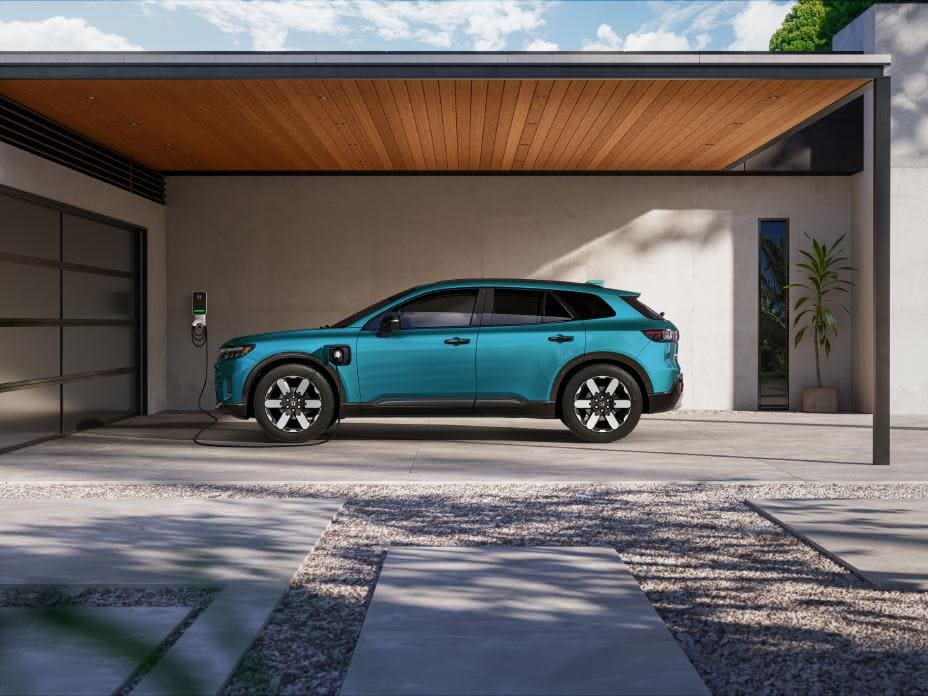
Honda EV Strategy Adapts as U.S. Sales Slow, reshaping its electric vehicle plans while preserving flexibility for future demand.
The Prologue arrived as a practical bridge into the battery-electric market. Developed with General Motors, it gave Honda customers an electric SUV backed by a familiar dealership experience while the company studied a quickly changing segment. Honda sold 39,194 Prologues in 2025 before first-half 2026 sales declined to 8,407.
Honda says existing Prologue customers will continue receiving service, parts and warranty support through its dealer network. Ending a model is a business decision, but supporting the people who bought it says more about the company behind the vehicle.
You may also enjoy: Honda Pulls Plug on 3 EVs Amid Market Reality Check
Honda Ends the Prologue at the Right Moment
The Prologue’s departure arrives as the American EV market goes through a sharp correction. Cox Automotive estimated 74,967 new EV sales in June, down 27.8 percent from a year earlier. EVs represented 5.4 percent of total new-vehicle sales, while incentives remained considerably higher than those across the broader market.
This does not mean electric vehicles have failed. Buyers with home charging, predictable commutes and suitable infrastructure can still find an EV exceptionally convenient. Others are looking at purchase prices, insurance, charging access and long-distance travel, then deciding they are not ready to make the full change.
You may also enjoy: EV Sales Slow Down, Hybrids Surge: What that means for you
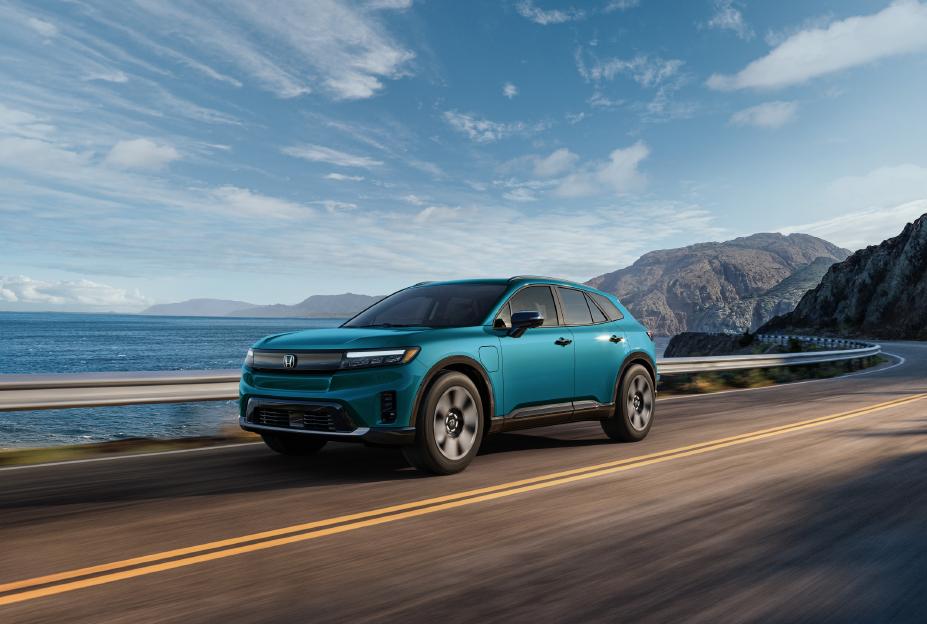
The U.S. EV Market Is Finding a New Pace
The industry planned for EV growth that was expected to move faster and more evenly than it has. Policy changed, incentives changed and household budgets tightened. Automakers are replacing ambitious forecasts with products that must earn customers without relying on urgency or regulatory pressure.
There is encouraging movement underneath the slowdown. Used EV sales were 20.3 percent higher in June than a year earlier. More off-lease vehicles and trade-ins are entering the market, giving shoppers access to electric driving after the steepest depreciation has occurred. Adoption may continue through a more gradual and price-sensitive route.
You may also enjoy: Honda’s Next Move: Hybrids, EVs, and Supply
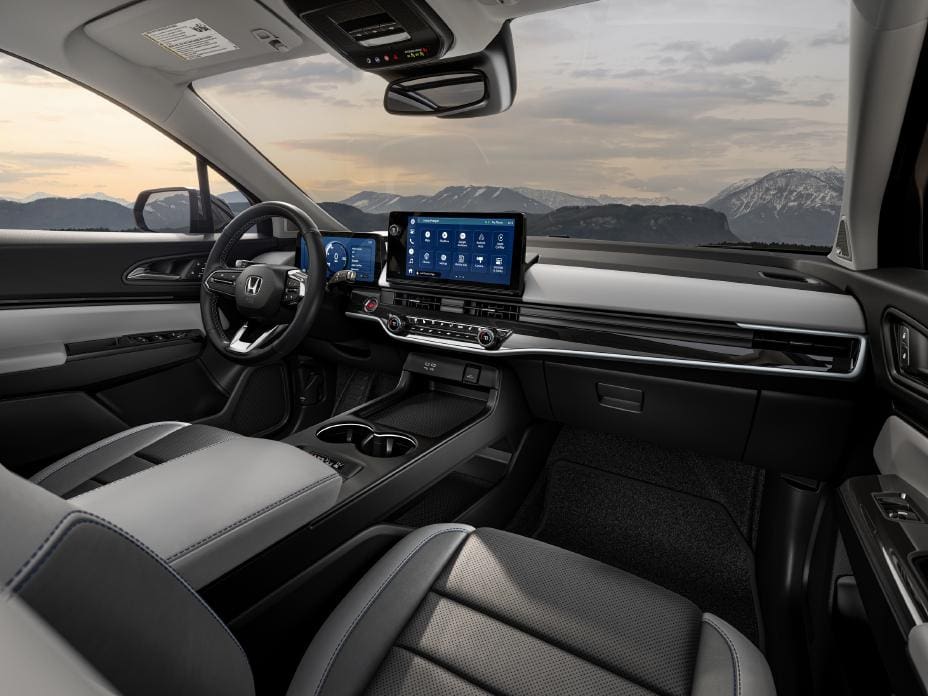
Honda’s Hybrid Strength Becomes the Advantage
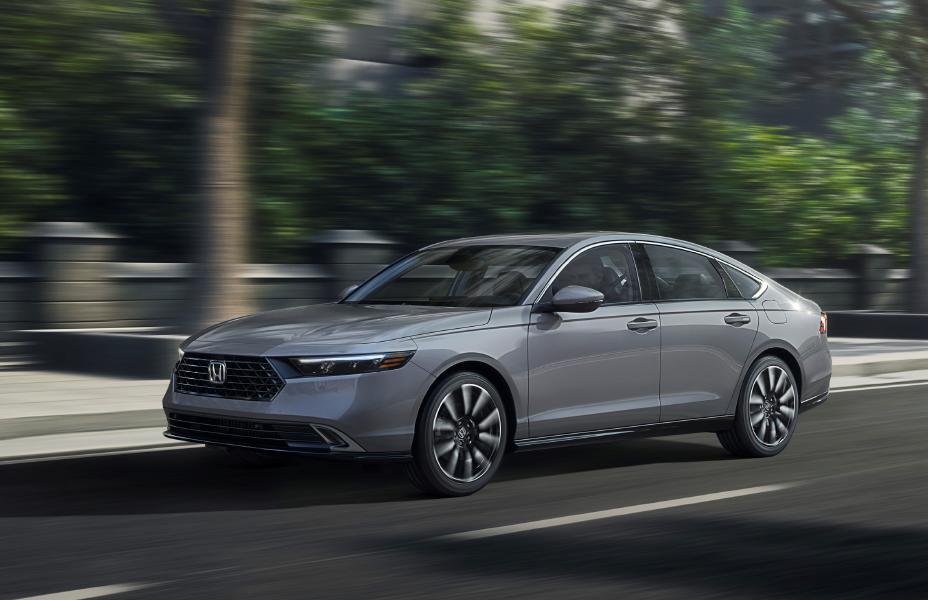
Honda is well positioned because electrification does not begin and end with a charging plug. The Civic Hybrid, Accord Hybrid, CR-V Hybrid and Prelude give customers meaningful efficiency without requiring them to reorganize daily life around charging.
Honda is also developing a next-generation hybrid system for larger North American vehicles. According to Honda’s next-generation technologies presentation, the company is targeting more than a 30 percent fuel-efficiency improvement and more than a 10 percent improvement in full-throttle acceleration compared with current internal-combustion vehicles in the same segment.
No specific U.S. model has been confirmed for that system. Even so, the direction is promising for families who want efficiency, confident acceleration and long-distance convenience without depending entirely on public charging.
You may also enjoy: How IndyCar Hybrid Tech Boosts Your Next Honda Hybrid
Flexible Manufacturing Protects Honda’s Future
Honda’s 2026 business briefing outlines a plan to reallocate excess capacity at its Ohio plants toward gasoline and hybrid vehicles and make every Honda automobile plant in North America capable of producing hybrid models.
That flexibility matters. It lets Honda adjust production as consumers, regulations and technology change instead of forcing factories to depend on one forecast. Hybrids can support demand now, while battery technology, software and electric-drive systems continue developing for the next generation.
This also reflects a familiar Honda approach. The company tends to improve complicated technology until it feels normal, dependable and useful. The aim is not simply to introduce something first. It is to make the technology work convincingly in everyday life.
You may also enjoy: EV Discounts Are Getting Hard To Ignore
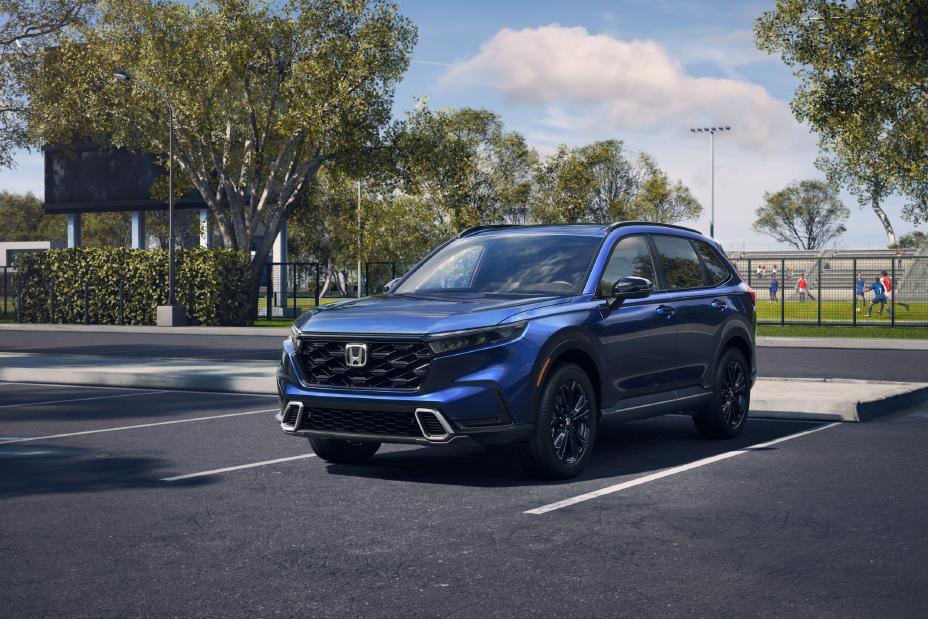
What Honda Shoppers Should Expect Next
For shoppers, the immediate message is reassuring. Prologue owners remain supported. Buyers interested in electrification have established Honda hybrids available now, with more advanced systems planned for the second half of the decade.
The wider EV market is not disappearing. It is maturing after expectations ran ahead of consumer behavior. Honda’s response is measured, practical and focused on products people are ready to buy. Sometimes the smartest route toward the future is choosing the right technology for the road directly ahead.