Ford Mustang vs Mach-E: Emotion or Everyday Sense?
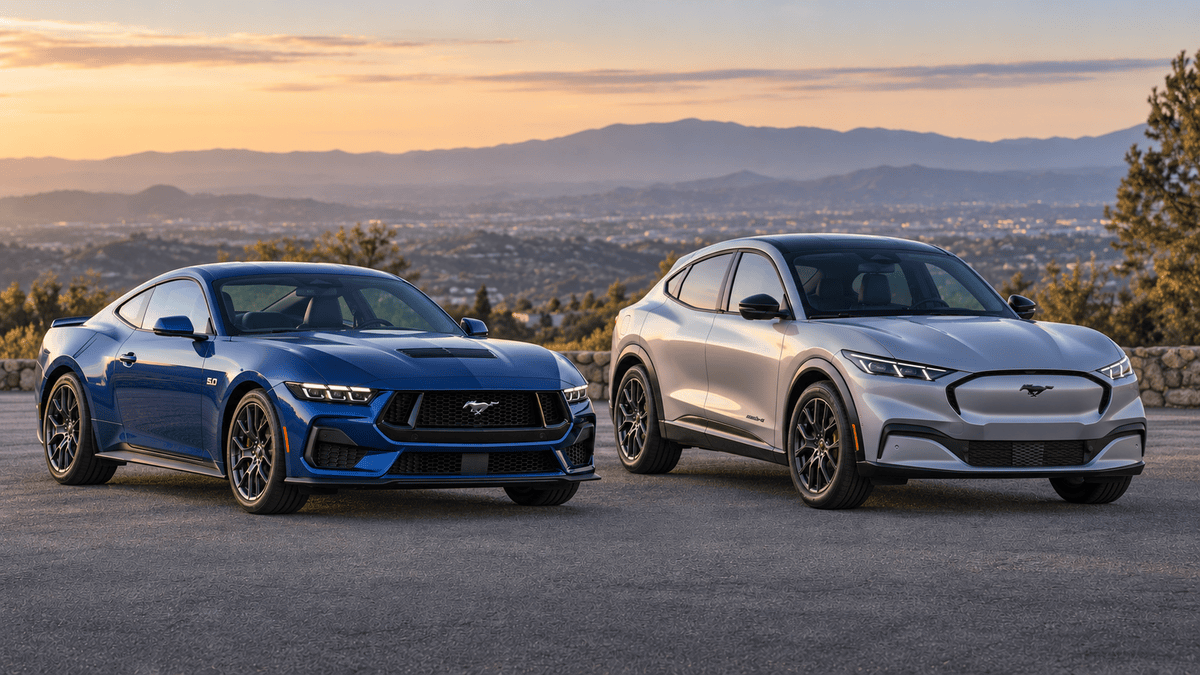
The Ford Mustang vs Mach-E debate is less about winners than about whether you want theater, torque, cargo, or a five-minute refill.
Ford Mustang vs Mach-E starts with honesty, not horsepower
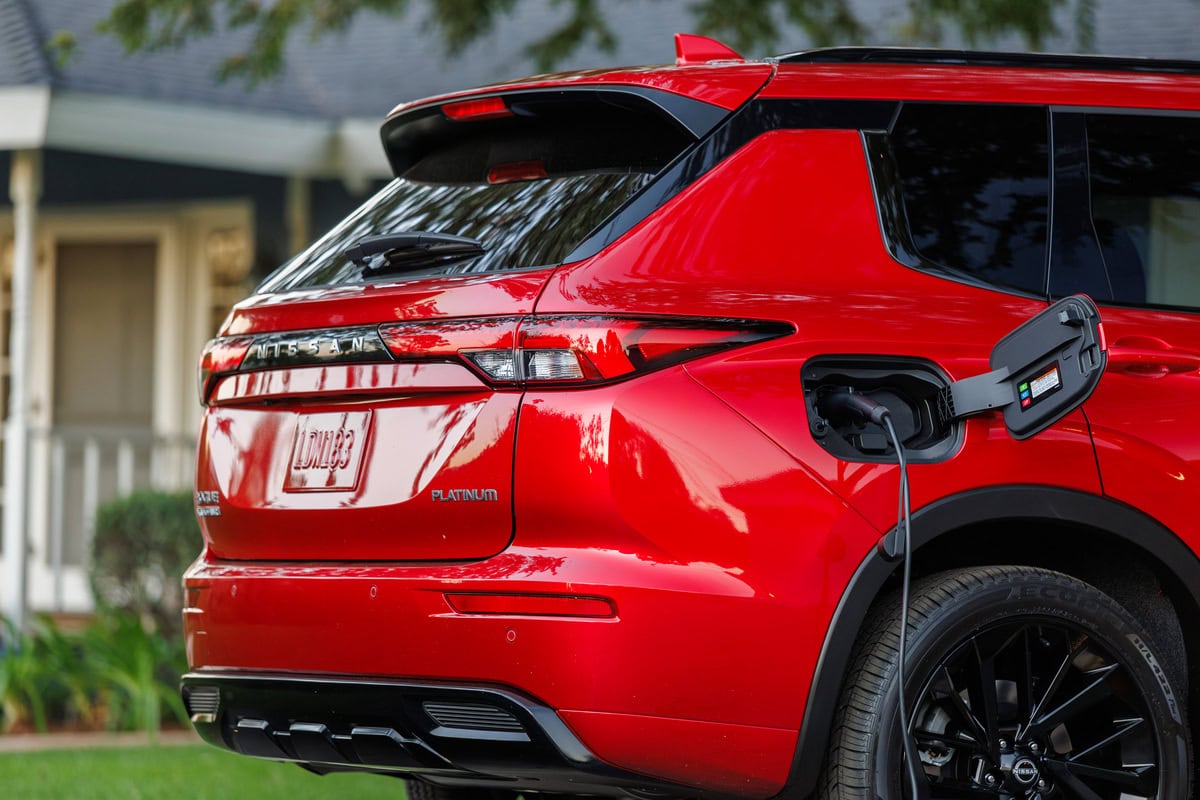
Stand between a 2026 Mustang GT Premium and a Mach-E GT Performance Edition and the shared name starts to look like a dare. One is a two-door coupe with a 5.0-liter V8. The other is a five-door electric crossover with dual motors and a tablet standing where a center stack used to live. Ford put the same badge on both, then watched 2026 sales run in opposite directions. First-quarter U.S. figures showed the gas Mustang up more than 50 percent, to 14,074 units, while Mach-E volume dropped more than 60 percent, to 4,600. Through August, the coupe was still ahead on the year while the electric namesake remained deep in decline.
That is the headline people want to treat as a knockout. It is not. In 2025 the Mach-E still beat the combustion Mustang on annual volume. What changed after September 30, 2025, was the shopping math. The $7,500 federal credit vanished. Cox Automotive later put first-half 2026 U.S. EV sales nearly 24 percent below the same span in 2025. Ford’s EV unit lost $4.8 billion in 2025. None of that erases the fact that both vehicles can be quick, both can be useful, and both ask you to admit what you actually want when nobody is posting about it.
You may also enjoy the Video for this story:
You may also enjoy: EV Sales Slow Down, Hybrids Surge: What that means for you
The V8 still sells a feeling software cannot fake
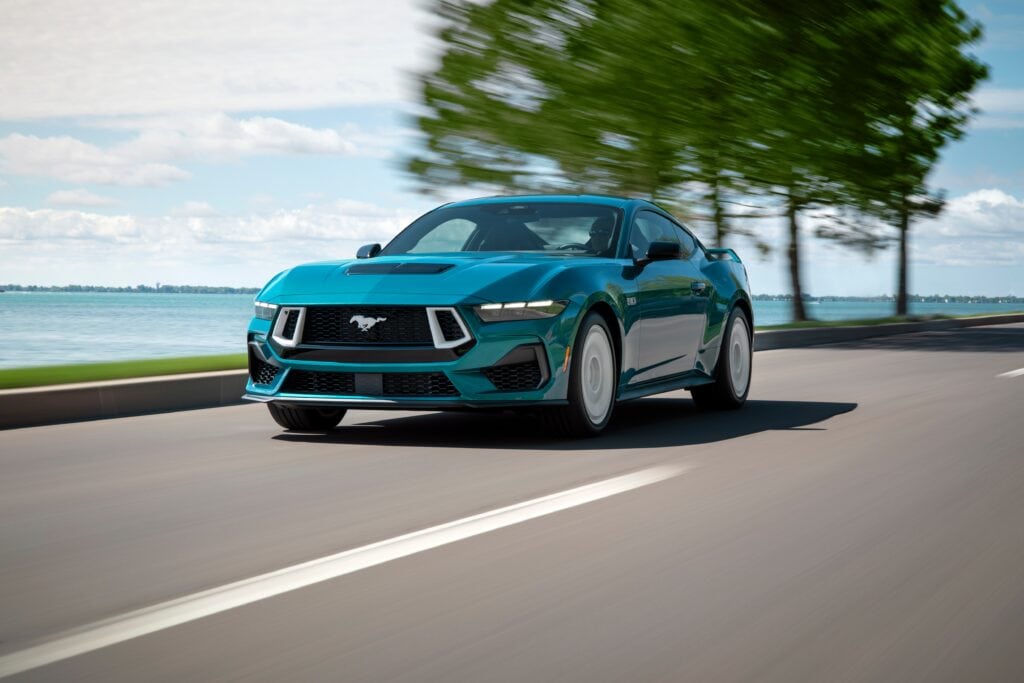
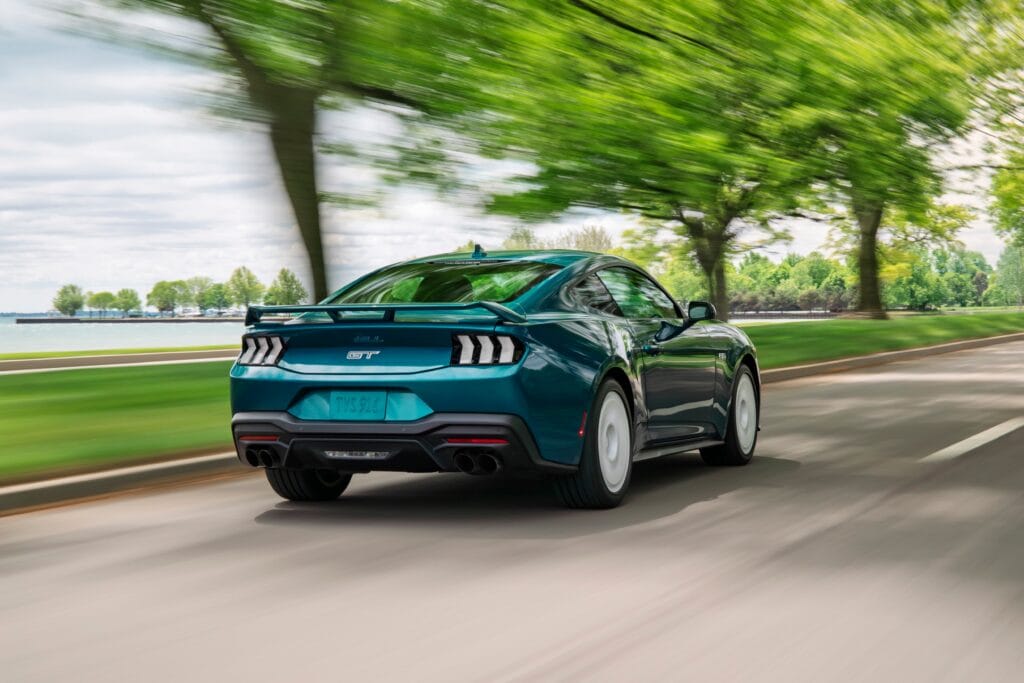
Ford rates the 2026 Mustang GT’s 5.0-liter V8 at 480 horsepower and 415 pound-feet, rising to 486 horsepower and 418 pound-feet with the active valve performance exhaust. The important part is how that power shows up. It is naturally aspirated. It climbs. It makes a noise neighbors will notice. You can have a six-speed manual or a 10-speed automatic, which is a choice the Mach-E simply does not offer. EPA data on FuelEconomy.gov puts the automatic GT at 16/24/19 mpg and about 304 miles on a 16-gallon tank. The manual lands at 15/23/18 mpg and about 288 miles.
Those numbers will never impress an accountant. They do explain why the coupe still matters. Refueling takes minutes at stations that already exist on every interstate exit. The seating position is low. Cargo is roughly 13 cubic feet. Rear seats exist in the technical sense, the way a folding chair exists in a studio apartment. What you buy instead is response, sound, and a center of gravity that makes the car feel smaller than the crossover parked beside it. Official product details live on Ford’s Mustang pages, but the ownership case is older than any webpage: this is still a rear-drive American performance coupe in a market that has almost run out of them.
You may also enjoy: Is the 2026 Dodge Charger R/T the Last True Gas Muscle Car Bargain?
Instant torque is wonderful until the trip gets long
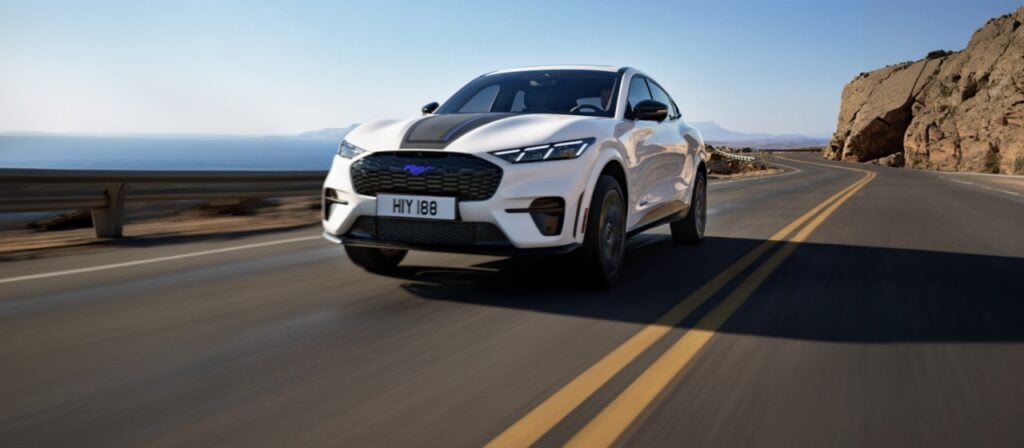
The Mach-E GT Performance path is the opposite kind of fast. Ford quotes 480 horsepower and up to 700 pound-feet with the Performance Upgrade, plus a 3.3-second sprint to 60 mph. MotorTrend recorded 3.3 seconds and an 11.8-second quarter mile at 115 mph. That is the difference between linear and immediate. Peak twist arrives at once. There is no waiting for revs and no drama except the one you create with the right pedal. Ford lists the GT’s EPA range at 280 miles and combined efficiency at 90 MPGe on the Mach-E GT site.
Daily running costs usually favor the electric vehicle if home charging is easy. There is no oil change schedule in the old sense, and regenerative braking can spare pads. The Department of Energy still estimates that about 80 percent of charging happens at home, which is the cleanest version of EV ownership. Public hardware is expanding through programs tracked by the national EV charging network and station maps at the Alternative Fuels Data Center. The limitation is not theoretical. Road-trip range depends on weather, speed, and whether the next stall is working. Optimism is not a connector.
You may also enjoy: EV Discounts Are Getting Hard To Ignore
Screens and cargo reveal two different lives
Inside, the GT Premium now carries a 12.4-inch cluster and a 13.2-inch center screen with SYNC 4, wireless Apple CarPlay, and Android Auto. That is a lot of glass for a muscle car, but the layout still aims at the driver. The Mach-E answers with a 15.5-inch vertical display that runs navigation, climate, drive modes, and a large share of vehicle setup. Over-the-air updates can change functions after you buy the thing. That is convenient when it works and irritating when a climate setting hides behind a swipe.
Practicality is where the crossover stops apologizing. Ford lists 29.7 cubic feet behind the rear seats and up to about 59 cubic feet with the second row folded, plus a small frunk for cables and wet gear. The 2026 frunk can be a $495 option, which is a nickel-and-dime move shoppers should price before they fall for the cargo brochure. Rear-seat access is simply easier because there are rear doors. Families, dogs, and people who carry more than a duffel will feel that every week. NHTSA’s rating pages for recent Mach-E models, including the 2024 Mustang Mach-E AWD file, also remind buyers that this is a five-star-rated SUV in the federal program, not a plaything with a hatch glued on.
You may also enjoy: 2026 Mustang Mach-E Frunk Becomes $495 Option – Should You Pay?
Ford lost billions and still kept both answers
Ford’s Model e unit lost $4.8 billion in 2025 and has been guided toward another $4 billion to $4.5 billion loss in 2026. The company took a $19.5 billion charge as it canceled larger EV programs and reset battery plans. Farley said the customer had spoken. That quote gets used as proof that electric Fords were a mistake. The product plan says something quieter. Ford did not bring back carburetors. It is mixing profitable gas and hybrid vehicles with a smaller, cheaper EV roadmap, including the lower-cost electric pickup work outlined in Ford’s later platform announcements. Break-even for the EV side has been aimed at around 2029.
That is a messy strategy only if you expected one powertrain to win on a deadline. Shoppers never agreed to that deadline. Search interest in the Mach-E has stayed high even when registrations lagged Tesla, a gap Test Miles has already traced in broader EV shopping data. Quality headlines have not helped. Ford’s 2025 recall total was historically large, and Mach-E campaigns have covered items from 12-volt lockout behavior to lighting modules. None of that makes the GT Premium automatically virtuous. It does mean buyer confidence is part of the sales chart, not a side note.
You may also enjoy: Ford’s Record Recall Year: What the Numbers Actually Show
Buy the loud one or the logical one, not the comment-section one
If this is the only vehicle in the household, the Mach-E GT Performance Edition is the more complete tool. It is quicker in a straight line, cheaper to feed when you charge at home, easier to load, and better when someone needs a real back seat. If you want a coupe that sounds right, can cross states without a charging app, and turns an errand into a small performance, the GT Premium remains the one that feels special. Both can be good purchases. They are good at different jobs.
The market already voted twice. It voted for the electric Mustang when a tax credit made the monthly number easier. It is voting for the V8 now that the credit is gone and charging still asks for planning. Ford’s unusual move was refusing to pick a single future. The badge now covers ceremony and convenience at the same time. The honest shopper has to pick which one they can live with after the video ends.
You may also enjoy: The Most Googled EVs in America, And What That Really Means