Ford Kentucky Paint Shop Protects Its Profit Engines
The Ford Kentucky paint shop is a $1 billion bet on the Super Duty, Expedition and Navigator—and a revealing hedge on Ford’s future.
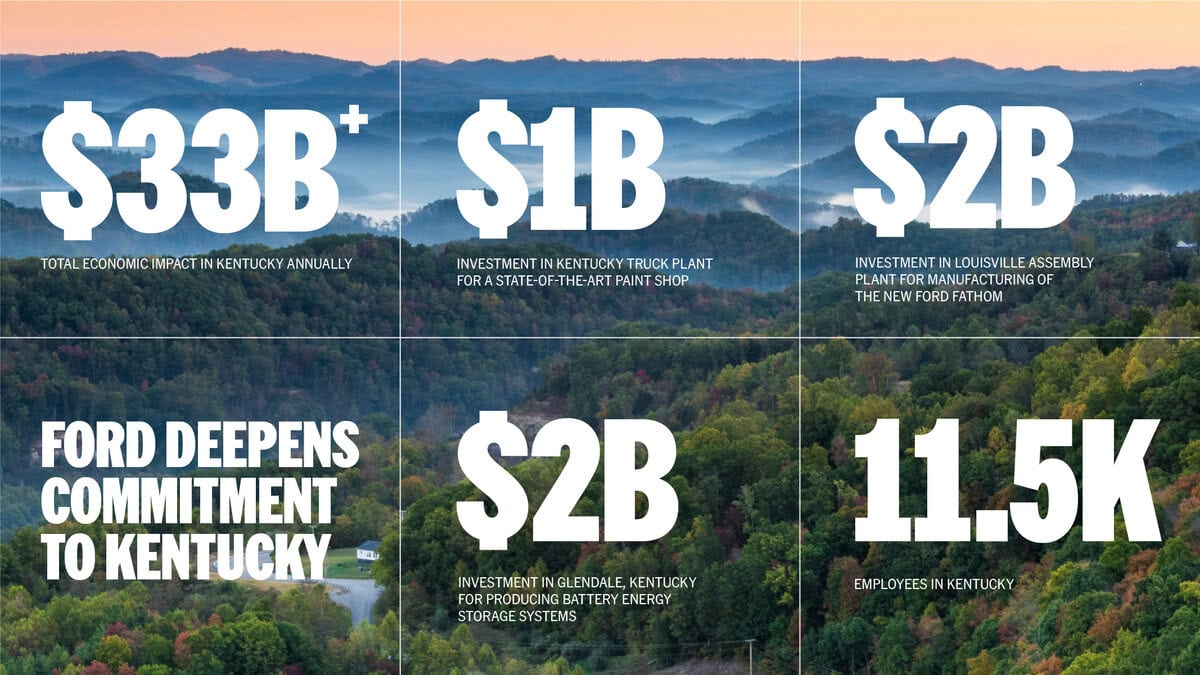
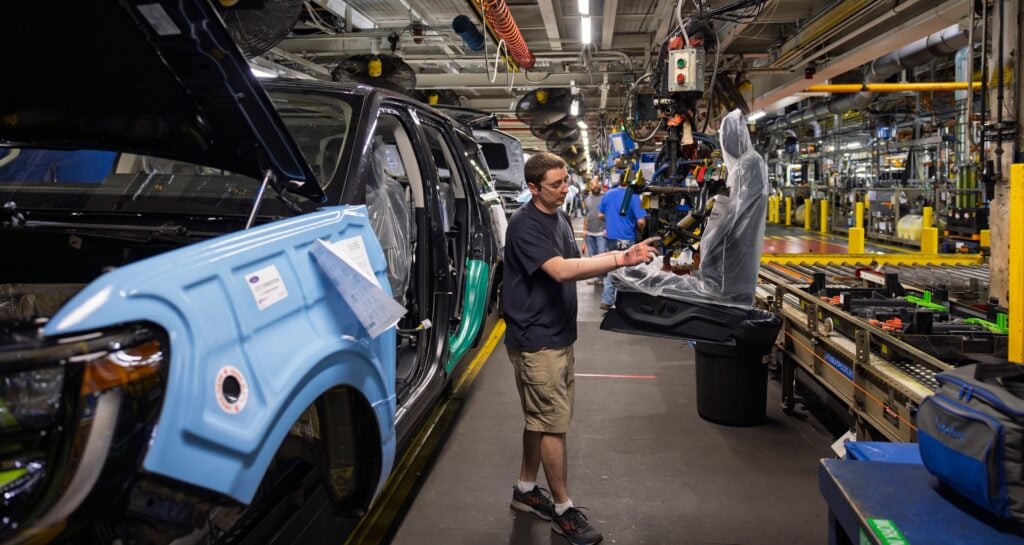
A billion dollars for paint sounds extravagant until you look at what passes through Kentucky Truck Plant. Ford says this Louisville operation is its largest and highest-revenue U.S. factory, producing F-Series Super Duty pickups, the Ford Expedition and the Lincoln Navigator. One vehicle rolls off the line every 45 seconds.
That makes Ford’s planned replacement paint shop less about choosing prettier colors and more about protecting three valuable product lines. Groundbreaking is expected before the end of 2026, but Ford hasn’t announced when the building will open or how construction will be staged around ongoing production.
You may also enjoy: Ford’s Fourth of July Deal Meets America at 250
You may also Enjoy this Video
Ford Kentucky Paint Shop Is a Quality Investment
Paint is among the least forgiving parts of vehicle manufacturing. Surface preparation, dust control, temperature, humidity and coating thickness all have to remain consistent while bodies keep moving. A flaw near the end of the process adds rework to a vehicle that already contains thousands of dollars in parts and labor.
Ford says the new operation will deliver cleaner, more efficient paint quality and better environmental performance. That claim is plausible, but it isn’t yet measurable from the announcement. Ford provided no baseline or target for energy, water, waste or volatile organic compounds, which the EPA identifies as gases released by materials including paints and solvents. The responsible reading is that Ford has declared an objective, not published a verified result.
You may also enjoy: 2026 Ford Mustang Mach-E Review: Still Ford’s EV Star
The business case is easier to see. Super Duty supports contractors, fleets and heavy-towing customers; Expedition serves the full-size family SUV market; Navigator carries Lincoln’s flagship ambitions. A more stable finish process can reduce defects, rework and interruptions on vehicles where quality problems are expensive and customer expectations are high.
Ford’s 11,500-plus Kentucky employees sit inside a much wider transportation manufacturing economy. Ford cites studies estimating $11.7 billion in annual contribution to Kentucky’s gross domestic product and more than $33 billion in total economic impact when vendors and suppliers are included. Those are company-supplied figures from separate studies and years, not interchangeable measurements, but both underline how far a major plant’s spending travels.
Kentucky Gives Ford Three Ways to Win
The clever part of Ford’s Kentucky strategy is diversification. Kentucky Truck Plant defends the large gas-powered trucks and SUVs generating revenue now. Louisville Assembly Plant is receiving approximately $2 billion to build Ford’s new Universal Electric Vehicle Platform. Ford Energy Systems in Glendale is getting about $2 billion to produce stationary energy storage.
You may also enjoy: Ford $5B EV Platform and 2027 Electric Pickup
That is a useful hedge against anyone who insists the industry has one inevitable path. Ford can continue earning money from Super Duty, Expedition and Navigator customers while preparing for lower-cost electric vehicles and entering a battery market that does not depend on selling another car. The three operations share geography and industrial skills, but their customers and risks differ.
Ford says Louisville Assembly Plant will build the Fathom midsize electric pickup in 2027 and that its transformation will create or secure about 2,200 jobs. The Glendale project is expected to add at least 2,100 jobs, provide at least 20 gigawatt-hours of annual storage capacity and begin production late in 2027.
You may also enjoy: Ford Fathom Electric Truck: What We Know So Far
Those dates and employment numbers remain plans. A factory investment does not guarantee a launch price, production volume or buyer demand. The Fathom still has to prove that Ford’s new production system can deliver an affordable pickup at scale, while the energy-storage facility must compete in a market driven by utility procurement, grid needs and battery costs.
What Drivers Should Watch Next
Current Super Duty, Expedition and Navigator shoppers should not expect the announcement to change a window sticker tomorrow. Ford has not connected the project to new colors, a product update, higher capacity or a specific reduction in defects. The customer value will be real only if the new equipment produces more consistent finishes and fewer quality problems.
You may also enjoy: Ford’s Skunk Works Builds an Affordable Electric Pickup
The questions worth asking are wonderfully unglamorous: When will the paint shop open? Will Ford publish energy and emissions reductions? How will the company avoid production disruption? Will warranty claims involving paint and corrosion fall after launch? A billion-dollar ribbon cutting is easy to photograph; sustained quality is the harder evidence.
It is also worth watching how quickly Ford’s three Kentucky projects move from spending announcements to operating factories. The paint shop is expected to break ground by year-end. Fathom production and Glendale energy-storage output are both targeted for 2027. A compressed schedule raises execution pressure across construction, equipment installation, workforce training and supplier readiness.
You may also enjoy: Ford $30,000 EV Truck Will Have Apple Maps Built In
The Ford Kentucky paint shop matters because it reveals where the company is placing its insurance policies. Ford is modernizing the factory that builds some of its strongest profit generators while using nearby investments to test an affordable EV architecture and a non-automotive battery business. That is less dramatic than betting everything on one propulsion system, and considerably more sensible.