Fastest cars under $50,000: EVs grab the podium
By Robert R Guio
Fastest cars under $50,000 now put three electric crossovers ahead of a V8 Mustang and a manual GR Corolla, reshaping affordable performance.
Fastest cars under $50,000 now favor EVs
A 0-to-60 list used to be shorthand for a certain kind of car. Low roof, big engine, sticky tires, probably two doors. In 2026, that mental picture is far out of date.
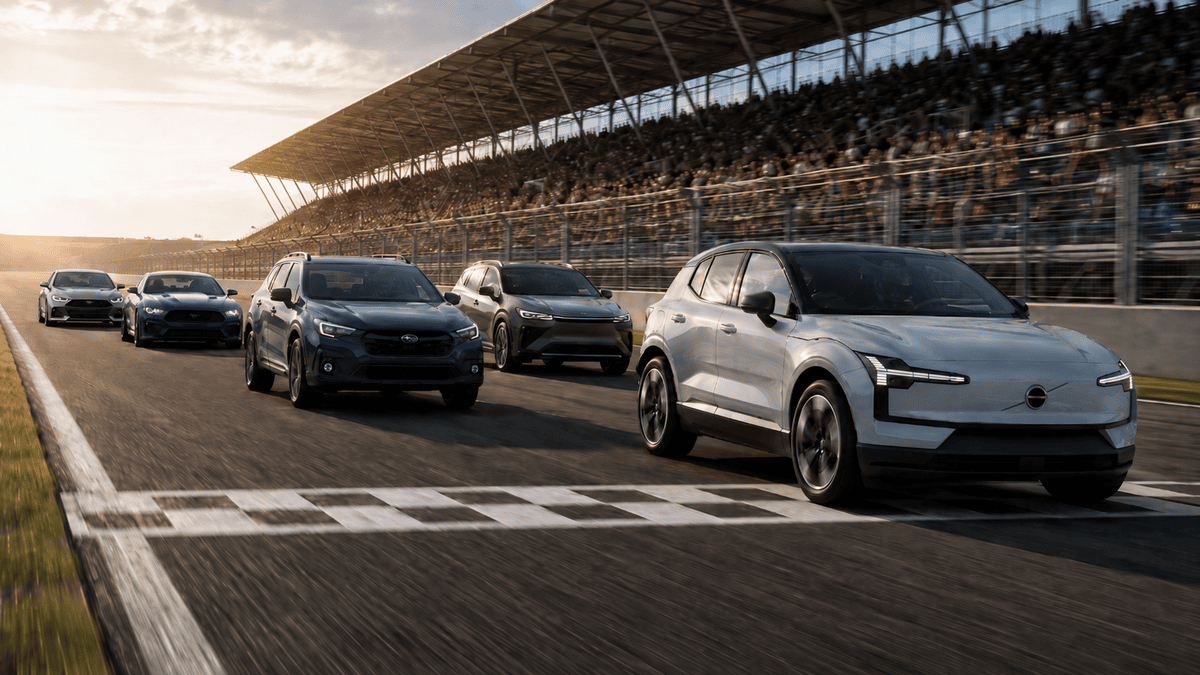
Take the five quickest qualifying 2026 models with entry prices below $50,000 and the shape of the field is startling. Volvo’s EX30 Twin Motor Performance reaches 60 mph in 3.3 seconds. Subaru’s Trailseeker and Toyota’s bZ Woodland share a 3.9-second result. The Ford Mustang GT six-speed manual and Toyota GR Corolla six-speed manual both follow at 4.2 seconds.
That is the important part of this story. EVs have not merely joined the affordable-performance conversation. On this particular measure, they have moved to the front of it.
The engineering explanation is fairly straightforward. The U.S. Department of Energy explains that battery-electric vehicles store electrical energy that powers one or more motors. Electric propulsion can deliver substantial torque without waiting for an engine to build revs, and a dual-motor layout makes all-wheel drive relatively natural. Most of these EVs also launch without pausing for conventional transmission shifts.
That advantage is narrow but meaningful. Zero-to-60 measures how effectively a vehicle converts available power and traction into forward motion from rest. It does not measure steering communication, brake consistency, body control, or whether the car still feels enthusiastic after repeated hard runs. I would never buy a performance vehicle from one number alone.
The Department of Energy also notes that rapid acceleration consumes more energy and can reduce EV range. That is a useful reality check: the 3.3-second party trick and the maximum-range number generally do not happen on the same drive.
You may also enjoy: Volvo EX30 vs The World: Can Sweden’s Stylish Underdog Dethrone the EV Establishment?
Volvo wins the drag race, but buyers should read past 3.3
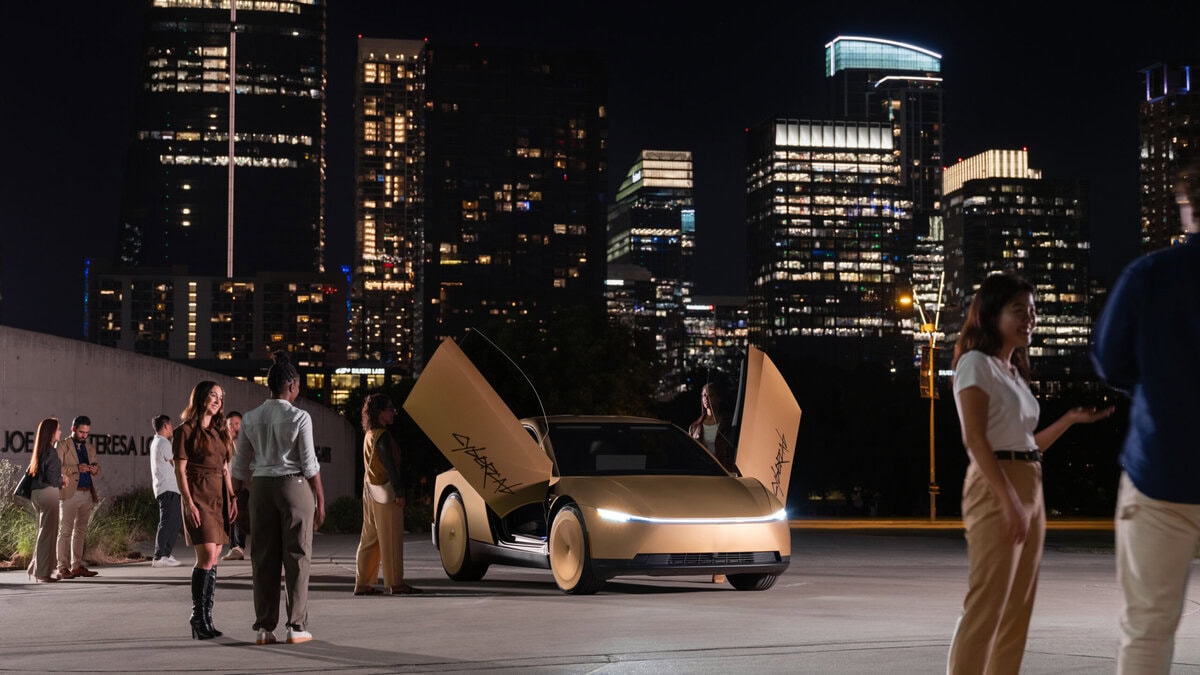
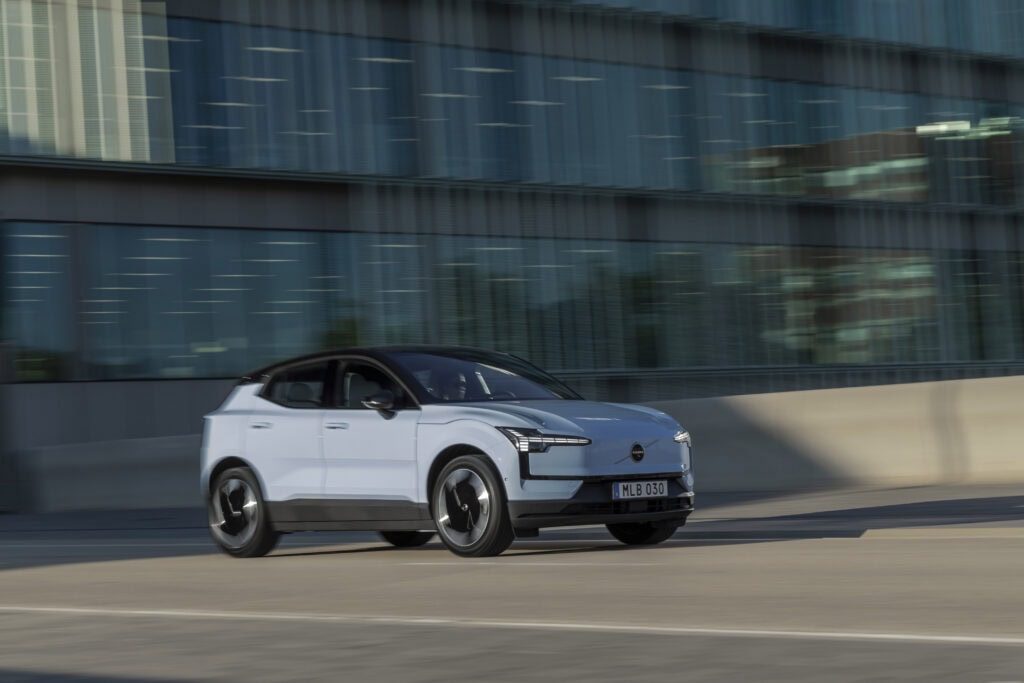
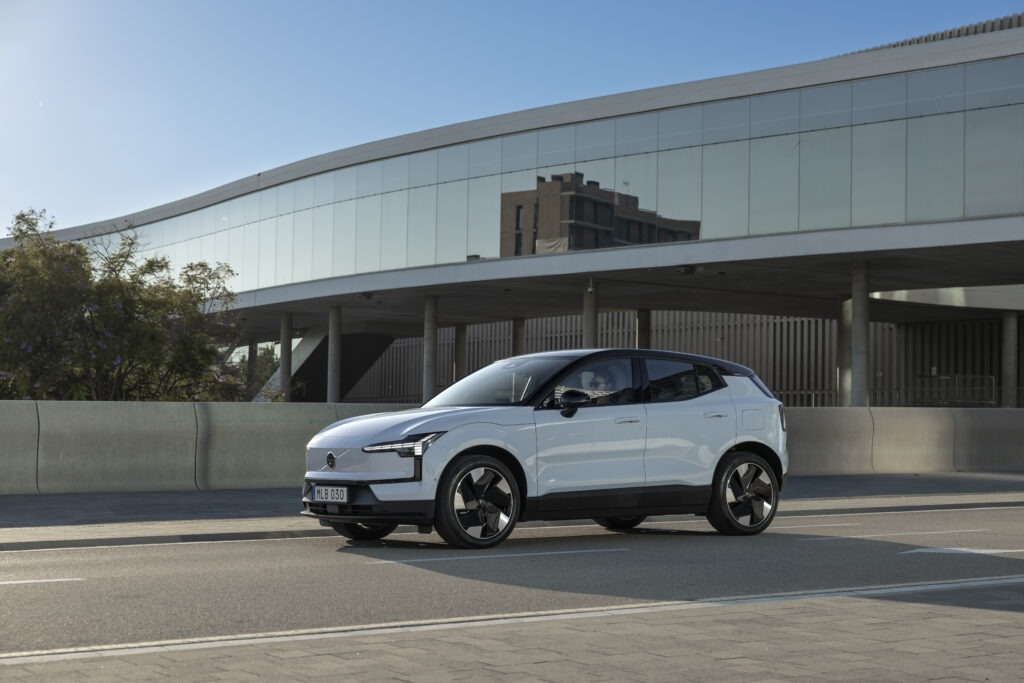
The 2026 Volvo EX30 Twin Motor Performance is the headline car because 3.3 seconds is an absurdly quick result for something this small, practical, and relatively attainable. Volvo lists the Twin Motor Performance from $46,345. It produces 422 horsepower, drives all four wheels and is EPA-rated for as much as 253 miles on a charge. Volvo’s own acceleration claim is 3.4 seconds, but third-party testing has reached 3.3 seconds.
The EX30 also illustrates the difference between acceleration and the complete ownership proposition. It is a subcompact electric SUV with limited rear-seat space compared with larger crossovers, and its minimalist cabin puts a great deal of control into the center screen. Those details matter every single day. The 3.3-second launch might matter for four seconds.
Range deserves equal attention. EPA labeling gives shoppers a standardized way to compare rated electric range and energy use, but actual results vary with speed, temperature, climate control, terrain and driving style. Anybody shopping the EX30 because it appears at the top of a speed list should also ask whether its size and charging routine work for the household.
There is a positive side to the packaging. The EX30 shows that enormous exterior dimensions are no longer a prerequisite for serious power. It is also a useful reminder that performance can arrive almost silently, which is a very different sensory experience from the two gasoline cars farther down this list.
You may also enjoy: Volvo EX30 Proves Small Cars Can Be Safer
The Mustang and GR Corolla make speed feel mechanical
Now we get to the two cars that make me grin before they move.
Ford’s 2026 Mustang GT Fastback starts at $47,795 on the company’s current build-and-price page. The standard 5.0-liter V8 produces 480 horsepower, and the six-speed manual remains available. Instrumented testing has put a manual GT at 4.2 seconds to 60 mph.
By the logic of this list, that means a compact Volvo EV and two electric utility vehicles can get to 60 first. By the logic of driving enjoyment, that tells us almost nothing about whether a Mustang GT is the car you would rather take home.
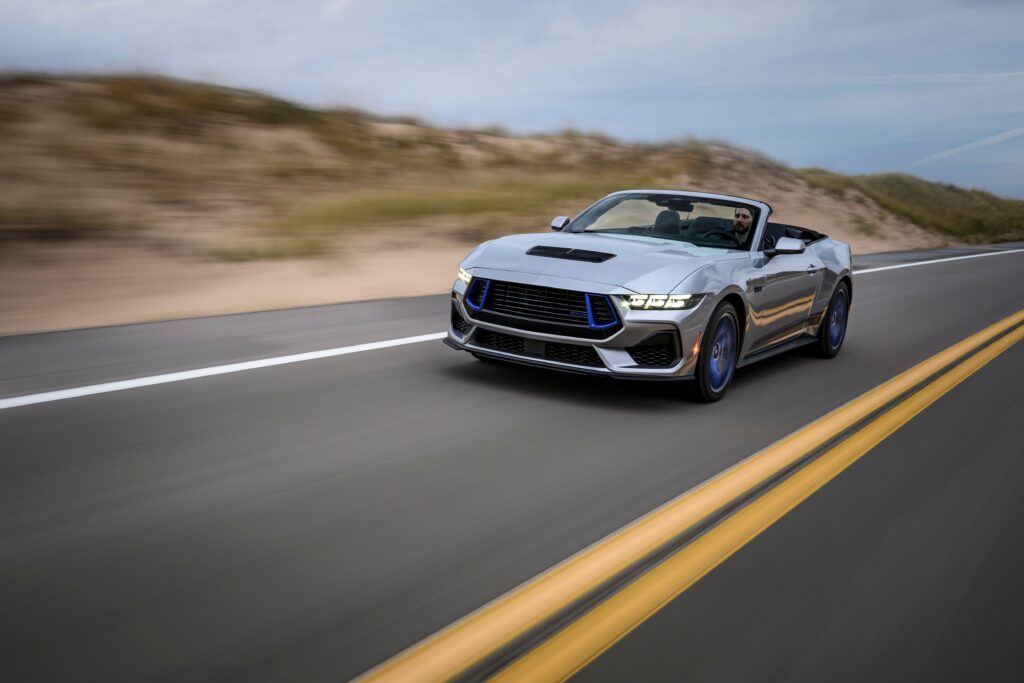
The GT asks the driver to coordinate clutch, shifter, throttle and rear-wheel-drive traction. It makes noise. It changes character with engine speed. There is a process to extracting the performance rather than simply requesting it with the accelerator. Some buyers will regard that as an inconvenience. The people shopping a manual V8 Mustang are likely to call it the reason.
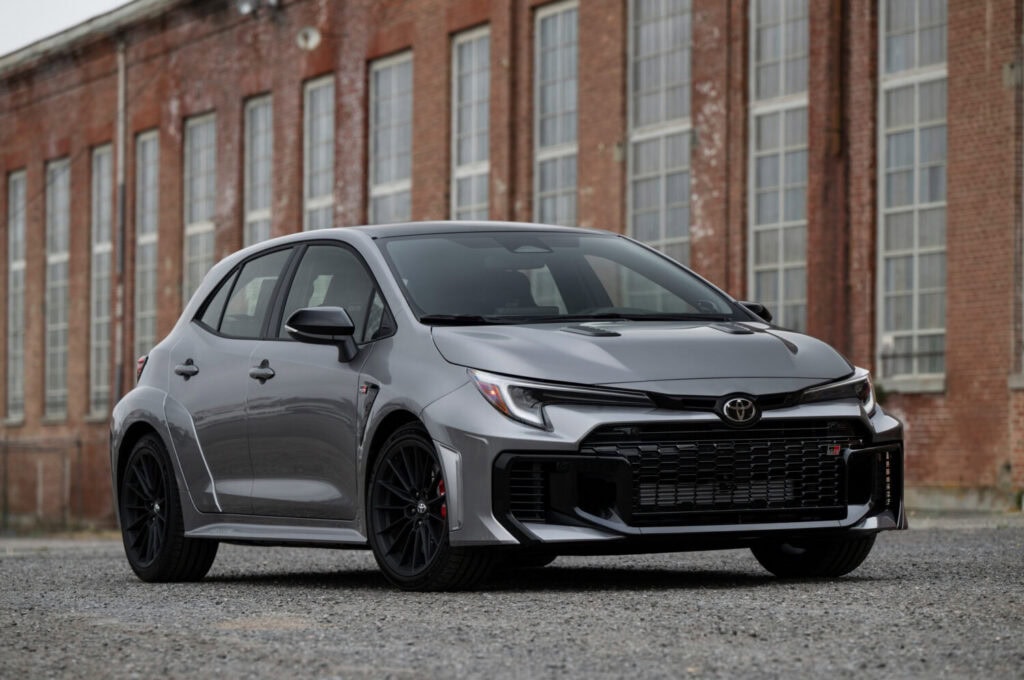
The greater surprise is the Toyota GR Corolla. Toyota lists the 2026 manual from $39,920 before its processing and handling fee. Its 1.6-liter turbocharged three-cylinder engine makes 300 horsepower and 295 pound-feet of torque, and the GR-FOUR system sends power to all four wheels. A 2026 six-speed manual test recorded the same 4.2-second sprint as the manual Mustang GT.
Yes, a Corolla nameplate is tied with a V8 Mustang in a ranking of the quickest sub-$50,000 vehicles. That sentence requires an asterisk only in the sense that this is the GR Corolla, not the commuter sedan your neighbor bought because it was sensible. Gazoo Racing has turned the humble name into a specialized hot hatch with serious chassis and cooling work.
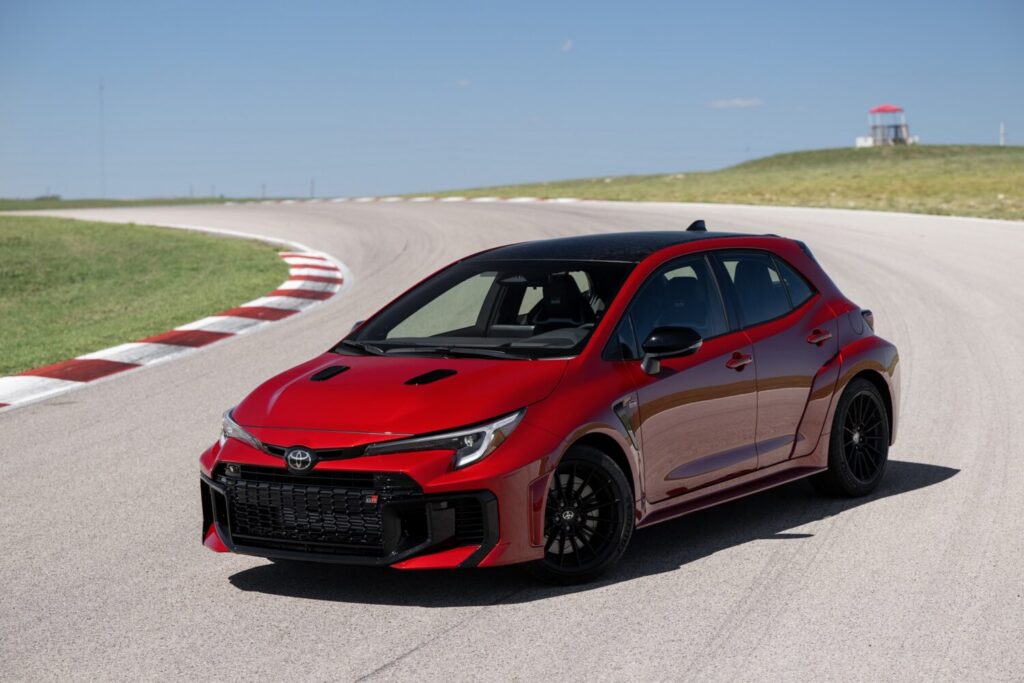
The manual matters too. Testing of the 2026 automatic produced a slower 5.0-second result, while the six-speed reached 4.2. At a moment when electrification is making acceleration easier and more automatic, one of the cars defending combustion performance asks the driver to operate a clutch. I rather like the symmetry.
You may also enjoy: 5 Cars That Prove Driving Doesn’t Need a Supercar Budget
Trailseeker and bZ Woodland turn utility into absurd pace
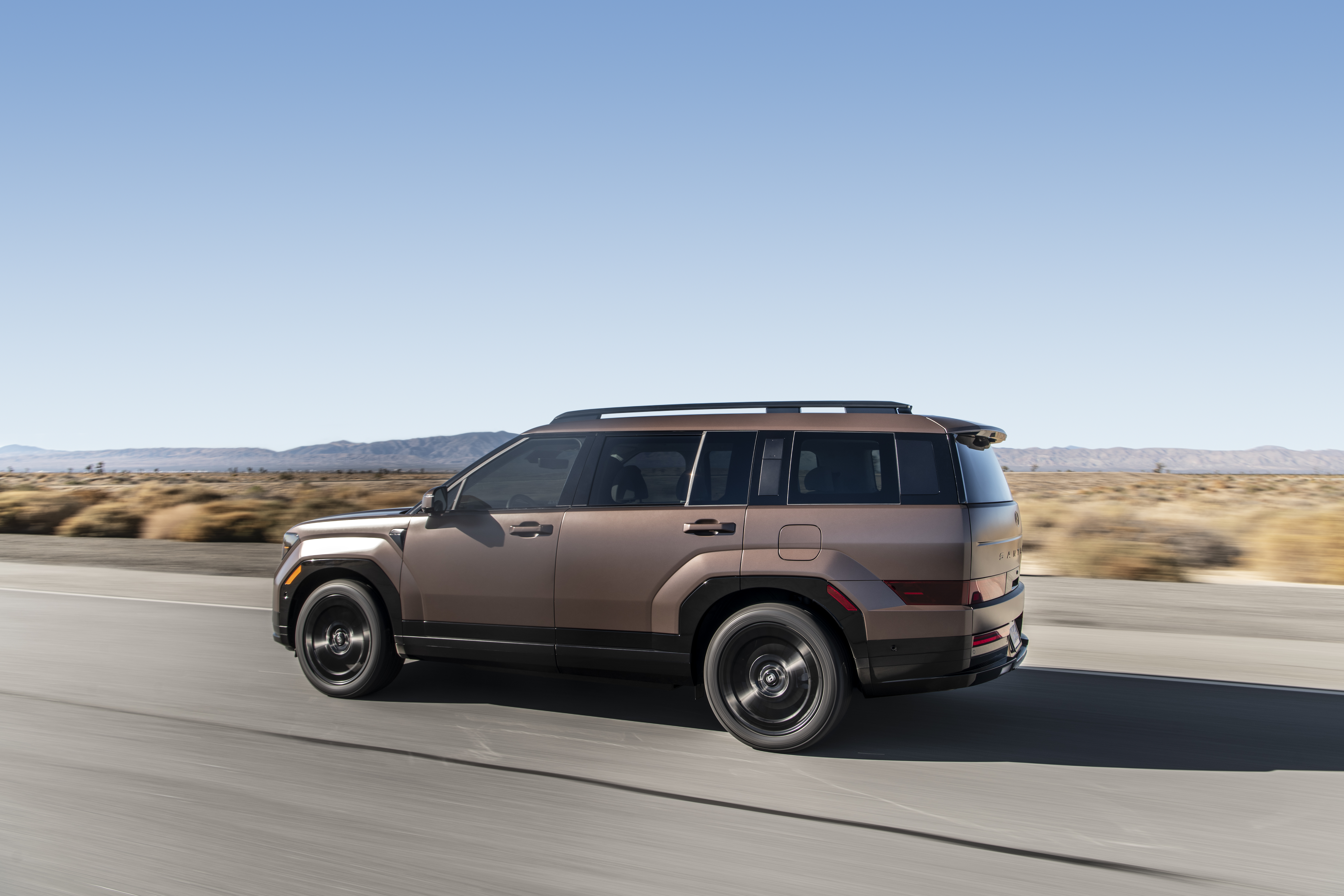
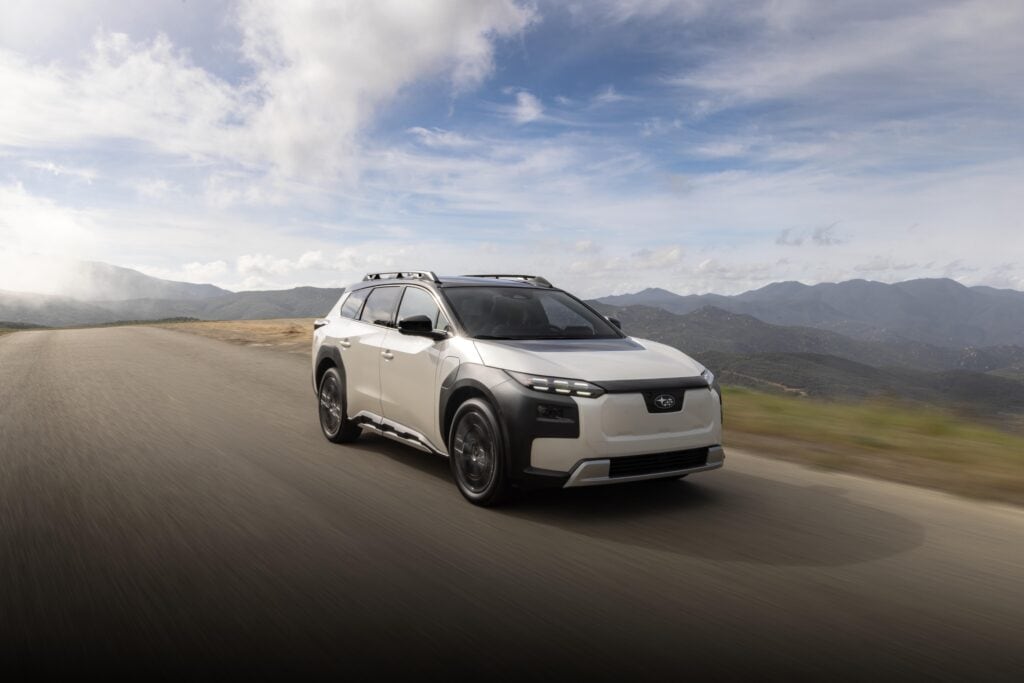
The Subaru Trailseeker and Toyota bZ Woodland are the vehicles that most clearly show how performance has escaped the sports-car category. Both make 375 horsepower. Both use dual electric motors and all-wheel drive. Each has seen a 3.9-second 0-to-60 time.
Subaru starts the Trailseeker at $39,995. It also gives the vehicle 8.5 inches of ground clearance, a maximum tow rating of 3,500 pounds and a cargo-focused shape aimed at outdoor buyers. None of that sounds especially exotic until the accelerator goes down.
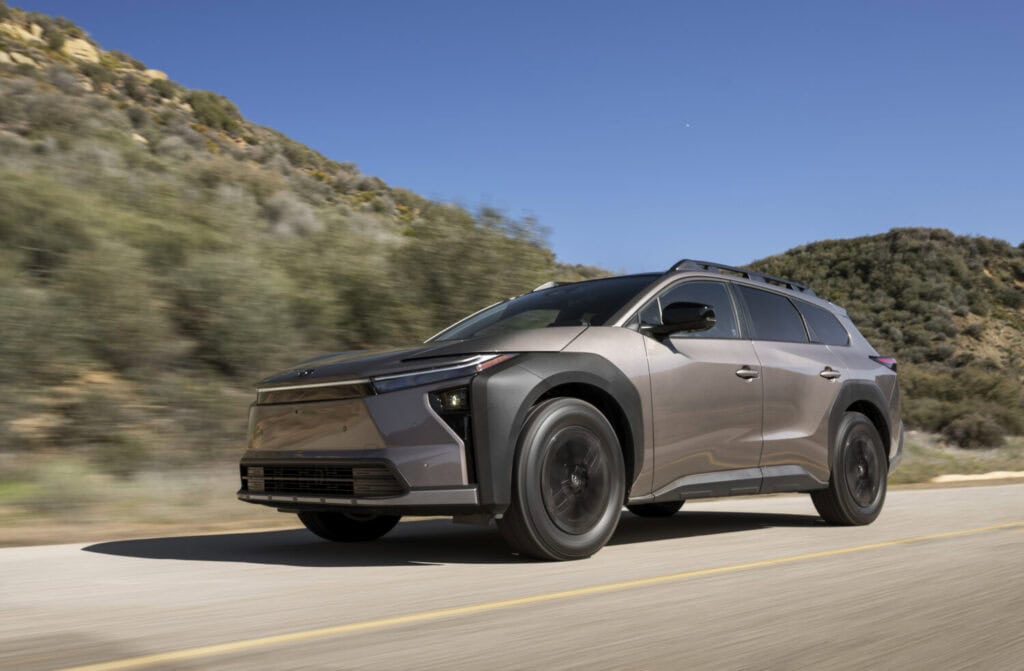
There is a caveat worth knowing. The Trailseeker can not continuously perform at maximum launch performance. After a number of 0-60 runs, it’s been noted that it needs cooling. That does not make 3.9 seconds unreal. It tells you what the number means. A brutal launch and repeated track-style abuse are different engineering assignments.
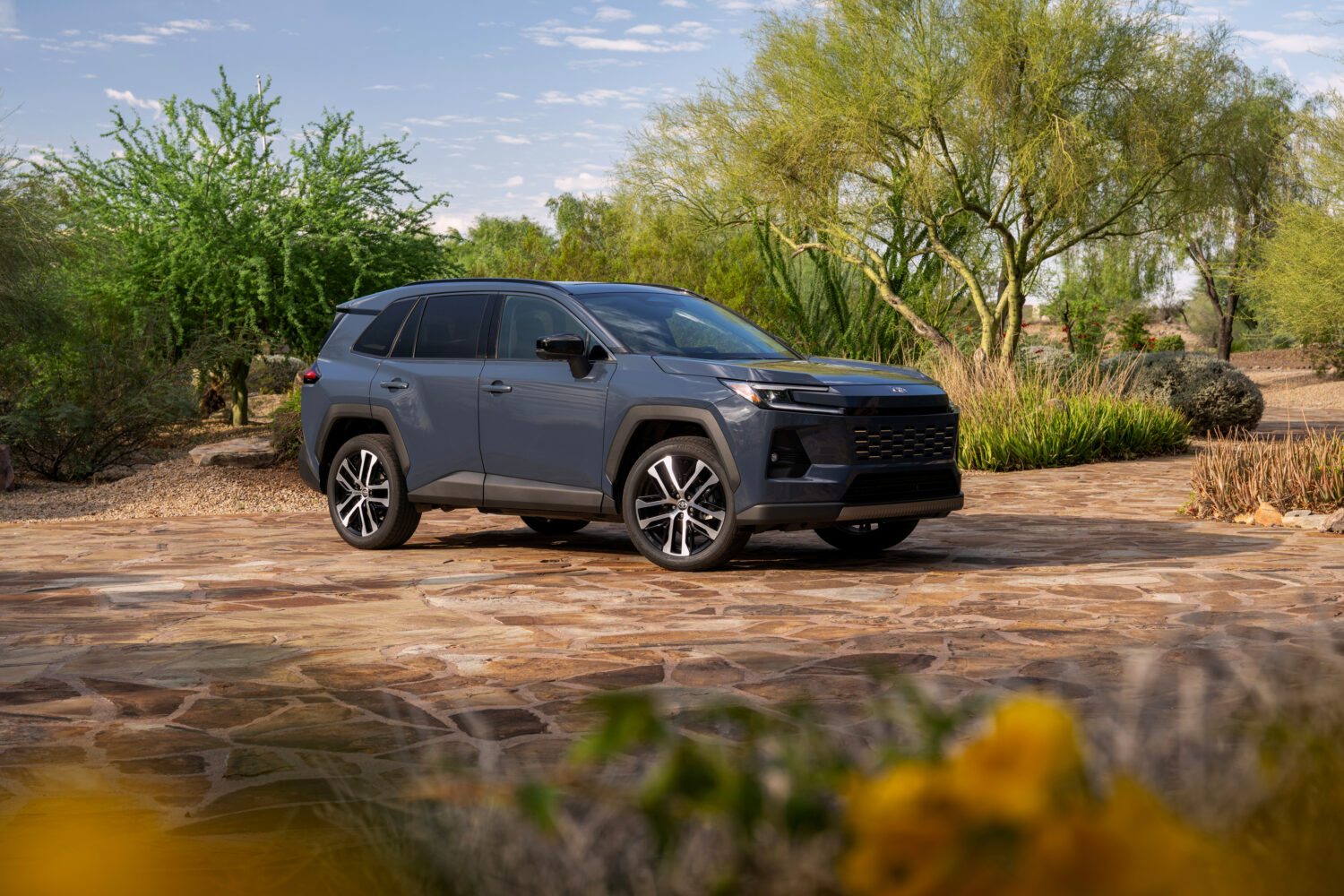
Toyota’s bZ Woodland starts at $45,300 before processing and handling, also produces 375 horsepower and combines its pace with 8.4 inches of ground clearance, a maximum tow rating of 3,500 pounds and an EPA-estimated 281 miles of range on its standard tires. Optional all-terrain rubber reduces that rated range.
I have spent time with the Woodland, and speed was not the part that made the strongest case for it. Its usefulness did. The cargo area, bad-weather confidence, and dog-friendly practicality made it feel like an EV designed around normal messy life rather than around demonstrating that it was electric. Learning that independent testing has pushed it to 60 in 3.9 seconds simply makes the package stranger and more entertaining.
It is also a good example of why shoppers should understand charging before buying an EV. The Department of Energy recommends matching a vehicle to your daily mileage, home-charging options, and long-distance charging needs. The SAE J3400 standard covers the North American Charging System connector increasingly used by new EVs, including this new generation of Toyota EV products. Charging compatibility is becoming easier, but it still belongs on the shopping checklist right beside horsepower.
You may also enjoy: Toyota bZ Woodland Review: Dogs, Dirt and Weather
You may also enjoy: 2026 Subaru Trailseeker EV: Affordable AWD Adventure SUV
What I would tell a shopper before chasing the stopwatch
If your goal is maximum launch performance per dollar, this list gives the EV side a very strong argument. The three electric vehicles are the three quickest, and two of them are utility-oriented machines rather than conventional performance models. Electric power has made the sensation of very rapid acceleration easier to buy and easier to use.
That does not mean the Mustang GT and GR Corolla have become obsolete. In some ways, their appeal is clearer because the EVs are so efficient at winning the simple race. The Ford and Toyota ask the driver to participate. The two manuals turn acceleration into an activity rather than an output.
For the shopper, I would divide the decision by use. The EX30 is the weapon if the headline number matters most and a small cabin works for you. The Trailseeker makes a compelling case for an outdoor-oriented buyer who wants serious straight-line speed without abandoning Subaru-style utility. The bZ Woodland is the one I find easiest to imagine living with when dogs, weather, and cargo matter. The Mustang GT is the choice for V8 theater and traditional rear-drive character. The GR Corolla is for someone who wants a smaller, rally-flavored machine and finds the idea of a three-cylinder Corolla embarrassing much more expensive cars deeply amusing.
NHTSA’s EV guidance is also worth reading before treating electric performance as just another specification. Battery-electric vehicles have different charging, battery and emergency considerations from gasoline cars. None of that should be alarming, but buyers deserve to understand the technology they are bringing home.
Likewise, EPA’s fuel-economy label gives EV shoppers range, MPGe and charging information that a 0-to-60 chart cannot. A fast car still has to fit a commute, a garage, a road trip and a budget after the purchase is complete.
You may also enjoy: 2026 Toyota EV Lineup Finally Fits Real Life
What has changed is the meaning of affordable performance. A decade ago, the engine was usually the star. In 2026, a pair of electric motors in a practical crossover can make a V8 muscle car work to stay in sight. The stopwatch has become democratized, and EVs are the main reason.
That leaves the GR Corolla as my favorite surprise in the data. Electric crossovers taking the first three places tells us where acceleration technology is going. A six-speed Corolla-badged hatchback remaining in the same conversation tells us there is still room for wonderfully unnecessary mechanical mischief on the way there.