Dodge NASCAR Cup Series Return Confirmed for 2027
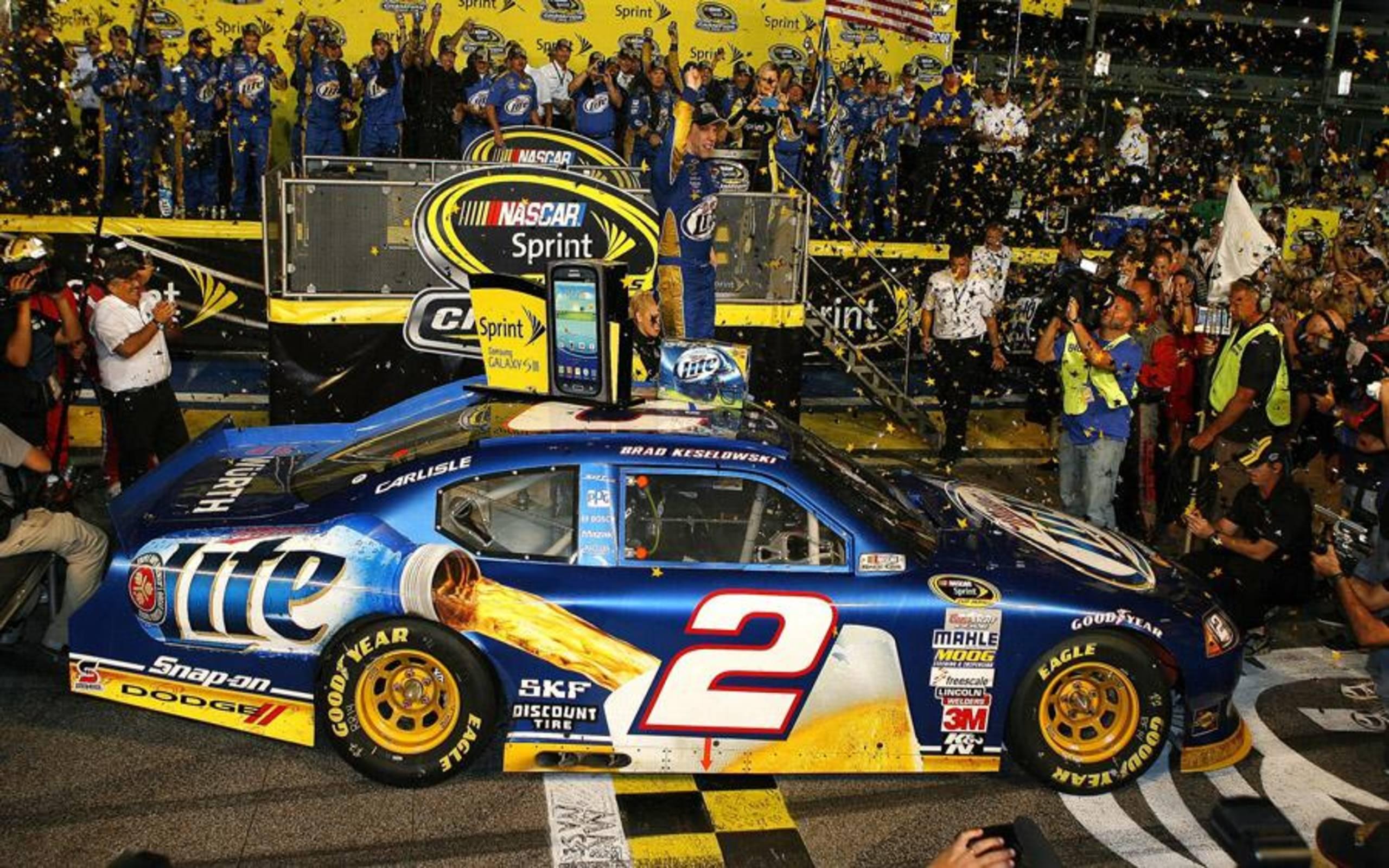
The Dodge NASCAR Cup Series return is official. After 14 years away from America’s premier stock-car racing championship, Dodge is coming back in 2027 with two cars, a new factory-backed partnership, and a determination to remind America what the Brotherhood of Muscle is all about.
The announcement came in Las Vegas on November 2, during a preview of the Stellantis display ahead of the 2026 SEMA Show. Tim Kuniskis, the executive overseeing Stellantis’ American brands and performance operations, confirmed that Dodge will return to NASCAR’s top division with Kaulig Racing.
This is more than another racing announcement. Dodge is putting gasoline-powered performance back at the center of its identity. And rather than spending years quietly preparing for a comeback, the company has decided to accelerate the entire program.
Apparently, patience was not included in the engineering budget.
Dodge Returns to NASCAR After 14 Years
Dodge last competed in the NASCAR Cup Series in 2012. That final season ended with Brad Keselowski winning the championship in the No. 2 Penske Dodge Charger.
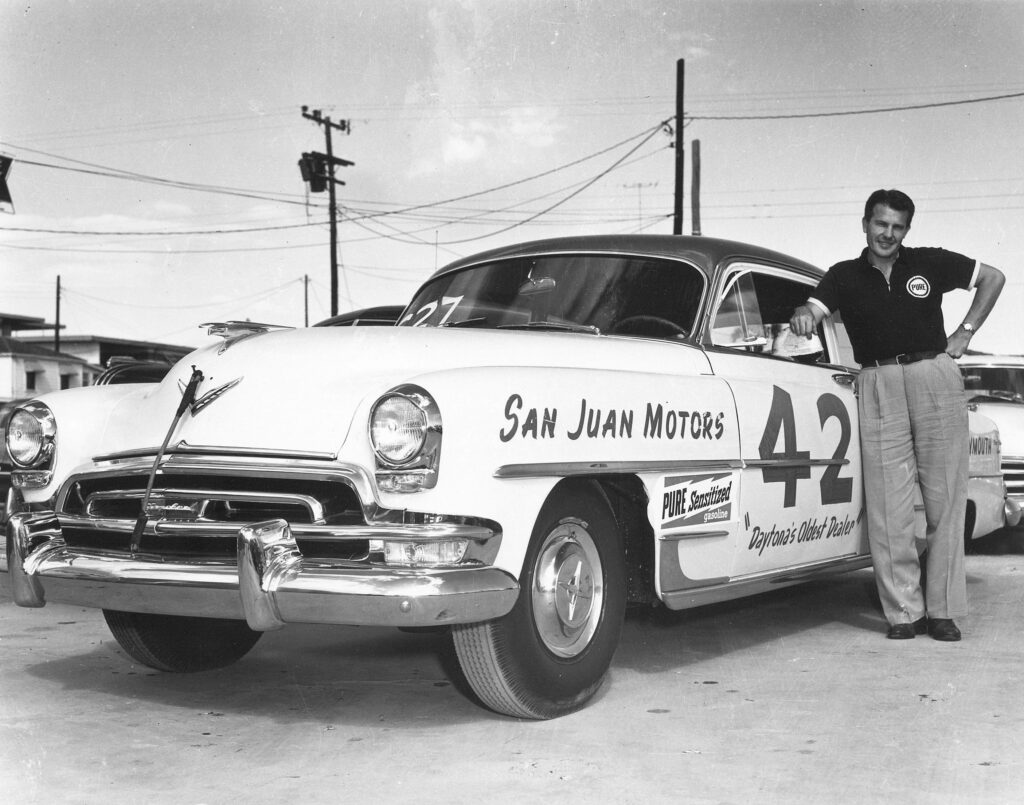
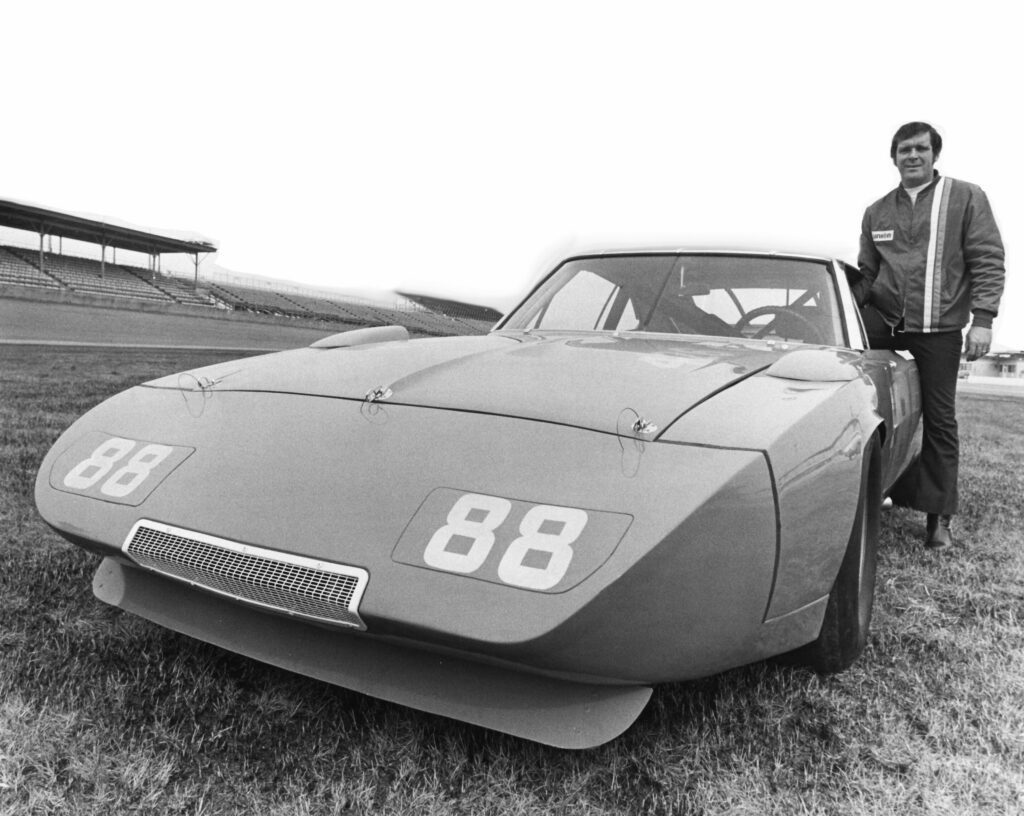
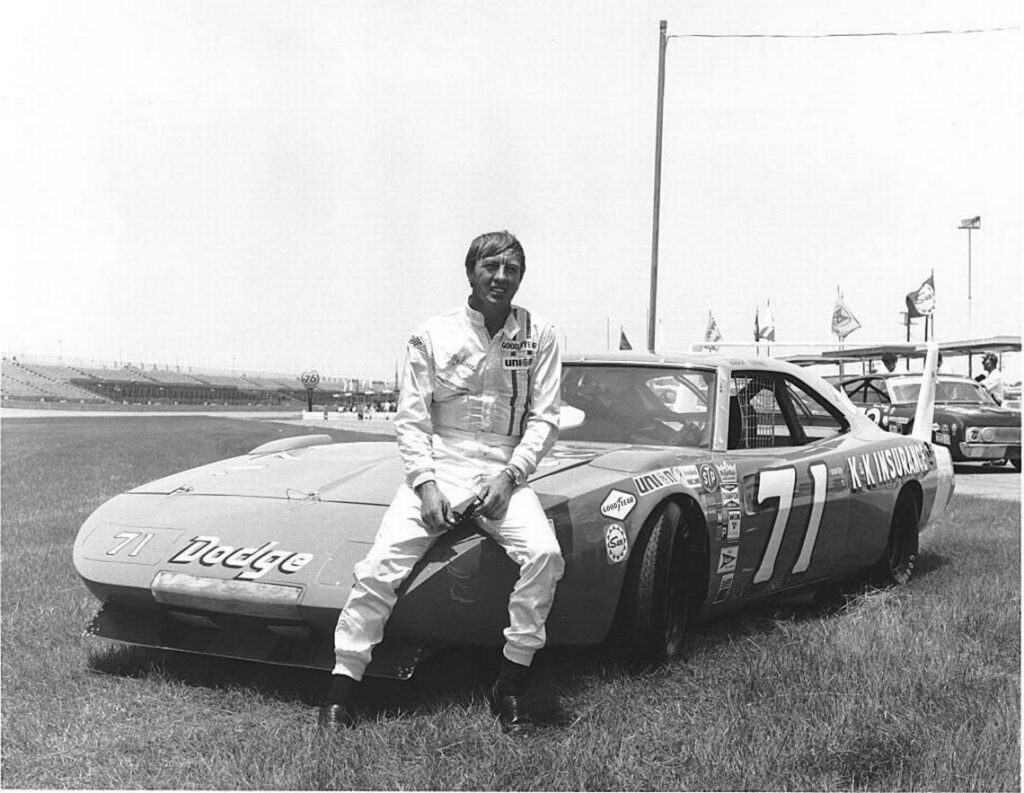
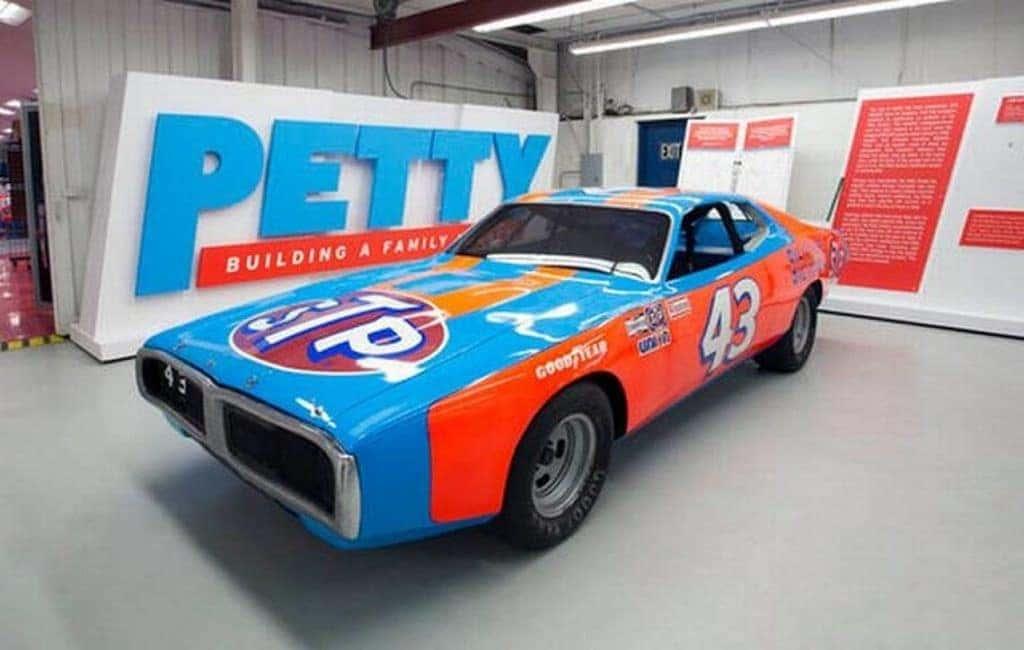
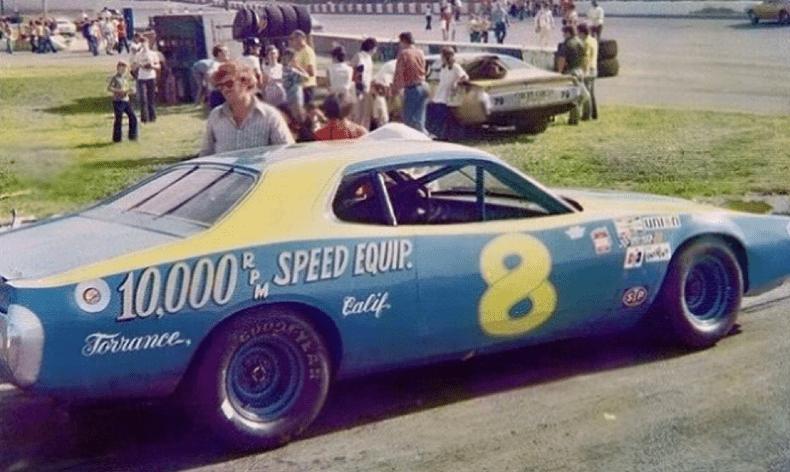
It was a fitting conclusion to a remarkable history that began with Dodge’s first NASCAR Cup victory in 1953.
During its most recent Cup Series run, from 2001 through 2012, Dodge accumulated 57 victories. Its return will restore a fourth manufacturer to the championship alongside Chevrolet, Ford and Toyota.
For NASCAR, that matters. More manufacturers bring additional competition, engineering investment and promotional spending. For Dodge, racing provides something equally valuable: a national stage on which to demonstrate its performance credentials.
And there is no mistaking the timing. Dodge is introducing increasingly powerful gasoline-powered versions of the Charger while working to rebuild its traditional muscle-car identity.
You may also enjoy: Dodge’s Bat S*%t Crazy Plan for the Future
Tim Kuniskis Wants Dodge Back on the Track Immediately
Kuniskis has never been particularly interested in making performance cars quiet, discreet or sensible. His approach to returning Dodge to NASCAR appears equally straightforward.
“Everyone said it was impossible to get back in one year. We said, ‘watch this.'”Tim Kuniskis, Stellantis North America
The company is compressing a development program that would ordinarily take considerably longer.
That decision introduces real risks. A NASCAR Cup program requires an enormous amount of engineering work, from aerodynamic development to engine reliability and race-day execution.
NASCAR officials say Dodge has already passed the wind-tunnel portion of the race-car approval process, with further body-panel validation still required.
There is a substantial difference between producing a competitive race car and producing one that can complete hundreds of miles at racing speeds, week after week.
Dodge is choosing to solve those problems while building the program rather than waiting for everything to be perfect before entering competition.
You may also enjoy: Tim Kuniskis Brings SRT Roaring Back at Stellantis
Kaulig Racing Will Lead Dodge’s NASCAR Comeback
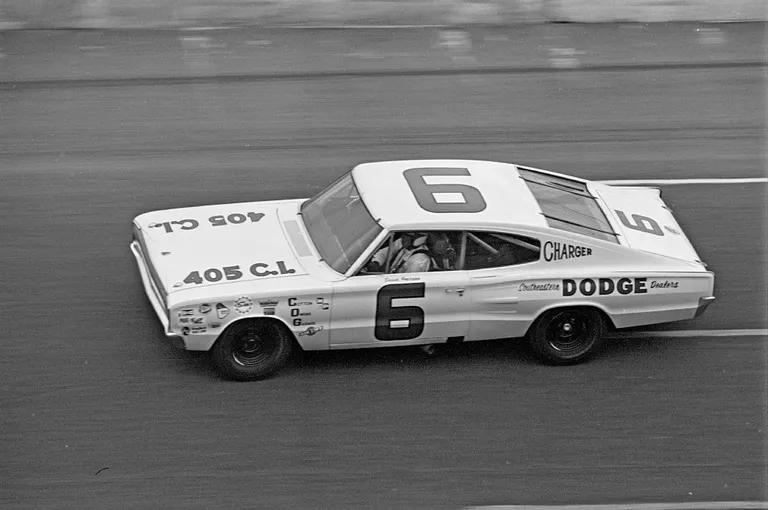
Dodge will enter the Cup Series with Kaulig Racing as its anchor team, fielding two cars when the manufacturer returns in 2027.
This partnership did not materialize overnight.
Stellantis already returned to NASCAR competition through the Ram brand in the 2026 Craftsman Truck Series. Kaulig Racing operates that factory-backed program, providing an established relationship and practical experience working with the manufacturer.
Now Dodge SRT Racing will oversee the broader performance effort, including NASCAR, NHRA drag racing and other North American motorsports programs.
What makes this arrangement interesting is the relationship between the two brands.
Ram uses racing to connect with truck owners and traditional American motorsports fans. Dodge brings the muscle-car heritage and performance image.
Both benefit from sharing a racing organization and the broader resources of Stellantis.
It is a strategy that could make the investment more effective than establishing two completely independent programs.
You may also enjoy: Ram CEO Confirms Bold NASCAR Return in 2026
When Will the New Dodge NASCAR Race Car Be Revealed?
Dodge has established a series of events leading toward its first Cup Series race.
Kaulig Racing plans to announce its 2027 driver lineup during NASCAR Championship Weekend at Homestead-Miami Speedway.
The next major milestone arrives December 4, 2026, at the 59th annual Snowball Derby at Five Flags Speedway in Pensacola, Florida.
There, Dodge will reveal its new NASCAR Cup Series race car and its competition livery.
The Snowball Derby is one of America’s most prestigious short-track events, featuring a 300-lap Super Late Model race that attracts established NASCAR drivers and emerging talent.
Dodge will also stage an event called the Dodge Sno-Brawl, featuring celebrity drivers competing in equally prepared Charger late-model stock cars.
Fans will be able to watch the December 4 unveiling through FloRacing and the NASCAR Channel.
The first points-paying Cup Series race for the returning manufacturer is scheduled to be the Daytona 500 on February 21, 2027.
The full competitive specification of Dodge’s new Cup car has not yet been publicly revealed, so horsepower, body-design details and engine arrangements should not be confused with the specifications of the showroom Charger.
What Does Dodge’s Racing Return Mean for the Charger?
The timing of Dodge’s NASCAR return is particularly interesting because the company is expanding its gasoline-powered Charger lineup.
The standard-output 3.0-liter twin-turbocharged SIXPACK engine produces 420 horsepower in the Charger R/T.
The Charger Scat Pack raises that figure to 550 horsepower using the high-output version of the same engine family.
For 2027, Dodge has also announced the Charger Super Bee Launch Edition, rated at 600 horsepower.
These figures are for production cars, not the NASCAR competition engine.
For anyone wondering how a relatively compact six-cylinder engine can produce that kind of power, the U.S. Department of Energy’s explanation of turbocharging provides useful technical background.
Every gasoline-powered Charger in the announced lineup comes with standard all-wheel drive, with both two-door and four-door configurations available.
That gives the Charger a different everyday proposition from traditional rear-wheel-drive muscle cars. Drivers can enjoy substantial horsepower while gaining additional traction in difficult weather.
Buyers comparing these cars should also examine the EPA fuel-economy information available through FuelEconomy.gov, since horsepower is only one part of the ownership equation.
And while racing success can enhance a manufacturer’s image, it does not automatically demonstrate that a production vehicle is safer or more dependable. Consumers should independently consult NHTSA’s vehicle safety ratings and the government’s vehicle recall database.
You may also enjoy: 2026 Dodge Charger R/T: Winter-Ready Hurricane Muscle
Why This Matters Beyond NASCAR Fans
For ordinary American drivers, Dodge’s return to racing is not going to make the family car faster or reduce the cost of filling the tank.
But it does signal something important about the company’s future.
Stellantis is making a substantial public commitment to internal-combustion performance at a time when the automotive industry continues to invest heavily in electric vehicles and software-defined technology.
The company’s strategy appears to be offering different powertrains rather than relying exclusively on electrification.
That is reflected in a Charger lineup combining gasoline engines with the all-electric Daytona.
There is a distinction, however, between the technology permitted in a professional racing series and the requirements imposed on vehicles sold to the public. The Environmental Protection Agency’s vehicle information helps explain the environmental considerations facing road-going cars.
Racing can influence engineering culture, brand reputation and future product decisions. It does not mean every technology found on a race car will appear in a dealership.
Dodge’s 710-horsepower Durango SRT Hellcat offers another example of its continued commitment to traditional performance. The supercharged HEMI V8 remains central to the brand’s identity, although it occupies a very different market from a NASCAR Cup car.
You may also enjoy: Dodge Durango Sets Sales Records as Chrysler Pacifica Gets Major 2027 Upgrades
Can Dodge Win Against Chevrolet, Ford and Toyota?
Returning to NASCAR is one achievement. Winning consistently is quite another.
Chevrolet, Ford and Toyota have established teams, deep technical experience and years of development behind their current programs.
Dodge must establish the competitiveness of its new race car, develop reliable engines, integrate with Kaulig Racing and prove that its accelerated return can deliver results.
The first objective should be consistent race finishes and competitive speed. Victories and championship contention require substantially more.
There is also a commercial question. NASCAR involvement is expensive, and Dodge will ultimately need the program to strengthen its brand, engage customers and support the performance vehicles it sells.
Still, the return gives NASCAR something it has been missing for years: another major American performance brand competing at the highest level.
Affiliate shopping: If you are shopping for all-weather floor mats, Shop OEDRO directly or Shop OEDRO on Amazon. Use code NIKM20 at the OEDRO official store. Check current code terms and vehicle fitment before ordering. Test Miles may earn a commission from purchases made through these affiliate links.
The Test Miles Verdict: Dodge Has Something to Prove
Dodge’s return to NASCAR Cup racing is one of the most significant American motorsports announcements of 2026.
Fourteen years after leaving the championship as a winner, Dodge is coming back with a recognizable racing partner, a revived performance organization and an increasingly powerful lineup of production cars.
What has not yet been established is whether the new operation can compete immediately with NASCAR’s existing manufacturers.
That makes the first season particularly interesting.
There is something rather refreshing about an automaker choosing to demonstrate its performance credentials on a racetrack instead of simply producing another promotional video.
But NASCAR is not interested in nostalgia, and neither are its competitors.
Dodge won the championship the last time it left. Now it has to prove it deserves to be back.