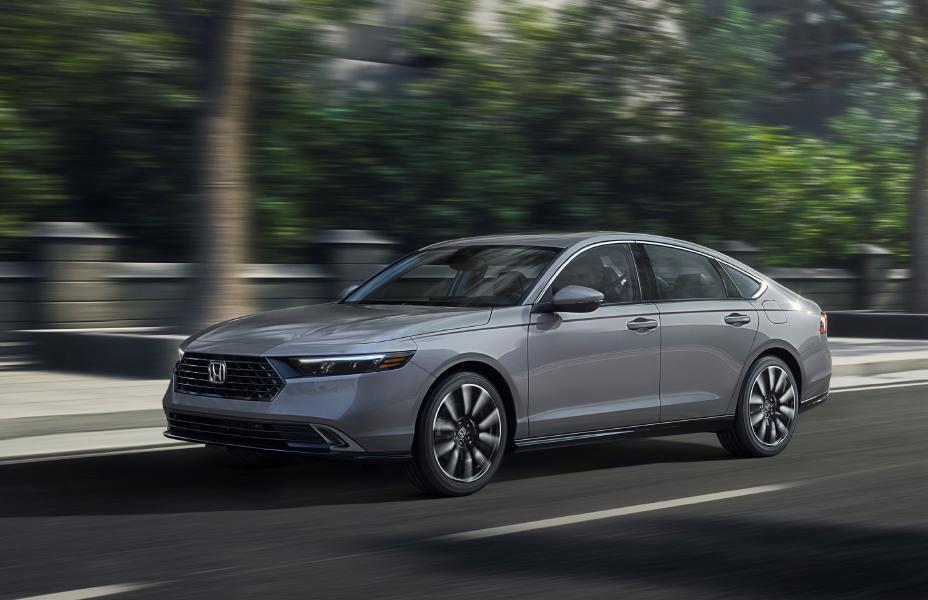
Waymo’s Chinese Cars Reveal a US Import Loophole
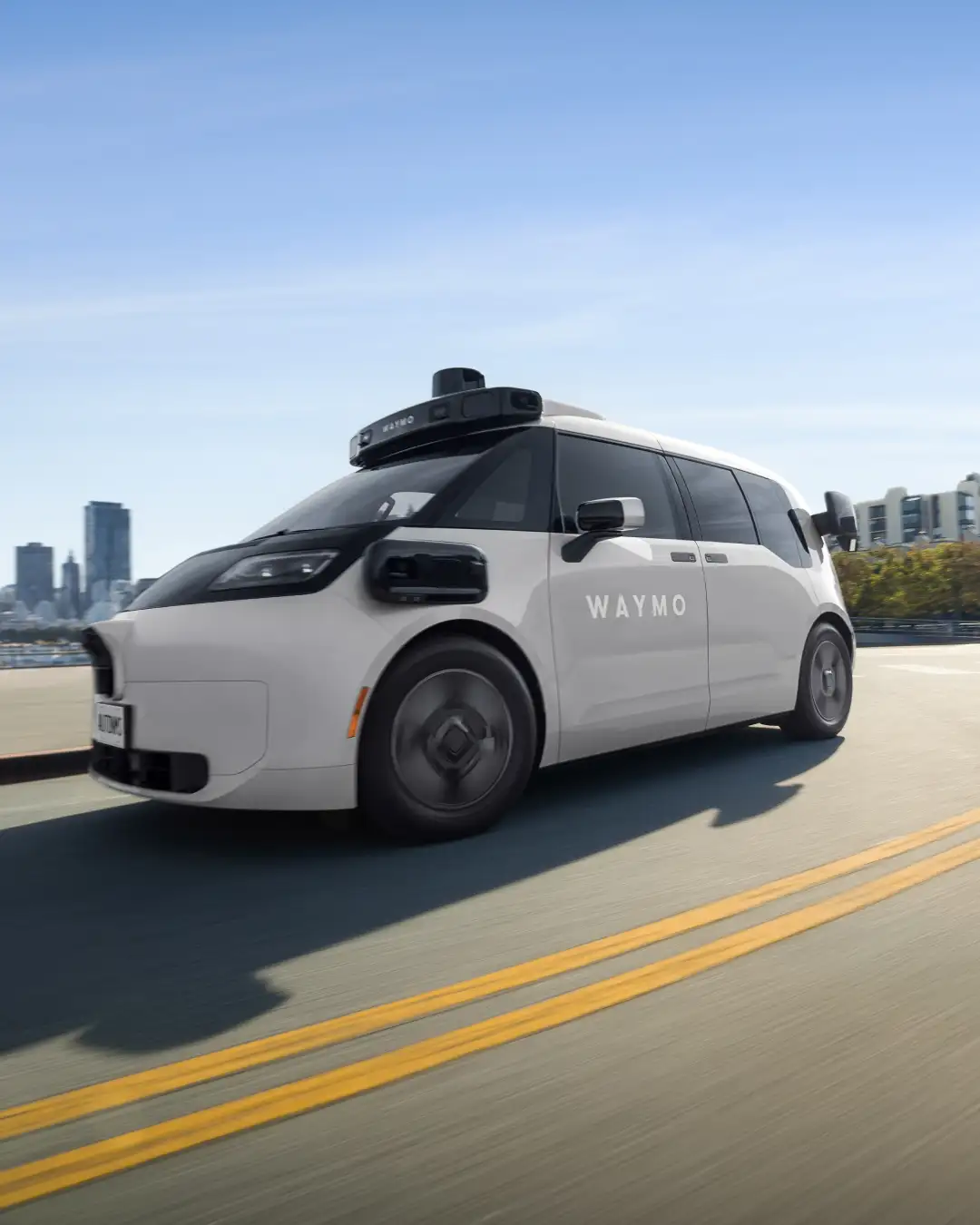
Waymo’s Chinese cars are already carrying American passengers, revealing a surprising gap between US vehicle restrictions and robotaxi expansion.
By Nik J. Miles | Test Miles
Imagine an American walking into a dealership and asking for a brand-new Zeekr electric vehicle. That conversation probably ends rather quickly. Chinese automakers face major obstacles selling their vehicles to American consumers, from trade tariffs to increasingly restrictive connected-vehicle regulations.
Now imagine that same American opening a smartphone app, ordering a driverless ride and climbing into a vehicle manufactured by Zeekr in China.
That second scenario is already happening.
You may also like this video:
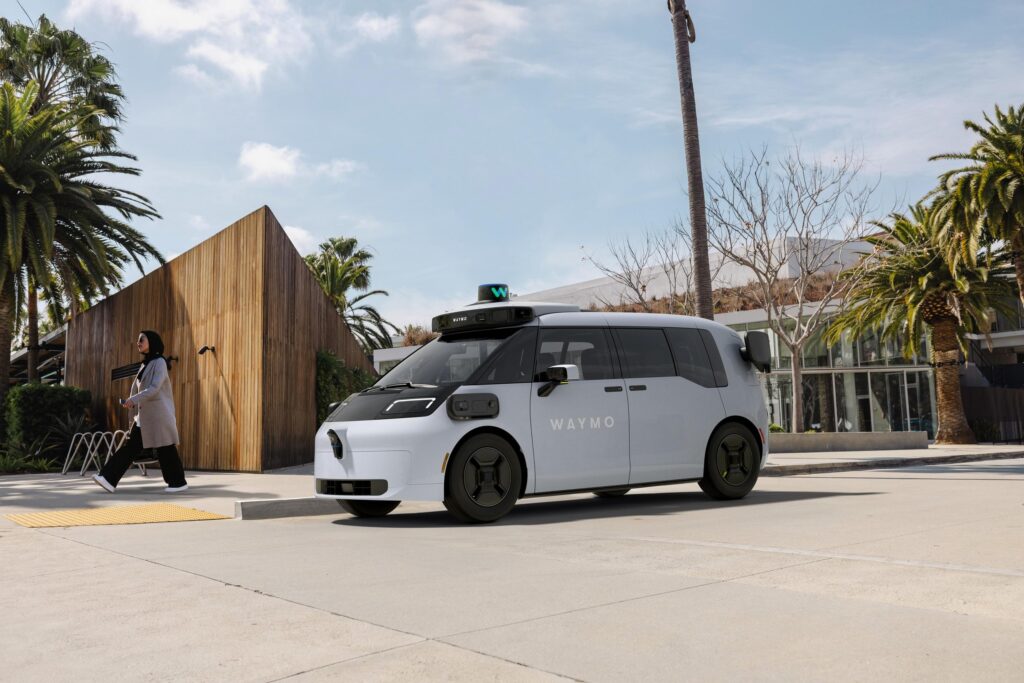
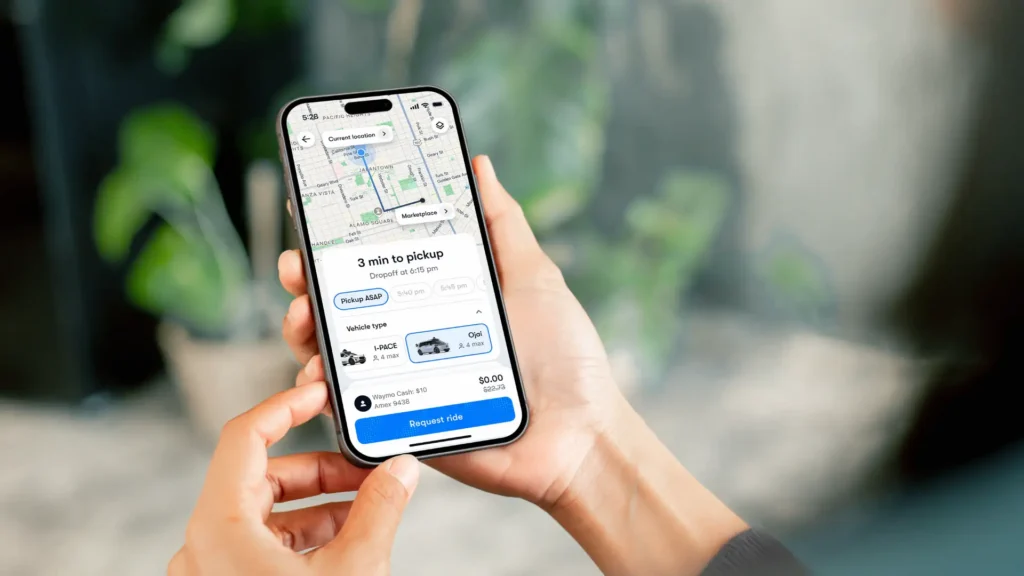
Waymo’s Ojai robotaxi is a Chinese-manufactured electric vehicle equipped with American autonomous-driving technology. It is carrying passengers on American streets, despite the barriers that keep most Chinese-branded electric cars out of US showrooms.
Is this a loophole? In practical terms, it exposes a significant gap in how America regulates vehicle manufacturing and connected technology. Whether a specific transaction qualifies for an exemption or complies through another route is a separate legal question.
Waymo’s Chinese Cars Are Already Here
Zeekr belongs to Geely, one of China’s major automotive groups. It supplies the underlying electric-vehicle platform used for Waymo’s Ojai robotaxi.
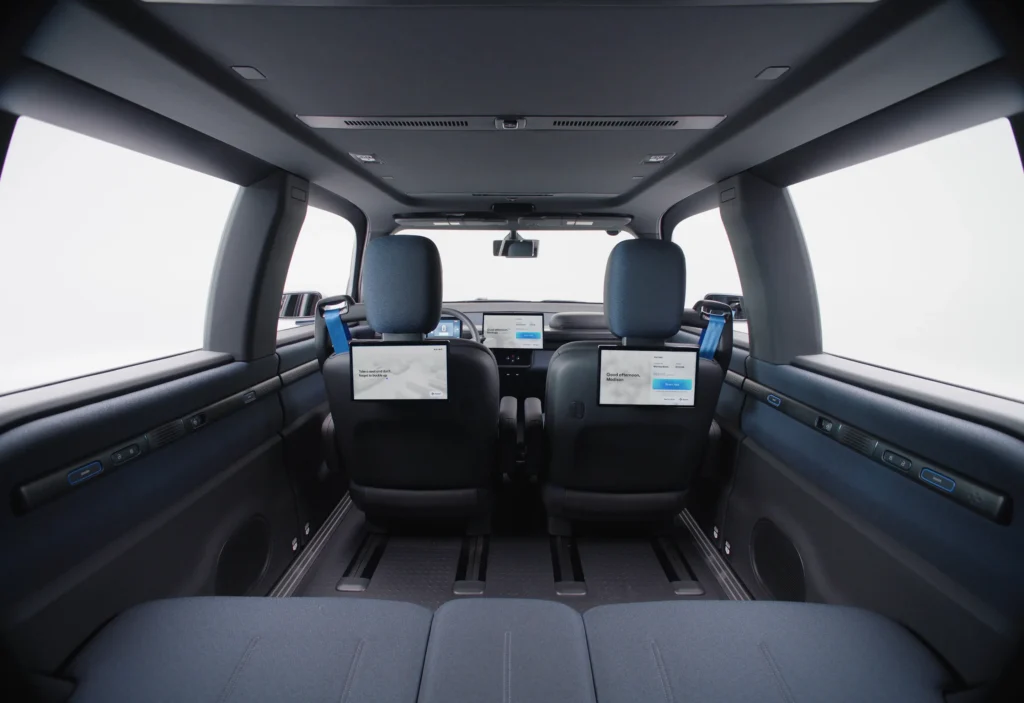
The vehicle is designed around passengers rather than the traditional requirements of a privately owned automobile. Large sliding doors, a low floor and three interior screens make it feel more like a small private lounge than a conventional taxi.
The important distinction is who makes the vehicle and who develops the technology that drives it.
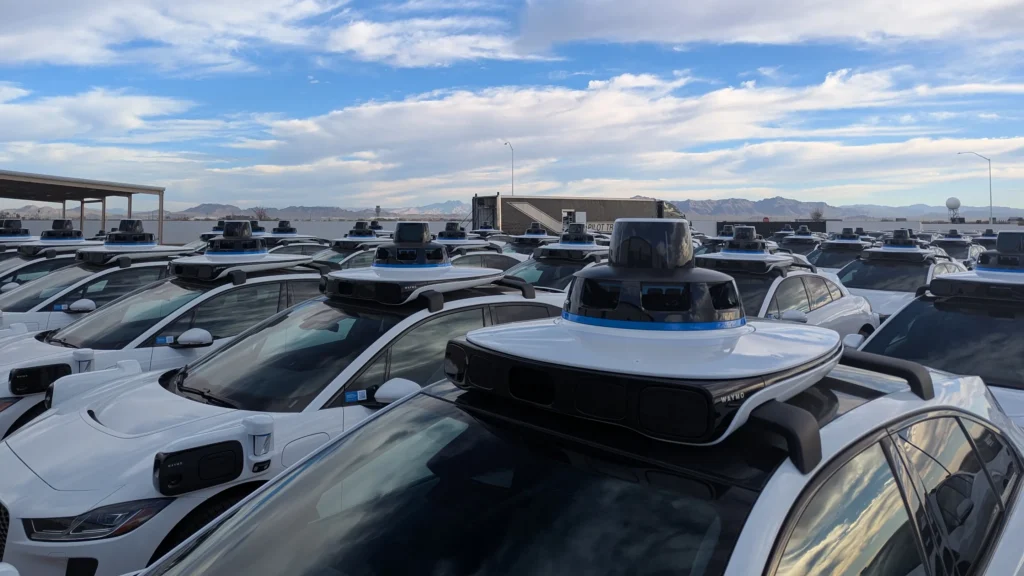
Waymo’s sixth-generation autonomous-driving system is developed by the American company. The equipment is integrated and validated at its Mesa, Arizona, facility, where Waymo works with Magna.
In May 2026, Waymo announced plans to introduce public riders to the Ojai. By September, the company identified Las Vegas, Denver and San Diego as markets moving toward majority-Ojai fleets.
That means Chinese-manufactured vehicles are participating directly in the American autonomous transportation market, even though most Chinese automakers cannot compete in US dealerships on comparable terms.
You may also enjoy: Robotaxis in 2026: Are We Ready for Driverless Cities?
Why a Chinese Vehicle Can Enter America
The key misunderstanding is that Chinese vehicles are subject to one blanket American ban. They aren’t.
Trade restrictions, customs requirements, automotive safety standards and national security regulations operate under different legal authorities.
The Harmonized Tariff Schedule governs import duty classifications. High tariffs can make a vehicle commercially unattractive without necessarily making its import illegal.
The vehicle import requirements administered by US Customs and Border Protection also address compliance with federal safety and environmental regulations.
Then there is the Commerce Department’s connected-vehicle rule.
Finalized in January 2025, it places restrictions on certain connected-vehicle software, hardware and vehicles linked to China or Russia.
The Commerce Department rule establishes different implementation dates. Covered software and certain manufacturer-related restrictions apply beginning with model year 2027. Additional connectivity hardware restrictions generally begin with model year 2030.
Those distinctions are extremely important when evaluating a robotaxi built in one country and equipped with its autonomous-driving technology in another.
None of this establishes that Waymo has violated or circumvented a federal prohibition. Its compliance cannot be determined merely by looking at where the vehicle’s body was manufactured.
You may also enjoy: Should America Permanently Ban Chinese Cars?
Congress Is Looking at the Waymo Loophole
Federal lawmakers have proposed going further than the existing restrictions.
The Connected Vehicle Security Act of 2026, as reported by a Senate committee, would prohibit certain connected vehicles manufactured in covered countries from entering the American market beginning January 1, 2027.
Crucially, the proposed language would address vehicles even when restricted software or hardware had been removed or was intended to be installed after importation.
The legislation would also address renamed, rebranded or modified vehicles where those changes were intended to circumvent the restrictions.
The proposed legislation is not currently the law. It remains subject to the legislative process.
But its significance is clear. Washington is considering whether the manufacturing origin of a connected vehicle should independently trigger restrictions, regardless of where its driving technology comes from.
That’s a materially different approach from concentrating primarily on particular software and communications components.
You may also enjoy: Robotaxi Privacy: What Waymo and Tesla Record
Does a Chinese Robotaxi Threaten American Data?
There is an understandable concern about what connected vehicles can see, record and transmit.
An autonomous vehicle uses cameras, sensors, location systems and communications equipment to navigate. That information can be sensitive, particularly when vehicles operate near critical infrastructure or collect data about passengers.
Waymo says it controls its autonomous-driving technology and has published policies describing how its systems collect and protect personal information.
That does not automatically prove that every component presents no risk. Equally, Chinese manufacturing origin alone is not evidence of unauthorized surveillance or data transfer.
The right questions involve the entire technical architecture. Which company controls the communications hardware? Which systems can receive software updates? Who has access to vehicle diagnostics? And what independent testing establishes that appropriate security boundaries exist?
Those questions matter just as much as the logo on the vehicle.
The Commerce Department’s authorization procedures also demonstrate that the current regulatory framework recognizes distinctions between different transactions and their risks.
You may also enjoy: Tesla Robotaxis Are Moving Far Slower Than Musk Promised
Why This Matters to American Automakers
There is another aspect to this controversy that deserves attention: manufacturing competition.
American companies can develop remarkable autonomous-driving software, but they still need physical vehicles. Producing those vehicles at scale requires factories, suppliers, batteries, engineering and substantial investment.
Chinese automakers have invested heavily in precisely those capabilities.
Waymo’s choice of a Chinese-built platform demonstrates the commercial attraction of separating vehicle production from autonomous-driving development.
But it also raises the question of where the manufacturing jobs and vehicle-production investment will be located.
Waymo is not relying exclusively on Chinese-built vehicles. It also has a relationship with Hyundai to develop robotaxis using the IONIQ 5, with production associated with Hyundai’s Georgia manufacturing operation.
That comparison makes the economic question particularly interesting. Different manufacturing partnerships can support the same American autonomous-driving service, but distribute investment and employment differently.
You may also enjoy: Hyundai Waymo Robotaxi: The Factory Is the Advantage
Could the Rules Change the Cost of a Robotaxi Ride?
If future legislation restricts Chinese-manufactured platforms more broadly, autonomous fleet operators may need to adjust suppliers, production arrangements or deployment schedules.
That could increase costs, especially for companies that have already committed to particular vehicle designs.
Alternatively, it could encourage more domestic manufacturing and create additional opportunities for US-based automotive suppliers.
Neither outcome is automatic. The eventual effect will depend on the law’s final wording, the economics of replacement vehicles and how quickly manufacturers can scale production.
There is also a safety consideration. Changing vehicle platforms means validating another installation of the autonomous-driving system, rather than assuming equipment will behave identically in a different car.
The National Highway Traffic Safety Administration has been developing a framework for autonomous-vehicle deployment while retaining federal safety oversight.
For passengers, all this regulatory complexity may eventually affect where robotaxis operate, how quickly fleets expand and how much rides cost.
Shopping note: For readers protecting the interior of their own vehicles, all-weather floor mats are one practical accessory worth considering. Shop OEDRO directly or Shop OEDRO on Amazon. Use code NIKM20 at the OEDRO official store. Confirm vehicle fitment and offer terms before buying. Test Miles may earn a commission from purchases made through these affiliate links.
The Chinese-Car Question America Hasn’t Settled
What interests me most about the Waymo story is the distinction between owning a car and using the same kind of vehicle as transportation.
An American consumer faces substantial barriers when attempting to purchase a Chinese-branded electric vehicle, yet can already encounter Chinese-manufactured vehicles in driverless transportation fleets.
That doesn’t make Waymo’s arrangement illegal. Nor does it establish a security problem.
It does expose how differently America treats vehicle origin, software control, commercial operations and private ownership.
And that distinction could become increasingly important as autonomous fleets grow.
The question for Washington is whether current safeguards address the actual risks or whether the country needs broader restrictions on the vehicles themselves.
For American consumers, there is a simpler question: If a Chinese-built car is acceptable as a robotaxi, under what circumstances should Americans be allowed to buy one?
That is a debate worth having before the driverless car becomes an ordinary part of American transportation.