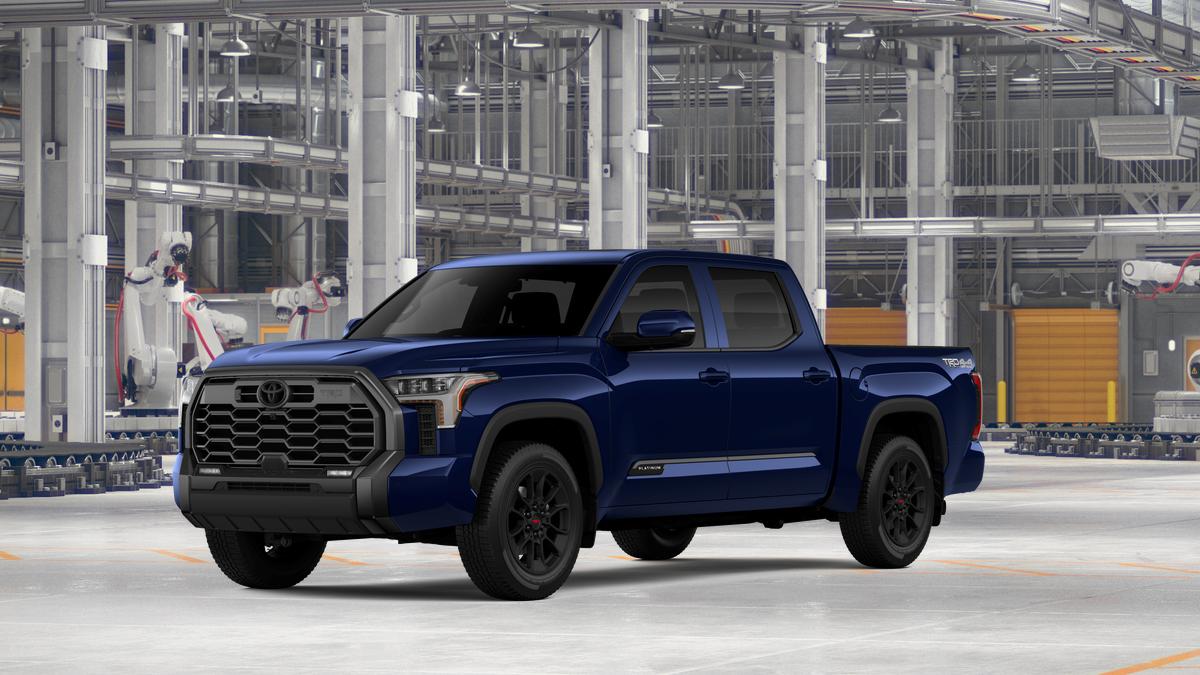
America’s $50,000 Car Problem: Higher Prices, Fewer Buyers
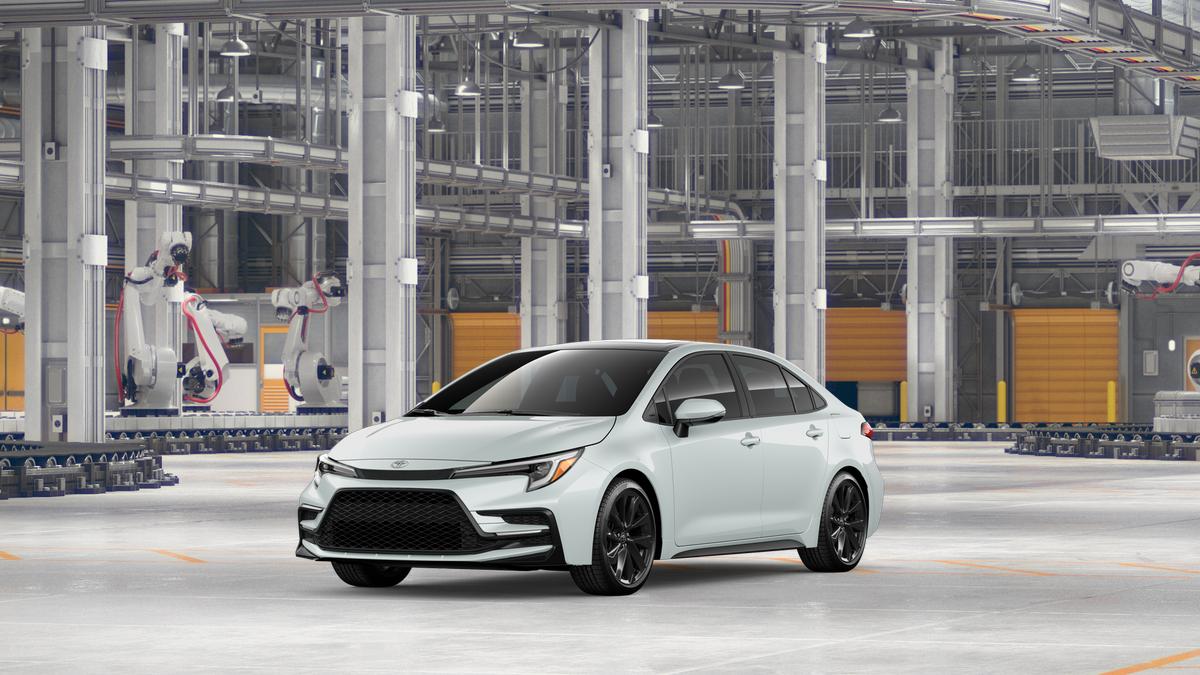
America has a $50,000 new-car problem. The average price paid for a new vehicle is flirting with an all-time high, shoppers are gravitating toward less expensive models, and the industry’s September selling pace is weaker than it was a year ago. The uncomfortable question is whether automakers have become better at selling costly vehicles than at attracting the people who once bought affordable ones.
The latest Kelley Blue Book transaction-price report, released October 13, puts the September 2026 average at $50,562. That is just $52 below the record set in December 2025. It represents the fourth consecutive monthly increase, although the average is only 0.7% higher than it was a year earlier. These are actual transaction prices, not simply the numbers displayed on window stickers.
Meanwhile, the National Automobile Dealers Association puts September’s seasonally adjusted annual selling rate at 16.0 million vehicles, down 3.6% from September 2025. The year-to-date selling rate is 1.9% lower. Those figures measure the pace of sales, not a literal 3.6% drop in the number of cars sold that month, and comparisons are distorted by last year’s expiring EV tax incentives and the timing of Labor Day.
You may also like this Video:
Buyers are trading down, but prices are not following
There is a strange split in the market. Buyers increasingly favor compact cars, subcompact SUVs and smaller pickups. That shift is holding down the industry-wide price increase, yet several of the vehicles consumers are turning toward are getting more expensive themselves.
Kelley Blue Book reports that the average compact car sold for $27,977 in September, 3.2% above a year earlier. A subcompact SUV averaged $31,213, up 1.5%. A midsize SUV averaged $50,630, while a full-size pickup reached $67,573. A consumer switching from a large SUV to a small car may save a considerable sum, but choosing a cheaper class of vehicle does not mean that class is becoming cheaper.
Erin Keating, executive analyst at Cox Automotive, points out that buyers do not purchase an industry average. They purchase one particular model. The mix of vehicles sold is holding the overall increase down even while price tags on many individual products continue to climb.
This is the part of the story that ought to worry manufacturers. People are still buying new cars, but more of them have to compromise on size, equipment or even whether to buy new at all. Test Miles previously examined the shoppers missing from the market in One Million New Car Buyers Just Vanished. The September price report gives that broader affordability debate a fresh and measurable twist.
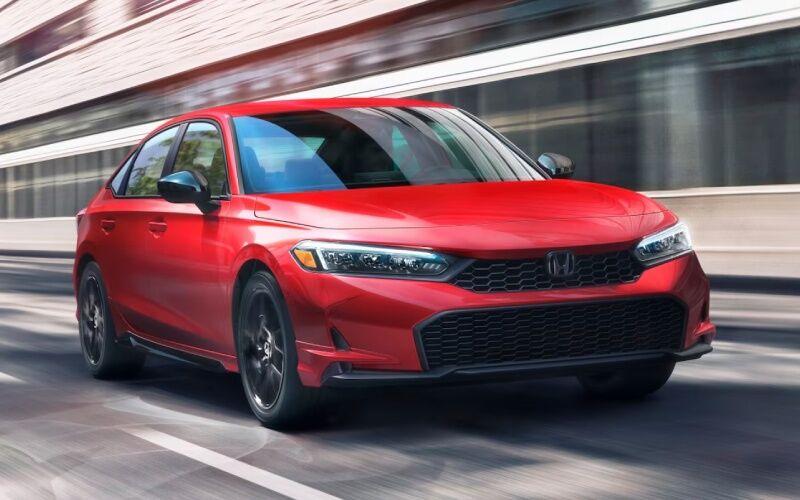
Are dealer lots overflowing? Not according to the latest inventory data
It is tempting to picture overflowing dealerships and a public refusing to buy. The national inventory figures, however, do not support that neat story. In its August inventory report, Cox Automotive counted 2.68 million new vehicles available, down from 2.73 million in July. That represented 73 days of supply, down from 77 days in July.
That does not mean every dealer has an easy time selling cars. Inventory differs substantially between brands and vehicle types. Toyota had just 33 days of supply at the end of August, while some Stellantis brands and Buick and Lincoln were carrying far more. Affordable inventory was especially constrained. The reality is not simply too many cars; it is a mismatch between what is available, what it costs and what buyers can manage.
And it is not just new vehicles. Cox Automotive’s used-vehicle report puts the average used listing price at $27,239 in August, 7% higher than a year earlier. A used car remains an alternative to a $50,000 new one, but used-car shopping is hardly an automatic escape from rising prices.
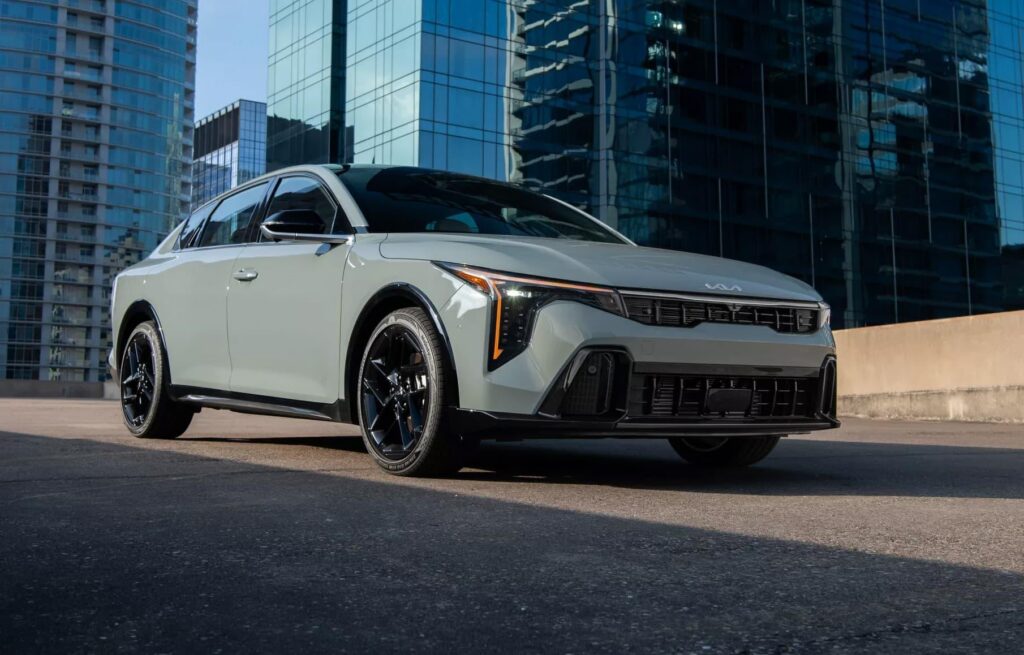
Even Toyota is feeling pressure, though it is not losing money
It would be inaccurate to say that Toyota lost $1.2 billion last year. The company remained highly profitable. According to Toyota’s fiscal 2026 financial statement filed with the SEC, net income attributable to the company was 3.848 trillion yen, roughly $25 billion at the exchange rate reported when the results were announced. That was down 19.2% from the prior fiscal year.
Revenue increased 5.5%, and global consolidated vehicle sales increased 2.5%, yet operating income fell 21.5%. Toyota attributed a negative impact of 1.38 trillion yen on operating income to U.S. tariffs. It is an important distinction: strong sales and higher revenue do not guarantee improving profits, and shrinking profits are not the same as a financial loss.
Toyota is also a useful warning against assuming that all manufacturers are suffering because customers have disappeared. It sold more vehicles globally during its last fiscal year. The pressure came from costs and trade policy as well as the price consumers were willing to pay. That is more complicated than a simple tale of empty showrooms, but it is precisely why the next few years matter.
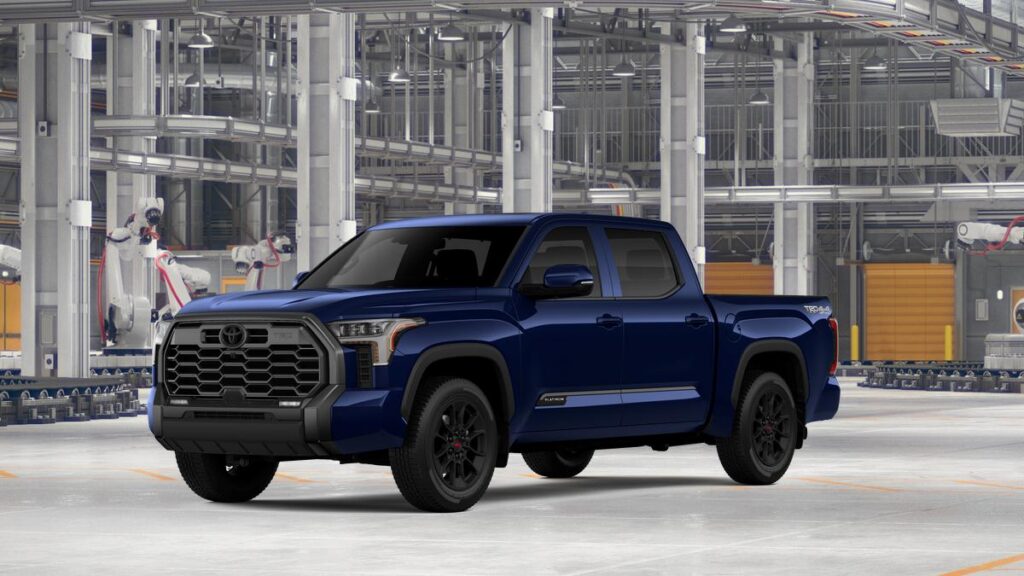
The price on the windshield is only the beginning
At $50,562, a typical new-vehicle purchase is a significant household commitment before financing charges, insurance, registration, maintenance or fuel enter the calculation. Stretching a loan over more months can make the payment look more comfortable while increasing total interest costs. A generous trade-in allowance can help, but it does not make the vehicle itself any less expensive.
Automakers are trying to soften the blow. Kelley Blue Book estimates average manufacturer incentives at $3,359 in September, equivalent to 6.6% of transaction prices. That is real money, but it is not enough to transform a $50,000 purchase into an affordable starter car.
For buyers comparing alternatives, our guide to long-lasting affordable cars explores a different way to judge value. Recent Test Miles reviews of the 2026 Subaru Forester and Toyota Grand Highlander likewise examine whether the trim and powertrain upgrades buyers are offered justify their cost. Saving money can be as much about what you leave off the options list as what you put on it.
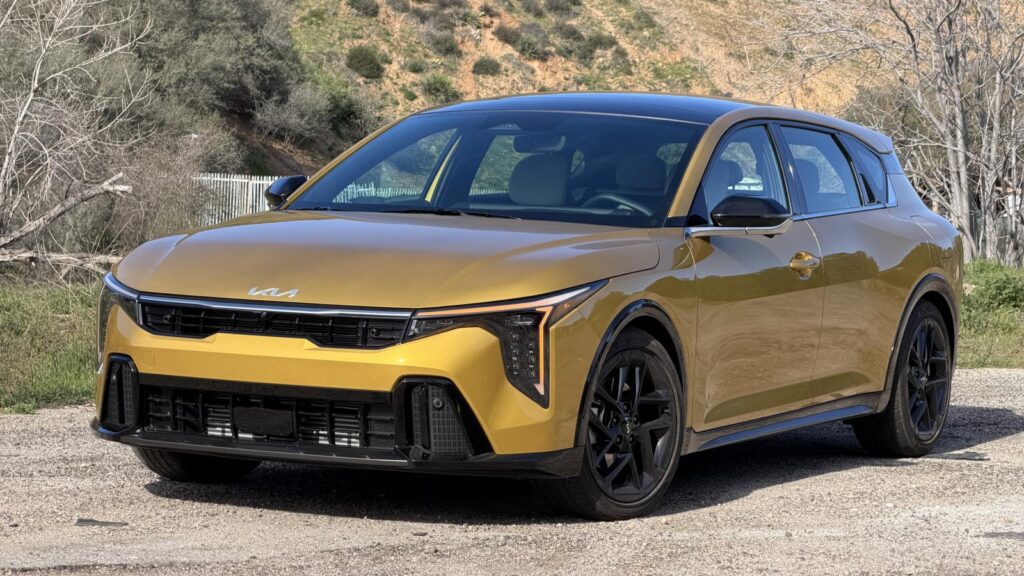
What happens when the next generation cannot get in?
The greatest long-term risk may not show up in this quarter’s earnings. If a first-time buyer cannot afford a new car, that person may buy used, keep an aging vehicle longer or avoid a purchase. That is not necessarily a lost customer forever, but it can mean a delayed relationship with a new-car brand and a smaller pool of future trade-ins and repeat buyers.
Not every automaker should respond by cutting prices across its lineup. Factories, labor, materials, tariffs, technology investment and safety requirements impose real costs. And September’s softer selling rate alone does not prove that price increases caused the decline. The year-over-year sales comparisons have important quirks.
Still, the combined picture deserves scrutiny. The new-car average is barely below a record. Lower-priced segments are drawing interest, but their prices are rising too. Used vehicles are not the bargain they once were. Meanwhile, even a giant as profitable as Toyota can watch costs erode its earnings.
The industry’s challenge is no longer simply persuading customers that a new car is worth $50,000. It is finding enough customers who have $50,000, or who can comfortably finance it, in the first place.
The question for Detroit, Japan, Korea and Europe is straightforward: How many increasingly expensive cars can you sell before the people who need them decide they cannot afford one?