VW ID. Tiguan: Has Volkswagen Finally Listened?
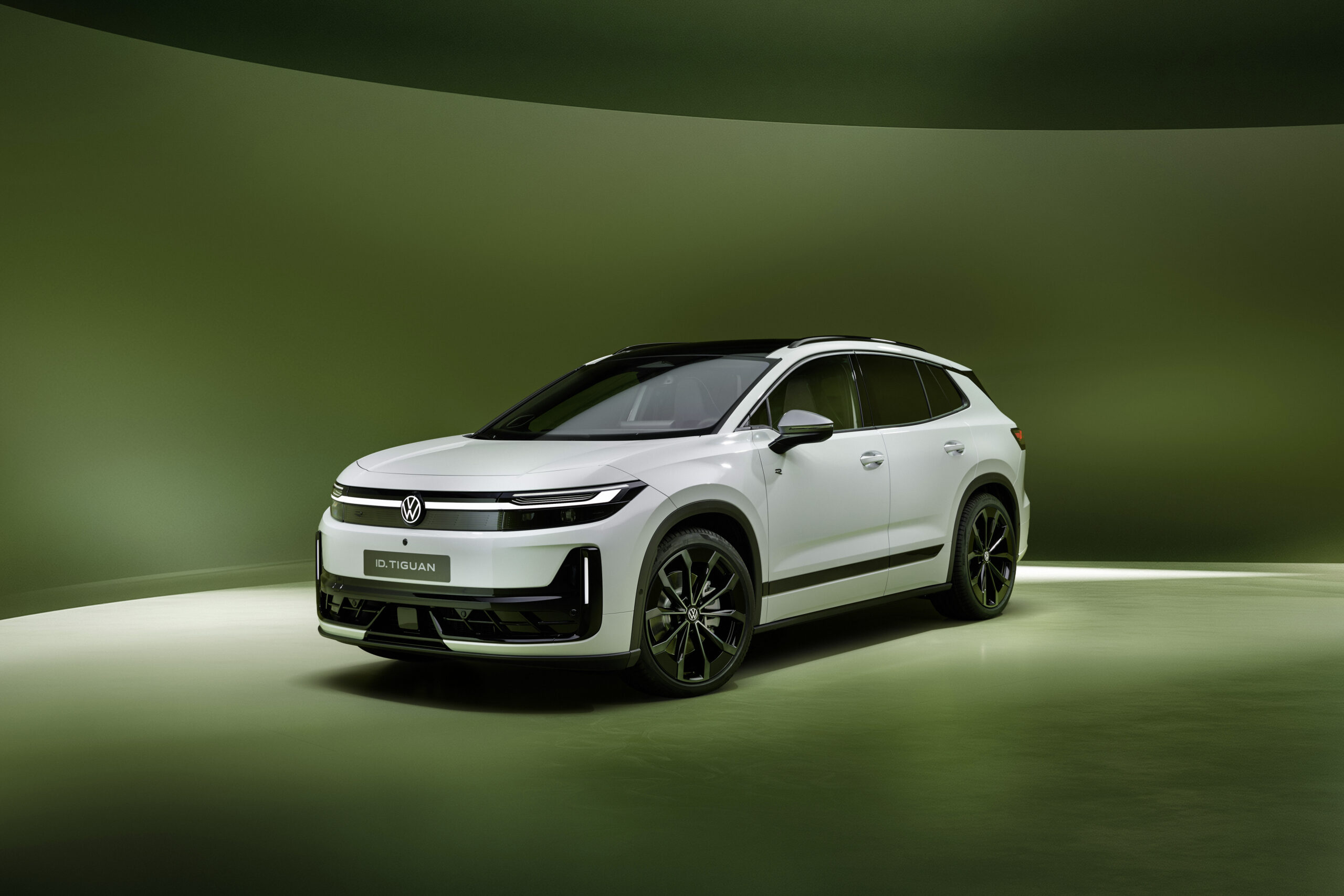
The VW ID. Tiguan replaces the ID.4 with physical buttons, familiar SUV styling and up to 373 miles of claimed European range.
Someone at Volkswagen appears to have discovered that drivers occasionally want to change the temperature without conducting a small computer science experiment. The new electric Tiguan has physical climate controls, proper steering-wheel buttons and traditional door handles. Those details might sound modest for a vehicle making its world premiere, but they could be among its most important improvements.
The VW ID. Tiguan was revealed on October 9, 2026, and is intended to replace the ID.4 and ID.5 in Europe during early 2027. VW is also bringing the successful Tiguan name into its electric portfolio, hoping familiarity will make the transition easier for customers. The interesting question is whether this SUV corrects the frustrations that made some earlier electric Volkswagens less intuitive than they needed to be.
You may also enjoy this video:
VW ID. Tiguan Brings Back Common Sense
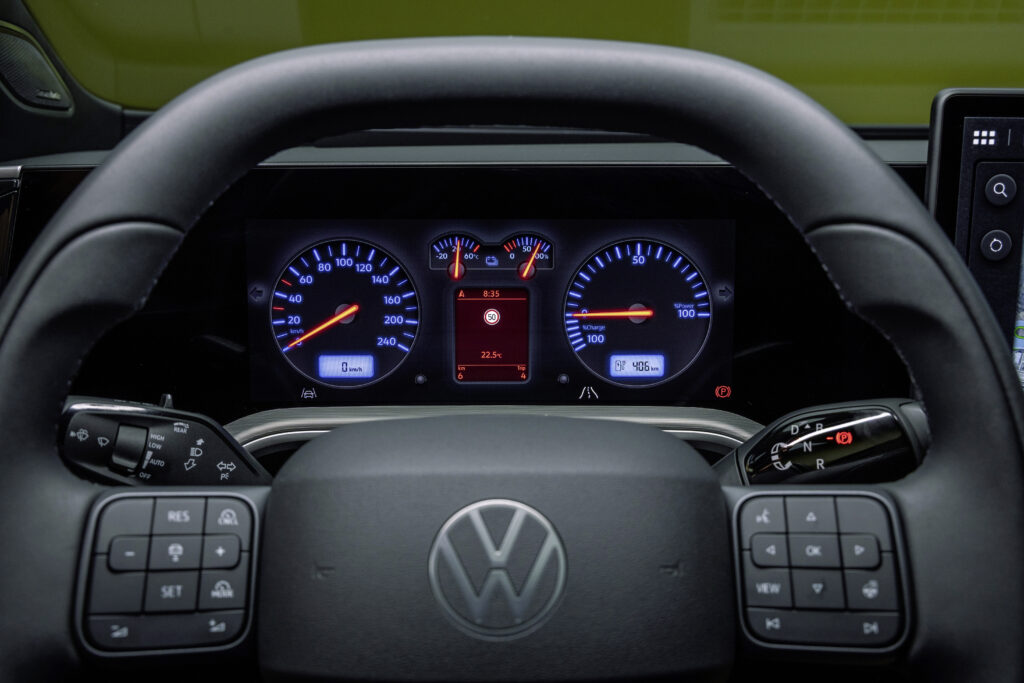
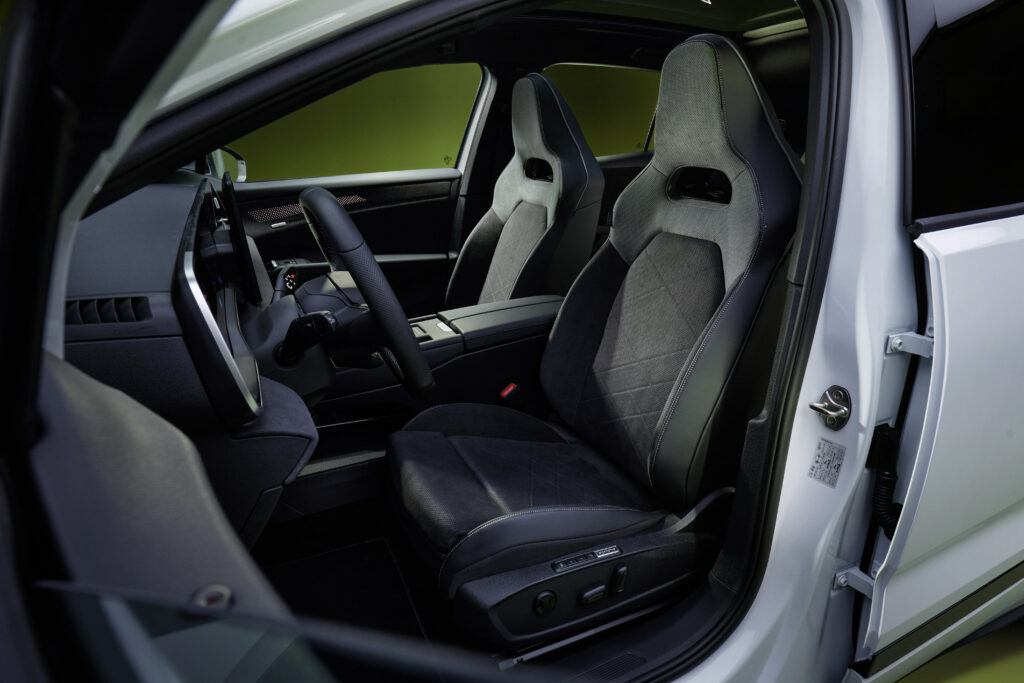
Look past the 15-inch touchscreen and you’ll find a thoughtful reversal in VW’s interior design. The climate system gains physical buttons, the steering wheel abandons touch-sensitive controls and a center-console controller handles audio adjustments. Separate switches also return for all four electric windows.
VW says these decisions respond to customer requests. That matters because a vehicle’s interface should become easier with familiarity, rather than making ordinary functions depend on remembering which menu contains them. A useful test will be whether occupants can adjust temperature, volume and ventilation without repeatedly looking away from the road.
In an earlier Test Miles examination of Hyundai physical buttons and cabin usability, we explored why tangible controls need sensible placement as well as a recognizable function. The same standard applies here. VW deserves credit for changing direction, but the actual controls still need an evaluation in the production vehicle.
You may also enjoy: Hyundai Physical Buttons: What Buyers Should Test
Three Screens, but Who Actually Benefits?
The dashboard offers a 10-inch driver display and a large central touchscreen. Buyers can also specify a 12-inch passenger screen, allowing someone in the front seat to access entertainment, information and games. VW says its privacy mode conceals the passenger display from the driver’s view while allowing private audio through Bluetooth headphones.
It’s a reasonable approach, although another display isn’t automatically more useful than a good storage compartment or easy-to-operate controls. The optional screen makes sense for regular long-distance travel with a passenger. Someone usually commuting alone might spend the money more wisely elsewhere.
That distinction also matters for driver-assistance technologies, since a modern cockpit can contain helpful functions alongside potential distractions. The arrangement and visibility of screens deserve attention during a stationary showroom demonstration.
A New SUV Shape With Familiar Details
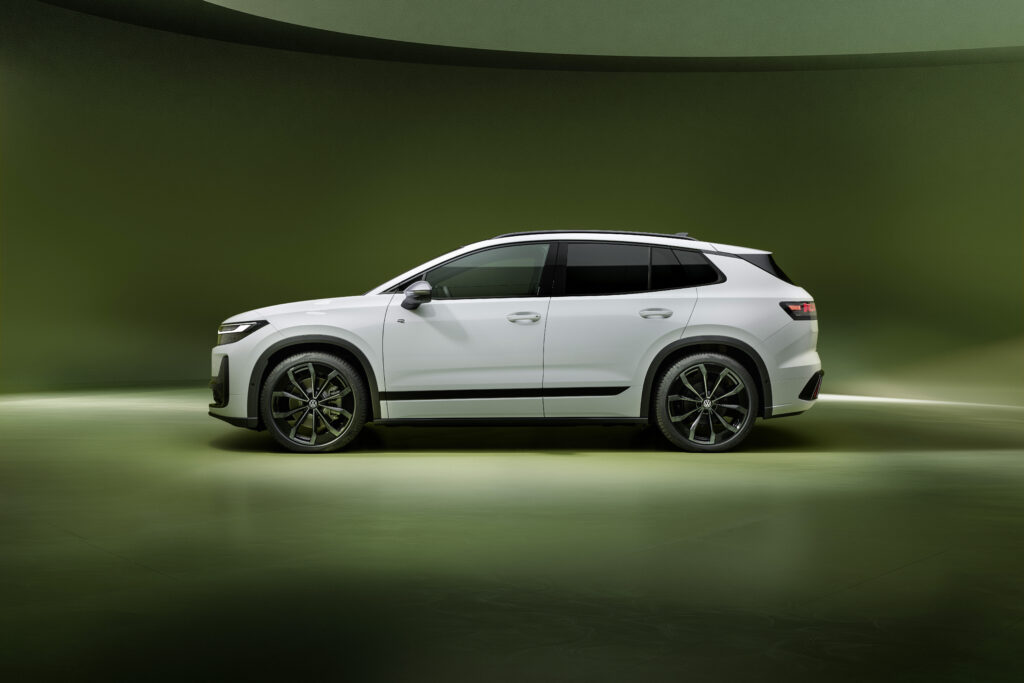
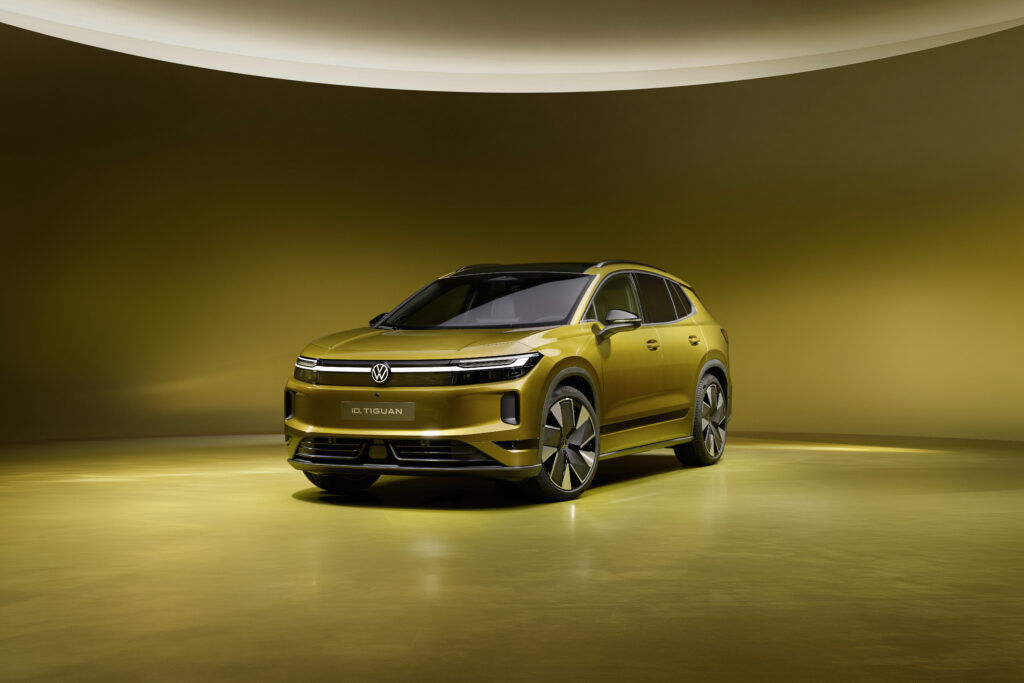
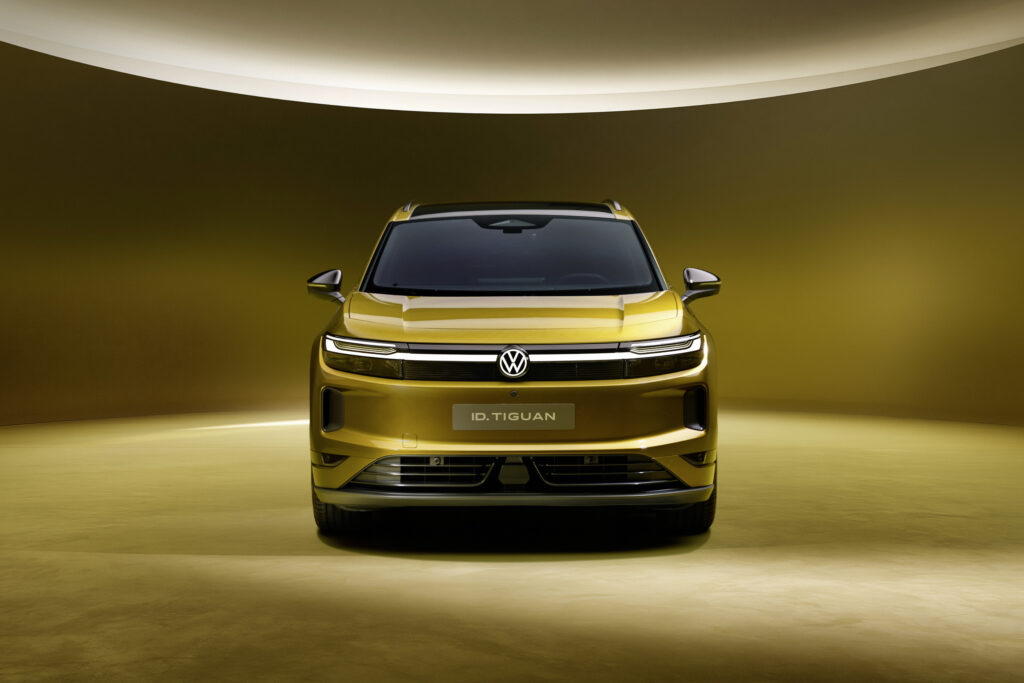
The previous ID.4 established itself as a smooth-looking electric crossover. Its replacement adopts a more substantial SUV appearance, with stronger shoulders, sharper surfaces and conventional pull-style door handles. VW says the new design draws from its Pure Positive philosophy, but the important result may simply be that shoppers immediately recognize it as a Tiguan.
The regular gasoline and hybrid Tiguan will continue alongside the electric model in Europe. That creates two vehicles using a familiar name but offering different powertrains, rather than treating electric customers as an entirely separate audience.
Our 2026 Volkswagen Tiguan review examined the compromises involved in choosing a highly equipped gasoline SUV. Buyers comparing these vehicles should focus on their actual driving requirements and total cost, not simply assume electricity makes one option preferable.
You may also enjoy: 2026 Volkswagen Tiguan Review: Is the Turbo Worth $43,085?
Three Powertrains and a Bigger Mission
VW has announced three European configurations. The 58-kWh rear-wheel-drive version produces approximately 188 horsepower, while the 77-kWh rear-drive model increases output to about 282 horsepower. The 77-kWh 4MOTION all-wheel-drive version delivers roughly 295 horsepower.
The headline range of 600 kilometers translates to approximately 373 miles, but that’s a preliminary European WLTP figure for the most favorable configuration. It would be misleading to promote that number as an American EPA rating. The EPA range estimates familiar to U.S. shoppers use a different testing procedure.
Range is also affected by speed, terrain and weather. The Department of Energy’s guidance on cold-weather EV driving explains why battery temperature and cabin heating deserve consideration. Buyers living where winter is a serious event should keep those factors in mind.
The real surprise is towing. VW quotes up to approximately 4,409 pounds for models using the larger battery. That’s useful on paper, but towing consumes additional energy, and VW hasn’t provided independently tested range figures with a loaded trailer.
You may also enjoy: 2026 Ford Mustang Mach-E Review: Still Ford’s EV Star
Family Practicality Beyond the Screens
The electric Tiguan accommodates five passengers, with up to 534 liters of luggage space behind the rear seats and another 32 liters in the front compartment. For families carrying shopping, school bags and dog equipment, the front compartment could help keep charging accessories and smaller belongings separate from the main load.
What needs checking is the actual shape of the luggage area. Liters alone won’t tell you whether a dog crate fits securely, how easily a stroller loads or whether the rear seats offer sufficient room for a growing family. This is where a proper vehicle demonstration matters more than any launch photograph.
VW also offers a Digital Key and vehicle-to-load functionality through a PowerSocket adapter. The latter could power suitable outdoor equipment. Owners should check the adapter’s supported output and regional availability before treating it as a replacement for dedicated emergency power equipment.
The Department of Energy maintains a resource on public EV charging, which is particularly relevant because VW has not provided all the market-specific charging details buyers need for comparing road-trip convenience.
You may also enjoy: 2027 VW Atlas Review: Three Rows Done Properly
Driver Assistance Is Still Driver Assistance
The ID. Tiguan introduces standard one-pedal driving and an available Connected Travel Assist system that VW says can recognize red traffic lights and bring the vehicle to a stop within operating limits. Assisted highway lane changes are another available capability.
These features sound convenient, but the difference between assistance and automation matters. NHTSA’s explanation of driving automation makes clear that systems helping steer, brake or accelerate do not necessarily relieve drivers of responsibility.
I’d want to evaluate how predictably the vehicle slows, how clearly its assistance limitations are communicated and whether the controls remain understandable when circumstances change. None of those questions can be settled by a manufacturer’s specification sheet.
The Price and the American Question
European presales start October 13 at 42,695 euros in Germany, with Trend, Life, Style and R-Line equipment levels. Those are European market details, not American launch specifications. VW has yet to establish a confirmed U.S. launch date and price in the supplied announcement.
That distinction matters because the ID. Tiguan is planned for production in Emden, Germany. Import costs and market positioning could influence any eventual American offering. Our reporting on European vehicle tariffs and U.S. prices explains why manufacturing location can affect more than a window sticker.
You may also enjoy: Trump EU Car Tariffs Could Raise Luxury Car Prices
There are also important technical questions unanswered by this reveal, including final U.S.-specific charging performance, charging-port compatibility and detailed equipment availability. Until those figures are confirmed, an American buying recommendation would be premature.
The ID. Tiguan’s most encouraging changes aren’t its power output or the size of its screens. They’re the signs that VW is concentrating on the ordinary interactions owners repeat thousands of times. Its familiar design, real buttons and useful storage suggest a company paying closer attention to daily driving.
Now Volkswagen needs to demonstrate that those improvements work as promised and that the electric Tiguan makes financial and practical sense alongside the conventional model. For an EV attempting to reach beyond early adopters, that’s the test that matters.