Aston Martin EV Delay Pushes Electric Debut Past 2032
By Robert R Guio
The Aston Martin EV delay pushes its electric debut to 2033–2035, giving buyers more combustion choices while rivals gain EV experience.
The Aston Martin EV Delay Is Really About Timing
If you were waiting for a battery-electric Aston Martin before buying your next sports car, you can safely stop waiting. CEO Adrian Hallmark now puts the company’s first production EV in a 2033-to-2035 window, and he is deliberately refusing to promise which year inside that window.
That is a remarkable change from the plan Aston Martin described only a few years ago. In 2023, the company was targeting 2025 for the first vehicle on its dedicated battery-electric platform. The timetable subsequently moved to 2026 and then toward the end of this decade. Hallmark’s latest position is much simpler: “It could be 2035, it might be 2033.”
For buyers, that removes one piece of uncertainty. Aston Martin’s near-term showroom will remain centered on combustion engines and hybrids rather than a sudden switch to battery-electric vehicles. If you like the idea of an Aston with a V8 or V12, the company is telling you those engines are not about to disappear because an EV is waiting around the corner.
You may also enjoy: Aston Martin DBX GT Trades Drama for Quiet Luxury
Driving Valhalla Explains Why Aston Martin Can Wait
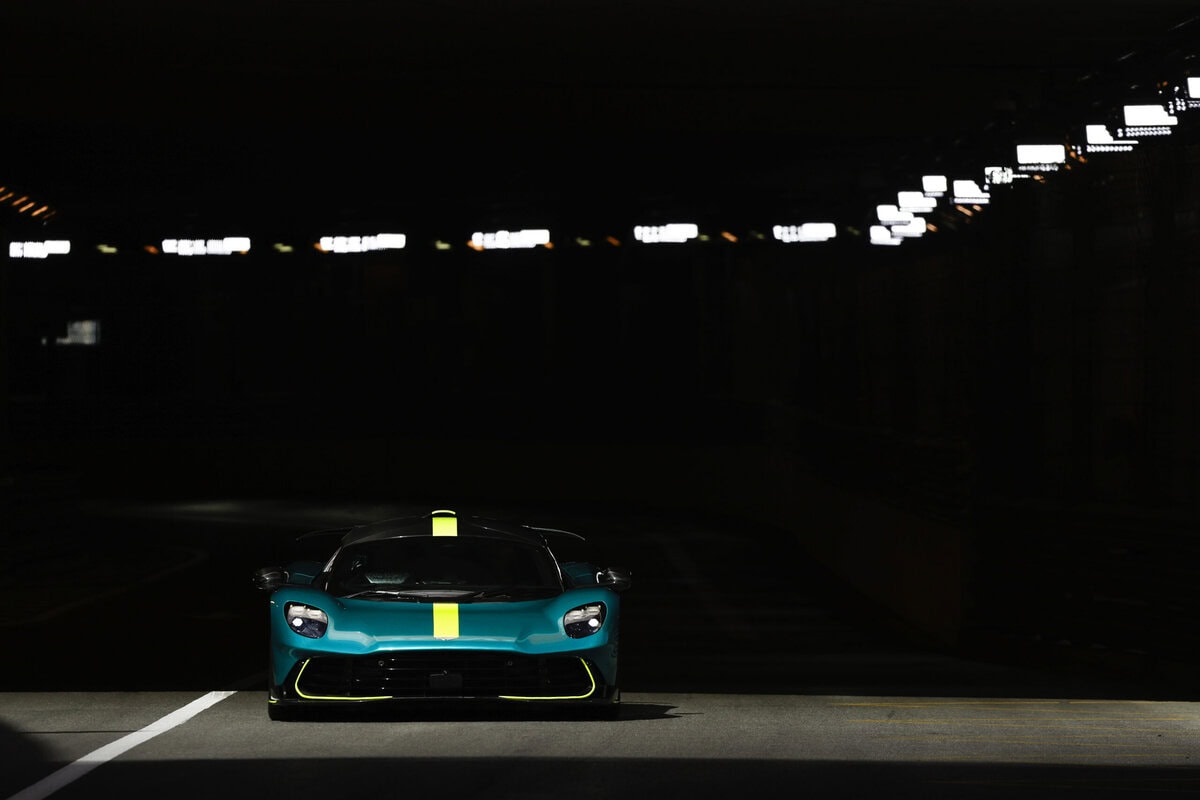
I have already driven Aston Martin’s Valhalla, and that experience matters here. The electrification in that car does not feel like a reluctant environmental add-on. Its electric motors help response, traction and the way the powertrain fills gaps that a combustion engine alone cannot. It is proof that Aston Martin can use electricity without sanding away the character that makes one of its cars special.
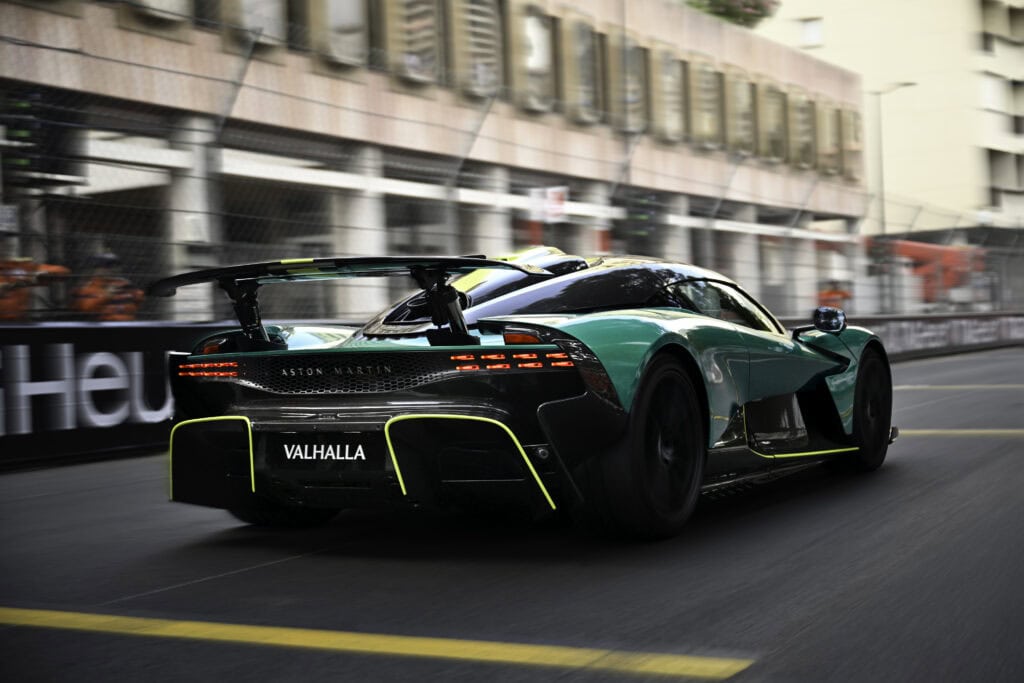
That makes the latest strategy more nuanced than “Aston Martin rejects EVs.” The company can keep learning through hybrids while postponing the much larger commitment required by a dedicated battery car. The U.S. Department of Energy explains why modern battery systems are fundamentally energy-storage devices whose chemistry and design keep evolving. Waiting several years can therefore mean buying into a newer generation of cells, motors and power electronics rather than freezing today’s technology into a future Aston.
You may also enjoy: Aston Martin Valhalla Review: 1,064 HP Hybrid Supercar
There Is a Cost to Arriving Late
The buyer benefit of delay is obvious: Aston Martin avoids forcing an electric car into the market before its customers appear ready. The downside is less comfortable. Other luxury manufacturers get more years to learn how affluent EV owners charge, travel, service their cars and judge refinement. That knowledge is not theoretical. It comes from vehicles in customer hands.

Electric cars also bring characteristics that suit a luxury performance brand. The EPA notes that EVs produce no tailpipe emissions, while electric motors can deliver immediate response with far fewer mechanical steps between the accelerator and the wheels. None of that guarantees an electric Aston will feel desirable, but it does mean the technology itself is not the obvious obstacle.
You may also enjoy: Why Ferrari’s $640K EV Luce Has Everyone Arguing
Policy Is Moving, and Lucid Buys Aston Martin Time
Hallmark’s caution makes more sense when you look at policy. The United Kingdom has begun a fresh review of its Zero Emission Vehicle mandate while continuing to target fully zero-emission new-car sales by 2035. In Europe, the existing CO2 standards for cars still point toward a 2035 fleet target, even as policymakers consider additional flexibility.
That matters enormously to Aston Martin because it is not Toyota, Ford or Volkswagen. A low-volume ultra-luxury manufacturer cannot spread a costly new platform across millions of vehicles. If regulations move, demand moves and battery technology moves at the same time, delaying a capital-intensive program can be rational rather than timid.
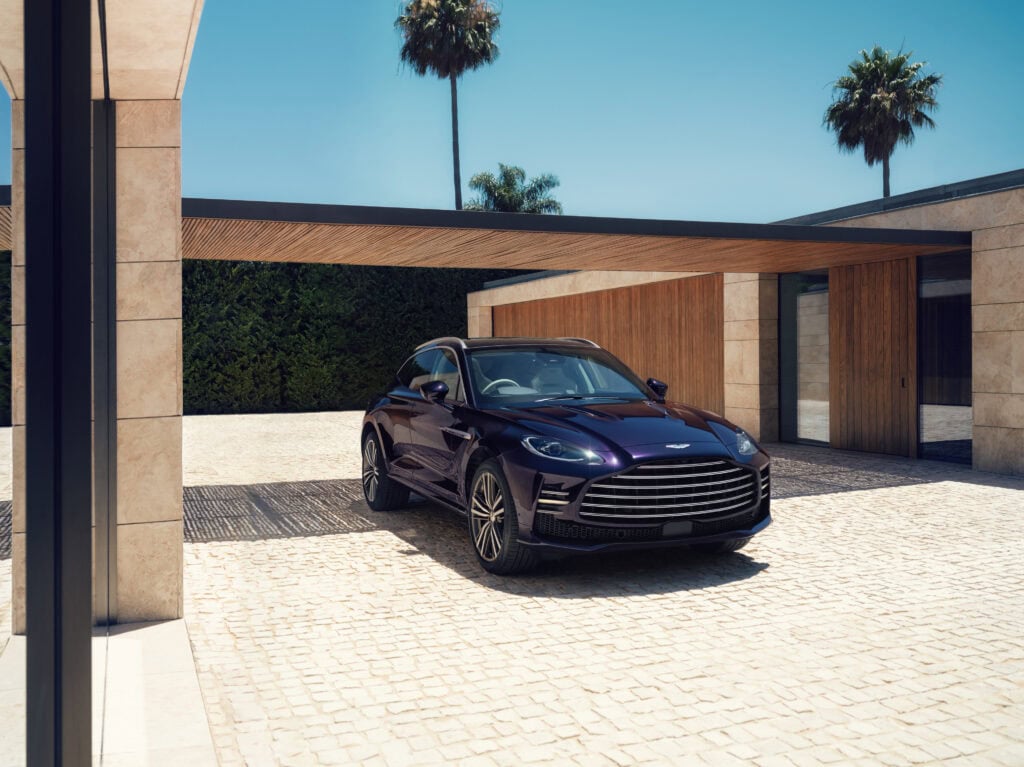
The other reason Aston Martin can postpone its EV without starting from zero is its technology agreement with Lucid. That relationship was created to provide access to electric motors, batteries and related hardware for Aston Martin’s future platform. Hallmark’s argument is that activating the partnership later may give Aston access to newer technology than the hardware envisioned when the deal was signed.
That is a sensible advantage, but it should not be confused with a free pass. A supplier can provide excellent hardware, yet software calibration, packaging, thermal management and brand-specific driving character still have to be mastered by the company putting its badge on the nose.
You may also enjoy: Lucid to Launch Two New Luxury Crossovers Under $50,000
What Aston Martin Buyers Should Do Now
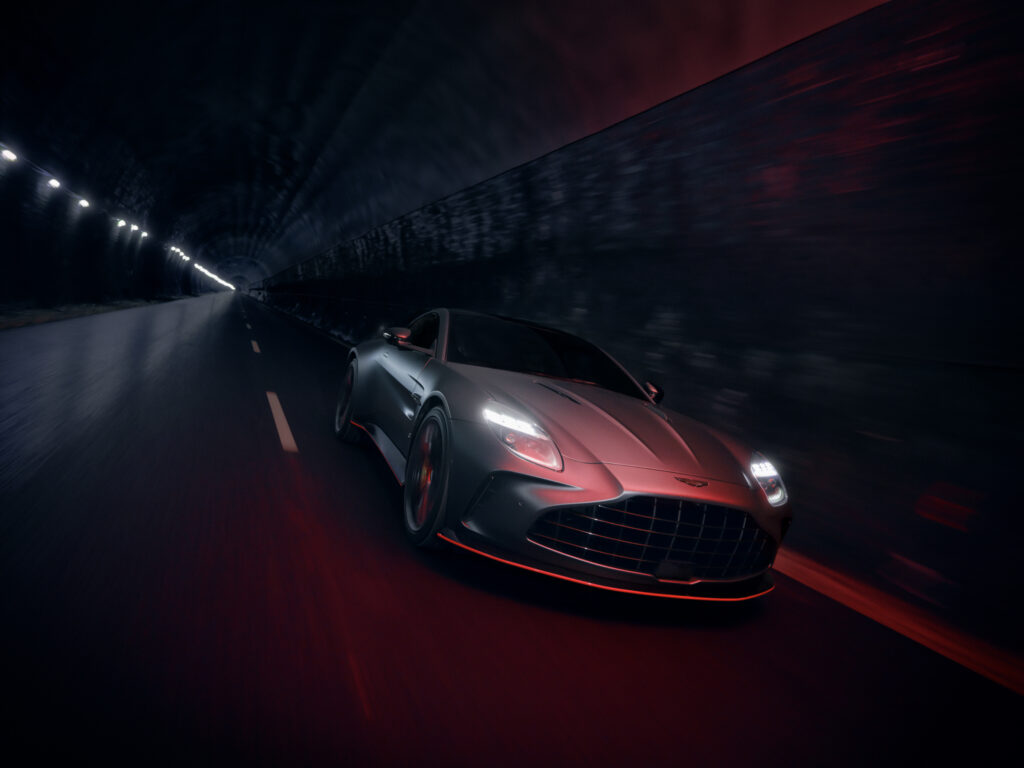
I would not delay an Aston Martin purchase because you are expecting an electric replacement soon. Hallmark says the company has a plan to keep its V8 and V12 engines compliant into the middle of the next decade, and the current product cadence supports that direction. The newest DBX GT, the V12 Valen and the hybrid Valhalla all point to a company exploring several forms of performance rather than converging on one powertrain.
You may also enjoy: Aston Martin Valen Delivers 838 HP With No Hybrid Help
There is also no reason to treat this as evidence that EVs have failed. Aston Martin is choosing when to use electric technology, not pretending it does not exist. That distinction matters because a delayed product can still become a compelling one if the company uses the extra time well.
The Aston Martin EV delay therefore gives shoppers clarity today and gives the company flexibility tomorrow. The gamble is that 2033 will not look like an embarrassingly late arrival. If Aston Martin uses the extra years to deliver an electric car with the same emotional pull as its best combustion models, nobody will care that it was late. If it merely arrives because legislation finally leaves no alternative, buyers will notice the difference.