Could a Four-Door Mustang Change Ford’s Playbook?
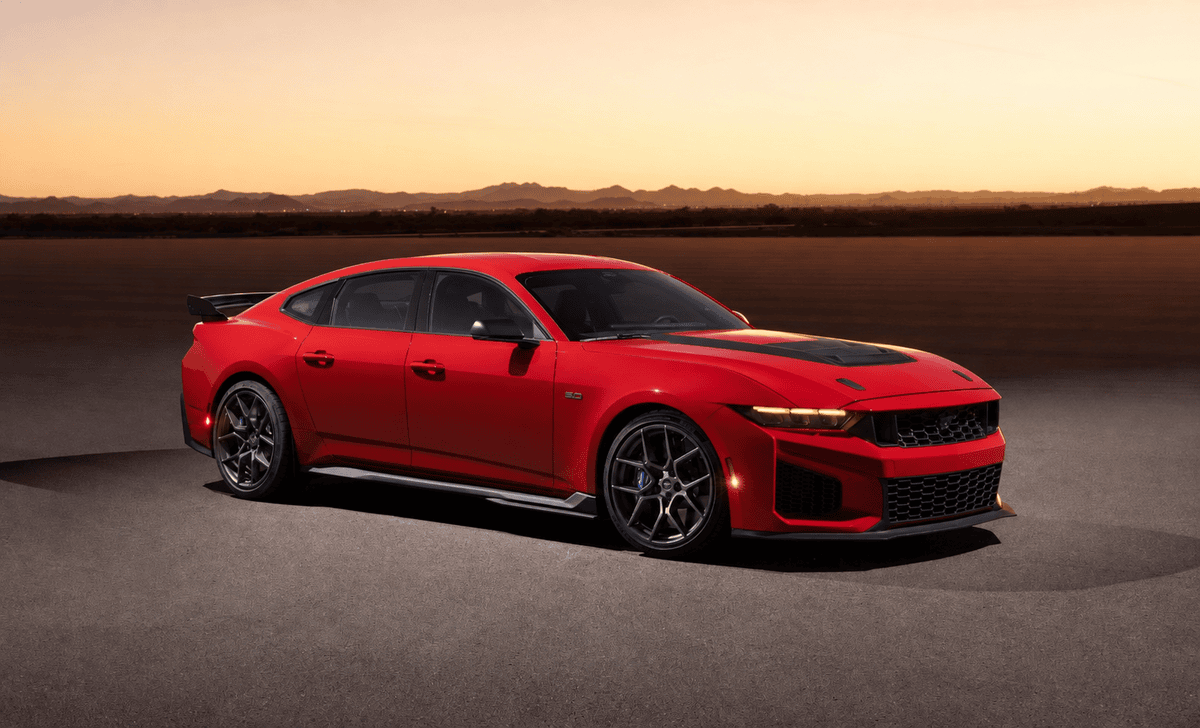
A four-door Mustang and Bronco pickup could extend Ford’s biggest names, but buyers should separate dealer previews from real products.
Ford may be preparing two vehicles designed to win the argument before anyone studies the specifications. One would add rear doors to the gasoline-powered Mustang. The other would turn Bronco into a pickup aimed at the Jeep Gladiator. Famous badges guarantee attention, but neither reported project has earned a place on a shopping list.
The Wall Street Journal says dealers saw a four-door Mustang concept, and Automotive News reports a Bronco truck is in development for around 2030. Ford has publicly confirmed neither vehicle. That leaves an unusually useful question for shoppers: What would these machines have to prove beyond the names on their grilles?
Why a four-door Mustang Makes Business Sense
The business case begins with reach. A conventional Mustang asks buyers to accept two doors, limited rear access and a sports-car shape. A four-door Mustang could keep the long hood and rear-drive proportions while appealing to people who carry children, colleagues or parents. Porsche’s Panamera shows that extra doors do not automatically cancel performance credibility, although a Ford would need a very different price.
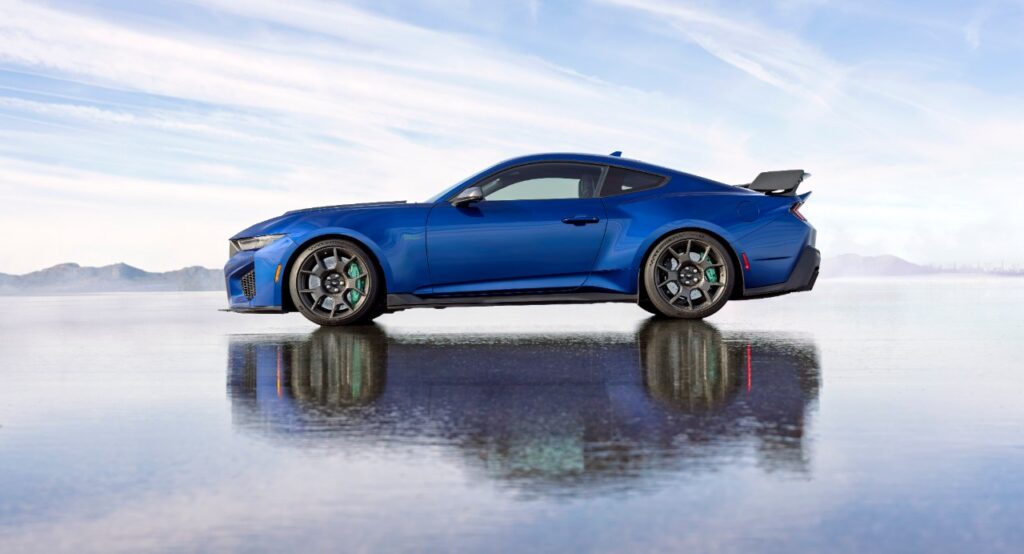
The Wall Street Journal describes a car with a current-Mustang resemblance and a possible arrival before the decade ends. Road & Track’s account of the dealer presentation includes a reported starting target below $40,000. A hybrid powertrain has also been discussed, possibly paired with a V8. Every one of those details remains a planning target, not a promise on a window sticker.
You may also enjoy: Ford Mustang Dark Horse SC Convertible Wields Unbridled 795 HP
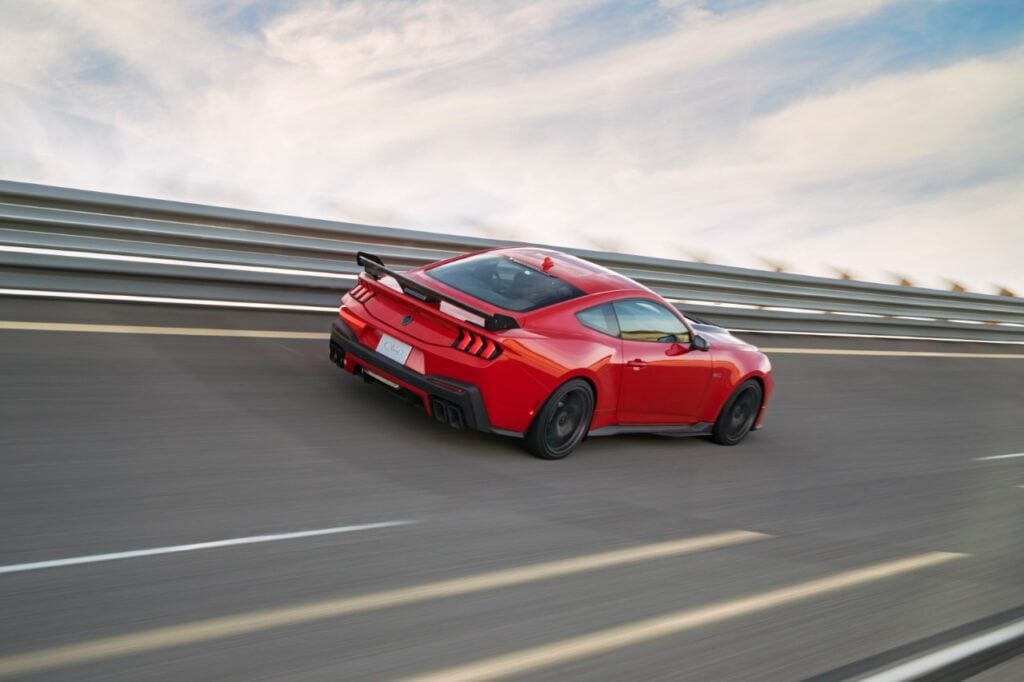
Execution would matter more than the door count. Rear-seat room, curb weight and roofline would determine whether Ford creates a usable grand tourer or an awkward compromise. The company also must protect the steering response, sound and visual attitude buyers associate with the coupe. Convenience can broaden the audience, but a badge cannot repair ordinary dynamics.
You may also enjoy: 2026 Ford Mustang Mach-E Review: Still Ford’s EV Star
A Bronco Pickup Would Enter a Fight Jeep Started
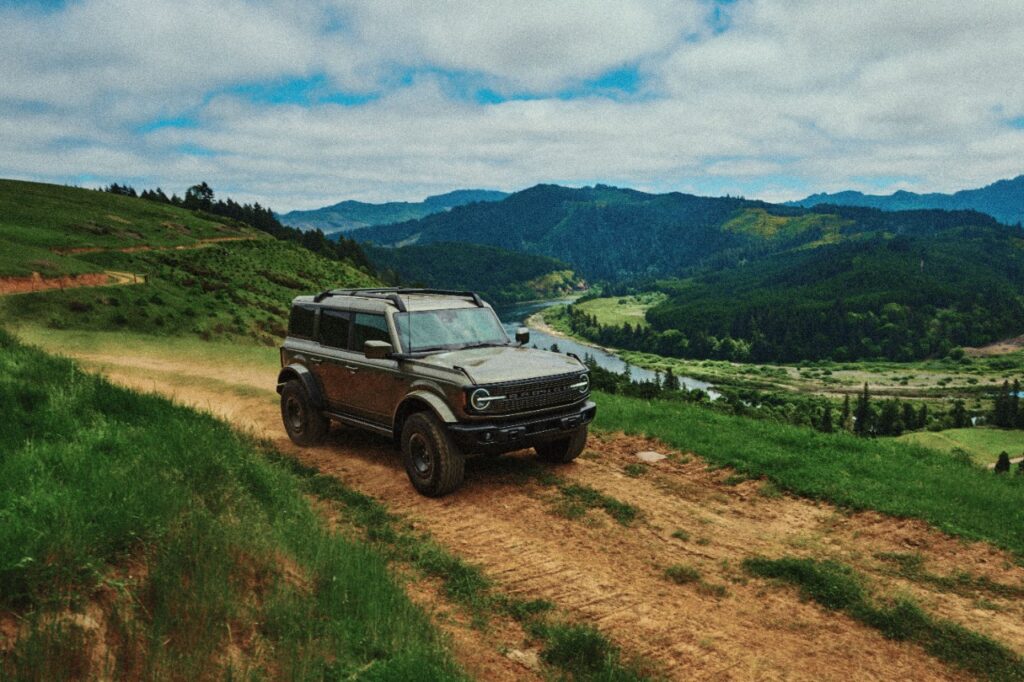
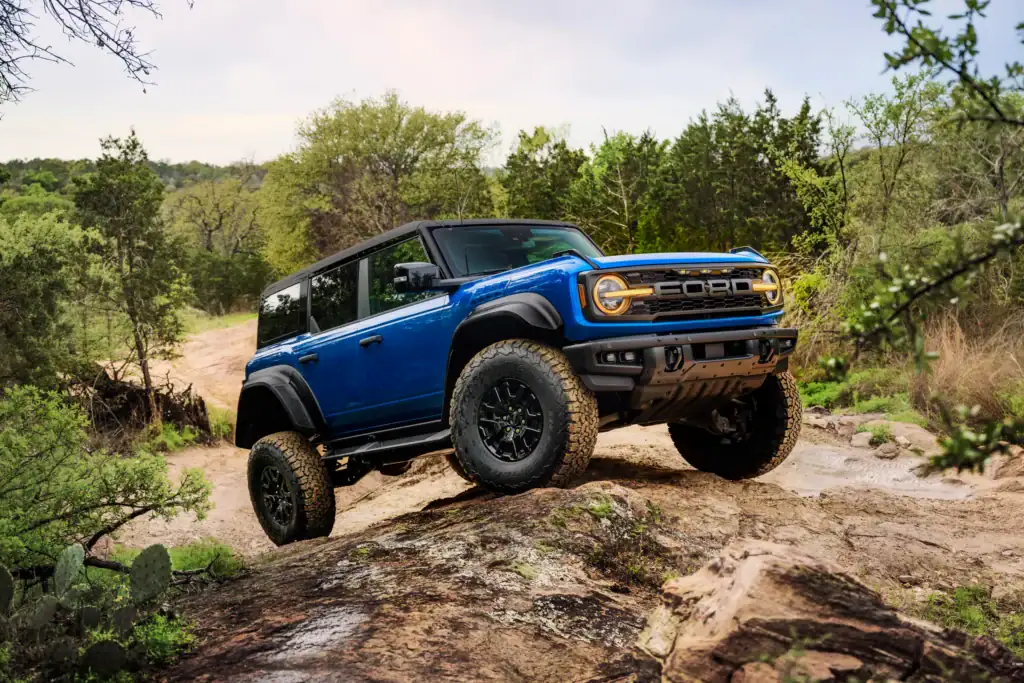
A Bronco pickup has a clearer competitive target. The Gladiator combines a separate frame, removable doors and roof panels, serious off-road hardware and a cargo bed. Ford could answer with Bronco design and trail equipment, but it would also create tension beside the Ranger, which already covers the midsize-truck job.
You may also enjoy: The Jeep Reset: How the Brand Is Rebuilding to Survive
The factory story adds credibility without guaranteeing an outcome. Ford’s Michigan Assembly Plant builds today’s Bronco and Ranger. Automotive News says the proposed Bronco pickup could be produced there after Ranger manufacturing moves elsewhere near the end of the decade. Shared manufacturing knowledge could help, yet factory scheduling can change long before launch.
You may also enjoy: Why Small Trucks Are America’s Smartest Pickup Choice
Clear showroom positioning would be essential. Ranger serves buyers who need a truck first, while Bronco sells recreation and off-road identity. The proposed pickup needs open-air character or another distinctive capability that justifies choosing it over both. Otherwise, Ford could move existing customers between nameplates without creating many new ones.
The decisive numbers would be practical ones: bed dimensions, payload, turning circle and tow rating. A credible manufacturer figure should follow SAE J2807, but no rating exists for this reported vehicle. A stretched wheelbase may improve stability and rear space while making tight trails harder. That is the unavoidable pickup-versus-Bronco tradeoff.
Dealer Targets Are Not Buyer Specifications
Ford’s response to the Bronco report is revealingly cautious. The company said it would not comment on future-product speculation, “much of which is inaccurate,” then emphasized a plan to refresh 80 percent of its North American volume by 2029. That is a portfolio commitment, not confirmation of either rumored model.
Until production versions appear, there is no official fuel-economy label, no crash ratings and no independent assessment of rear-seat protection. Those absences are especially important for vehicles whose sales pitch depends on added passengers or truck utility. Styling mockups and retailer enthusiasm cannot answer engineering questions.
You may also enjoy: Ford Fathom Electric Truck: What We Know So Far
Buyers should read reported timing as a direction of travel. Programs can be redesigned, delayed or dropped when costs, regulations and demand move. Anyone replacing a car or truck in the next few years should compare vehicles available then, not hold out for an internal proposal with no reservation system.
What Ford Must Prove Before the Badges Matter
The Mustang’s test is coherence. Ford would need to offer genuine rear-seat usefulness without burying the driver’s car under size and weight. The Bronco pickup’s test is separation. It must do something a Ranger cannot while remaining maneuverable and recognizable as a Bronco.
You may also enjoy: Ford Bronco Desert Rising Adds Utah Style for $13,695
Price may expose the hardest conflict. A four-door model positioned below premium sport sedans could be compelling, but performance hardware and hybrid complexity are costly. A Bronco truck with removable panels and high-end trail equipment could easily overlap upper Ranger trims or climb toward Gladiator money. Reported targets cannot settle those comparisons.
Ford has already proved that Mustang and Bronco can support broader families. The next expansion deserves a tougher standard than brand familiarity. If either reported model reaches showrooms, shoppers should judge the car behind the celebrated name: useful space, defensible capability, honest pricing and a personality that could not have come from simply changing the badge.