50% Canadian Car Tariff: Models and Price Risks
A 50% Canadian Car Tariff could add thousands to selected CR-V, RAV4, Pacifica, Charger, and truck prices if it takes effect in 2027.
The next Canadian-built car on a U.S. dealer lot does not carry a new 50% tariff. That point matters because a future threat can influence shopping behavior long before it becomes enforceable policy.
President Donald Trump said the rate on Canadian-made cars and trucks would rise to 50% on January 1, 2027, after negotiations failed, Reuters reported. No published implementation document yet answers the questions that determine what an importer would owe.
The 50% Canadian Car Tariff therefore remains a proposal with a scheduled date, not a fee appearing on today’s buyer orders.
You may also enjoy this video:
The 50% Canadian Car Tariff is not active yet
Today’s baseline is a 25% Section 232 automobile tariff. An eligible USMCA vehicle can have verified U.S. value removed from the amount subject to that charge after approval. The White House announcement sets out that existing method, while the new 50% statement supplies a date and a headline rate, not operating instructions.
You may also enjoy: U.S.-Canada Auto Tariffs Could Fall to 15%
Until agencies publish the legal text, three outcomes remain open. The government could preserve the U.S.-content deduction, replace it with a levy on the entire customs value or create a different Canadian formula. A settlement, postponement or cancellation is also possible. Calling this a January price increase would overstate what is known.
The VIN reveals the exposure that the badge cannot
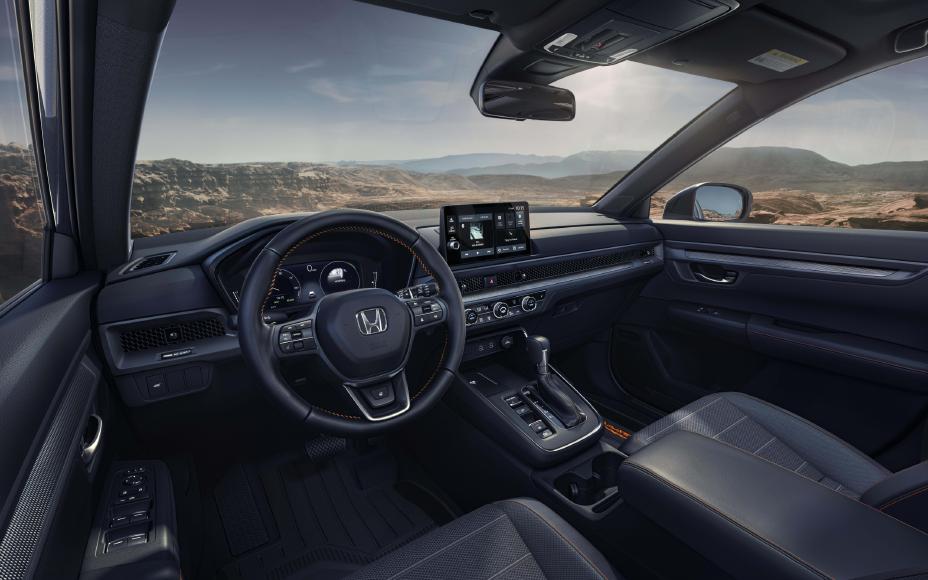
A CR-V emblem does not tell shoppers which side of the border supplied the vehicle. Honda assembles that crossover in Ontario and the United States. Toyota sources U.S. RAV4 inventory from multiple countries, and Ford will build Super Duty pickups in Oakville as well as American plants. The practical dividing line is the unit, not the model name.
You may also enjoy: Ford and GM Fight to Be the Most American Automaker
Start with the Monroney label’s final-assembly line, then confirm the factory through the federal VIN decoder. The required parts-content label is useful for comparison, but it combines U.S. and Canadian content. It therefore cannot be plugged directly into the current U.S.-only deduction formula.
Nine Canadian product lines warrant a closer look
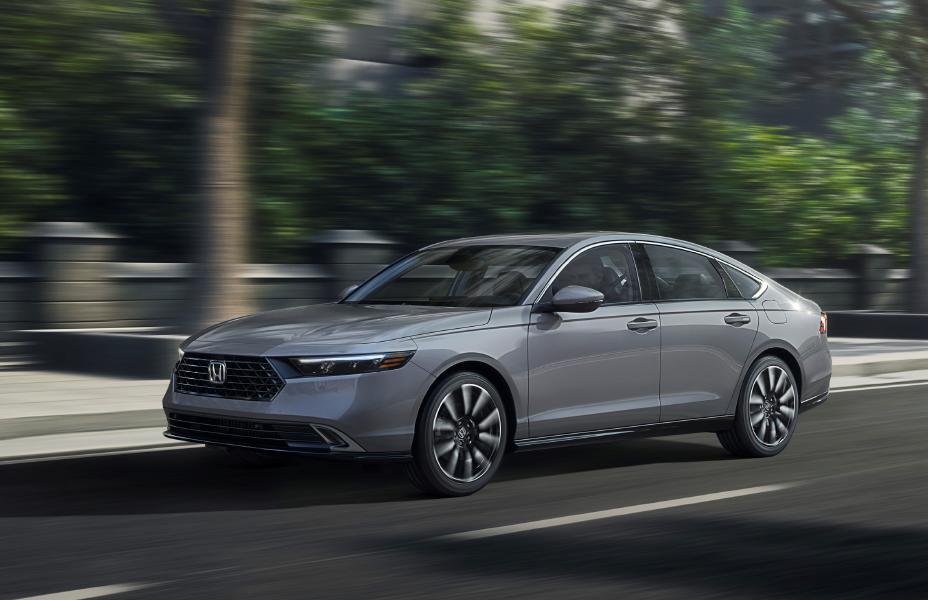
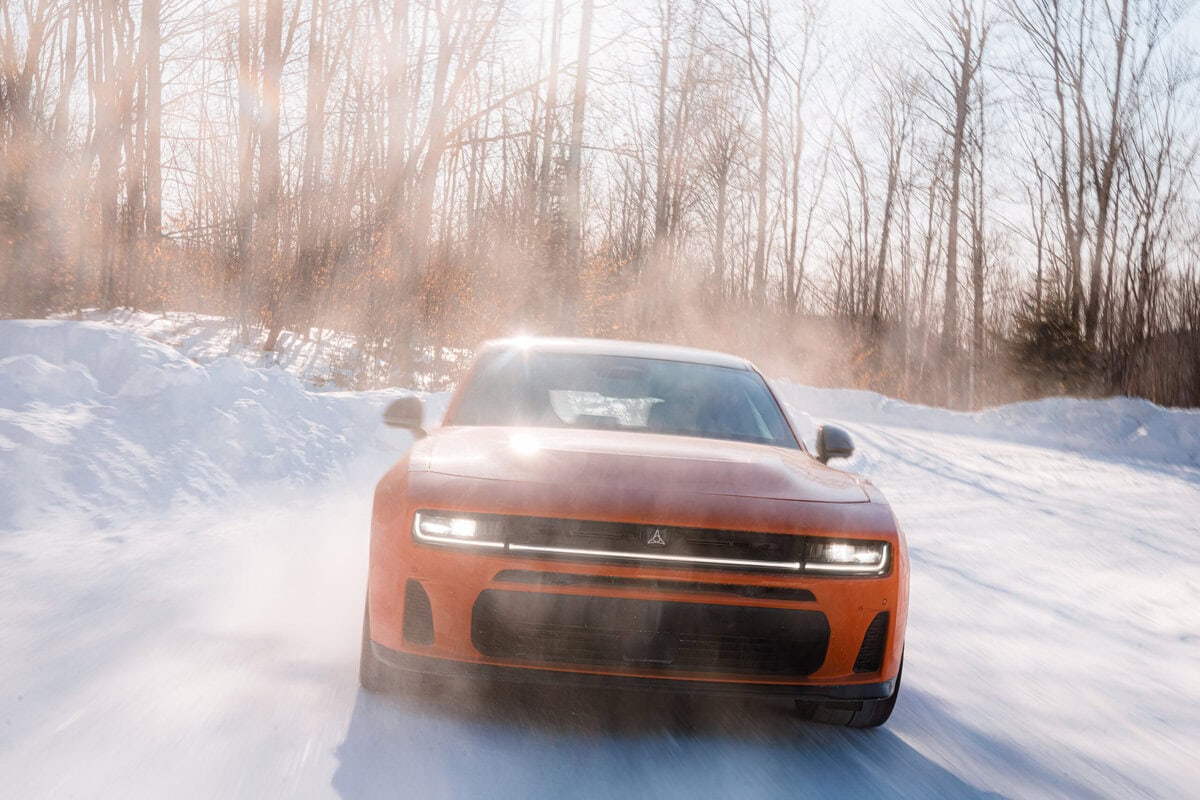
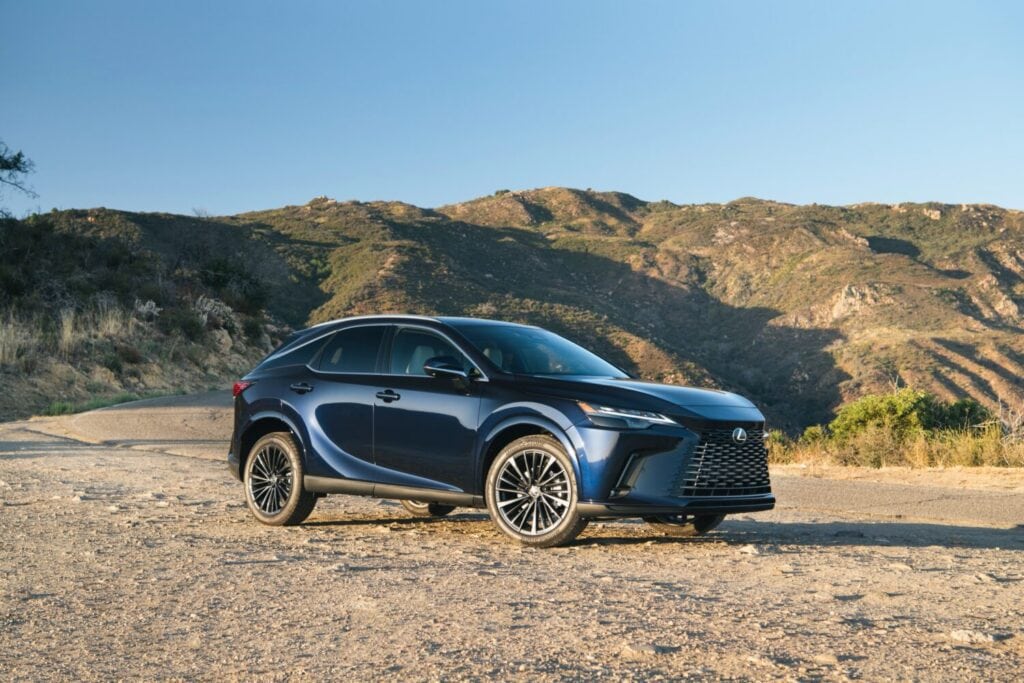
The most exposed choices span almost every mainstream buyer type. Windsor builds the Chrysler Pacifica and Dodge Charger. Ontario plants also produce Honda Civic sedans, some Honda CR-Vs, Toyota RAV4s, Lexus NX and RX SUVs, Chevrolet Silverado HD pickups, and future Ford Super Duty output. Civic hatchbacks are Indiana-built, while several Honda, Toyota, Lexus and Ford nameplates have alternate factories.
You may also enjoy: Car Imports to the U.S. Drop 72% After 25% Tariff Takes Effect
Starting MSRPs give buyers a consistent comparison point, although they are not customs values. The table estimates only the incremental exposure created by moving from today’s 25% rate to the threatened 50% rate. It assumes the taxable non-U.S. portion equals 40% to 80% of MSRP and that every added dollar is passed through.
Published prices also use different destination-charge conventions. Lexus includes delivery, processing and handling in its figures, while several other brands do not, so the table is an exposure exercise rather than a trim-value ranking.
| Canadian-made vehicle line | Published starting MSRP | Illustrative added price exposure |
|---|---|---|
| 2026 Honda Civic Sedan | $24,695 | $2,470 to $4,939 |
| 2026 Honda CR-V | $30,920 | $3,092 to $6,184 |
| 2026 Toyota RAV4 | $31,900 | $3,190 to $6,380 |
| 2026 Lexus NX | $45,570 | $4,557 to $9,114 |
| 2026 Lexus RX | $52,775 | $5,278 to $10,555 |
| 2027 Chrysler Pacifica | $41,495 | $4,150 to $8,299 |
| 2026 Dodge Charger R/T | $49,995 | $5,000 to $9,999 |
| 2027 Ford F-250 XL | $45,975 | $4,598 to $9,195 |
| 2026 Chevrolet Silverado HD | $45,900 | $4,590 to $9,180 |
You may also enjoy: That New Car Is $6,400 More Expensive. Here’s Why.
The arithmetic is straightforward: additional duty equals 25% multiplied by the assumed dutiable share. Reality is not. Customs value can sit below retail price, companies may spread the burden across a lineup, incentives can shrink, and production plans can change. These numbers are sensitivity ranges, not forecasts or dealer quotes.
Shop the calendar and the contract, not the rumor
A $5,000 increase financed for 72 months at 7% APR costs about $85 more each month; $10,000 adds approximately $170, excluding taxes and fees. Buyers should compare total borrowing cost with Consumer Financial Protection Bureau auto-loan guidance, not merely the advertised payment.
You may also enjoy: Used Cars Under $20,000 Are Disappearing Fast
If a Canadian-built model is already the right car, request a dated, itemized out-the-door price and written language covering any later manufacturer increase. If delivery could slip into 2027, ask who bears a new tariff and whether the deposit is refundable. Cross-shop another assembly source when the nameplate offers one, but do not assume a U.S.-assembled alternative is insulated from parts costs.
The regional supply chain itself explains the uncertainty. USMCA auto rules require 75% North American content for preferential treatment, yet the present tariff relief deducts documented U.S. value. Those are different measures.
Wait for enforceable rules before treating any estimate as a bill. The threat is consequential enough to track, but not concrete enough to turn a sensible purchase into a rush.