Car Features Buyers Want Are Not More Screens
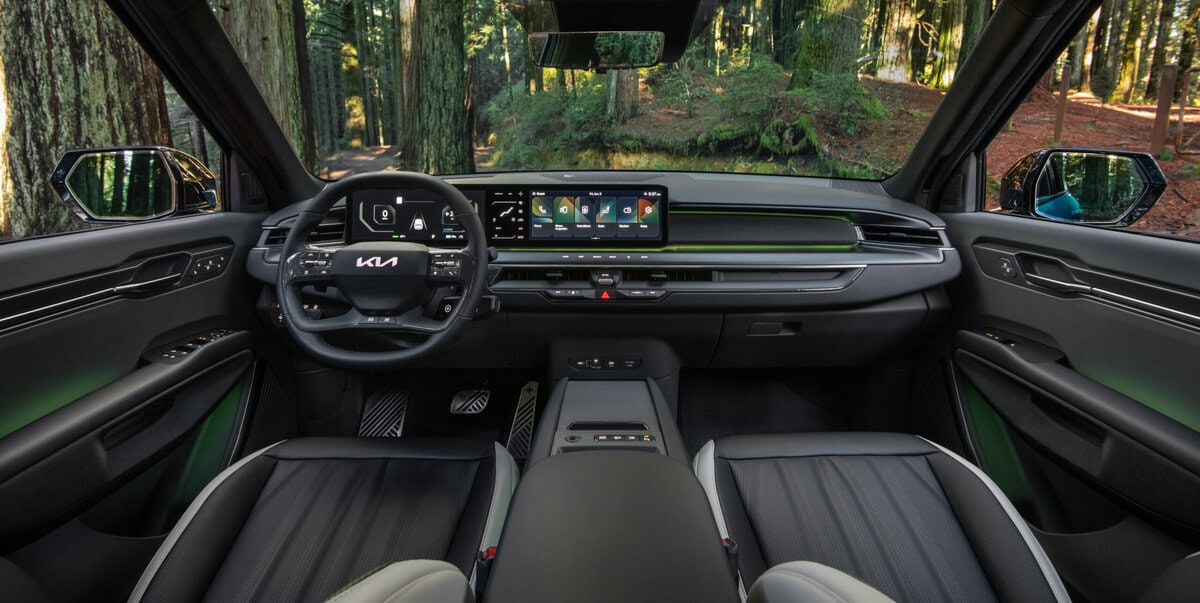
The car features buyers want most reveal a practical priority list led by all-wheel drive, phone connectivity, comfort and safety.
What Buyers Actually Want
Automakers have spent years turning dashboards into digital showrooms. Screens have grown wider, software has become more ambitious, and functions that once required a button can now demand a brief expedition through a touchscreen. New research suggests buyers may be more interested in technology that solves everyday problems.
AutoPacific’s 2026 Future Vehicle Planner finds that seating, safety and driver-assistance systems lead the features wanted by people preparing to buy a new vehicle. All-wheel drive and wireless Apple CarPlay and Android Auto top its separate list of must-have equipment.
The study surveyed more than 19,000 licensed drivers intending to acquire a new vehicle within three years. It measured interest in more than 160 features, including 25 added for 2026. That scale makes the results more useful than another online poll asking whether people like heated seats.
The important distinction is between a feature that sounds interesting and one a buyer considers essential. AutoPacific began measuring that difference in 2025, giving automakers a clearer indication of what should be standard, optional or grouped into a package.
You may also enjoy: The Five Best Cars for Drivers Over 60
You may also enjoy this video:
Car Features Buyers Want Put Utility First
All-wheel drive delivers a benefit people understand. It can improve traction when accelerating on snow, rain-soaked pavement, gravel or another slippery surface. It cannot shorten braking distances or repeal the laws of physics, but buyers can connect it to situations they encounter.
Wireless Apple CarPlay and Android Auto offer a different kind of utility. Drivers can enter the vehicle and access familiar navigation, music, messaging and calling functions without plugging in a cable or learning an entirely new interface. That familiarity matters when every manufacturer has its own software layout and menu structure.
Seating and comfort also rank prominently. Those features rarely dominate a vehicle launch, yet they affect every mile. Seat shape, adjustment range, heating, ventilation and ease of entry can determine whether a vehicle remains comfortable after 20 minutes or becomes irritating before the first fuel stop.
This does not mean buyers oppose digital technology. It means they prefer technology with a clear purpose. A larger display is not automatically more useful than a smaller one supported by sensible menus, quick phone integration and physical controls for frequently used functions.
You may also enjoy: Toyota’s Most Overlooked Hybrid SUV Is Actually Brilliant
Safety Systems Are Moving Up the List
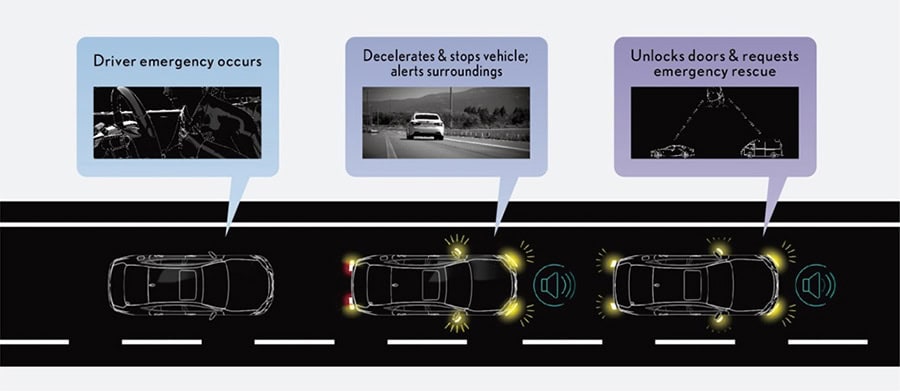
Demand is rising for Lane Change Assist, Unresponsive Driver Stop Assist, Safe Vehicle Exit Alert, Blind Spot Cameras and Adaptive Smart Headlights. Each addresses a recognizable risk instead of adding novelty for its own sake.
Lane-changing and blind-spot systems can warn about a vehicle approaching from the side. Safe-exit technology can alert an occupant preparing to open a door into the path of a cyclist or another vehicle. Adaptive headlights can change their illumination according to road and traffic conditions.
Unresponsive Driver Stop Assist goes further. Depending on the vehicle and system design, it can recognize that a driver is no longer responding, activate warnings and bring the vehicle to a controlled stop. That is the sort of feature nobody expects to need, but its value becomes obvious when imagining the alternative.
Auto Park is the only completely new feature to enter AutoPacific’s top 15 for 2026. Respondents were told it could park a vehicle in a space identified by the driver while that person remained inside or stood nearby. Remote Summon, Four-Wheel Steering and Automatic Seat Adjustment also recorded notable increases in demand.
You may also enjoy: 2027 Toyota Corolla Hatchback Gets Smarter, Stays Fun
Experience Changes the Automation Debate
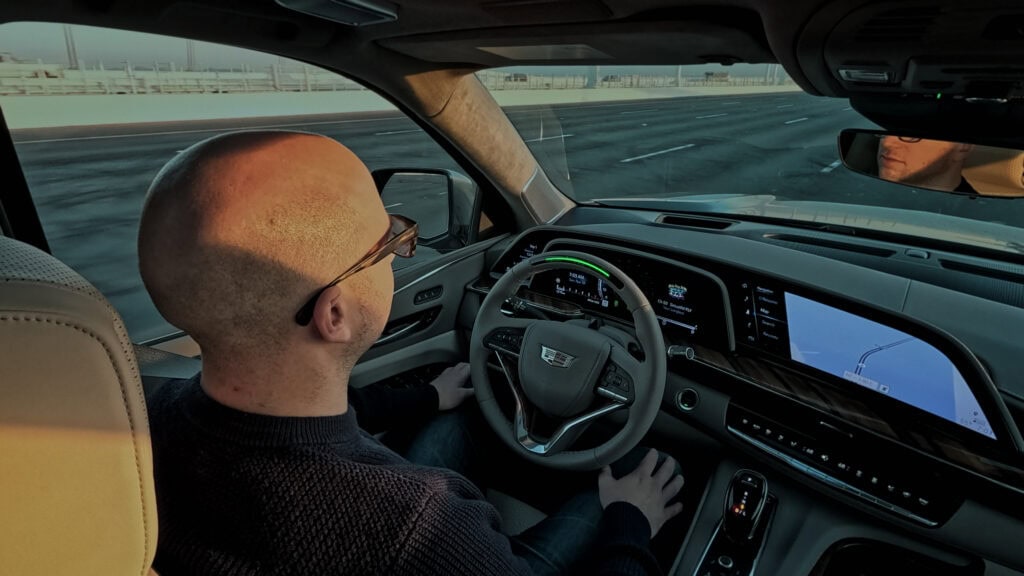
Consumer attitudes toward automated driving appear to change with exposure. People who already have autonomous-driving technology are more likely to want it in their next vehicle, even if they have not used it. Demand increases further among those who have personally tried it.
Satisfaction among users is striking. AutoPacific reports that 91% are satisfied with ease of use, 89% with reliability and 87% with value for the money. Those numbers do not prove that every system performs equally well, but they suggest firsthand experience can overcome some of the anxiety surrounding the technology.
Generation Y leads this acceptance. AutoPacific defines that group in this study as buyers ages 32 to 49. Compared with the overall sample, they are six percentage points more likely to trust automatic crash-prevention systems and feel comfortable allowing a vehicle to perform tasks such as lane keeping or parallel parking.
Driving automation still requires careful language. Features that steer, brake or manage speed under limited conditions are not necessarily self-driving systems. Drivers must understand when the technology works, what it monitors and when they remain responsible.
You may also enjoy: Ford’s $30,000 EV Truck Will Have Apple Maps Built In
EV Buyers Have Their Own Priorities
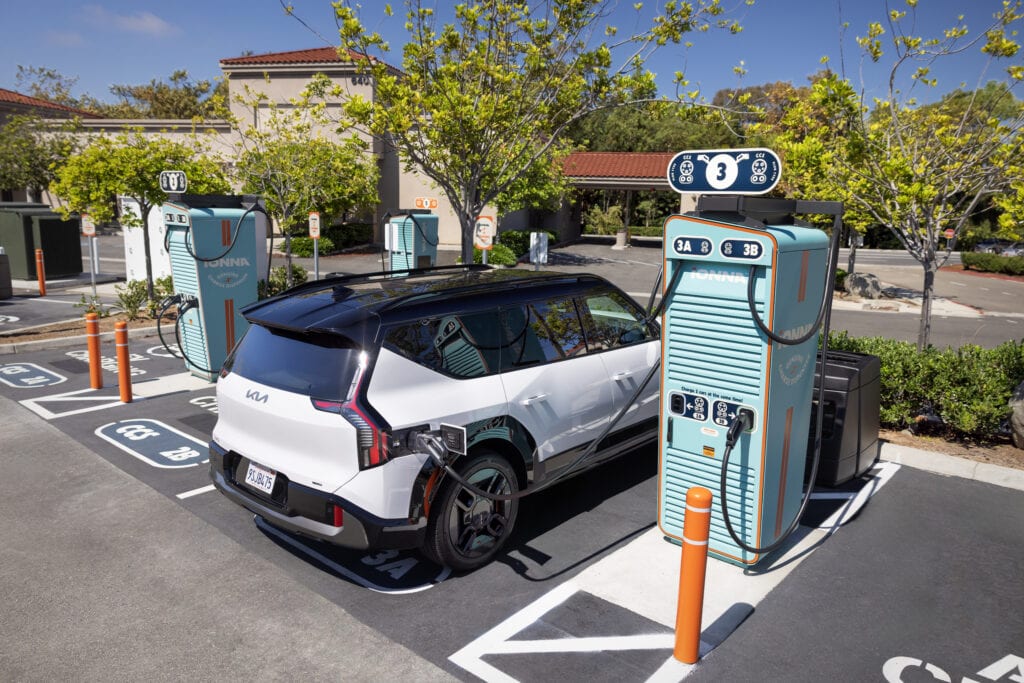
Electric-vehicle and plug-in-hybrid shoppers are even more direct. An extended-range battery pack is their leading must-have feature, followed by DC ultra-fast charging.
That result should not surprise anyone who has planned an electric road trip. Buyers want enough range to avoid unnecessary charging stops and enough charging speed to keep required stops manageable. Ambient lighting and clever graphics cannot rescue an EV that turns an ordinary journey into an infrastructure seminar.
Range alone does not determine charging time. Battery temperature, charger output, state of charge, weather and the vehicle’s charging curve all affect how quickly energy enters the battery. The Department of Energy also explains how home charging can make daily EV ownership more convenient.
The lesson applies beyond EVs. Features become valuable when they reduce effort, improve comfort or create confidence. Buyers appear willing to embrace sophisticated technology when its benefit can be explained without a PowerPoint presentation.
You may also enjoy: 2026 Hyundai Ioniq 5 Review: The Value Is Back
What Automakers Should Learn
The AutoPacific results do not say screens are disappearing. Digital displays now carry navigation, entertainment, vehicle settings and camera views, making them central to modern interior design. The warning is that screen size alone may not persuade buyers.
Automakers should pay closer attention to how features work together. A well-designed seat, intuitive phone connection, effective driver assistance and appropriate traction can improve every journey. Packaging those benefits only on expensive trims risks frustrating shoppers who consider them essential.
The study also shows that consumers can become comfortable with advanced technology after using it. Demonstration and education therefore matter. A salesperson who clearly explains a safety system may provide more value than another animated showroom graphic.
Ultimately, buyers are not rejecting automotive innovation. They are judging it. The winning features are increasingly those that make a vehicle easier to operate, safer to live with and more comfortable over time. The industry can keep its screens, but the screen must earn its place.
You may also enjoy: Why the Rivian R2 Could Be America’s Next Big EV SUV