Ford $30,000 EV Truck Will Have Apple Maps Built In
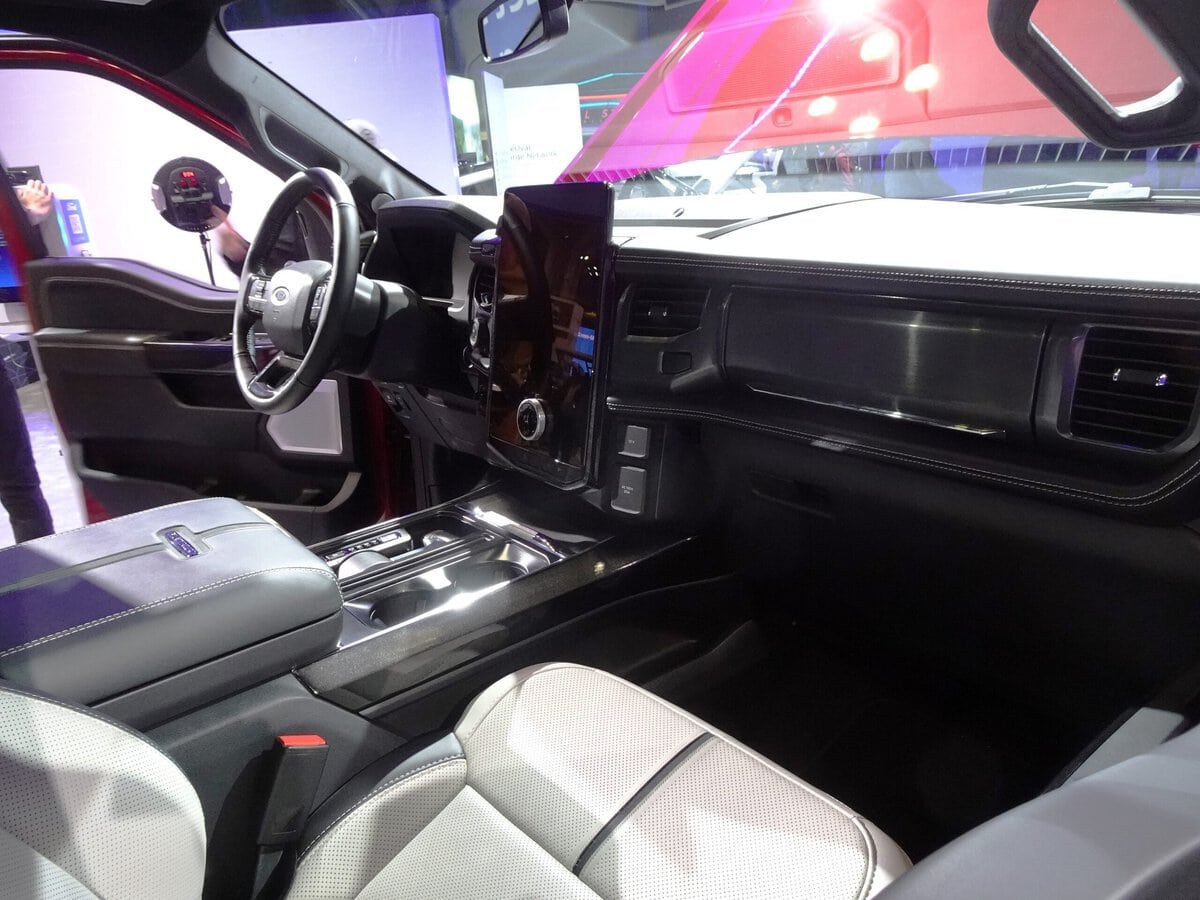
The Ford $30,000 EV truck is getting Apple Maps before Ford has even revealed its name. Beginning with the Universal Electric Vehicle platform in 2027, Ford plans to embed Apple’s navigation directly into the vehicle, with no connected iPhone required.
That matters because built-in navigation can feel like the part of a new car designed by someone who has never been lost. Ford is betting that familiar maps, real-time traffic, natural-language directions and EV routing will make its affordable electric pickup easier to live with.
It also turns the dashboard into another Apple-versus-Google contest. Ford is giving the native mapping job on its new EV platform to Apple while keeping CarPlay. This is not the Apple Car. It is Apple moving deeper into automobiles by supplying software for someone else’s truck.
You may also enjoy: Ford California Skunk Works Team Builds Affordable $30,000 Electric Pickup
You may also enjoy this Ford Video:
Apple Maps Will Work Without an iPhone
Apple and Ford say the system will use Apple’s new MapKit for Automotive software. The navigation experience will appear directly on Ford’s displays with turn-by-turn guidance, traffic and incident information, detailed place searches and route choices.
Because Apple Maps is embedded in the vehicle, the native navigation will not require a connected iPhone. CarPlay will remain available for drivers who prefer to mirror their phone, so Ford is not forcing buyers into a single experience.
The EV features may matter more than the logo. Ford says the system will include intelligent electric-vehicle routing and battery preconditioning. The truck can plan around charging and prepare its battery before a stop, which can improve charging performance when conditions allow.
Apple also says it will not collect location details or vehicle-map activity in a way tied to an individual driver.
You may also enjoy: Ford $5B EV Platform and 2027 Electric Pickup

Ford $30,000 EV Truck Gets More Than Navigation
The map data will do more than help drivers find lunch. Ford plans to use road-level Apple Maps information to help develop its next-generation BlueCruise hands-free highway system.
Ford-owned Latitude AI is developing automated-driving technology expected to debut on the Universal Electric Vehicle platform in 2027. Ford says Apple’s mapping information can support a smoother on-ramp-to-off-ramp hands-free experience.
That does not make the pickup self-driving. BlueCruise is a driver-assistance system, and the driver must remain attentive and ready to take control. The notable change is that mapping data, vehicle sensors and software are being designed together from the start.
You may also enjoy: 2026 Hyundai Palisade Adds Google Maps to Beat GM and Ford

Why Apple Maps Matters in a Google-Heavy Market
Drivers may wonder why Ford chose Apple Maps instead of Google Maps. Ford has not presented the decision as a rejection of Google, but the choice gives Apple a major position in an affordable vehicle program.
For Apple, this is a clever automotive strategy. Building an entire car is expensive and unforgiving. Supplying navigation, a privacy framework and road-level data lets Apple shape the driving experience without putting its badge on the hood.
Ford gets a familiar consumer brand attached to a truck intended to make EVs feel less intimidating. Adding recognizable navigation and hands-free technology makes a $30,000 electric pickup sound less like a stripped-down price special and more like a mainstream product.

The $30,000 Price Is Still a Target
Ford says the first Universal Electric Vehicle platform model will be a midsize, four-door electric pickup assembled at Louisville Assembly Plant and reaching customers in 2027. The company has targeted a starting price of about $30,000.
That figure is not a final window sticker. Ford has not announced the truck’s production name, EPA range, towing capacity, charging speed, trim structure or destination charge. Those details will determine whether the pickup is genuinely affordable or begins with one difficult-to-find entry model.
Still, Ford is not presenting affordability as an excuse for bargain-basement software. The truck is supposed to combine a low starting price, useful EV routing and increasingly capable hands-free driving.
The next thing to watch is whether Ford can deliver the truck near $30,000, make charging simple and keep the most useful technology from disappearing behind expensive trims or subscriptions.