Volkswagen Model Cuts Put These Cars at Risk
By Robert R Guio
Volkswagen Group has made an unusually blunt promise: it plans to shrink its global model lineup by as much as 50 percent and reduce equipment complexity by up to 75 percent. That doesn’t mean half the cars in American showrooms disappear tomorrow, but every slow seller, overlapping body style and expensive future program is now under review.
Volkswagen hasn’t published an official cancellation list. The vehicles being discussed come from German reporting and should be treated as possible targets, not confirmed casualties. Still, the names reveal how Volkswagen, Audi and Porsche may decide which products deserve another generation.
The most vulnerable vehicles aren’t always the worst sellers. Some are costly derivatives of stronger models, while others require large development budgets in shrinking segments. Volkswagen’s objective appears to be fewer platforms, body styles and versions competing for the same customers.
You may also like: Volkswagen Is Getting Smaller. Here’s What Went Wrong
Why Volkswagen Is Cutting So Deep
Volkswagen says it wants to concentrate on the most attractive market segments while reducing production capacity toward roughly 9 million vehicles annually. Before the pandemic, the company had invested for about 12 million.
That gap matters. Plants, engineering teams and software programs are expensive when vehicles aren’t leaving dealerships quickly enough. Eliminating an entire body style or future generation saves more than trimming obscure options. It also gives VW Group brands less room to build several answers to the same buyer question.
You may also like: Volkswagen cost-cutting plans: what that means for buyers
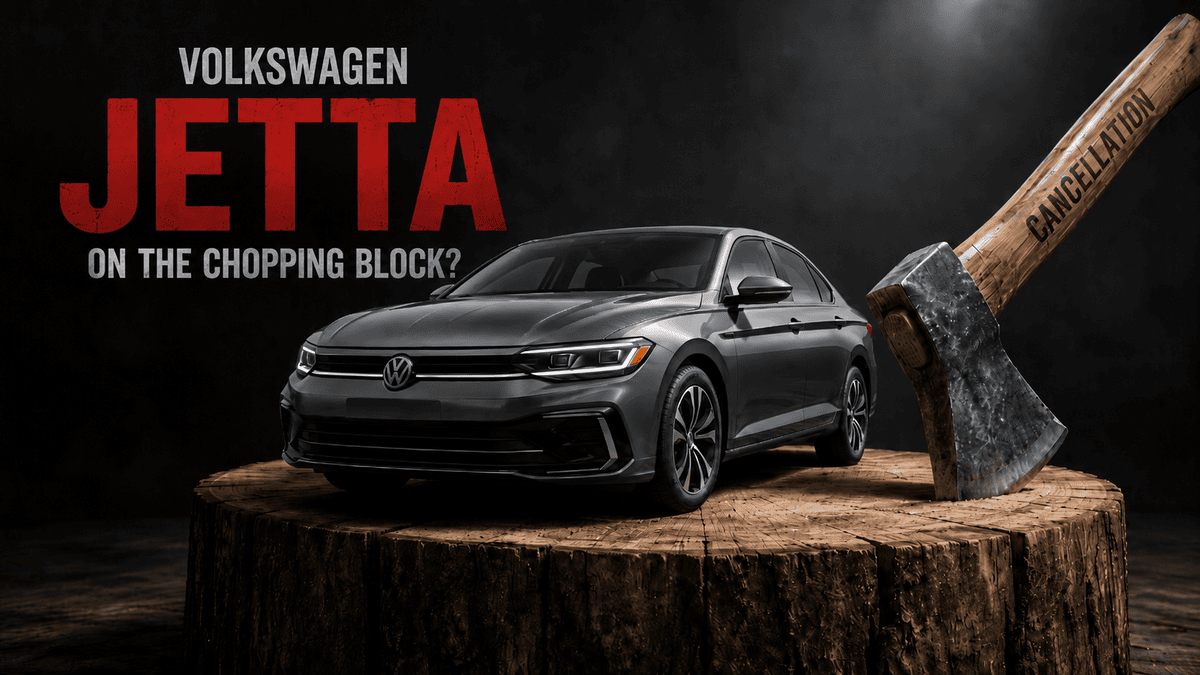
VW Jetta and Taos Successors Look Vulnerable
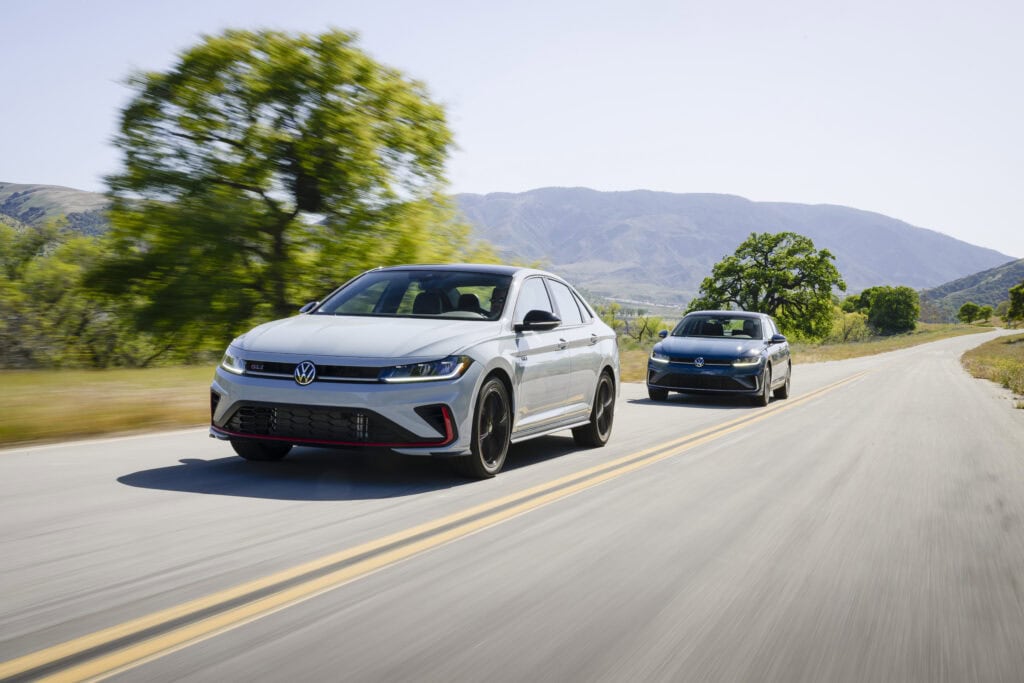
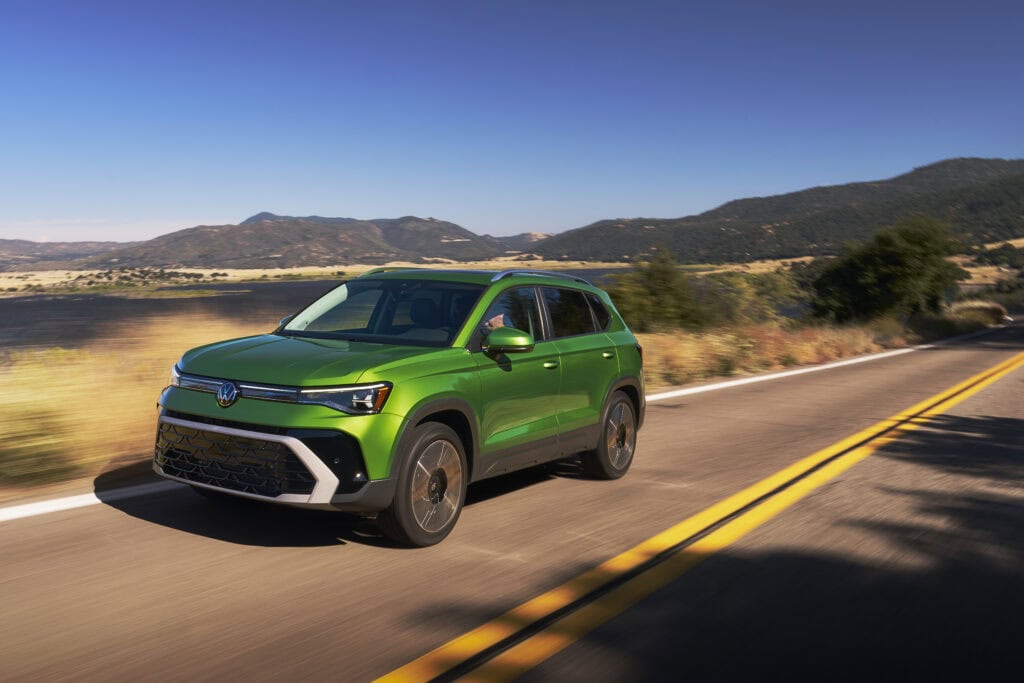
Reports suggest successors to the Volkswagen Jetta and Taos could be reconsidered. That’s surprising because both remain meaningful American products. Volkswagen sold 54,291 Jettas and 55,198 Taos crossovers in the United States during 2025.
Those totals were down from 2024, but they’re not failure-level numbers. The concern may be the cost of creating distinct replacements for vehicles serving particular regions. Volkswagen could retain the nameplates while using shared architectures, extending current generations or replacing them with products developed for several markets.
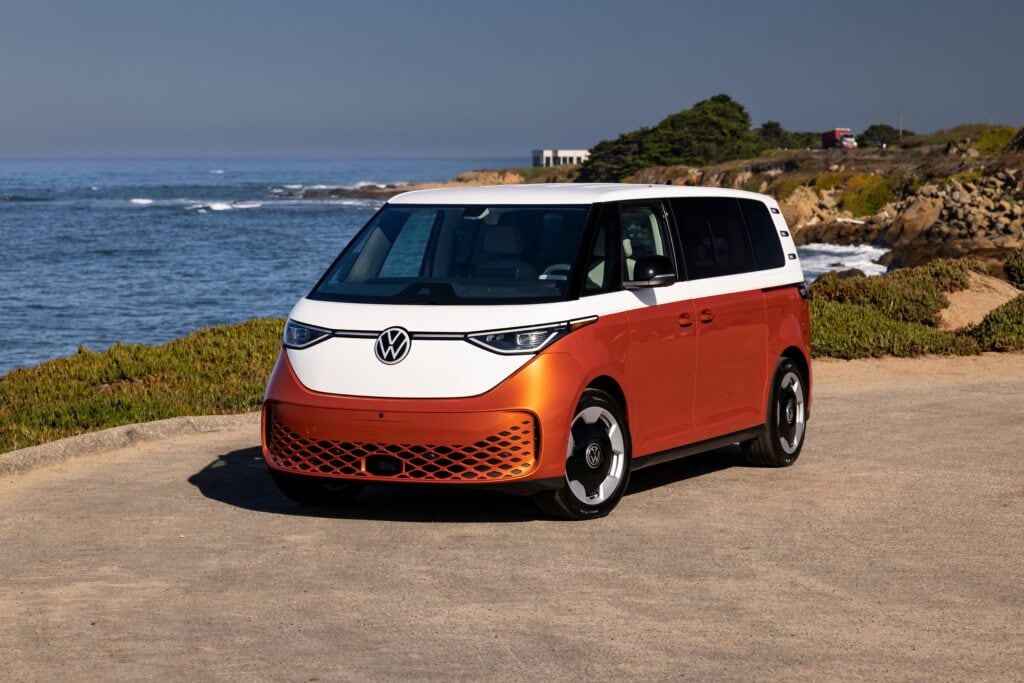
The ID. Buzz is a weaker U.S. seller, with 6,140 deliveries in 2025, but its global appeal and value as a recognizable halo vehicle may protect it.
You may also like: Volkswagen’s American Reinvention Is Taking Shape
Porsche Taycan, 718 and Cayenne Coupe Face Pressure
Porsche may face the hardest choices. Reported targets include a second-generation Taycan, a proposed gasoline-powered successor to the 718 Boxster and Cayman, and the Cayenne Coupe. Some low-volume 911 derivatives could also disappear, although the core 911 is in little danger.
Porsche delivered 1,079 Taycans in the United States during the first half of 2026, down from 2,083 a year earlier. Panamera deliveries fell to 1,874, while the 911 climbed to 8,478.
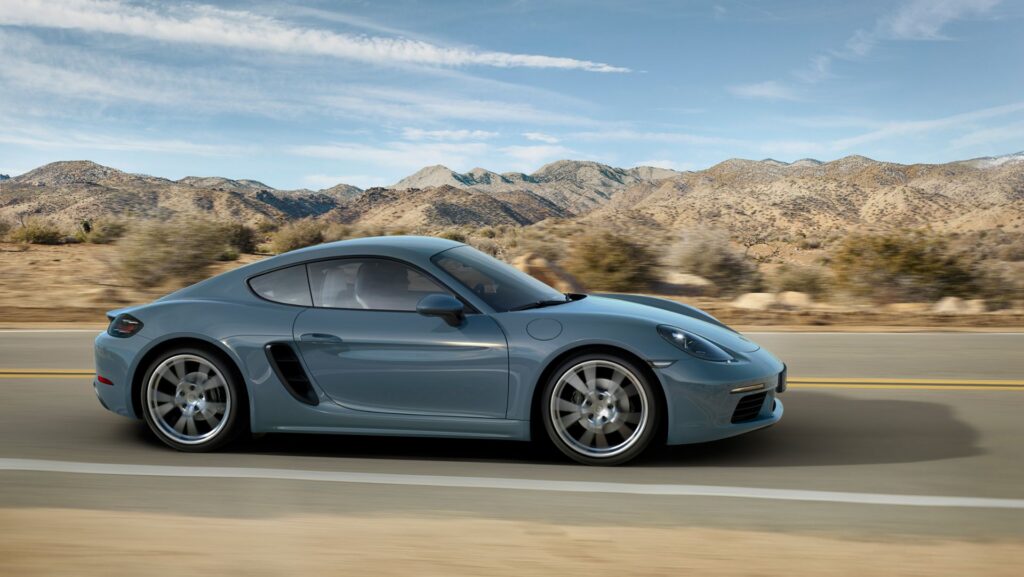
The gasoline 718 has ended production, so the debate concerns whether Porsche should develop another combustion-powered version alongside its electric sports-car plans. The Cayenne Coupe overlaps a successful standard Cayenne and could be removed without abandoning the profitable SUV itself.
You may also like: VW Showcases Audi’s Future and Scout’s U.S. Comeback in Munich
Audi Sportback SUVs Are Easy Targets
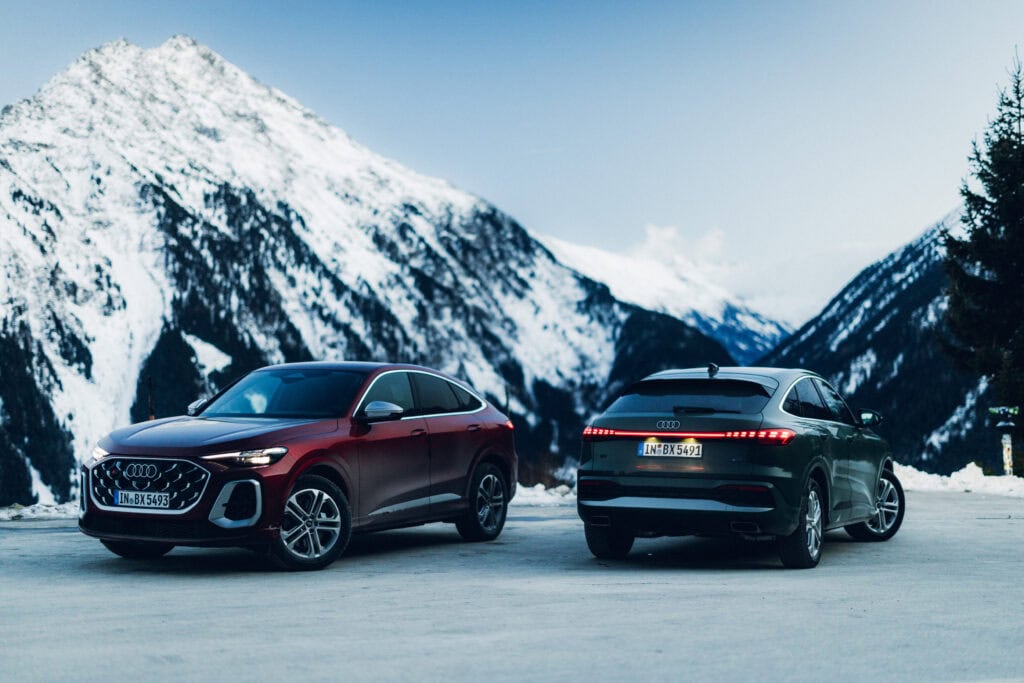
Audi’s Q5 Sportback and Q6 e-tron Sportback reportedly face scrutiny. Both are sleeker, less practical variations of regular SUVs using the same basic mechanical packages.
That makes them classic simplification candidates. Audi can continue selling the standard Q5 and Q6 e-tron while avoiding separate body engineering, crash testing, manufacturing complexity and dealer inventory. The Q4 Sportback e-tron may deserve similar attention because coupe-styled SUV variants often generate modest volume.
You may also like: Trump EU Car Tariffs Could Raise Luxury Car Prices
What Buyers Should Watch Next
This isn’t yet a death list. Volkswagen Group could cancel replacements, merge programs, extend existing models or slash trim combinations. U.S. shoppers may also be insulated because the Jetta, Taos and larger SUVs remain important here.
The lesson is that profitability now matters more than filling every niche. The safest vehicles will be strong sellers with clear identities. The most exposed will be expensive future projects and duplicate body styles that buyers admire more often than they purchase.