Spain Named Europe’s Best Summer Road Trip

A European summer road trip can become a negotiation between beautiful scenery, rising hotel costs, crowded roads and the limits of the car carrying you.
Spain Named Europe’s Best Summer Road Trip in a 2026 study ranking driving costs, roads, safety, weather and cultural attractions.
The July 2026 research from B2B automotive company eCarsTrade ranked 37 European countries using driving costs, road safety, infrastructure, tourist attractions and summer weather. Spain finished first with an overall score of 70.4 out of 100, narrowly ahead of Germany at 69.9.
The finding names Spain as Europe’s best summer road trip destination, not simply one of its sunniest vacation spots. Spain combined highly rated roads, manageable travel costs and 50 UNESCO World Heritage sites with the warm, generally dry weather many travelers want from a summer driving vacation.
You may also like: America’s Biggest Road Trip Could Break Your Car
Why Spain Won Europe’s Summer Road Trip Ranking
The eCarsTrade study estimated that two people would spend approximately $166 per day on lodging and meals in Spain. A 10-day journey covering 1,243 miles was calculated to cost around $1,931 when estimated fuel and toll expenses were included.
Dollar figures have been converted from the study’s original euro amounts using the European Central Bank reference exchange rate available on July 20, 2026. Actual travel costs will vary with exchange rates, hotel prices, fuel costs and the route selected.
Spain also received a road-quality score of 5.7, the strongest figure among the top 10 countries. That matters because a road trip is shaped as much by the hours between destinations as the attractions themselves. Good roads and useful connections allow travelers to combine cities, beaches, mountain routes and historic sites without turning the vacation into an endurance test.
You may also like: Best Family Road Trip Vehicles for 2025
Germany Leads Europe for Cultural Road Trip Stops
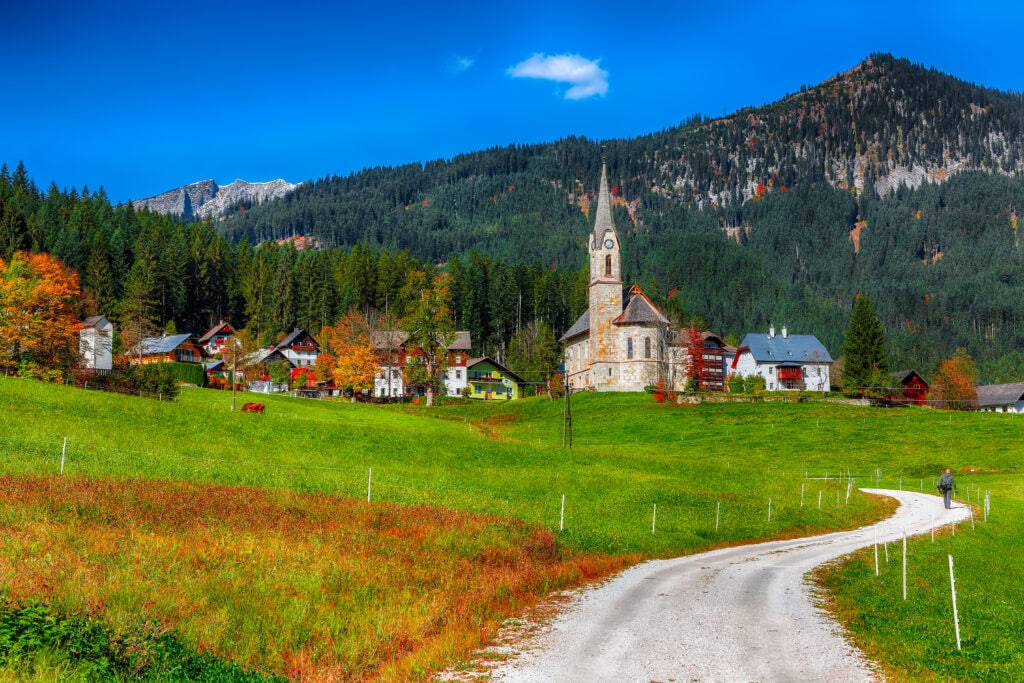
Germany placed second overall, followed by Luxembourg, Cyprus, Slovenia, Malta, Slovakia, Sweden, the United Kingdom and the Czech Republic.
Germany offered the largest number of cultural stops in the ranking, with 55 UNESCO World Heritage sites. Its estimated costs were higher, at approximately $217 per day for two people and $2,502 for the complete 10-day journey. Germany’s extensive highway network and dependable infrastructure nevertheless make it a strong alternative for drivers who value efficient connections between major destinations.
Luxembourg ranked third and offered excellent roads with easy access to neighboring countries. However, its estimated $2,662 trip cost was the highest among the top 10 destinations.
You may also like: Top 5 Three-Row Hybrid SUVs to Save on Gas

The Czech Republic Is the Most Affordable Road Trip Choice
The Czech Republic was the study’s value leader. The estimated daily expense for two people was approximately $143, while a 10-day journey was calculated at $1,714. That made the Czech Republic approximately $217 less expensive than Spain over the same period.
Slovenia also stood out by placing alpine scenery, historic towns and the Adriatic coast within relatively short driving distances. Cyprus offered another compact option, allowing travelers to explore much of the island without the long highway days required in larger European countries.
You may also like: Top Family SUVs to Buy This Memorial Day Weekend

Spain Balances Driving, Culture and Cost
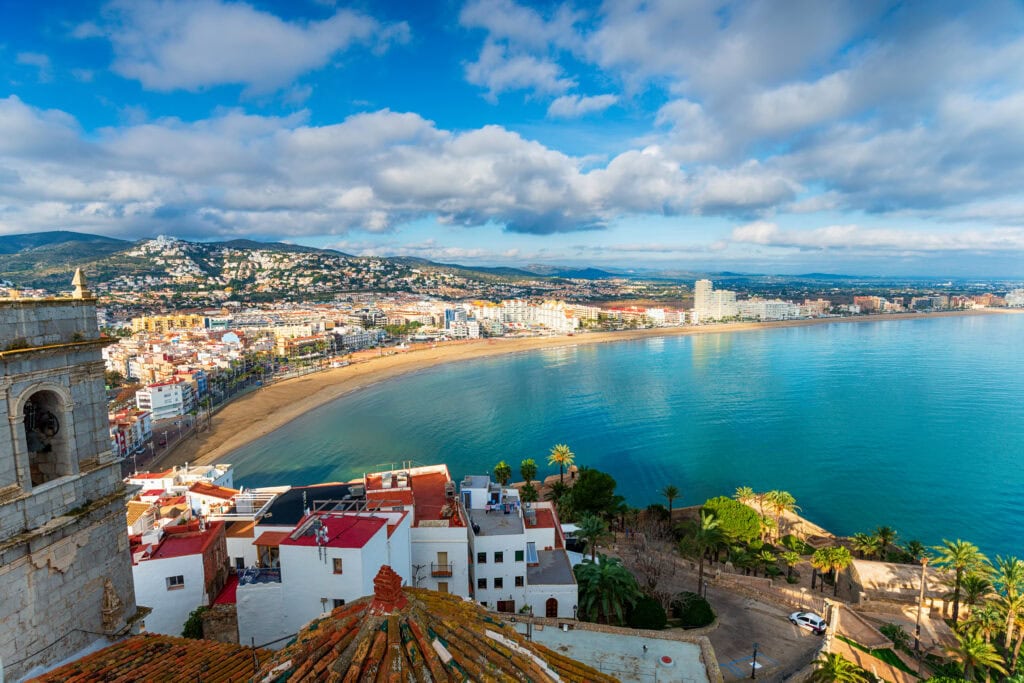
Spain’s greatest advantage may be its variety. Drivers can connect Barcelona, Valencia and the Mediterranean coast, head inland toward Madrid, or build a southern itinerary around Seville, Córdoba and Granada.
Spain’s 50 UNESCO World Heritage sites include the Alhambra and several works associated with architect Antoni Gaudí. These destinations give travelers meaningful reasons to stop rather than simply providing scenic roads to drive.
The study favored summer temperatures near 73 degrees Fahrenheit, although parts of Spain can become considerably hotter during July and August. Route selection matters. Northern Spain and coastal areas may feel more comfortable than inland southern routes during the hottest weeks, while early starts can help drivers avoid peak heat and heavier traffic.
You may also like: How to Stretch Your Gas Mileage This Memorial Day Weekend With Prices at Four-Year Highs
The Right Car Can Make or Break the Journey
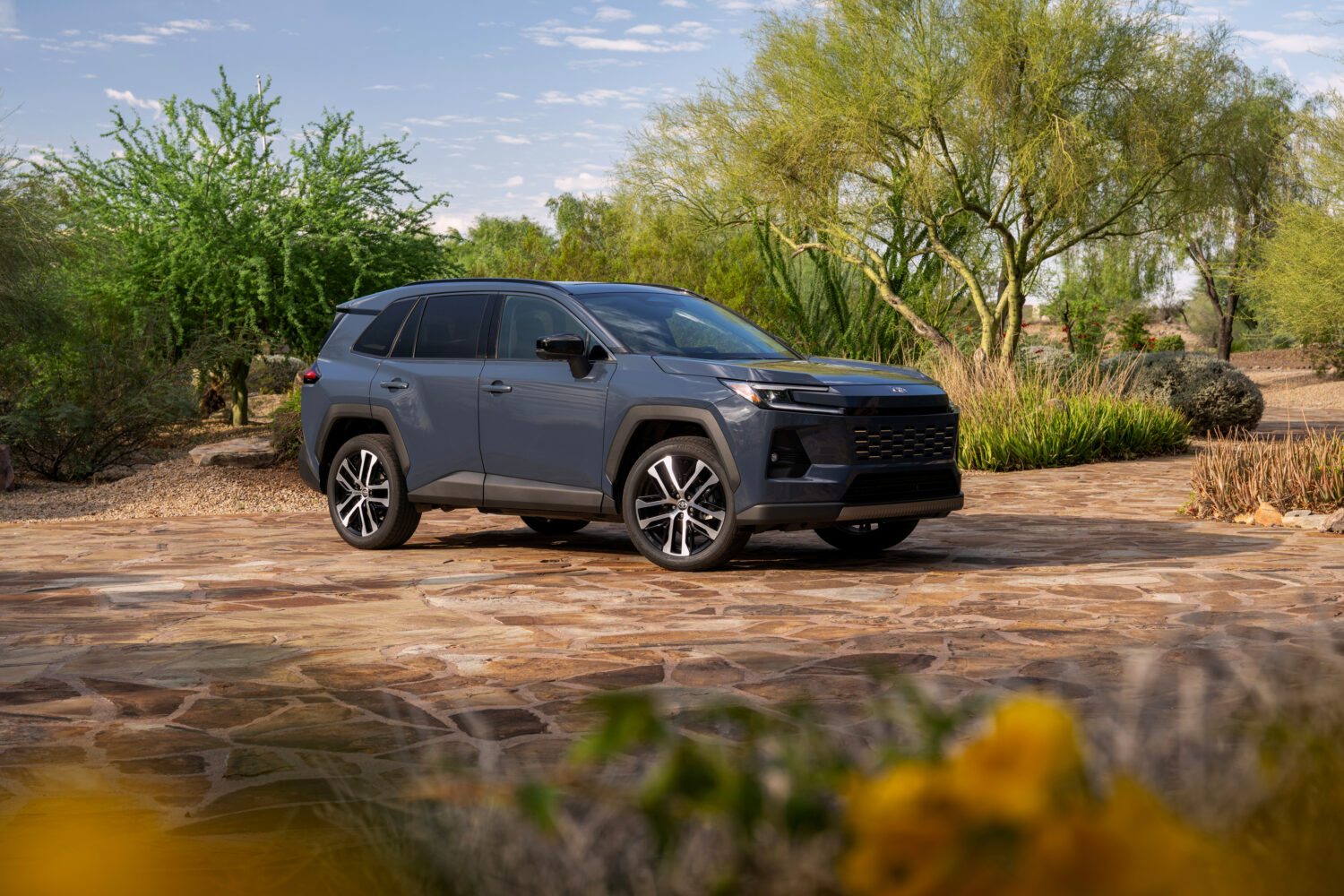
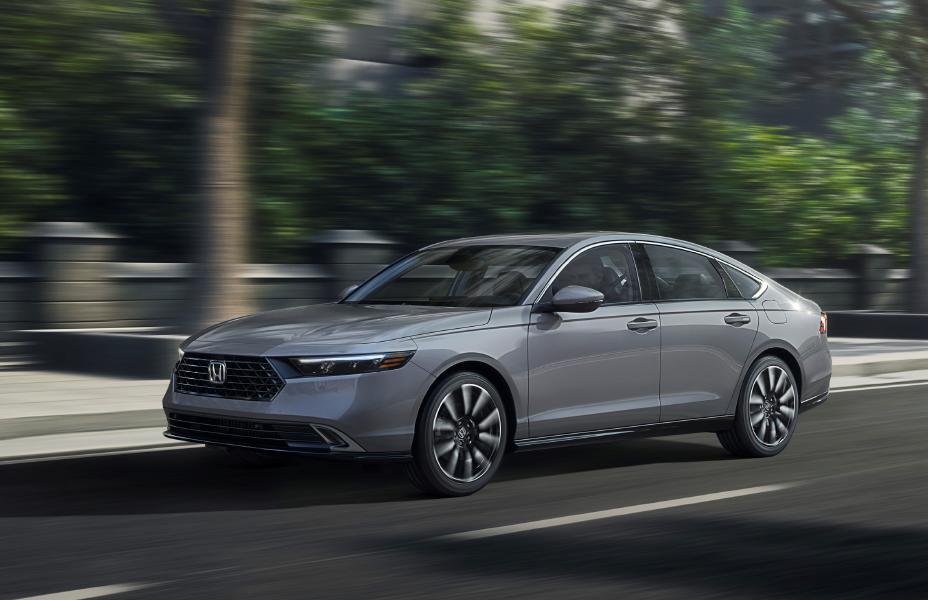
The destination is only half the decision. A fuel-efficient compact car may suit historic towns and narrow streets, while a comfortable wagon or crossover can make long highway days less tiring. An electric vehicle can also work when charging stops are planned around meals and sightseeing, although unfamiliar charging networks require additional preparation.
Before leaving, drivers should confirm driver’s license requirements, insurance coverage, toll systems, low-emission zones and country-specific vehicle equipment rules. Europe does not have one universal set of driving laws, so reviewing official European road rules before departure is worthwhile.
Spain may have won the numbers, but the best road trip still depends on how each traveler prefers to drive. Choose the route, season and vehicle carefully, and the road becomes part of the vacation rather than simply the distance traveled to reach it.