Slate Truck Could Make Cheap Cars Cool Again
The auto industry has spent years teaching buyers that progress should look expensive. Bigger screens, more cameras and pickup trucks priced like vacation homes have become part of the new-car experience.
That is why the Slate Truck is so interesting. Its headline is not luxury. It is restraint. With a listed starting price of $24,950 before taxes, destination and optional equipment, Slate is making a different argument: maybe the next big trend in cars is not more. Maybe it is enough.
About 180,000 people have reportedly put down $50 deposits for the new Slate vehicle, while first-year production is expected to be around 100,000 units. Reservations are not completed sales, but that many people raising a hand for a simple, inexpensive, customizable vehicle is a signal the industry should not ignore.
You may also like: The Slate Truck Makes Pickups Look Overcomplicated
Slate Truck Price Shows The Market Is Tired
The most important thing about Slate may not be that it is electric. It may be that it is affordable. New vehicles have become financially exhausting for many households, and the basic new vehicle has almost disappeared from many showrooms.
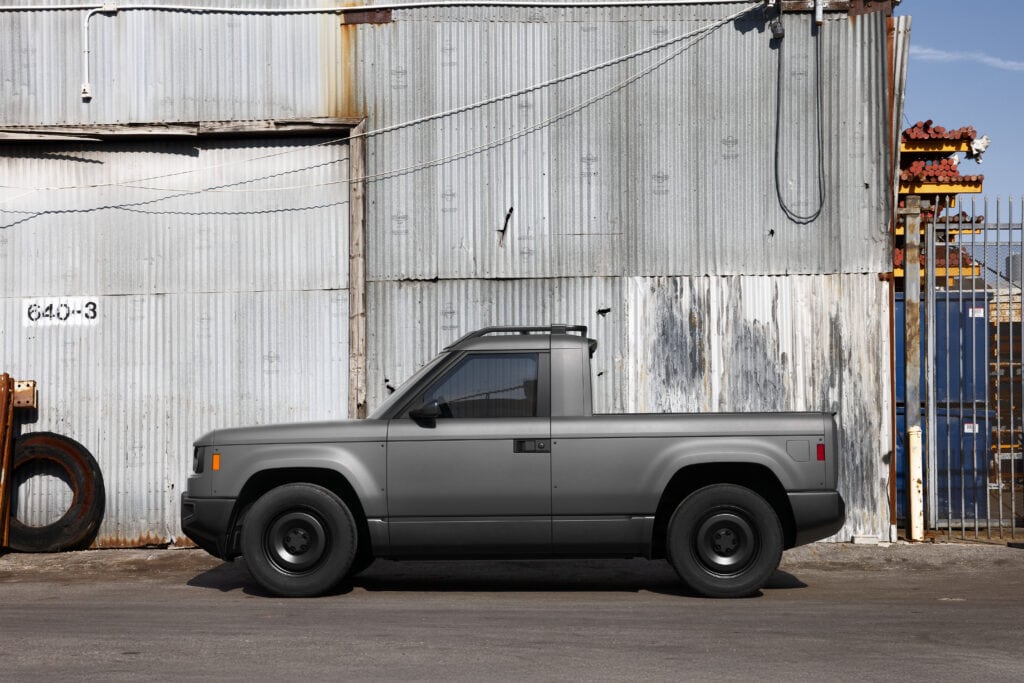
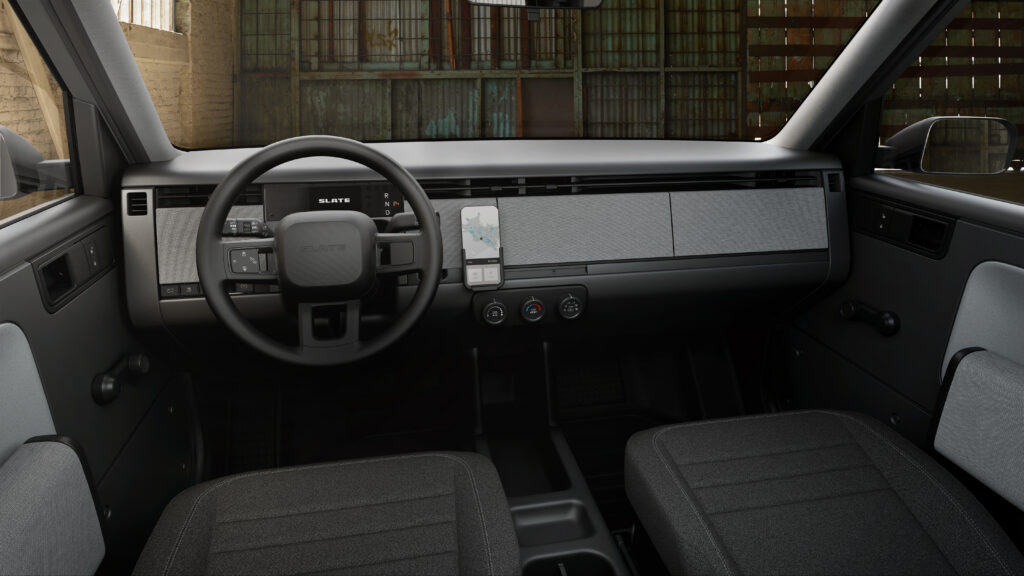
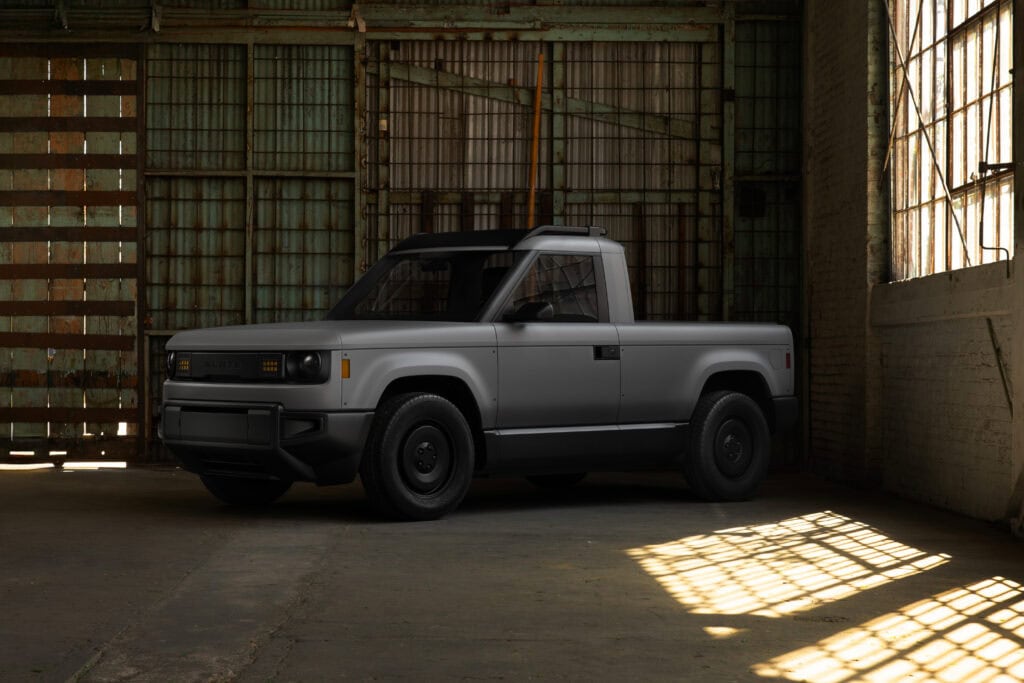
Slate is trying to bring back the basic vehicle without making it feel like punishment. The truck starts as a two-seat pickup. It does not lead with a giant infotainment screen, power everything or luxury trim packages. It is designed around what most people use, then lets owners add the rest later.
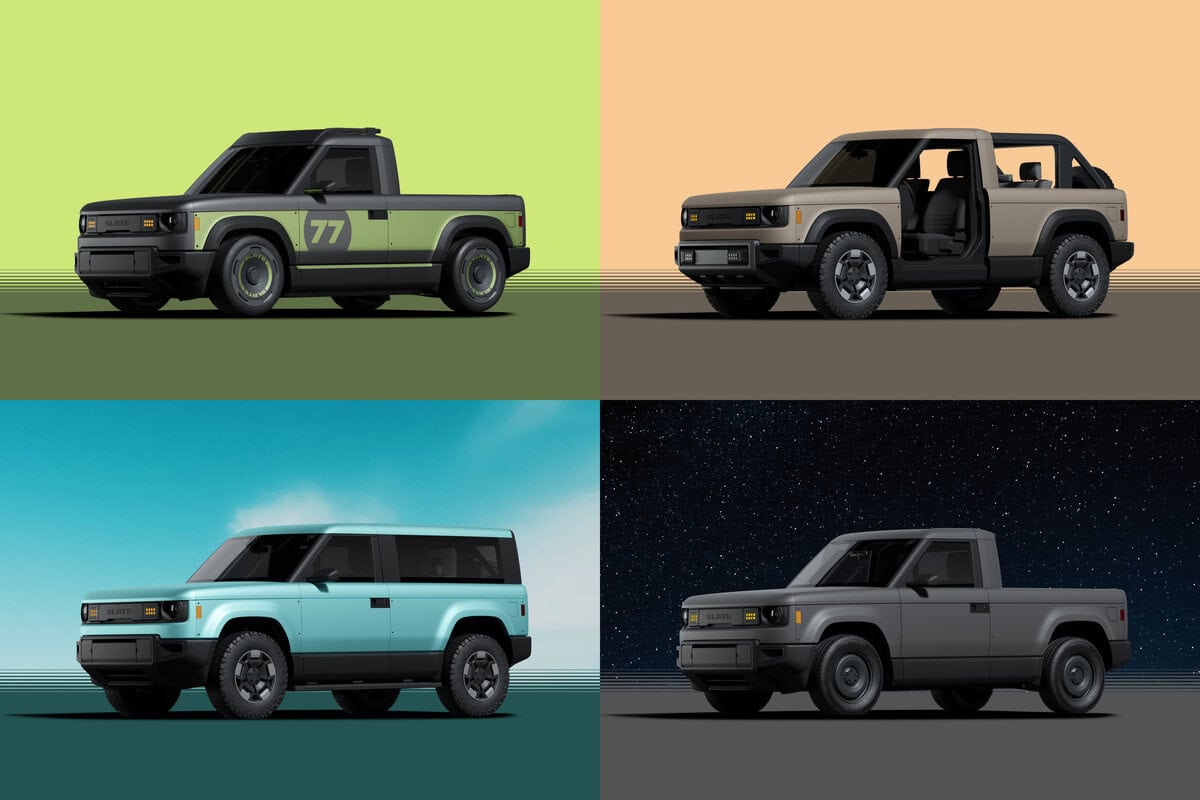
Instead of forcing buyers into expensive packages because they want one feature, Slate starts with a simpler foundation. The buyer chooses what matters, from a stereo and roof rack to seat covers, a wrap or even an SUV-style body.
You may also like: Can Slate Survive By Keeping EVs Simple?
Simple Vehicles Could Become A Trend
Slate’s real threat to the industry is philosophical. Automakers have been adding content because added content helps justify higher prices. It becomes a problem when the market asks why a useful vehicle has to feel so financially heavy.
A simple vehicle does not have to mean a bad vehicle. Simplicity can make a car easier to understand, repair, personalize and live with. Many buyers do not need a rolling luxury lounge. They need something dependable, useful and reasonably priced.
If buyers respond to affordable simplicity, other automakers will notice. Ford is already working on a lower-cost electric truck strategy. Compact pickups such as the Ford Maverick have shown there is a real audience for smaller utility. Slate may not be alone for long.
You may also like: Slate Truck Pricing Coming Soon: EV Market Reality Check
Customization Is The Smart Part
The clever part is that Slate is not selling cheapness as the whole story. It is selling choice. A basic vehicle gives people a lower entry point. Customization gives them a reason to stay engaged.
That could matter more than traditional trim levels. Most vehicles are configured for a buyer’s life on the day of purchase. But life changes. A single buyer becomes a parent. A commuter starts a small business. A dog owner needs washable gear. Slate’s idea is that the vehicle can change without a trade-in.
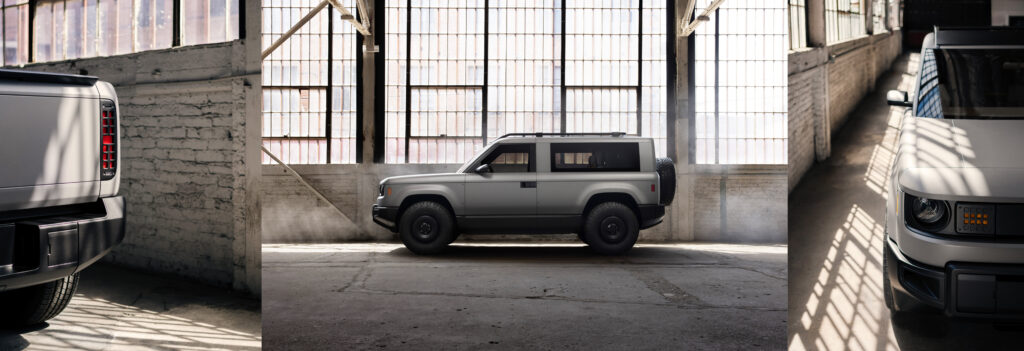
That makes affordability feel less like settling. Buyers are not being told, “This is all you get.” They are being told, “Start here, then build what you need.”
The reservation number is the part that makes this more than a clever idea. Around 180,000 deposits suggests plenty of people are interested in a vehicle that rejects the expensive-truck arms race. Since expected first-year volume is closer to 100,000 units, Slate may already have more early interest than it can satisfy.
That does not guarantee success. Slate still has to build the truck, deliver it, support it, prove durability and earn trust. Safety ratings, service access, charging performance and ownership will matter. A low price can get attention. A good ownership experience keeps it.
The broader lesson is already visible. People are not necessarily tired of new vehicles. They may be tired of feeling priced out of them. If Slate can make simple feel smart instead of stripped, it could give the industry permission to rethink value.
The next car trend may not be the biggest screen or fanciest cabin. It may be a vehicle that asks a question: what do you need, and what would you rather not pay for?