Nissan Z Kaze Concept: The T-Top Buyers Cannot Have
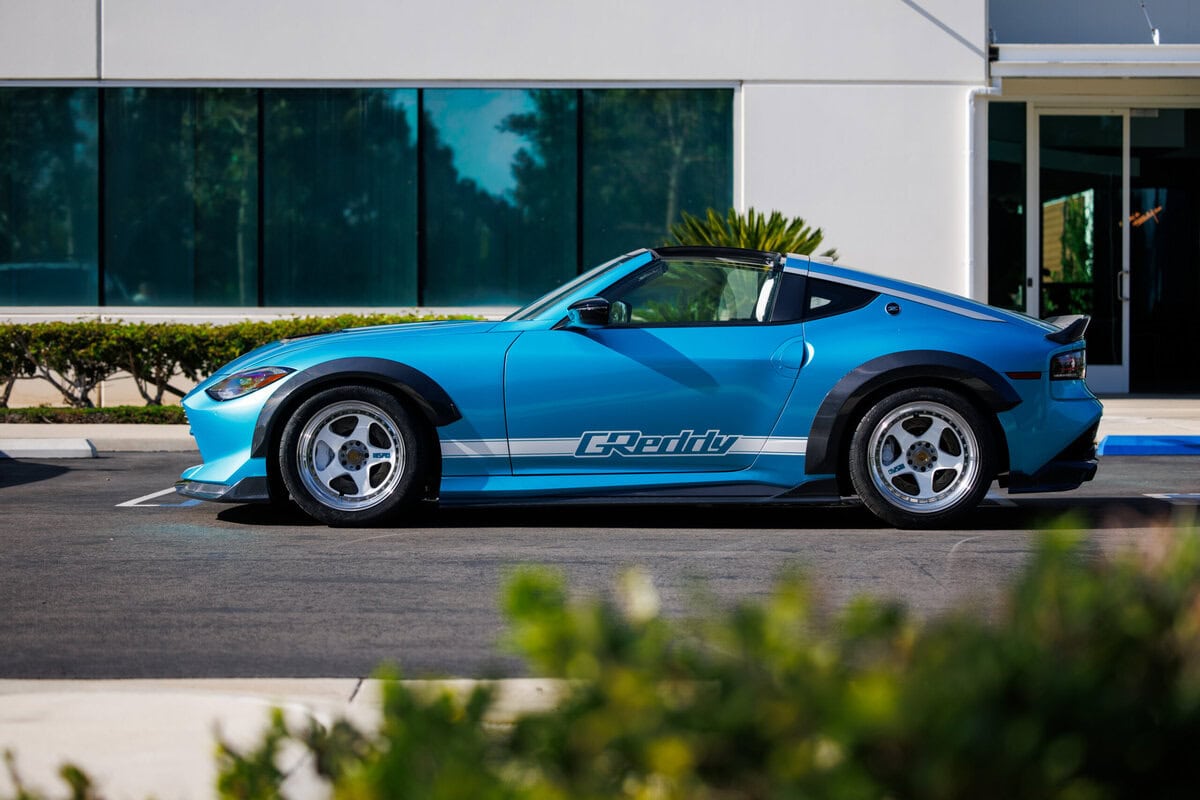
The Nissan Z Kaze concept revives the T-top and 1990s tuner look, but its most useful lesson is what today’s Z buyers can actually get.
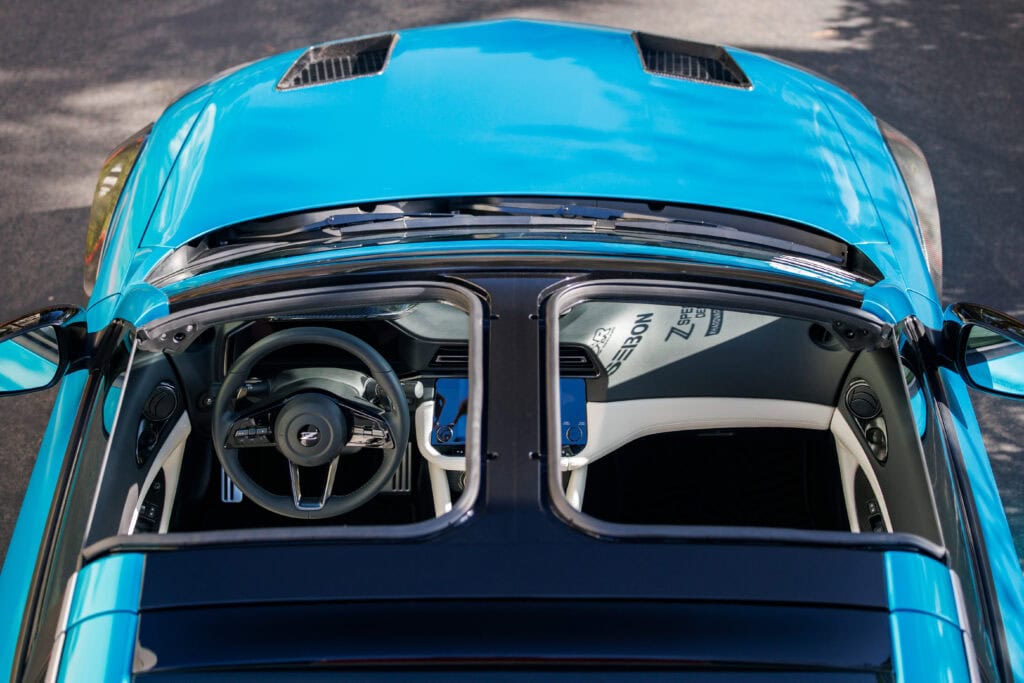
The best detail on Nissan’s new Z Kaze isn’t the paint. It’s the opening in the roof. A pair of removable panels gives the current Z the T-top shape associated with earlier generations, and suddenly this familiar coupe looks like it belongs on a sunlit stretch of the Pacific Coast Highway. Nissan unveiled the one-off at ZCON in Phoenix on September 23. There is one detail to settle before anyone calls a dealer: Nissan says the concept is not available for purchase.
Why the Nissan Z Kaze concept works
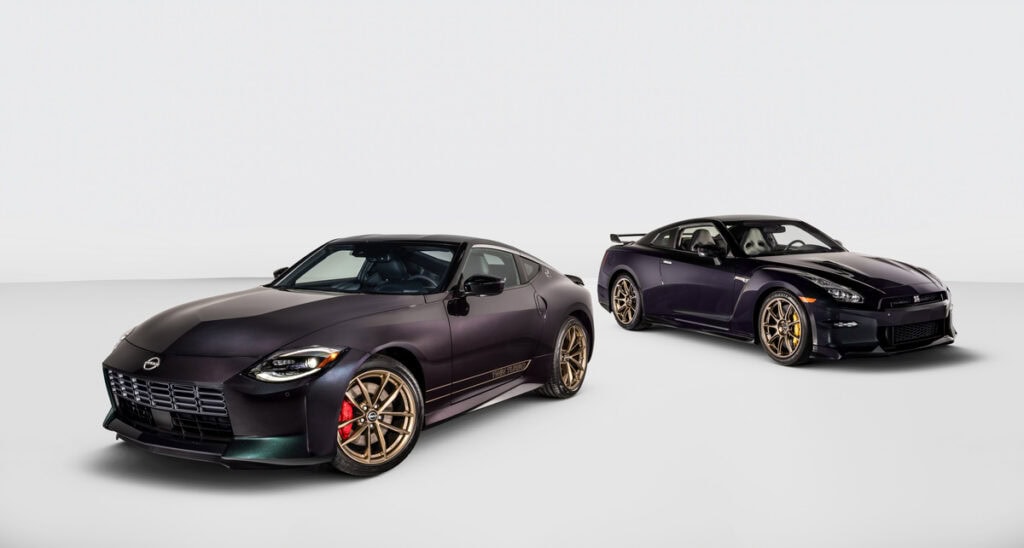
The name comes from the Japanese word for wind. Nissan’s product planners and designers imagined a summer drive with the roof panels out, then built a car around that feeling. That is a more coherent brief than simply applying an old badge to a new vehicle. The Pacific Teal finish, vented carbon-fiber hood, fender flares and carbon-fiber aero pieces point toward the import-tuner era without hiding the current Z’s proportions.
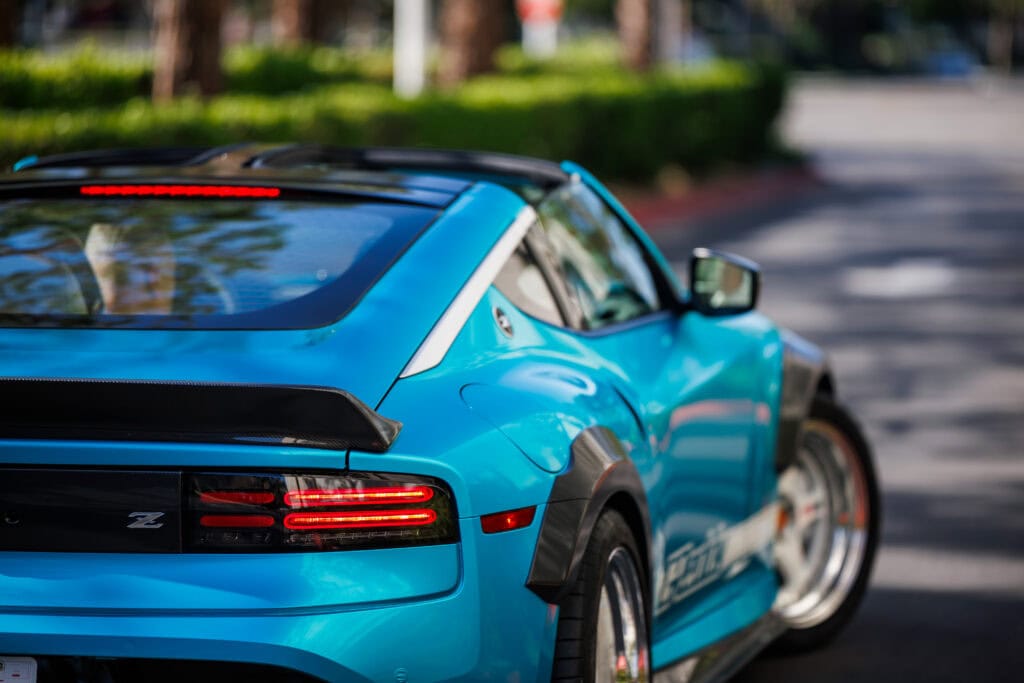
Its most telling pieces may be the 18-inch NISMO LMGT2 wheels. Nissan says the forged, multi-piece design is no longer produced, so the team found an original set and restored it. The fronts measure 10 inches wide and the rears 11. Those dimensions create the stance in the photographs; they are not an announced wheel option for a production Z. Wide wheels and performance tires also make proper tire maintenance especially important on any enthusiast car.
You may also enjoy: Why the 2026 Nissan Z Heritage Edition Hits Different
The T-top is the difficult part
Roof panels change much more than the view from the driver’s seat. A manufacturer would have to consider structural performance, sealing, wind noise, panel storage and the price of developing another body configuration. Nissan has released no production plan, price, weather-sealing result or crash-test information for the Kaze. Its T-top demonstrates a design idea, rather than proving a showroom version is ready.
That distinction matters to buyers tempted by a custom conversion. A roof modification is a structural job, not an accessory installation. The National Highway Traffic Safety Administration’s discussion of aftermarket sunroofs explains how altering a vehicle can involve roof-crush requirements and other safety obligations. That guidance does not evaluate the Z Kaze; it shows why cutting a production roof calls for qualified engineering rather than a casual weekend project.
You may also enjoy: 2027 Nissan Z Pricing Starts at $44,480
What changes beneath the paint
Nissan installed NISMO suspension components and worked with GReddy on a SUPREME SP exhaust, a front-mounted air-to-air intercooler kit and an Airinx air filter kit for the twin-turbo 3.0-liter V6. An intercooler helps cool compressed intake air before it reaches a gasoline engine. Nissan has not published an output figure for this particular car, so it would be wrong to present the standard Z’s rating or the NISMO’s rating as a measured Kaze result.
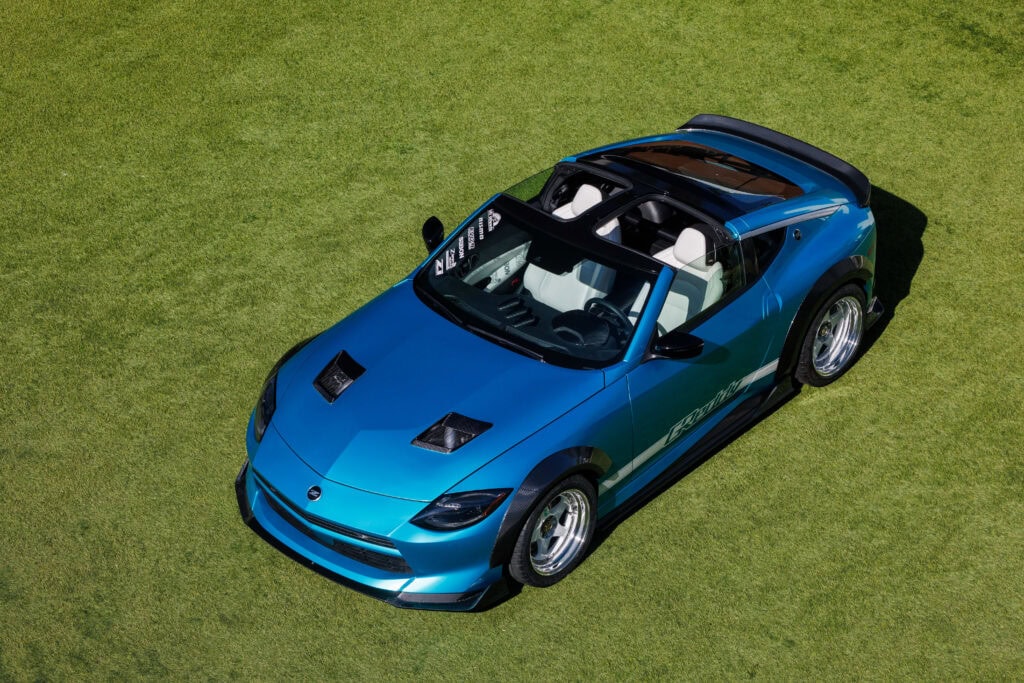
White leather-appointed seats and carbon-fiber trim brighten the cabin. Bose Personal Plus headrest speakers have an obvious job when the panels come out: keeping music audible as wind noise rises. Nissan has described the hardware, but has not supplied a road test showing how the roof, audio or suspension behaves in traffic. I have not driven this concept, and the photographs cannot answer those questions.
You may also enjoy: What Nissan Brake Caliper Colors Really Mean
The Z you can buy today
If the Kaze makes you want a Z, the real comparison is Nissan’s production lineup. The 2027 Z Sport starts at $44,480 before the $1,245 destination charge, according to Nissan’s pricing announcement. Performance adds equipment and costs more; NISMO now offers a six-speed manual. None comes with the Kaze’s removable roof or its restored LMGT2 wheels. Choose a real trim by transmission, driving equipment and delivered price, rather than treating a show car as an unofficial option sheet.
The Heritage Edition is the more direct factory answer for someone drawn to the 1990s aesthetic. It references the Z32 300ZX with color, wheels and graphics, while keeping the production coupe body. A shopper comparing older examples should also check the vehicle’s recall status by VIN and compare the relevant EPA fuel-economy label, instead of assuming a nostalgic design means vintage running costs or maintenance needs.
There is also a difference between a factory heritage package and a project car assembled to suit one person’s taste. The former gives shoppers a defined set of equipment and a production vehicle to compare across dealers. The latter can be deeply satisfying, but the quality of the work and the service history become part of the buying decision. The Kaze is an invitation to imagine what Nissan could offer; it does not establish a parts catalog, a warranty for a roof conversion or an expected resale value. Enthusiasm is a good reason to look closely, and an equally good reason to read the paperwork.
You may also enjoy: 2027 Toyota GR86 Keeps Affordable Sports Cars Alive
A concept with a useful message
Nissan plans to show the Kaze at ZCON through September 26 and at the Japanese Classic Car Show in Long Beach on October 3. That gives enthusiasts a chance to inspect the roof and details up close. It does not turn the exercise into an orderable model. The official release explicitly identifies it as a concept unavailable for purchase.
You may also enjoy: Why Adults Chase the 7-Eleven Hot Wheels GT-R
The Z Kaze earns its attention because the parts serve a recognizable idea: an open-air Z that remembers tuner culture without pretending it is 1994. For Nissan, the next question is whether enough drivers would pay for a thoroughly engineered T-top. For shoppers right now, the answer is simpler: enjoy the concept, then judge the actual Z on the equipment, price and driving character Nissan is prepared to sell.