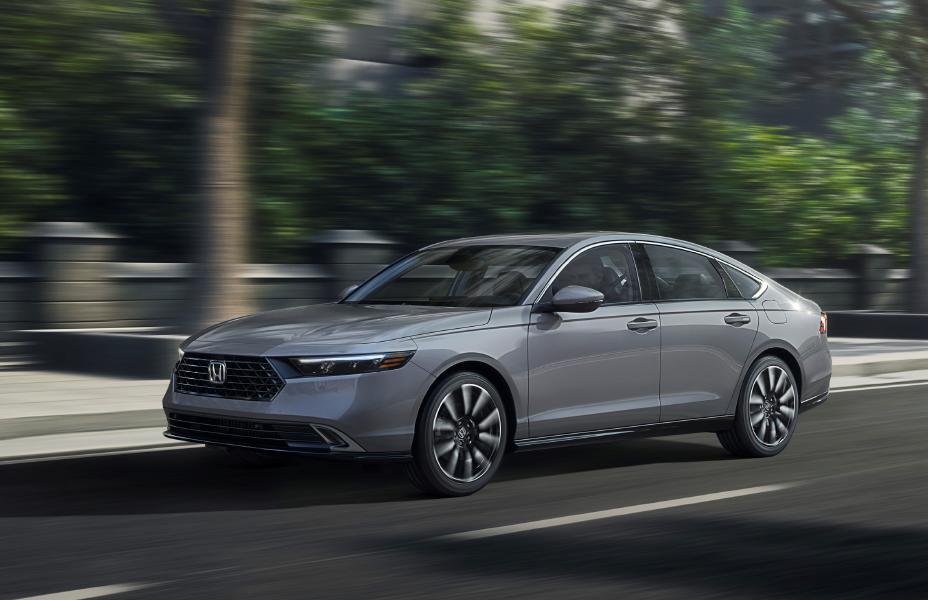
Honda CR-V Takes Top Spot Over F-150 and RAV4
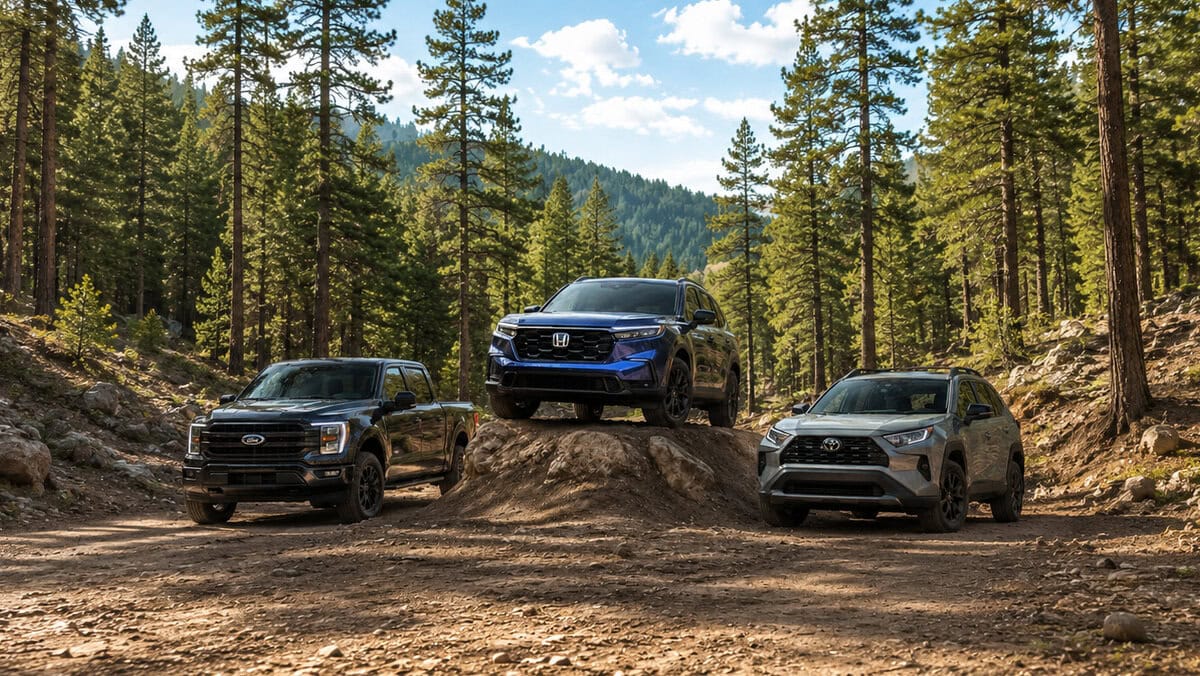
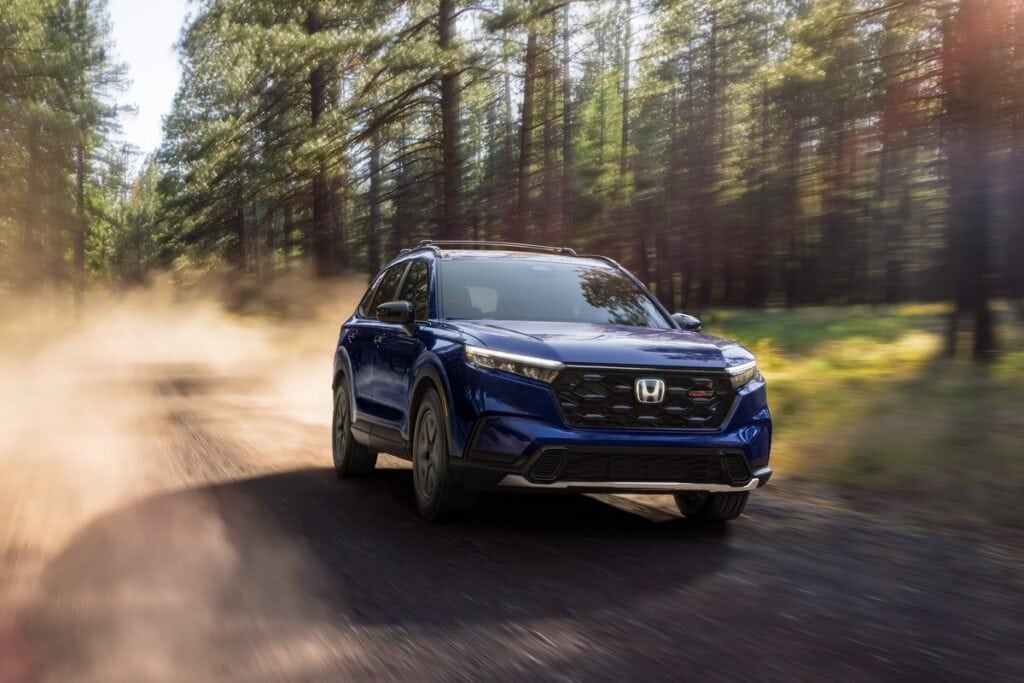
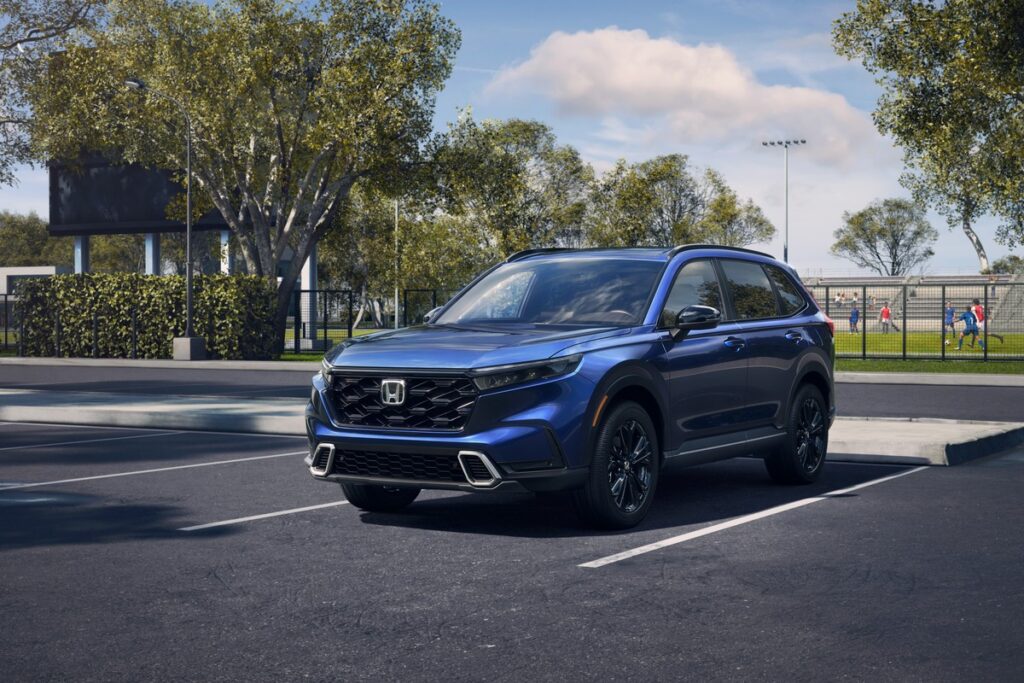
In a market that usually treats pickup trucks like royalty, the Honda CR-V just pulled off one of the strangest sales upsets of 2026. Through the first half of the year, Honda’s compact SUV moved ahead of the Ford F-150 and Toyota RAV4, two names that normally sit near the top of America’s sales chart like they own the furniture.
That doesn’t mean America suddenly stopped loving trucks or Toyota crossovers. It means availability still matters. A buyer can only fall in love with a vehicle that actually exists on a dealer lot, and this year the CR-V was in the right place at the right time.
The bigger story is not just that Honda won a six-month sales race. It’s that the win says something about where the market is going. Families want efficiency, space, reliability, and a payment that doesn’t feel like a second mortgage. The CR-V delivers that without needing to shout.
You may also like: 2026 Honda CR-V TrailSport Hybrid: A Best-Selling SUV Goes Off-Road and Online in Style
Honda CR-V Sales Hit The Right Moment
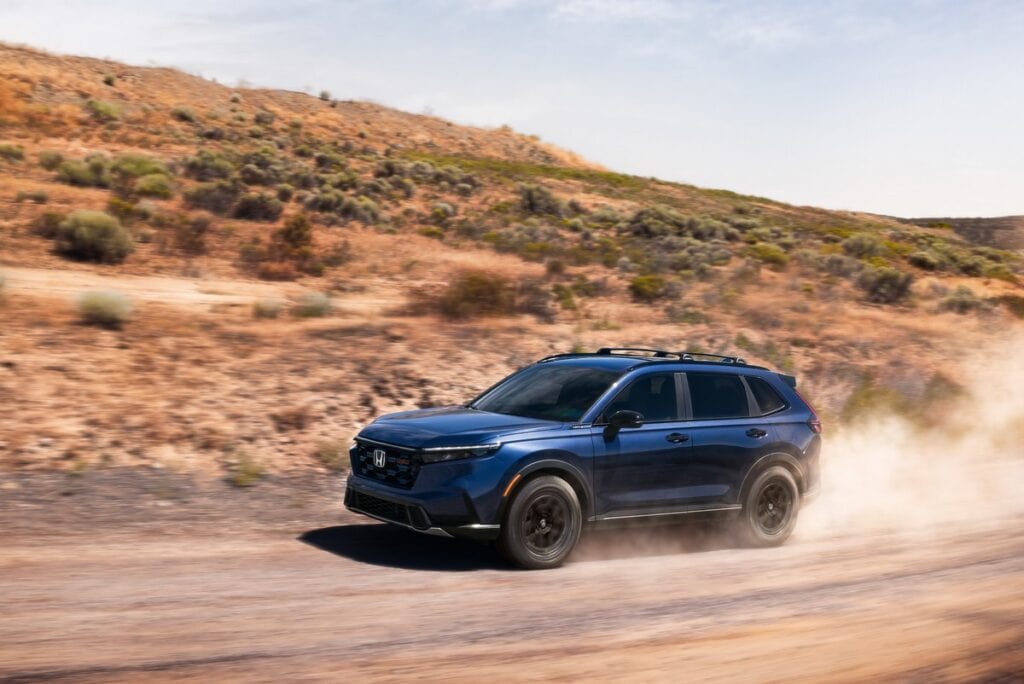
Honda reported 226,114 CR-V sales in the first half of 2026, a record pace for the model and enough to push it ahead of key rivals in the individual nameplate race. That’s not a small achievement for a compact SUV, especially where the Ford F-150 has long been treated as the default answer to “what does America drive?”
The CR-V’s rise is also about consistency. It isn’t the flashiest SUV in the segment, and that’s partly the point. It gives buyers usable rear-seat space, easy cargo access, strong resale value, and a hybrid option that has moved from “nice to have” to “why wouldn’t you?” In a higher-rate market, predictability has become a luxury feature.
Honda also benefited from having a familiar product during an uncertain shopping year. When buyers are tired of waiting lists, confusing incentives, and sticker shock, a CR-V feels like a safe decision. Safe doesn’t mean boring. It means the vehicle answers the questions families ask before they sign.
You may also like: Toyota’s RAV4 Hybrid Bet Starts In Kentucky
Supply Shortages Changed The Race
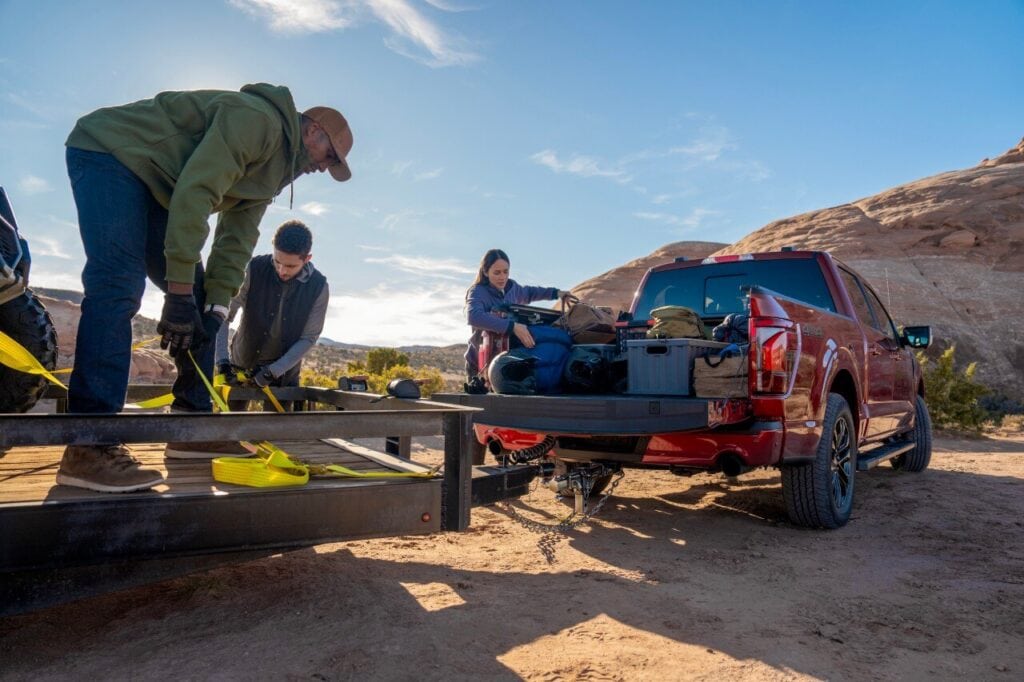
The F-150 and RAV4 didn’t suddenly become unwanted. They were held back by supply problems. Ford says first-half F-Series results reflected a retiming of commercial production after aluminum supply shortages, with supply expected to recover more fully in the second half of 2026. That kind of disruption matters when your best-known product is built around aluminum-intensive truck bodies.
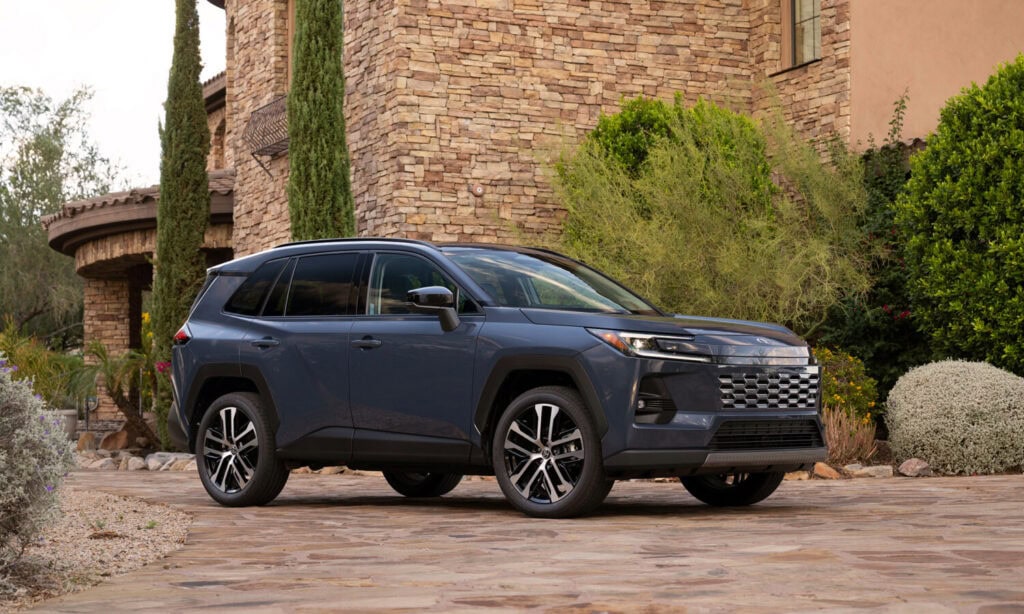
Toyota had its own issue. The RAV4 is changing over to a new generation, and model transitions are messy even when they’re planned well. Toyota Kentucky started assembly of the all-new RAV4 Hybrid in June, but the ramp-up came after months of thinner availability. Shoppers who wanted a RAV4 could not always find the one they wanted, when they wanted it.
That’s how sales crowns change hands. Not because one vehicle suddenly becomes perfect, but because competitors miss a window. Honda found the opening and drove through it.
You may also like: America’s Car Buyers Have Spoken: Hybrids Win
Why Buyers Are Choosing Smaller, Smarter SUVs
The CR-V’s victory also reflects a broader shift. Many buyers still admire full-size pickups, but fewer can ignore the math. Transaction prices on big trucks have climbed high enough that even loyal truck shoppers are pausing. A compact SUV with strong fuel economy and enough room for a family starts to look less like a compromise and more like the sensible center of the market.
The hybrid piece matters. CR-V Hybrid sales represented more than half of the model’s first-half volume, which shows that buyers are not just looking for cheaper transportation. They’re looking for efficiency without the lifestyle homework of a plug. That is the sweet spot right now.
Toyota will recover. Ford will recover. The F-150 and RAV4 are too strong to stay down for long. But the CR-V’s moment is meaningful because it proves the sales race is not only about brand history anymore. It’s about timing, supply, value, and trust. In 2026, Honda didn’t need to reinvent the American family car. It just needed to have enough of the right one ready.