Heavy-Duty Truck Towing Confidence: Which One Wins?
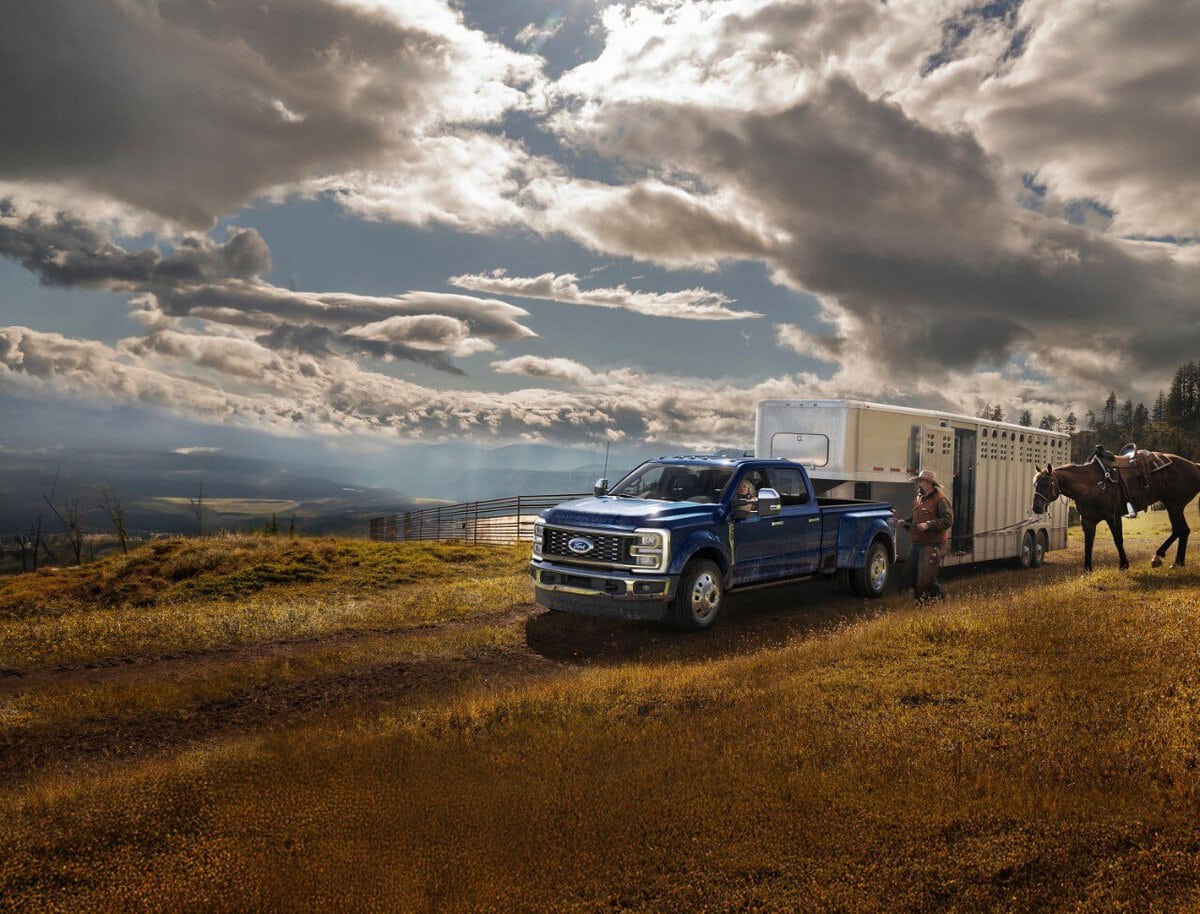
The Real Safety Test Is Not a Stunt: Ford F-250, Silverado HD, Sierra HD and Ram 2500 towing confidence comes from numbers, not tricks.
The Real Safety Test Is Not a Stunt
Heavy-duty truck towing confidence is not created by a fake panic stop, a smoky camera trick, or one heroic-looking swerve in an empty parking lot. It comes from the numbers, the hardware, the visibility, and the driver knowing exactly what the truck and trailer can safely handle. That is why the Ford F-250 Super Duty, Chevrolet Silverado 2500 HD, GMC Sierra 2500 HD, and Ram 2500 deserve to be judged by more than horsepower.
These are America’s big work-and-family trucks, built for campers, horse trailers, boats, construction gear, equipment trailers, and the kind of weekend projects that somehow require three trips to the hardware store. They can all pull serious weight when properly equipped, but the safest choice is not automatically the one with the loudest badge or the biggest brochure number. The truck that saves your bacon is the one that matches the trailer, carries the load correctly, helps the driver see, and keeps physics from becoming the main character.
That matters because a trailer does not simply follow along politely behind the truck. It pushes, pulls, transfers weight to the hitch, changes steering feel, increases stopping distance, and can punish even a confident driver who ignores setup. NHTSA has explained that towing a trailer depends not only on the tow vehicle having enough power, but also on its ability to carry the tongue weight placed on the vehicle.
You may also enjoy: Best Full-Size Trucks in America for 2026
Why Spec Matters More Than Trim
The first rule of heavy towing is simple: spec matters more than trim. Engine, axle ratio, cab configuration, bed length, hitch equipment, tires, brakes, payload rating, and trailer type all affect what a truck can safely do. A luxurious version of a heavy-duty pickup may feel more impressive from the driver’s seat, but extra equipment can reduce payload and change the useful working numbers.
That is why the sticker inside the driver’s door matters so much. It tells you what that exact truck can carry, not what the most capable version of the model can do in a commercial. Passengers, tools, cargo, bed accessories, tongue weight, and aftermarket equipment all count against payload, which means an overloaded truck can be in trouble long before the engine feels strained.
The same logic applies to towing technology. Cameras, trailer guidance systems, tire pressure monitoring, onboard scales, and trailer brake controls are not there to make bad decisions safe. They are there to reduce guesswork, help the driver see what is happening, and make a properly matched setup easier to manage.
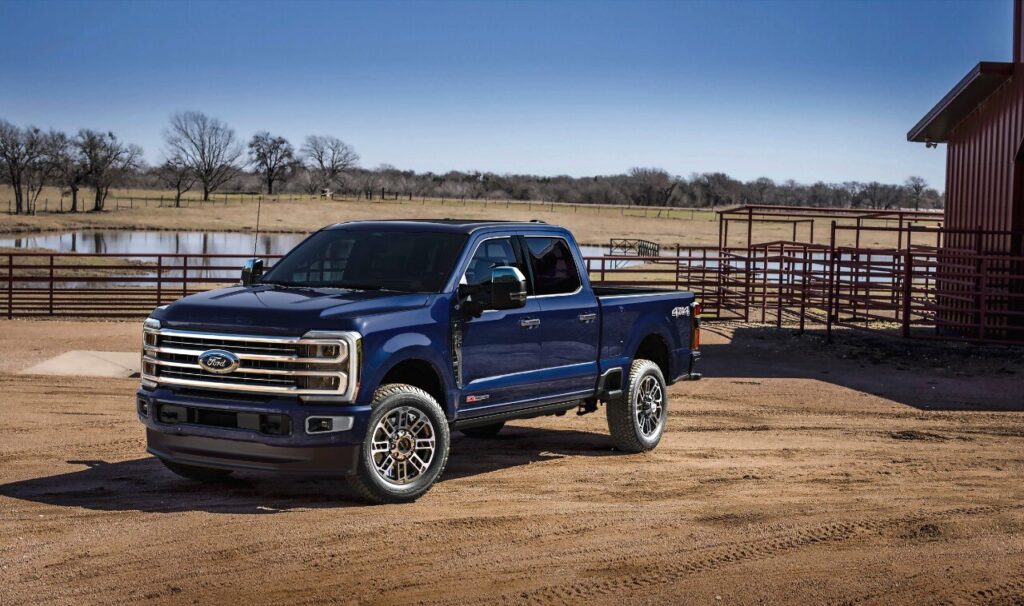
First Place: Ford F-250 Super Duty
The Ford F-250 Super Duty takes first place because it blends serious capability with some of the most useful towing technology in the segment. Ford has spent years treating towing as a complete system, not just a power contest. That approach matters when a driver is backing toward a hitch, balancing bed weight, reversing a trailer, or trying to keep a long load calm in traffic.
Available Ford features such as Pro Trailer Backup Assist, Pro Trailer Hitch Assist, trailer reverse guidance, a 360-degree camera system, and Onboard Scales with Smart Hitch all attack the moments where towing usually goes wrong. The goal is not to make towing effortless. The goal is to give the driver better information before a small mistake becomes a large bill.
The F-250 also benefits from the broader Super Duty lineup. Buyers can choose gas or diesel power, multiple cab and bed combinations, and towing-focused equipment packages. That flexibility gives Ford a strong advantage, especially for owners who need a truck configured around the trailer rather than a trailer chosen around the truck already sitting in the driveway.
You may also enjoy: 2027 Ford Super Duty Carhartt Package: Built to Take the Same Abuse as Your Carhartt
Ford wins this “saves your bacon” round because it combines strength, setup help, trailer visibility, and weight awareness in a way that feels especially complete. That does not mean every F-250 is automatically the right answer. If you buy the wrong version for the job, the crown gets very wobbly very quickly.
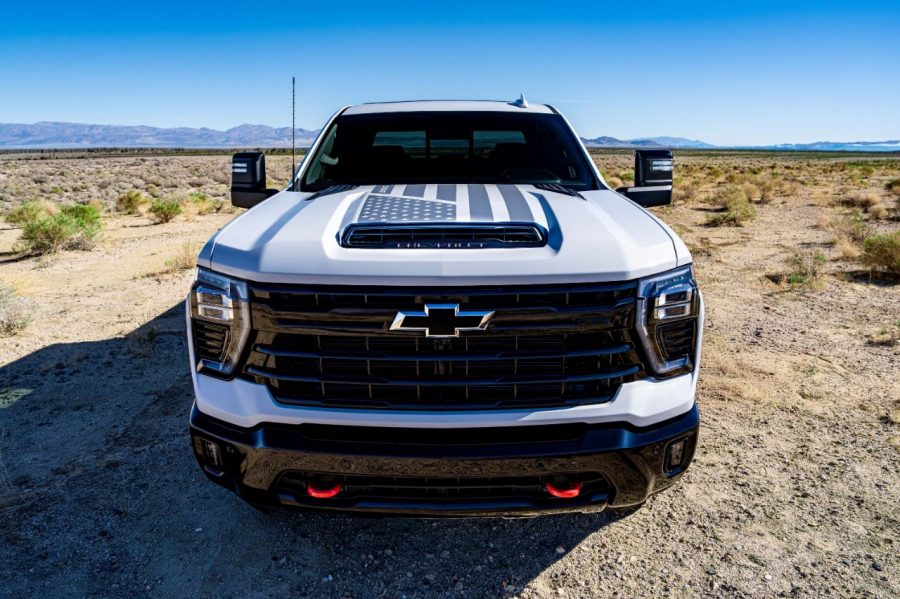
Second Place: Chevrolet Silverado 2500 HD
The Chevrolet Silverado 2500 HD earns second place by making very large towing jobs feel less mysterious. Chevy’s heavy-duty truck brings serious pulling strength, but its real safety advantage is visibility. Most towing trouble starts with poor setup, bad sightlines, an overloaded combination, or one small mistake made at the wrong time.
Available Silverado HD camera technology includes views designed to help with hitching, bed monitoring, trailer position, and maneuvering around what the truck is pulling. Features such as Hitch View, Bed View, Transparent Trailer View, an in-vehicle trailering app, and Trailer Side Blind Zone Alert can be genuinely useful when they are understood and used correctly. NHTSA’s guidance on driver assistance technologies also makes the broader point that these systems assist the driver rather than replace the driver.
Chevy’s trick is making huge things feel slightly less stupid. That line may sound casual, but the idea is serious. When you can see the hitch, check the bed, monitor the trailer, and reduce blind spots, the entire towing job becomes less dependent on hope and arm-waving from someone standing behind the truck.
You may also enjoy: 2027 Chevy Silverado Keeps the V8 Fight Alive
The Silverado HD finishes behind Ford because Ford’s full package feels a little more rounded for weight management and driver workload. Still, a properly equipped Silverado 2500 HD is an extremely credible towing partner. For buyers who value camera coverage and practical trailering tools, Chevrolet is very close to the top.
Third Place: GMC Sierra 2500 HD
The GMC Sierra 2500 HD finishes third, but that should not be read as a weak result. In many ways, the GMC is the Chevrolet Silverado HD in a better suit. It shares much of the same heavy-duty General Motors foundation while adding a more upscale cabin, richer trim choices, and a more polished personality.
GMC’s ProGrade Trailering approach helps keep the Sierra HD near the front. The available systems are designed to streamline hitching, improve visibility, support trailer setup, and give the driver more confidence while towing. The Sierra 2500 HD also offers strong maximum towing and payload figures when properly equipped, but as always, the exact truck configuration decides the real number.
This is where buyers need to be honest about how the truck will be used. A Denali or Denali Ultimate may be wonderful on a long highway drive, but premium equipment can affect payload. The nicest truck is not always the most useful version for the heaviest trailer.
You may also enjoy: Why Your Next Truck Just Got More Expensive and Harder to Find in 2026
The Sierra HD is the right answer for someone who tows regularly but also wants the cabin to feel less like a job-site penalty box. It is tough underneath and nicer inside. That combination makes it especially appealing to owners who use one truck for both serious hauling and everyday life.
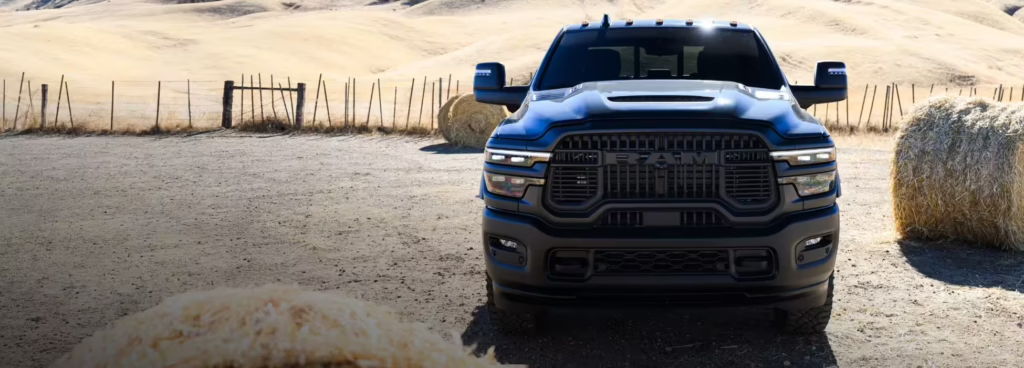
Fourth Place: Ram 2500
The Ram 2500 lands fourth in this ranking, but dismissing it would be foolish. Ram’s strength is torque, control, diesel character, braking support, and ride comfort. It may not win this all-around max-tow confidence ranking, but it remains a muscular and steady truck when properly equipped.
The available Cummins diesel gives the Ram 2500 the kind of low-end strength that truck people love to argue about over lunch. Available features such as trailer reverse steering control, trailer tire pressure monitoring, fifth-wheel and gooseneck prep, an automatic smart exhaust brake, and available rear air suspension can all help when the truck is used within its rated limits. Ram loses the top spot here, but it absolutely wins the torque pub argument.
Ram’s control story is especially important downhill. A useful exhaust brake can help manage speed without leaning entirely on the service brakes, which is exactly the kind of detail that matters when a trailer is heavy and the road starts dropping. This is not glamorous technology, but it is the sort of thing owners appreciate after the first long mountain descent.
You may also enjoy: Why Small Trucks Are America’s Smartest Pickup Choice
Ram finishes fourth because Ford, Chevy, and GMC build stronger overall cases for this specific ranking. That ranking is not about personality or loyalty. It is about the total blend of towing capacity, payload flexibility, visibility, trailering assistance, and confidence for a driver managing real weight.
The Braking Distance Number Nobody Should Fake
Now let’s talk about braking distance, because this is where some towing conversations get silly very quickly. There is no fair single braking-distance number that applies to every truck in this group under every towing condition. Tires, trailer weight, brake controller settings, trailer brakes, road surface, weather, load balance, suspension setup, and driver reaction all matter.
A truck tested empty on a dry surface tells you very little about what happens with a heavy trailer, worn trailer tires, uneven cargo, and a driver who forgot to check brake gain. Anyone pretending otherwise is selling you confidence by the pound. NHTSA’s tire safety guidance is a useful reminder that tire pressure, tread condition, age, and damage are safety issues, not housekeeping chores.
Load security matters just as much. NHTSA warns drivers to secure your load properly because cargo that shifts, drops, or escapes can endanger everyone around the vehicle. For commercial and heavy hauling contexts, FMCSA’s cargo securement material shows how seriously load movement is treated when heavy vehicles operate on public roads.
What Actually Saves Your Bacon
The final ranking is Ford F-250 Super Duty first, Chevrolet Silverado 2500 HD second, GMC Sierra 2500 HD third, and Ram 2500 fourth. Ford wins for the strongest all-around blend of towing confidence, trailer technology, weight awareness, and capability. Chevy is second because its visibility tools make huge trailers feel less mysterious, while GMC is third because it adds comfort and polish to much of the same GM heavy-duty foundation.
Ram is fourth, but it remains strong, steady, and highly capable when properly configured. For some owners, especially those who value diesel torque and control on long grades, it may still be the most emotionally satisfying choice. Rankings are useful, but the trailer, route, payload, and real-life job should make the final decision.
The safest American heavy-duty truck is not the one with the bravest advertising. It is the one with the right numbers, the right hitch, the right trailer brakes, the right tires, the right mirrors, the right load balance, and a driver who has not confused courage with physics. These trucks are more capable than ever, but the smartest one is still the one properly equipped for the job.