American-made cars are back, But Not How You Think
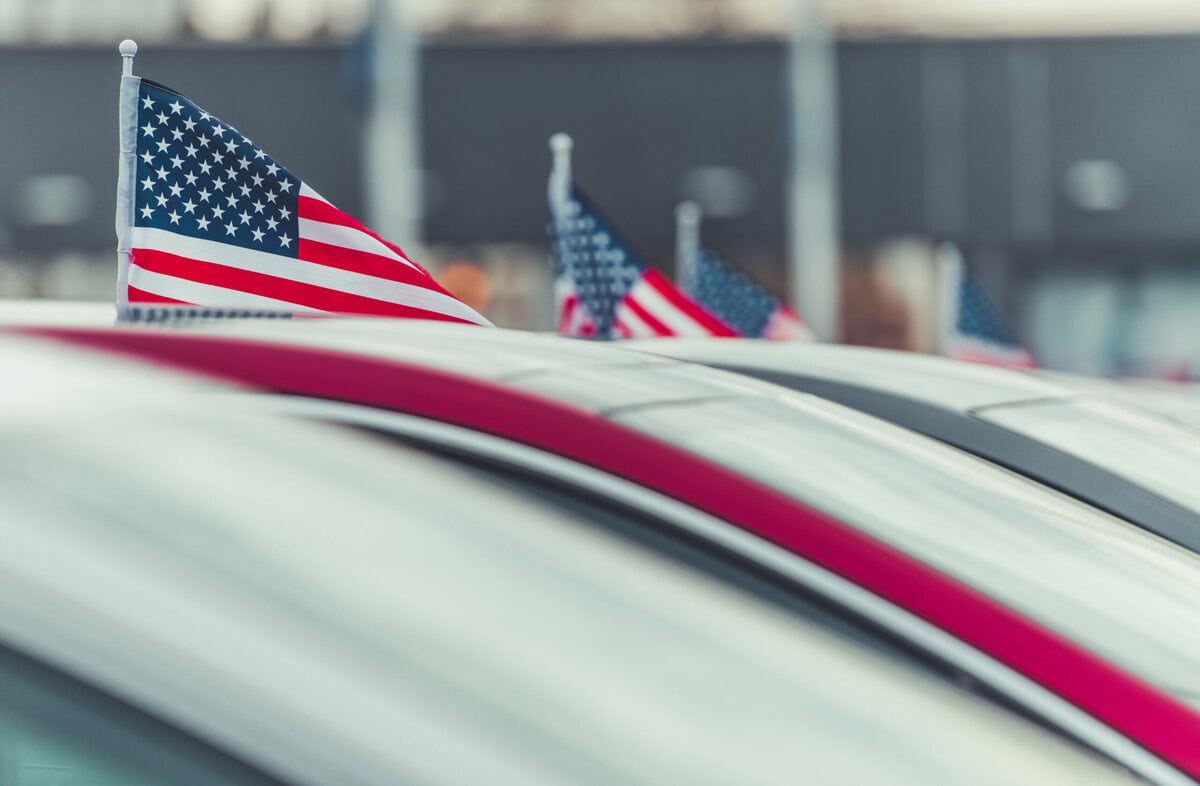
American-made cars are suddenly a bigger deal at the dealership, but not in the simple way many buyers remember.
For years, shoppers mostly talked about price, reliability, horsepower, fuel economy, cargo space, and whether the monthly payment required a small act of courage. Now another question is creeping into the buying decision: where was this vehicle built, and how many American jobs does it support?
That is not just patriotic window dressing. A recent Cars.com survey found that 57 percent of consumers say they are willing to pay more for a vehicle that creates U.S. jobs. Another 42 percent say tariffs have made them more likely to seek out an American-made vehicle. In a car market where every dollar matters, that is a meaningful shift.
You may also like: The Most American Cars? Not Who You Think
The New American Car Map Looks Different
The surprise is that American-made does not always mean what people think it means. The badge on the hood is only part of the story. Assembly location, parts sourcing, engine production, transmission sourcing, battery supply, and U.S. workforce impact all matter.
That is why some of the vehicles ranking highly for American-made content come from companies with global headquarters outside the United States. Toyota, Honda, BMW, Hyundai, Kia, Mercedes-Benz, Subaru, Nissan, and Volkswagen all have major U.S. manufacturing footprints. Some build vehicles in Kentucky, Alabama, Georgia, South Carolina, Tennessee, Mississippi, Indiana, and Ohio.
That makes the old debate less useful. A vehicle from a Detroit brand may be assembled outside the United States. A vehicle from a Japanese, Korean, or German brand may support thousands of American jobs. The shopping question is no longer simply “Is this an American brand?” It is “Where is this vehicle actually made?”
You may also like: 2026 Toyota EV Lineup Finally Fits Real Life
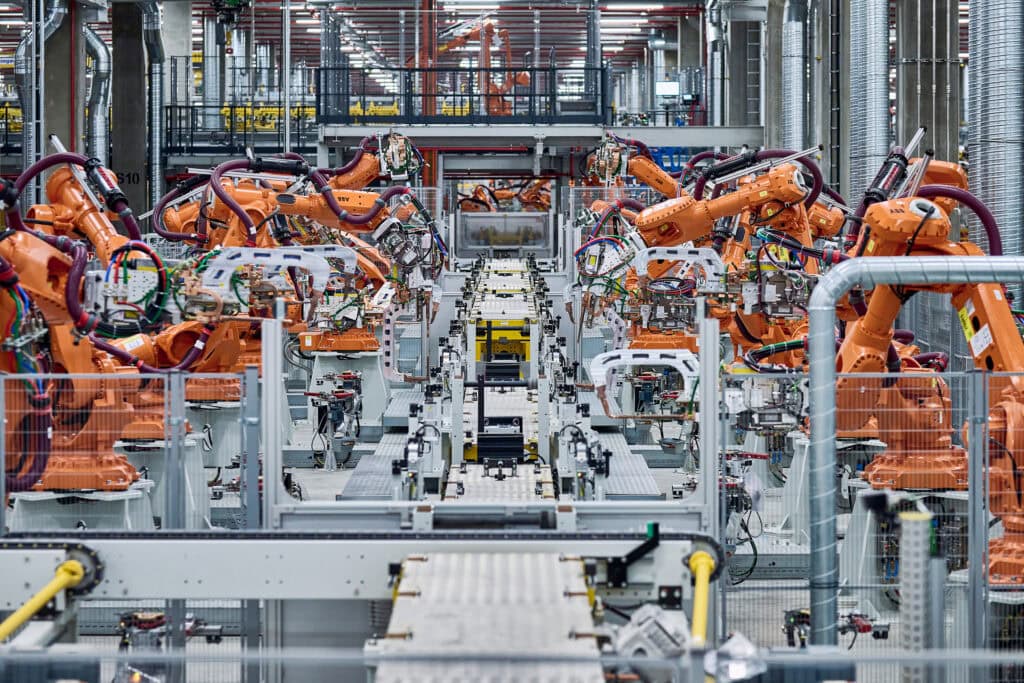
Factories Are Becoming Part of the Sales Pitch
The timing matters because the United States has been experiencing one of the largest automotive factory investment waves in modern memory. Much of it has been tied to EVs and batteries, but the picture is broader than that.
Atlas Public Policy reported that from 2000 through September 2024, private companies announced $208.8 billion in U.S. EV manufacturing and battery investment, tied to more than 240,000 manufacturing jobs. More than half of that investment was announced after August 2022.
Toyota’s nearly $14 billion battery plant in North Carolina is a useful example because it does not tell a single-lane EV story. The North Carolina plant is designed to make batteries for hybrids, plug-in hybrids, and battery-electric vehicles, supporting roughly 5,000 jobs. That fits the market better than a one-size-fits-all strategy, especially as many buyers are still weighing charging access, fuel savings, range, and price.
The same broader pattern is happening across the industry. Automakers are investing in flexible plants that can respond to what shoppers actually buy. That may mean EVs, hybrids, gas trucks, family SUVs, batteries, motors, or components. The factory boom is not just about replacing one kind of car with another. It is about rebuilding the supply chain closer to the buyer.
You may also like: Why the Rivian R2 Could Be America’s Next Big EV SUV
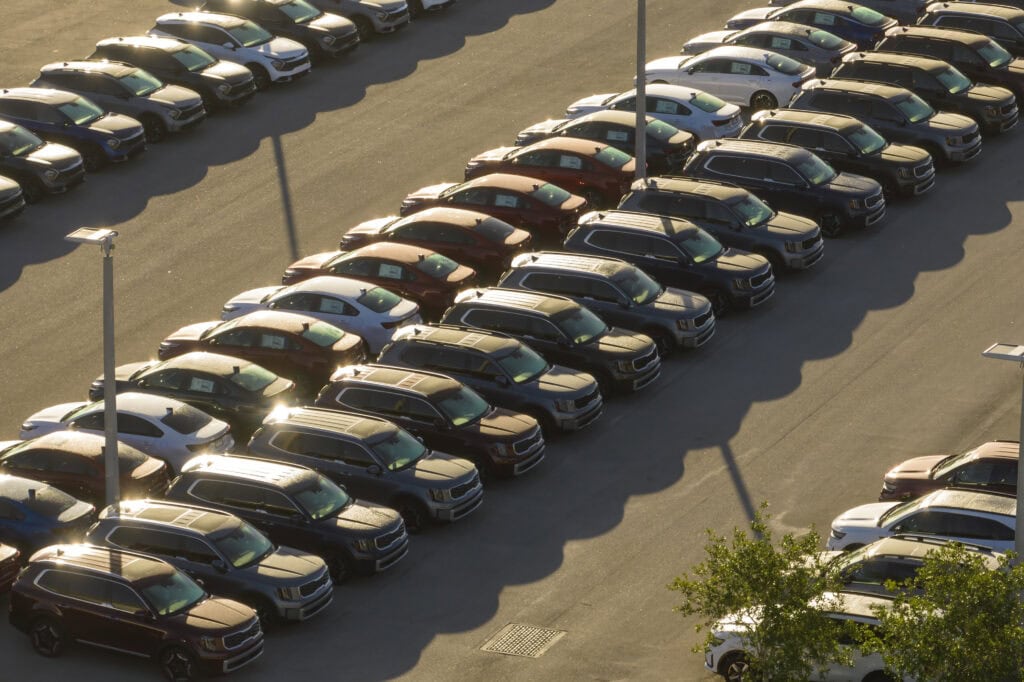
Tariffs Made Buyers Pay Attention
Tariffs have turned a quiet manufacturing issue into a kitchen-table issue. Most shoppers do not read supply-chain reports for fun. They notice when prices rise, incentives change, or a vehicle suddenly costs more than expected.
That is why American-made status now has a sharper edge. It can feel practical, patriotic, and financial at the same time. A buyer may want to support U.S. jobs, but they may also be trying to avoid tariff-related price pressure or uncertainty around imported parts.
Still, this is not as simple as buying the vehicle with the biggest flag in the commercial. Modern cars are global products. A single SUV may include design work from California, engineering from Michigan, software from overseas, batteries from North Carolina, and final assembly in Kentucky. The window sticker matters more than the slogan.
You may also like: EV Discounts Are Getting Hard To Ignore

What This Means for Car Buyers
The smart move is not to assume. Check where the vehicle is assembled. Look at domestic parts content. Ask where the battery comes from if you are shopping hybrid or electric. Compare that with price, incentives, reliability, safety, and resale value.
American-made is becoming a feature, but it is not the only feature. A vehicle still has to fit your life, your driveway, your budget, and your family.
The comeback of American-made cars is real. It is just more complicated, more global, and more interesting than the old version. The next vehicle that supports American jobs may not be the one you expect. And that may be the most American part of the story.