Hyundai affordability: Planning Cars Buyers Can Pay For
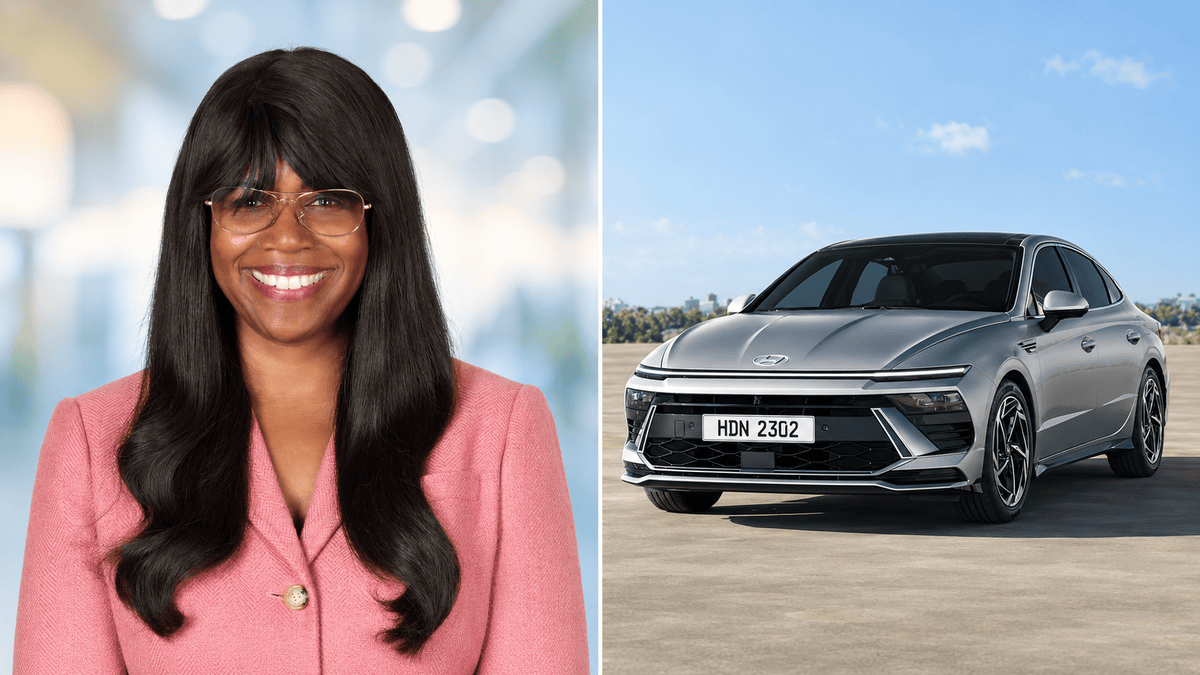
Hyundai affordability starts years before a car reaches dealers, as Olabisi Boyle explains the balance between better features and buyer budgets.
The most revealing part of my interview with Olabisi Boyle was the constraint she put on tomorrow’s cars. Hyundai can develop more sophisticated vehicles, but it cannot simply assume that Americans will have more money to buy them. That forces difficult decisions long before a shopper opens a door or asks about the monthly payment.
Boyle illustrated the problem with a hypothetical price: “If the car costs $50,000 in 2026, it could still— they’ll only still maybe pay $50,000 in 2030.” This was a planning example, not an announced price for a particular vehicle or a promise to freeze Hyundai’s prices. Its significance is the assumption behind it: the customer’s spending ceiling may stand still while expectations keep rising.
You may also like this video:
Hyundai affordability begins before the showroom
Boyle described setting material-cost limits several years ahead of launch, rather than developing a vehicle and trying to remove enough equipment near the finish line to make the numbers work. In her illustrative $50,000 scenario, the team would start with an assumed maximum of $30,000 in material costs. That is not a complete accounting of manufacturing expenses, distribution, development or profit.
The distinction matters because a cost target can sound like an arbitrary exercise in making something cheaper. Her explanation suggests a different purpose: establish a realistic financial boundary while engineers and designers still have room to work within it. Discovering the problem late leaves fewer attractive choices.
You may also enjoy: Hyundai Profit Plan: Will Buyers Share the Savings?
There is no automatic connection between a manufacturer’s lower costs and a customer’s lower bill, however. Savings can support additional equipment, protect margins or help contain price increases. Boyle’s comments explain the planning discipline; they do not prove which benefit a future buyer will receive. The eventual transaction price remains the test.
Keep the household budget ahead of the feature list
My advice is to apply the same discipline from the other side of the desk. Establish the total purchase budget before deciding which trim looks most appealing. Ask for the out-the-door price, compare insurance quotes, and examine the interest rate and repayment term. The Consumer Financial Protection Bureau’s auto loans guidance helps explain those decisions.
That budget should include the way the vehicle will be used. A family paying for space it genuinely needs is making a different choice from a shopper paying for equipment that will rarely leave the demonstration screen. A lower payment alone cannot tell you whether the purchase fits; it must be read alongside the amount financed and the duration of the commitment.
You may also enjoy: Hybrid Sales Rise: What Toyota and Hyundai Buyers Should Pay
Compare leasing versus buying with the same care. A lease provides use of a car for an agreed period and mileage, while loan payments work toward ownership. Neither arrangement makes an unaffordable vehicle sensible merely because the advertised payment looks manageable.
A hybrid must earn its purchase premium
Boyle expects near-term customer choice to lean toward conventional hybrids while Hyundai continues to support electric vehicles and retains gasoline options. “We always believed you had to have a choice,” she said. That is useful context for shoppers who feel pressured to pick a technology before assessing their circumstances.
A conventional hybrid combines an engine with electric assistance and does not require plugging in. A plug-in hybrid can accept electricity from an external source. Those are different ownership propositions, even when both appear beneath an electrified label in a brochure.
You may also enjoy: Hyundai Wants Hybrids to Be Half Its North American Sales
For a conventional hybrid, compare the actual premium over a similarly equipped gasoline model with likely fuel savings over your intended ownership period. For a plug-in, examine charging access and how often you would use its electric capability. For a battery EV, the Department of Energy’s charging options guidance is a useful starting point. The right answer depends on the household.

The sedan still deserves a place on the shortlist
Boyle’s comments about the Elantra were particularly telling. “We’ll load it with features, we’ll spend time and really, it’s not a throwaway vehicle for us.” She described Hyundai treating the sedan as a serious product, even while acknowledging American demand for SUVs.
A shopper should give that alternative a serious examination, too. Test the seating position, rear-seat access and luggage space against what you actually carry. An SUV’s taller shape can be useful, but it should earn its place in the budget through a practical advantage you can identify.
You may also enjoy: 2026 Honda Civic Review: Hybrid Is the Smart Buy
The tradeoff is personal: easier access or a more useful cargo opening might justify moving up, while another household may find a sedan entirely sufficient. Boyle’s commitment to this part of the lineup makes that comparison worth keeping open rather than dismissing it before visiting a dealer.

Judge the delivered car, not the planning promise
Hyundai also has to decide how much technology buyers want and trust. Boyle warned that announcing additional artificial intelligence may not automatically excite customers. Her concern reinforces a practical point: equipment deserves attention when it makes driving, parking or ownership meaningfully easier.
You may also enjoy: 2026 Hyundai Tucson PHEV Review: Smart Buy Before Redesign?
Boyle offered a clear reason for that customer focus: “You have to worry not just about what’s going on in the car industry, but what is going on in their life.” Hyundai affordability will ultimately be measured in cars people can purchase and comfortably keep. Until those vehicles arrive, shoppers should demand useful equipment, understandable costs and a price that fits their own lives.