Cars that last 250,000 miles: What the data miss
Cars that last 250,000 miles can deliver exceptional value, but shoppers need to understand what this massive study does—and does not—measure.
A quarter-million miles sounds like a verdict on reliability. It is actually evidence of survival, use and owner motivation, all bundled into one very large number.
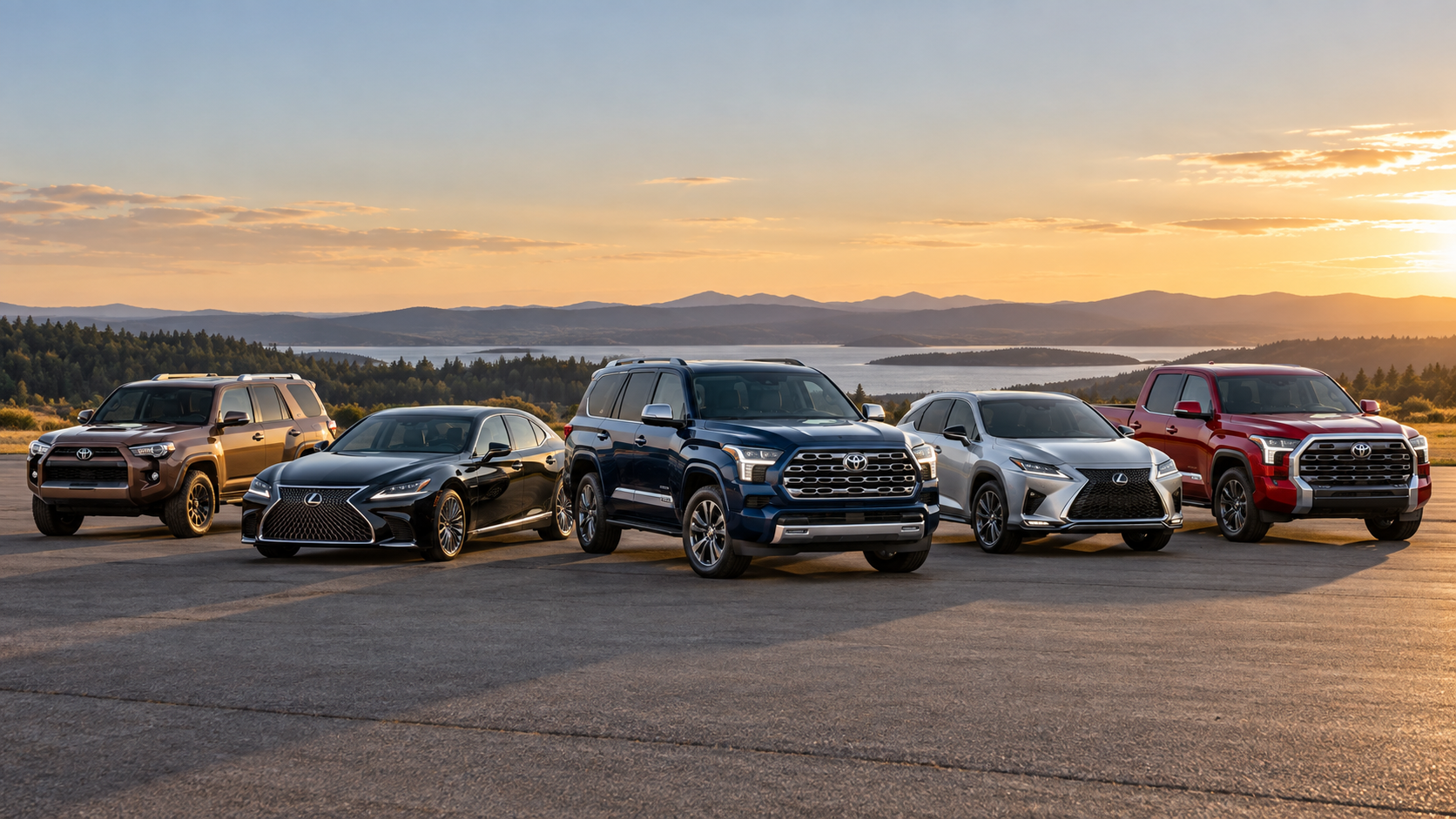
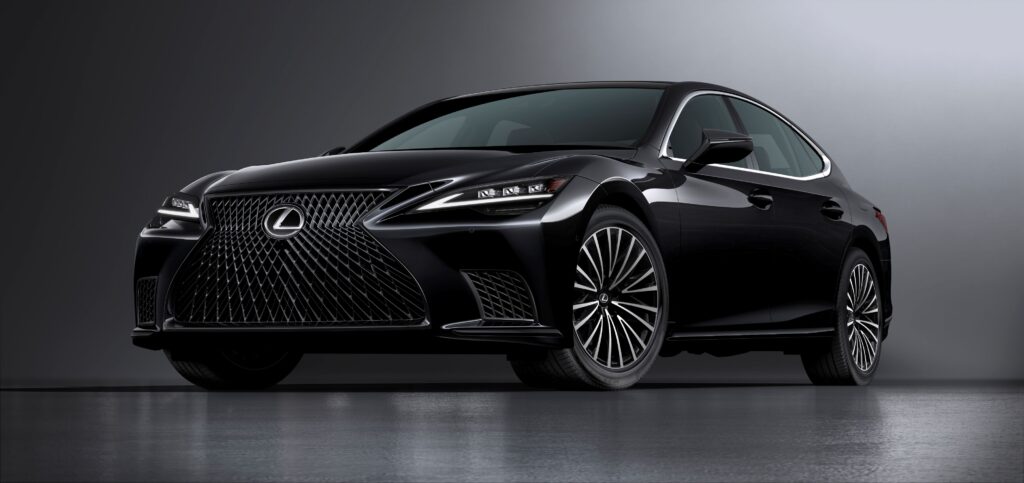
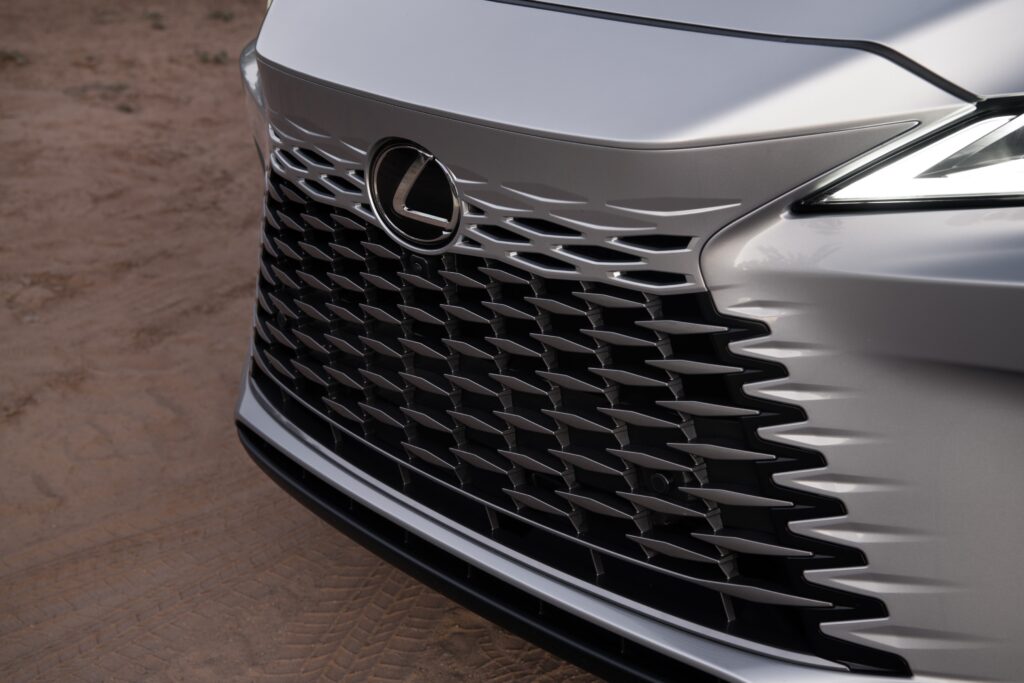
iSeeCars analyzed more than 395 million vehicles and estimated how likely individual models were to reach 250,000 miles. The Toyota Sequoia finished first at 42.3%, followed by the Lexus LS at 38.8% and Toyota 4Runner at 33.1%. The industry average was only 5.4%.
That gap is useful, but the sensible shopping question is not simply, “Which badge wins?” It is whether a particular vehicle offers the right combination of durability, running costs and documented care to justify keeping it after the loan disappears.
You may also emjoy this video:
You may also enjoy: Toyota’s Winning Formula in 2025
Cars that last 250,000 miles are not automatically trouble-free
The study modeled the probability of accumulating mileage. It did not rank vehicles by repair frequency, maintenance expense, days out of service or the likelihood of an engine or transmission failure. A vehicle can reach 250,000 miles after several expensive repairs, just as a perfectly sound car can be scrapped early after a collision.
Toyota, Lexus, Honda and Acura took 25 of the 27 places on the overall list. That concentration is too strong to dismiss, and it supports the brands’ reputations for long ownership cycles. Yet it also reflects what owners choose to preserve. People will continue repairing vehicles they trust, need or believe retain value.
The rankings also favor vehicles that accumulate miles quickly. Trucks averaged an 11.1% chance of reaching the threshold, compared with 5.4% across all vehicles. The Ram 3500 led pickups at 31.9%. Heavy-duty trucks often work for a living, so they have both sturdy hardware and more opportunities to pile on mileage.
You may also enjoy: America’s Best-Selling Cars: A 10-Year Showdown
That does not weaken the data. It changes the way a buyer should read them. “Most likely to reach 250,000 miles” is a more precise claim than “most reliable,” and precision matters when somebody is about to spend real money.
The hybrid result matters more than the EV ranking
The Lexus RX hybrid placed fourth overall with a 28.9% probability. The Toyota Highlander Hybrid followed at 20.7%, the Honda Accord Hybrid at 18.5% and Toyota Avalon Hybrid at 17.4%. Those are meaningful results for shoppers who still worry that adding motors and a traction battery automatically creates a short-lived vehicle.
A conventional hybrid combines an internal-combustion engine with one or more electric motors and does not require external charging. Lower fuel consumption can also encourage owners to keep driving a vehicle because every mile costs less.
You may also enjoy: Toyota’s Most Overlooked Hybrid SUV Is Actually Brilliant
The three qualifying electric vehicles finished below the industry average: Tesla Model X at 3.6%, Model S at 3.1% and Nissan Leaf at 0%. That is an attention-grabbing table and a poor excuse for declaring EVs disposable.
Many electric models have not existed in large numbers for long enough to build a substantial population beyond 250,000 miles. The source analysis also notes that EVs tend to cover fewer miles. This is a maturity and usage problem within the dataset, not a controlled comparison of battery life against gasoline-engine life.
You may also enjoy: 2026 Honda CR-V TrailSport Hybrid Goes Off-Road
The better takeaway is that established hybrids have now produced credible high-mileage histories. The Toyota Prius and Camry Hybrid each scored 11.5%, more than twice the all-vehicle average. For drivers who want strong fuel economy without changing their refueling habits, that is useful ownership evidence rather than theoretical reassurance.
The smartest high-mileage purchase begins with one car
The Sequoia may top the table, but buying a large, thirsty SUV solely because it might survive for decades would be rather like purchasing hiking boots for the walk to the mailbox. Longevity only creates value when the vehicle also fits the job.
More affordable candidates include the Honda Civic at 15%, Honda CR-V at 12.7%, Prius and Camry Hybrid at 11.5%, and Honda Odyssey at 10.7%. The Civic’s result is especially relevant because it provides a plausible route to long ownership without the purchase price, fuel use and tire costs associated with a full-size SUV.
You may also enjoy: 2025 Honda Civic Hybrid Returns With Style
For a used example, verify the odometer against the title and maintenance records. Obtain a vehicle-history report, check for open recalls and pay for an independent inspection. The Federal Trade Commission warns that a history report cannot replace a mechanical examination.
Service records deserve more weight than mythology. Consistent fluid changes, appropriate tires and evidence that warning lights were addressed promptly tell buyers more about one car than a corporate average ever can. Accident damage, corrosion and deferred maintenance do not disappear because a model placed well in a study.
There is also a financial discipline to long ownership. A car that reaches 250,000 miles but demands luxury-car repair bills may be less economical than a modest model replaced earlier. Buyers should estimate fuel, insurance, routine maintenance and likely age-related repairs instead of treating the odometer as the only scoreboard.
The rankings are best used as a shortlist, not a shopping commandment. Start with models that have demonstrated unusual durability, then judge the exact vehicle, its history and whether its operating costs suit your life. The badge can improve the odds. It cannot sign the maintenance receipts for you.