Ford and GM Want Businesses Beyond Selling Vehicles
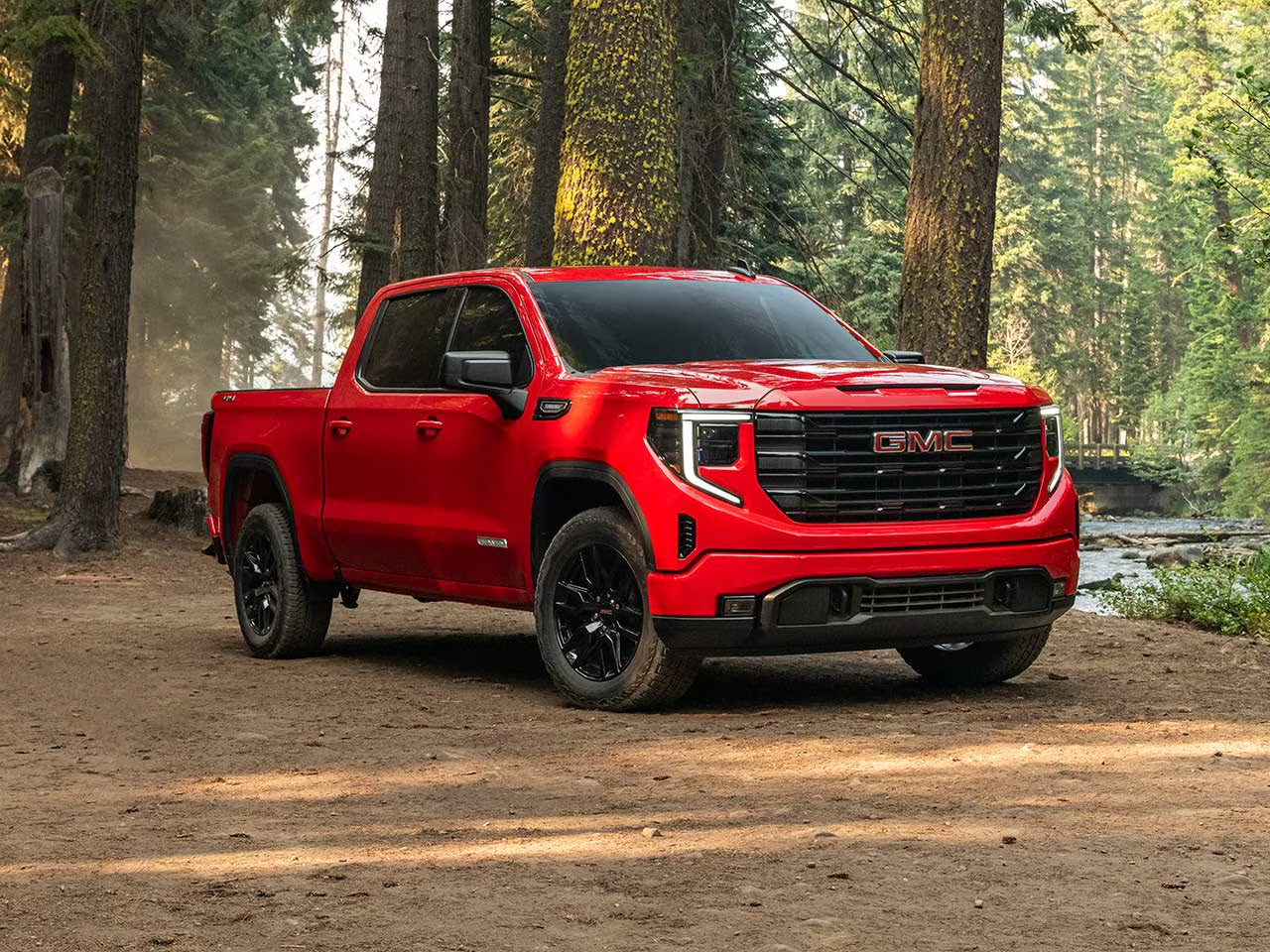
Ford and General Motors still make most of their money by selling vehicles, especially expensive pickups and SUVs. Yet Ford and GM’s new businesses are targeting customers who may be utilities, data centers, the U.S. Army, or allied governments rather than people walking into dealerships.
Ford is building a grid-scale battery-storage operation and pursuing defense work. GM Defense is expanding military mobility and exploring ways to apply General Motors’ manufacturing capacity to the broader defense industrial base.
These ventures are not large enough to replace the automotive business. They do, however, reveal where Detroit believes its engineering, factories and supply chains may earn money next.
You may also enjoy: Ford’s Michigan Plant Backed by Tax Credits after Reboot
You may also like this video
Ford Energy Turns EV Batteries Into Grid Storage
Ford created Ford Energy after writing down billions tied to earlier electric-vehicle plans. Instead of leaving battery investments underused, the company is redirecting part of that industrial capacity toward large stationary battery systems for utilities, data centers and commercial customers.
The idea is straightforward. A battery pack does not need wheels to be useful. Grid-scale systems can store electricity when supply is plentiful, then release it when demand rises or renewable generation falls.
Ford Energy plans to use lithium iron phosphate battery technology and has committed roughly $2 billion to the business. It expects initial customer deliveries in late 2027 and is targeting at least 20 gigawatt-hours of annual deployments.
A five-year agreement gives renewable-energy developer EDF the option to purchase as much as 4 gigawatt-hours of storage capacity annually. Deliveries under that agreement are expected to begin in 2028.
This is not a side project involving a few retired vehicle batteries. It is an attempt to turn battery manufacturing, supplier relationships and underused plant space into a separate industrial business.
You may also enjoy: Ford California Skunk Works Team Builds Affordable $30,000 Electric Pickup

Ford and GM New Businesses Include Defense
Ford is also returning to a field it largely left decades ago. The company says governments in North America and Europe have approached it about using Ford Pro vehicles, software and power systems for defense needs.
Commercial trucks already offer useful military attributes. They are produced at scale, parts are widely available, service networks already exist and development is faster than creating a clean-sheet tactical vehicle.
Ford has highlighted the Ranger, F-Series Super Duty and Pro Power Onboard as technologies that could support transportation, field power and security work. Ford says its defense discussions remain in their early stages, and large production programs are not guaranteed.
Still, its interest demonstrates how commercial vehicle technology can move into defense without Ford becoming a conventional weapons company overnight.
GM Defense Is Already Further Down the Road
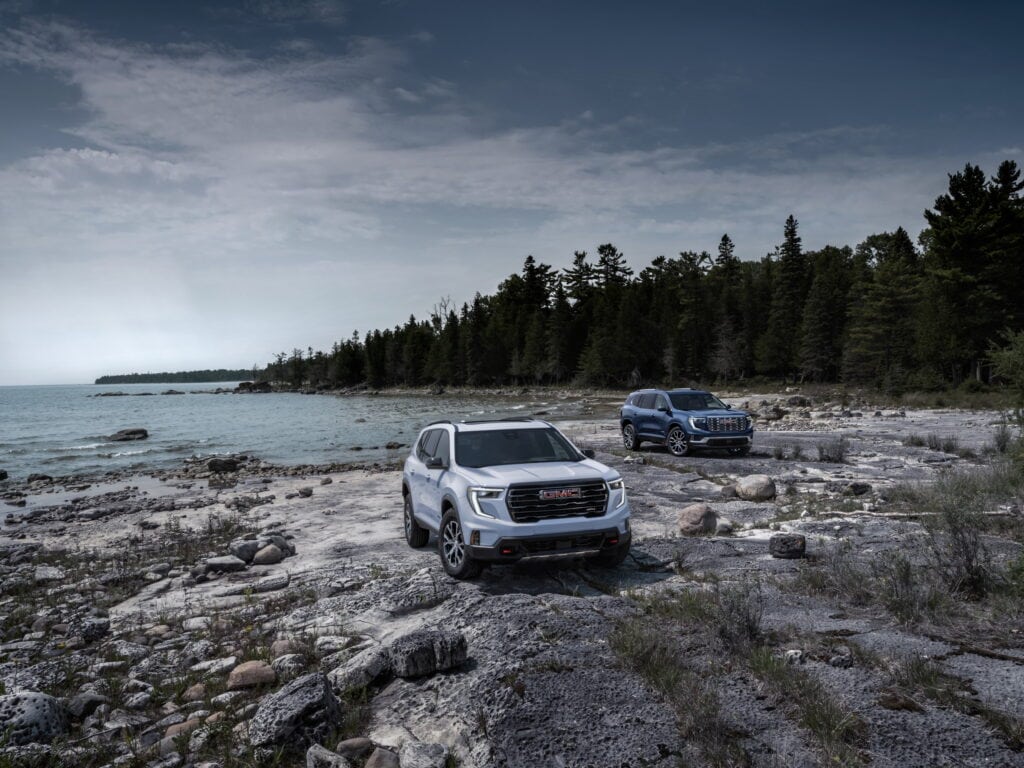
GM is further along. GM Defense develops vehicles and systems around integrated mobility, propulsion, autonomy and connectivity. It has supplied the U.S. Army’s Infantry Squad Vehicle and is pursuing opportunities in the United States and abroad.
A 2026 Lockheed Martin agreement calls for the companies to explore stronger defense supply chains, faster manufacturing and expanded production capacity.
The attraction is GM’s ability to manufacture complicated products at commercial scale. Defense companies can create highly specialized systems, but they may struggle to produce them quickly and affordably in large numbers.
GM can contribute factories, purchasing power, engineering and processes refined by building millions of vehicles. The military customer receives technology influenced by civilian trucks and batteries rather than waiting years for every component to be developed from scratch.
You may also enjoy: High Gas Prices Hit Big Truck Buyers

Why Detroit Is Looking Beyond the Dealership
The automotive business remains enormous, but it is expensive, cyclical and increasingly difficult. New vehicles require billions in development and factory investment. Buyers face high prices and financing costs, while Chinese automakers are applying pressure in global markets.
Energy storage and defense offer different customers and potentially steadier contracts. They also let Ford and GM reuse capabilities they already possess: batteries, trucks, software, propulsion, purchasing and high-volume manufacturing.
There is reason for caution. Detroit has tried diversification before, and not every venture created lasting value. These new businesses also remain small beside annual vehicle revenue.
The practical test is whether Ford and GM can expand without distracting themselves from building better, more affordable cars and trucks. Their strongest opportunity may not be becoming something entirely different. It may be finding additional customers for the technology and factories Detroit already knows how to use.