
Why Hybrids Are Harder on Engine Oil Than You Think
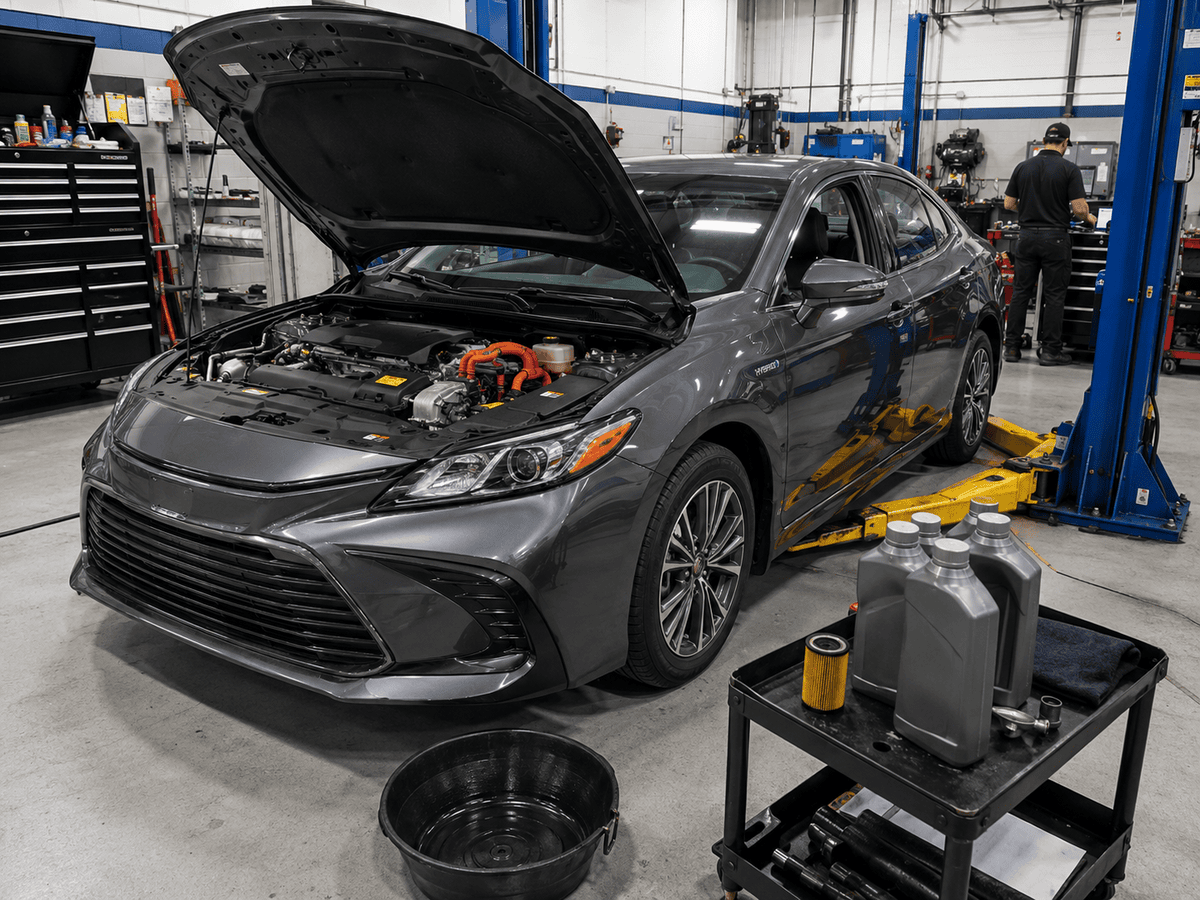
A hybrid may use its gasoline engine less often, but that does not necessarily mean the engine oil has an easier life. In many cases, the opposite is true.
Hybrid powertrains constantly decide whether to use the electric motor, the combustion engine or both. That improves efficiency, yet it also creates an unusual operating pattern. The engine may sit cold for several minutes, start suddenly under load, shut down again and repeat the cycle throughout a trip.
MANNOL says those conditions are changing how lubricants must be formulated. Frequent starts, low oil temperatures, fuel contamination, condensation and abrupt thermal stress all place new demands on hybrid engine oil. The challenge is not simply making oil last longer. It is making sure it protects immediately, even when the engine has barely warmed up.
You may also like: Rising Gas Prices, Rising Car Prices – How Hybrids Save You Money
Hybrid Start-Stop Cycles Change the Oil’s Job
A conventional gasoline engine usually reaches operating temperature and stays there for most of a journey. A hybrid engine may run only when the vehicle’s control system determines that it is needed. That could be during highway cruising, battery charging or a sudden request for more power.
Every restart asks the oil to form a protective film quickly across bearings, cylinder walls and other moving surfaces. When the oil is cold, it flows more slowly than it does at full operating temperature. That makes low-temperature performance especially important.
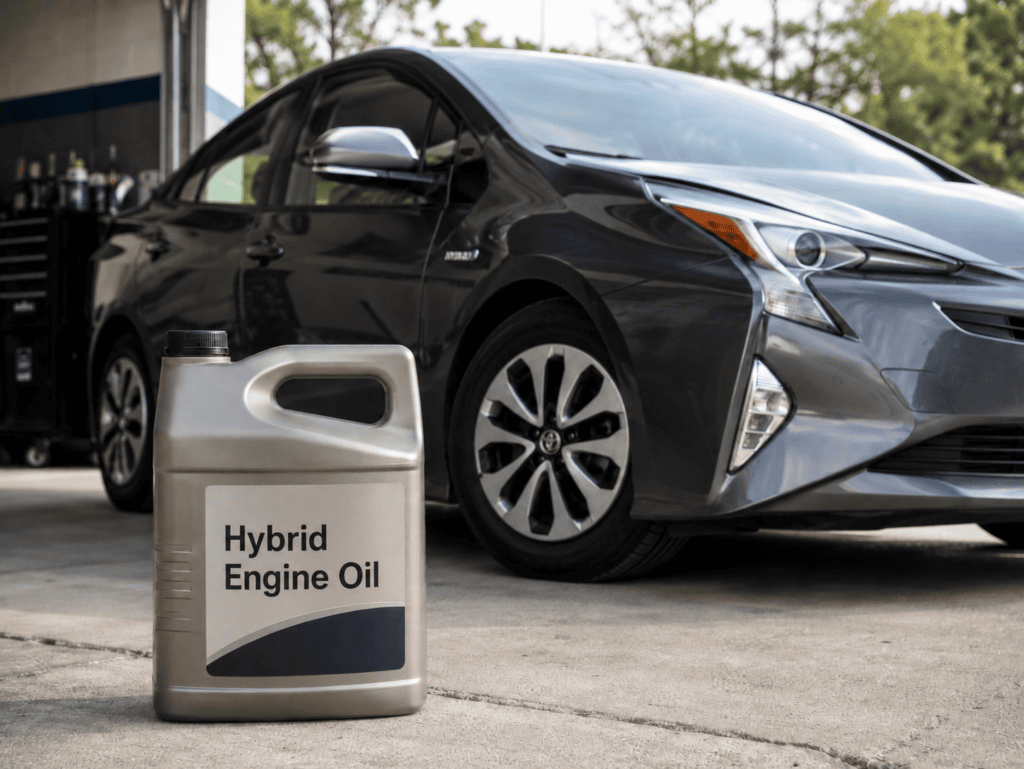
The engineering problem becomes more demanding during hard acceleration. A driver may press the accelerator to pass another vehicle just as the gasoline engine comes back to life. The engine must deliver substantial power almost immediately, even though its oil and internal components may still be relatively cold.
You may also like: 2027 Nissan Rogue Hybrid Delivers Better MPG Without Plugging In
Fuel Dilution and Condensation Create Hidden Risks
Short, intermittent engine operation can prevent the oil from becoming hot enough for long enough to evaporate moisture and unburned fuel. Both can collect in the crankcase.
Fuel dilution can reduce viscosity, weakening the oil film that separates moving metal parts. Water can encourage corrosion and contribute to emulsions or deposits. These problems may be difficult for an owner to notice because the hybrid can continue to feel smooth and efficient while contamination slowly changes the oil’s condition.

Modern formulations use detergents, dispersants, corrosion inhibitors and other additive technologies to manage those contaminants. MANNOL says oils developed for hybrid duty must protect against wear while also controlling deposits and resisting the chemical effects of fuel and water.
You may also like: 2026 Chevrolet Corvette E-Ray Hybrid The Smartest Supercar Move Yet
High Efficiency Can Also Mean High Heat
Hybrid control systems often operate the gasoline engine in its most efficient ranges. That sounds gentle, but efficiency does not always mean low stress. Concentrating operation within certain speed and load zones can create high local temperatures, especially when the engine is asked to provide strong acceleration or recharge the battery.
The oil must resist oxidation and maintain stable viscosity under those thermal loads. It also has to reduce friction because small efficiency gains matter in a powertrain designed to save fuel wherever possible.
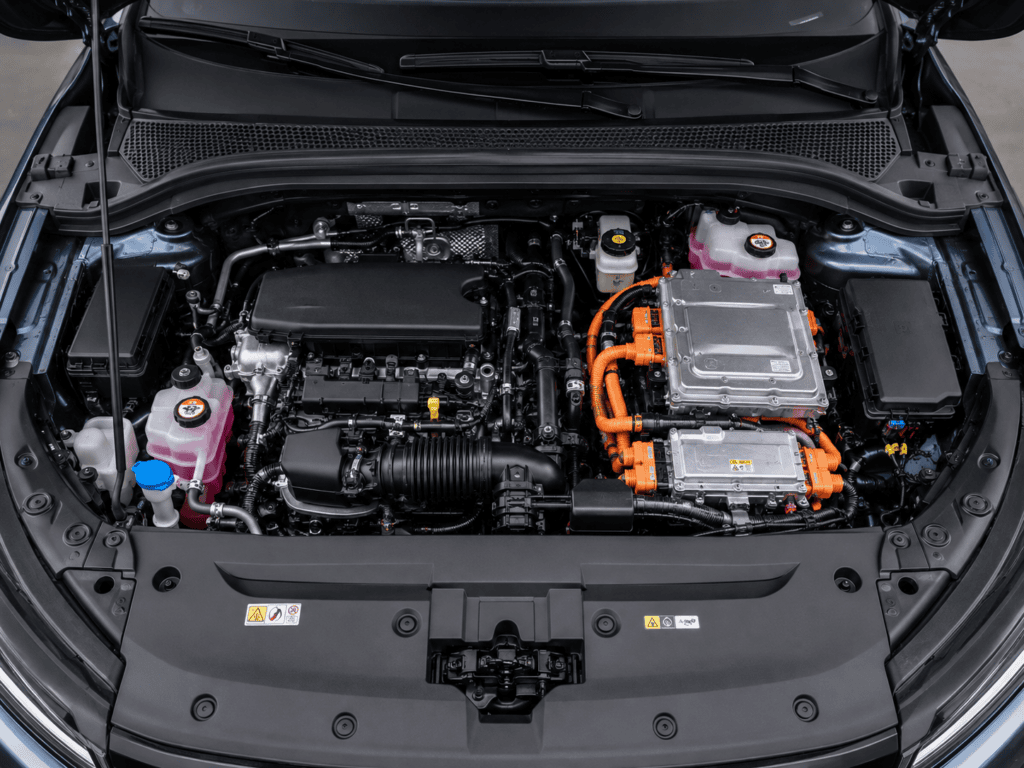
Some hybrid layouts place electric motors, power electronics and combustion-engine components close together. That can add material-compatibility concerns and may introduce electrical-property requirements for certain fluids, depending on the architecture.
You may also like: Toyota’s Most Overlooked Hybrid SUV Is Actually Brilliant
What Hybrid Owners Should Do
The practical lesson is not that every hybrid requires a bottle carrying the word “hybrid.” It is that owners should use the exact viscosity and performance specification required by the vehicle manufacturer.
Do not assume fewer gasoline-engine miles automatically justify extending oil-change intervals. Time, repeated cold starts, short trips and contamination can matter as much as total mileage. Follow the vehicle’s maintenance monitor and owner’s manual, especially when driving patterns include frequent short journeys.
MANNOL says it is refining oils with high-quality base stocks and additive packages designed for rapid film formation, oxidation resistance and protection against wear, corrosion and deposits. Other lubricant developers are addressing the same changing duty cycle.
Hybrids make the gasoline engine work smarter, not necessarily easier. Their efficiency comes from switching power sources at precisely the right moment. Engine oil has to be ready for every one of those moments, including the cold, sudden and demanding ones the driver never notices.