Toyota is helping build the air taxi era with Joby Aviation, backing electric flight as the next step in mobility beyond cars, hybrids, and SUVs.
Now Toyota is looking up.
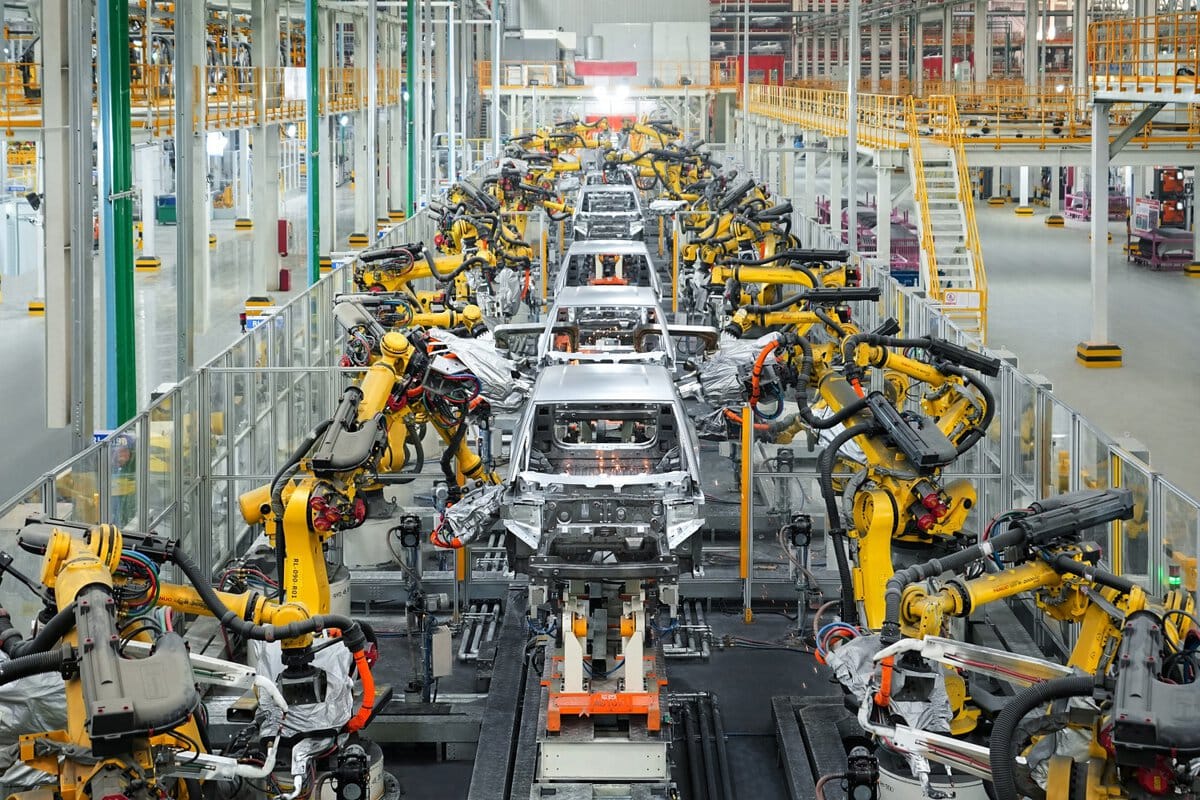
The company has joined Joby Aviation in the initial phase of a strategic manufacturing alliance aimed at preparing electric air taxis for commercial production. That sentence sounds futuristic enough to require a silver jumpsuit, but the real story is more grounded. Joby has been developing an all-electric vertical takeoff and landing aircraft. Toyota is bringing the thing it knows better than almost anyone: how to build complicated machines repeatedly, safely, efficiently, and at scale.
That may not sound as dramatic as an aircraft lifting off from a rooftop, but it’s probably the part that matters most.
You may also like: 2026 Toyota EV Lineup Finally Fits Real Life
Why Toyota Air Taxi Manufacturing Matters
Start with the basic problem. One working prototype is exciting. Ten are impressive. Hundreds, built with consistent quality, cost control, and production discipline, are where the idea either becomes transportation or stays a very expensive science project.
That is where Toyota enters the story.
Toyota and Joby say the new joint venture will focus first on the groundwork for commercial production. That includes manufacturing excellence, productivity, quality, and cost. These are not glamorous words. They’re factory-floor words. They’re also the difference between a headline and a business.
Toyota has been alongside Joby for nearly a decade, providing support as Joby developed the foundation for building its aircraft. This new step formalizes that relationship around production preparation. It does not mean air taxis will be circling every office tower next Tuesday. It means two companies are trying to solve one of the least romantic, most essential questions in future mobility: how do you actually build these things?
You may also like: Toyota C-HR 2026 EV: 287 Miles, 338 HP, Real Cargo
The Electric Air Taxi Idea Is Getting Serious
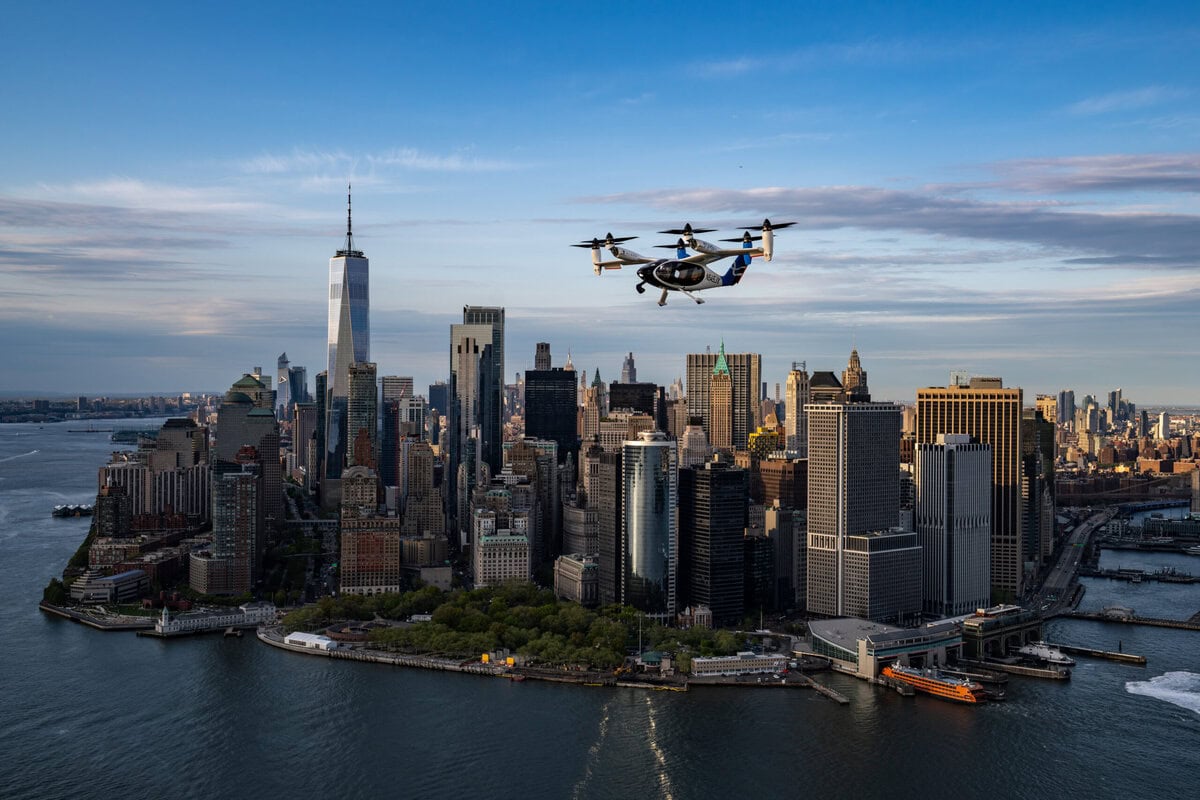
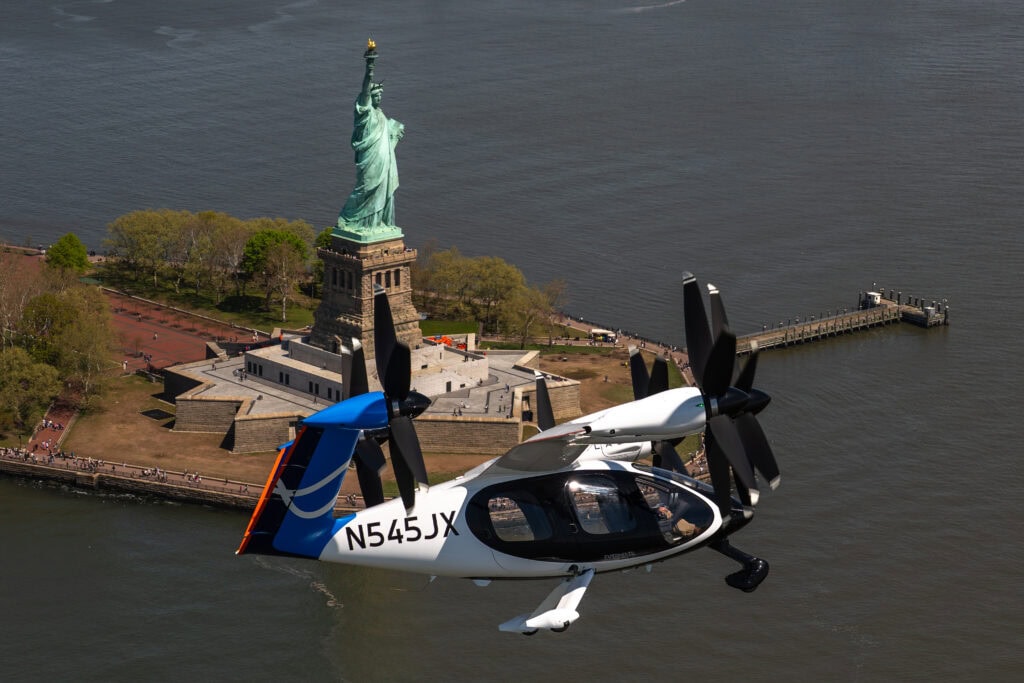
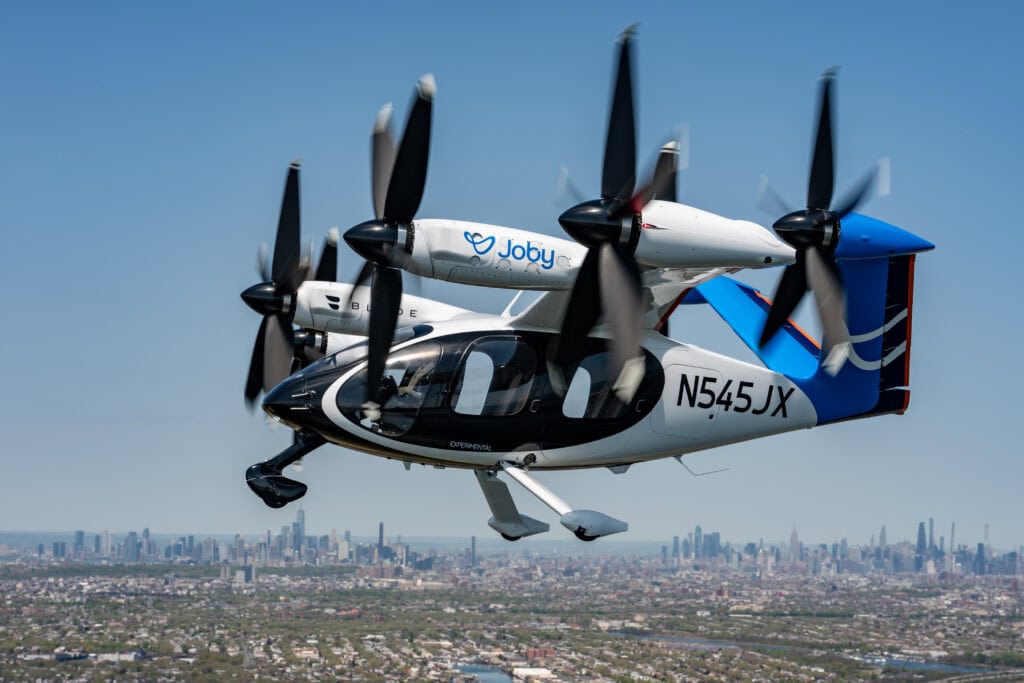
Joby’s aircraft is designed as an electric vertical takeoff and landing vehicle, commonly known as an eVTOL. In plain English, that means it can take off and land vertically, like a helicopter, but uses electric propulsion and is intended for short passenger trips.
The consumer promise is easy to understand. Imagine going from an airport to a city center without grinding through traffic. Imagine a regional hop that feels more like ordering a ride than arranging a charter. Imagine quiet, electric aircraft moving people above the congestion instead of adding more vehicles to it.
That is the picture. The challenge is making it safe, certifiable, reliable, and economically sensible.
There is also a trust issue. Cars are familiar. Commercial aviation is highly regulated and deeply procedural. Air taxis sit in a new space between those worlds. For everyday passengers to climb aboard, the aircraft will need more than clever engineering. It will need a production system people can believe in, operating rules people can understand, and an FAA certification path that stands up to scrutiny.
That is why Toyota’s involvement is not just financial or symbolic. Manufacturing credibility matters.
You may also like: Inside BMW’s Factory and What It Could Mean for America
What Toyota Air Taxis Could Mean For Drivers
Akio Toyoda framed air mobility as a natural extension of Toyota’s long-running “mobility for all” philosophy. That line matters because Toyota is not presenting this as a toy for the ultra-rich or a stunt for tech conferences. The company is placing it inside a broader view of transportation.
Still, the most honest way to see this is as an early step, not a finished revolution.
There are big questions ahead. Where will these aircraft operate first? How will cities handle takeoff and landing sites? What will a ride cost? How quickly can certification move? How will passengers respond the first time an electric air taxi is not a concept video, but a real option on a real day?
Those answers will decide whether air taxis become a daily tool or a niche service.
For now, the Toyota air taxi alliance is important because it shifts the conversation from whether electric air taxis are interesting to whether they can be produced with the discipline transportation demands. The future may not arrive with a roar from above. It may arrive through quality checks, production planning, supplier discipline, and the quiet confidence of Toyota investment helping sky travel feel ordinary.
And if air taxis ever do become normal, that may be the most Toyota thing about them.