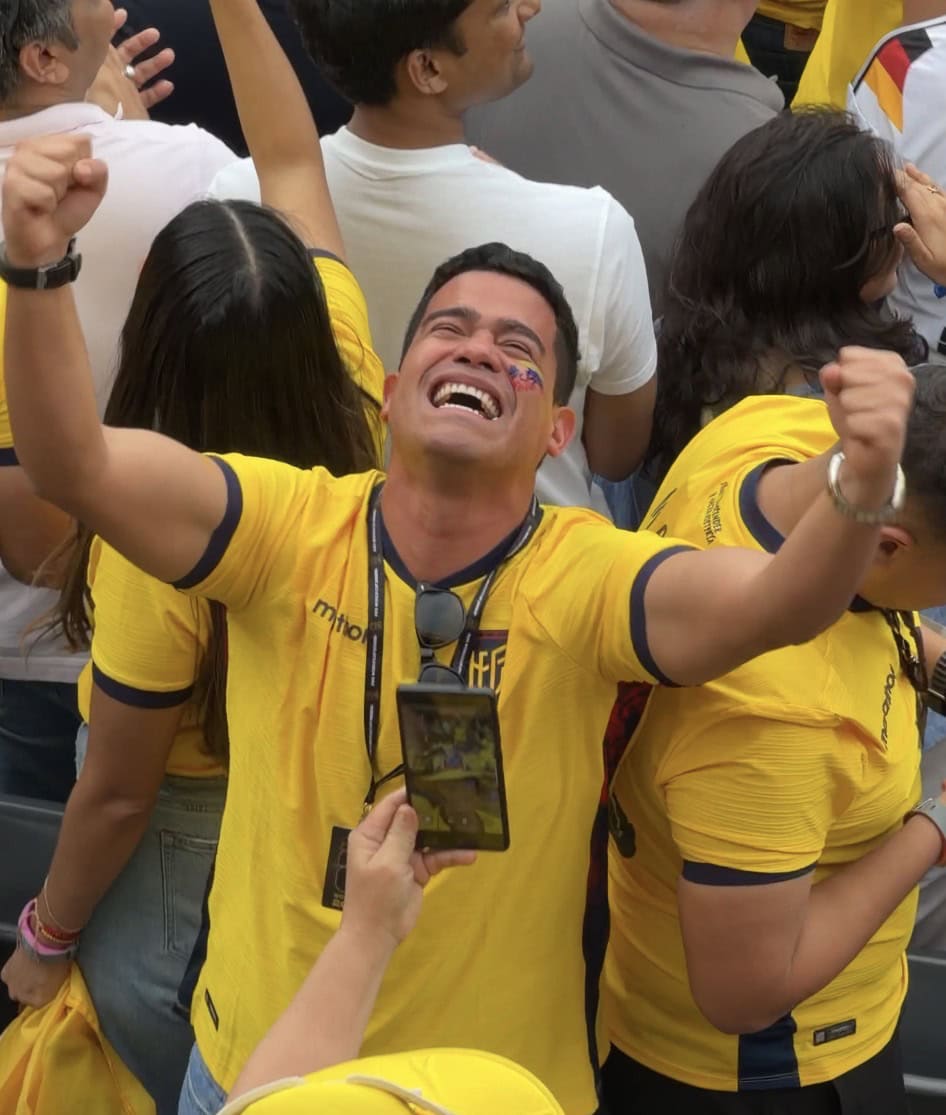
The FIFA World Cup has always been about more than soccer, and it has a rare feeling: almost everyone on Earth is watching the same thing at the same time.
That was the feeling inside Hyundai’s World Cup briefing in New York, where the company outlined how it plans to use the 2026 FIFA World Cup not simply as a sponsorship, but as a live demonstration of where the brand is going.
Hyundai has now been an official FIFA sponsor for 27 years. That matters because the 2026 tournament is not just another World Cup. It is the biggest one ever staged, with 48 teams playing across the United States, Canada, and Mexico in 16 host cities. For Hyundai, that makes the tournament a global stage, a transportation challenge, and a technology showcase all at once.
You may also like: Hyundai’s Robot Future May Be Closer Than You Think
Hyundai Turns The World Cup Into A Mobility Test
The campaign theme is “Next Starts Now,” and while that sounds like the kind of phrase that usually appears on a giant screen before lunch, Hyundai is giving it real substance. The idea is to connect the future of soccer with the future of mobility, and to show that transportation is part of the tournament experience.
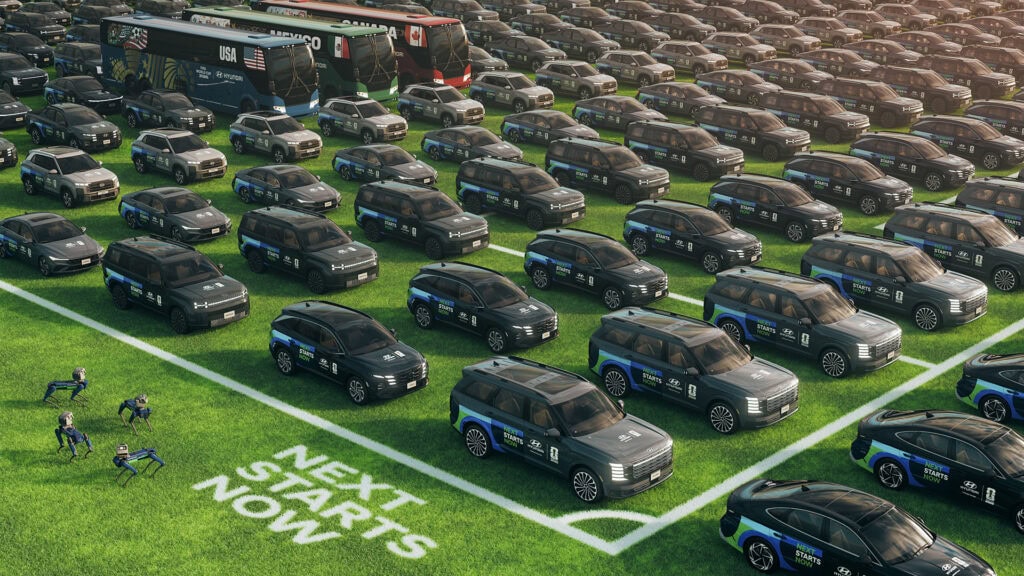
Hyundai is supplying nearly 1,000 vehicles and more than 500 buses for World Cup transportation. Teams, officials, media, and tournament operations all need to move, and Hyundai is embedded in that machinery. It is not glamorous, but it may be one of the most important parts of the event.
The World Cup also puts pressure on host cities, transit systems, airports, roads, volunteers, and fans. Moving people safely and reliably becomes part of the show. Hyundai wants to help make the event possible.
You may also like: Hyundai Fuels STEM for Future Auto Careers
Kids, Team Buses And The Human Side Of Sponsorship
Then there is the emotional side. Hyundai asked children from World Cup countries to create artwork showing their excitement for the tournament. Winning entries are displayed on official team buses, which means each national team is being carried by the dreams of young fans.
That was one of the smarter parts of the program. It turns a bus into a moving billboard, but it also makes the billboard feel human. In a tournament built around national identity, that is not a small detail.
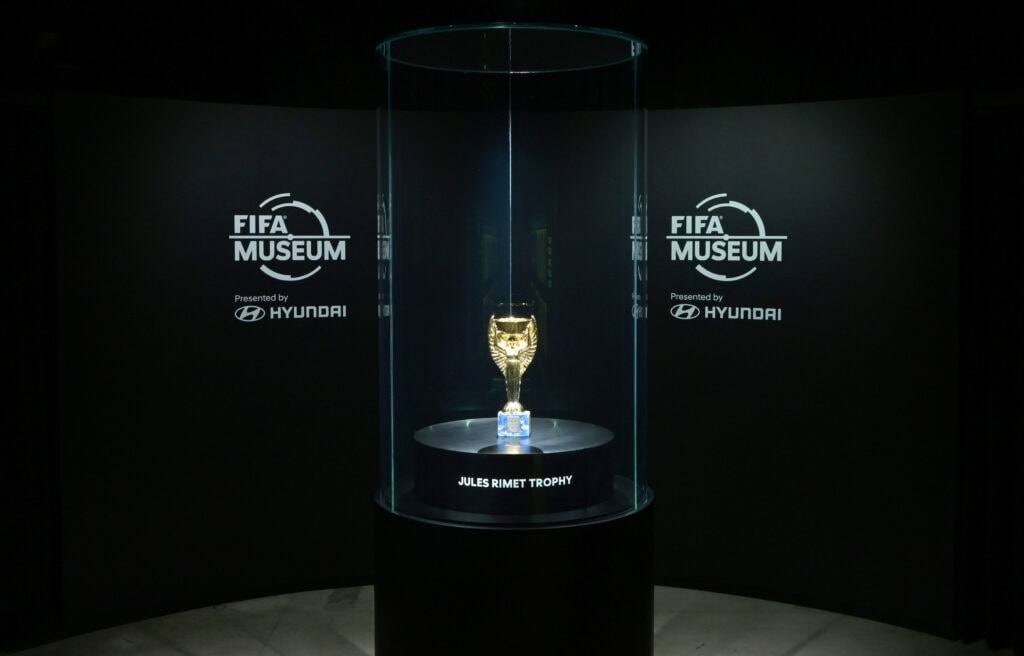
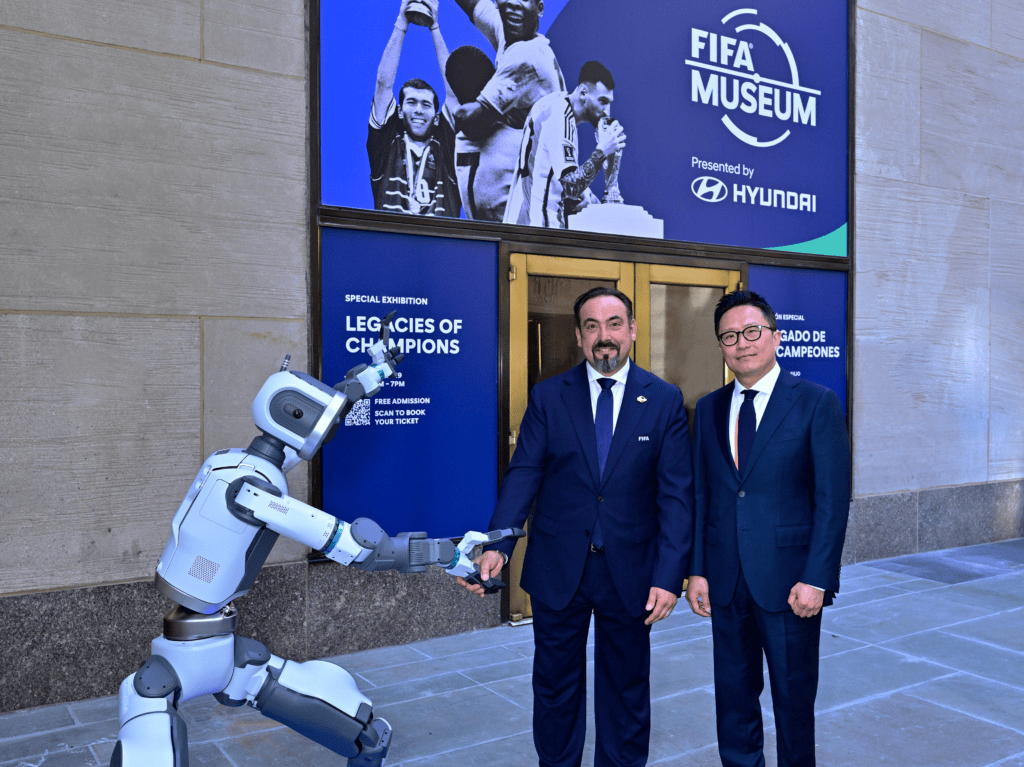
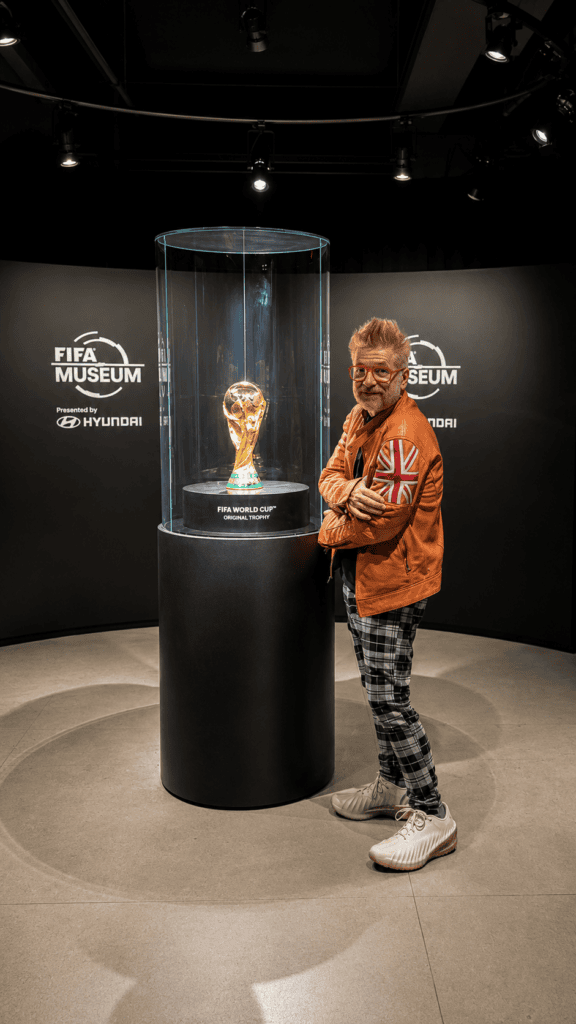
I saw the FIFA Museum activation firsthand at Rockefeller Center, and it helped connect the whole thing. The World Cup is history, emotion, movement, and spectacle. Hyundai’s challenge is to make its role feel like part of that experience rather than something pasted on top of it.
You may also like: 2026 Hyundai IONIQ 9 Review: The Three-Row Electric SUV That’s Quietly Redefining Family Hauling

Boston Dynamics Gives Hyundai A Different Kind Of Star
Hyundai is also leaning into technology. Boston Dynamics, which is owned by Hyundai, is part of the campaign through Spot and Atlas. Spot robots are being used at selected stadium locations for monitoring and safety support. Atlas, the humanoid robot, appears in Hyundai’s “School of Football” series, where it learns soccer movement, including the Ghost Rabona kick.
Hyundai says this is not CGI. The robot actually performs the movement. That changes the point of the ad. It is not just cute technology pretending to play soccer. It is a preview of robotics becoming more capable, expressive, and visible in public life.
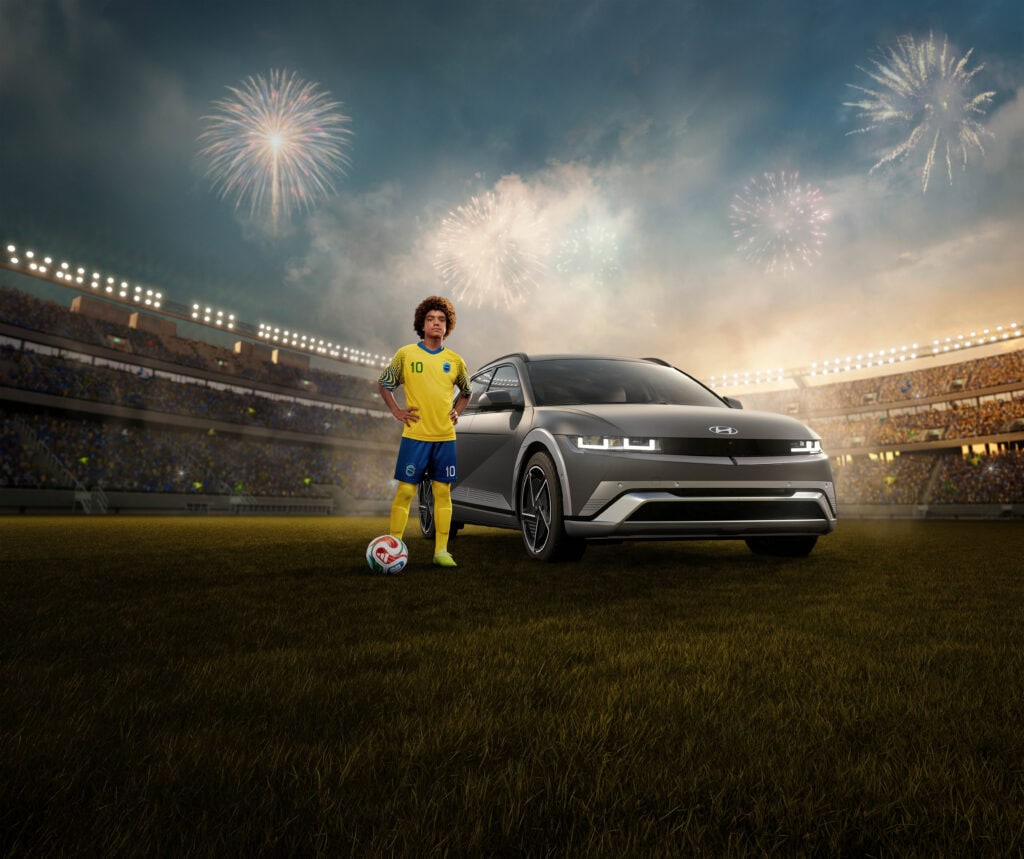
Hyundai has also extended the campaign into vehicles and gaming. Owners of select models, including IONIQ 5, IONIQ 9, Palisade, Tucson, and Santa Fe, can download a free World Cup display theme for their vehicle screens. Hyundai also partnered with Epic Games for Rocket League activations tied to the tournament.
That is the real story here. Hyundai is not treating the World Cup as one giant logo placement. It is building a system around it: transportation, youth soccer, digital content, gaming, robotics, vehicle software, fan festivals, and the FIFA Museum pop-up.
Cars remain the foundation of Hyundai’s business, but at this World Cup, the brand is positioning itself beyond that. It wants to be seen as a mobility company, a technology company, and a cultural participant. That is a big swing. But then again, this is the biggest World Cup ever. Small swings were never going to be enough.