Formula 1 Is Winning America’s Racing Attention
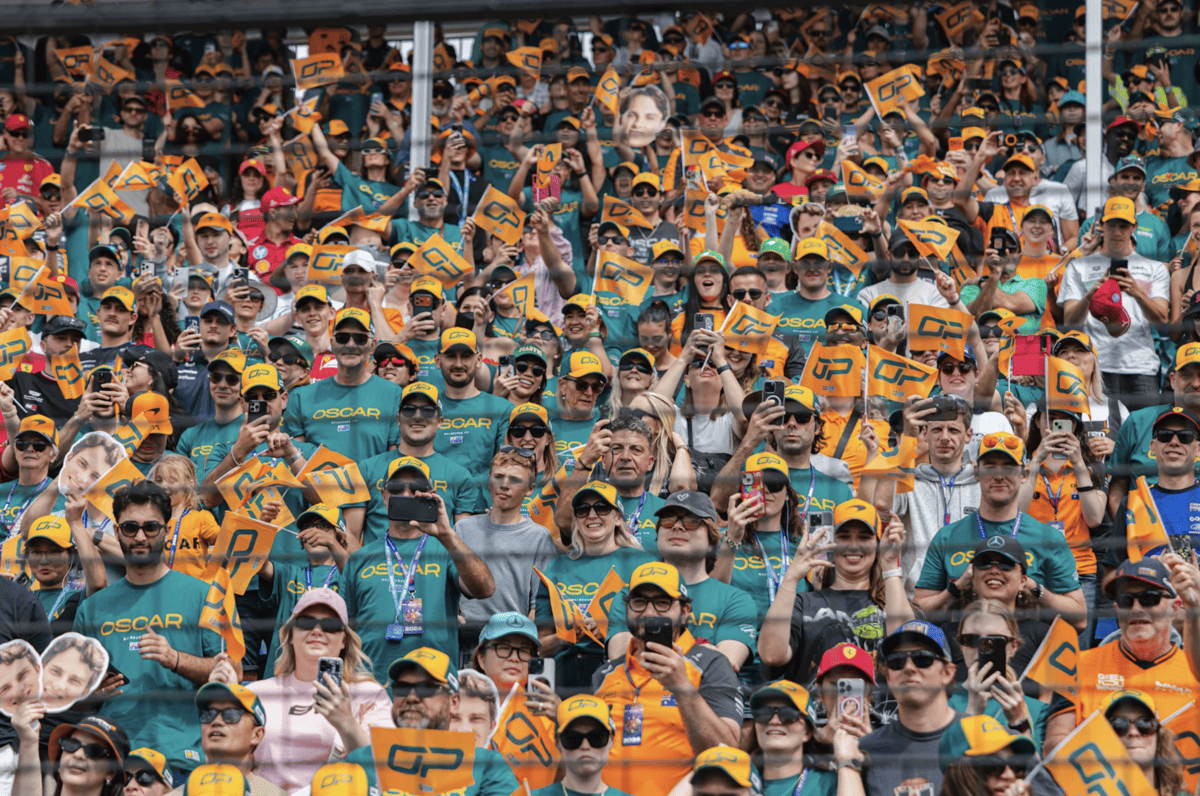
America has not stopped watching racing. It has simply become more selective about which racing feels fresh.
Over the past five years, Formula 1, IndyCar, and NASCAR have each told a different story about what American race fans want. NASCAR still brings the biggest raw television audience. IndyCar still owns one of the most powerful single-day sporting traditions in the country. But Formula 1 has become the growth story, the curiosity story, and increasingly the lifestyle story.
The numbers show it. When we index recent popularity from 2021 to 2025, using race attendance and TV ratings as the core signals, Formula 1 rises from a baseline of 100 in 2021 to a combined popularity index near 194 in 2025. IndyCar climbs to about 185. NASCAR, because of its rebound from the COVID-limited 2021 Daytona 500, looks strong on live-event demand, but its television trend is softer, ending near 210 on the same indexed scale while its TV line falls below its 2021 baseline.
You may also like: Mercedes-AMG’s GT 63 “APXGP Edition” Puts Hollywood in the Fast Lane — But Is It More Than a Movie Car?
Formula 1 Became The New American Racing Story
Formula 1’s U.S. rise is not just about people watching cars go around a track. It’s about how the sport found a new American audience.
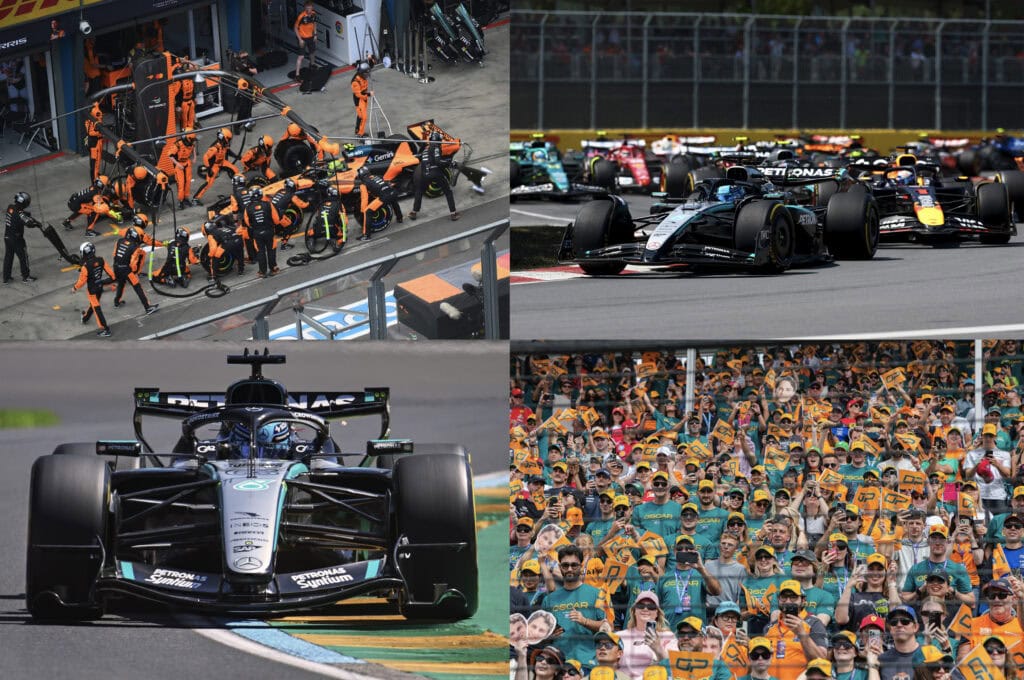
In 2021, F1 had one U.S. race and averaged about 949,000 viewers per race on American television. By 2025, it had three U.S. Grands Prix, a reported U.S. fan base of 52 million, and a record average race audience of about 1.3 million viewers. Formula 1 reported that its U.S. audience and social footprint continued growing in 2025, which matters because F1 did not grow by trying to become NASCAR. It grew by being different.
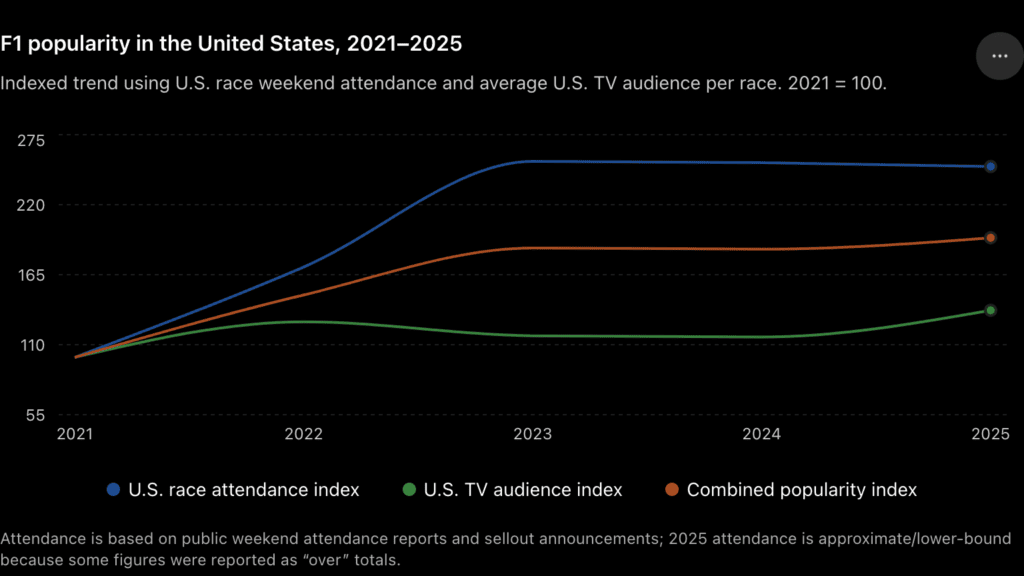
The appeal is partly glamour, partly technology, partly global drama. Miami gave F1 a celebrity beachhead. Las Vegas gave it spectacle. Austin gave it credibility with hardcore fans. Netflix helped explain the people behind the helmets. The result is a form of racing that feels less like a regional sports habit and more like a global entertainment brand Americans have decided to join.
You may also like: Why the Indy 500 Still Defines America’s Summer
IndyCar Shows Tradition Still Works
IndyCar’s trend is healthier than many casual observers might assume. Its 2025 TV season averaged about 1.36 million viewers, helped by its move to FOX. IndyCar reported that 2025 was its most-watched season in 17 years. The Indy 500 remains a monster in person, with crowd estimates around 350,000 when fully sold.
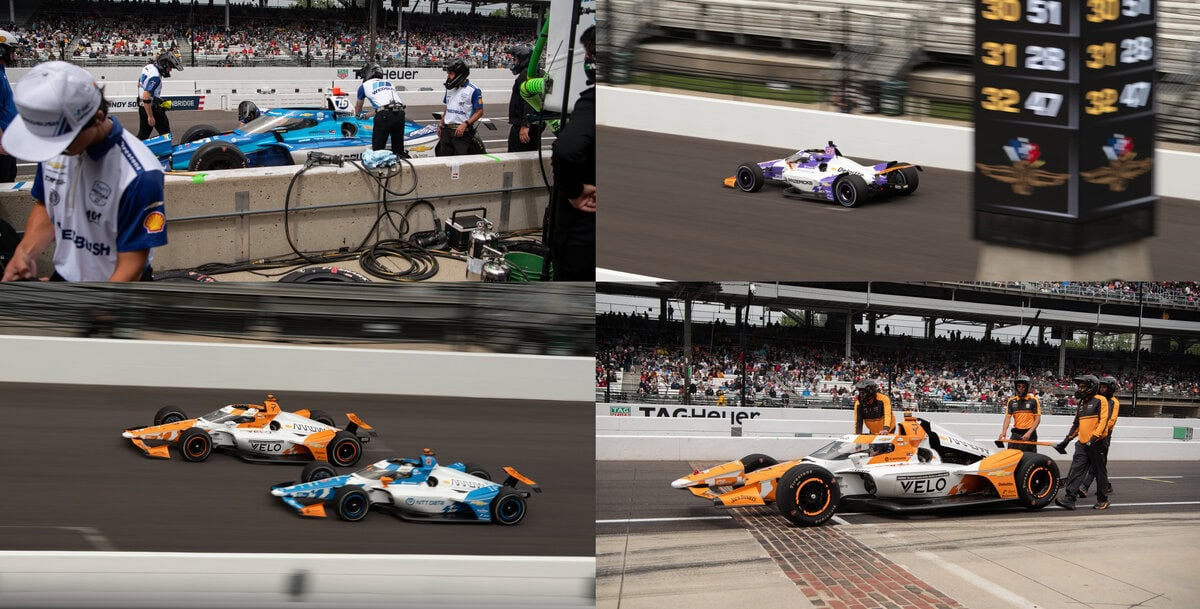
That makes IndyCar less of a growth explosion and more of a recovery story. Its biggest strength is also its challenge. The Indy 500 is so culturally large that the rest of the season often lives in its shadow. Americans absolutely understand Indianapolis. They understand Memorial Day, milk in victory lane, and 230 mph bravery. The harder part is making Long Beach, Road America, Barber, and Nashville feel essential to casual viewers every weekend.
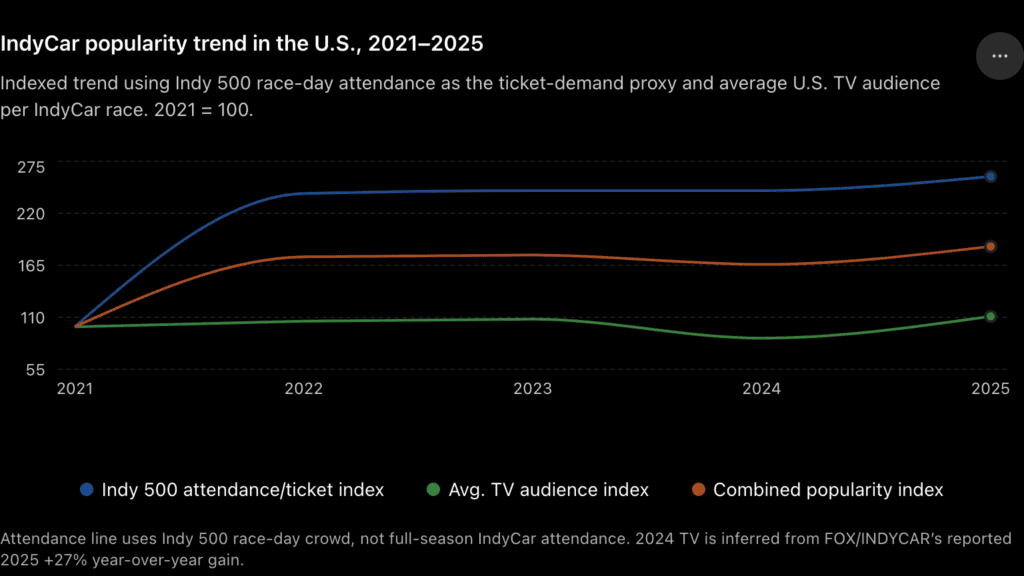
Still, IndyCar has something F1 does not have in America: deep domestic roots. The series feels accessible, physical, and familiar. It doesn’t need to become F1. It needs to turn its tradition into year-round relevance.
You may also like: Ram CEO Confirms Bold NASCAR Return in 2026
NASCAR Still Leads, But Its Trend Is Softer
NASCAR remains the biggest American racing property by average TV audience. Even in a down 2025 season, the Cup Series averaged roughly 2.45 million viewers, far ahead of F1 and IndyCar in raw audience.
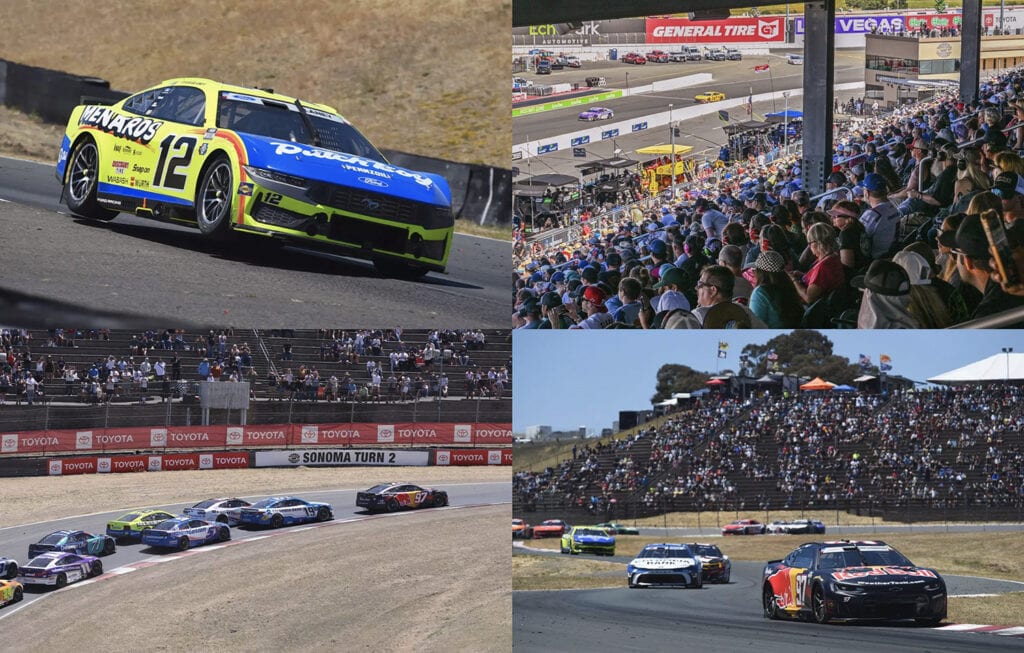
But the trend is not as comfortable as the size of the audience suggests. NASCAR’s full-year average was down from the roughly 3 million-viewer range seen earlier in the five-year window. Daytona 500 ticket demand remains strong, with recent sellouts showing that big-event loyalty is intact. The problem is television momentum.
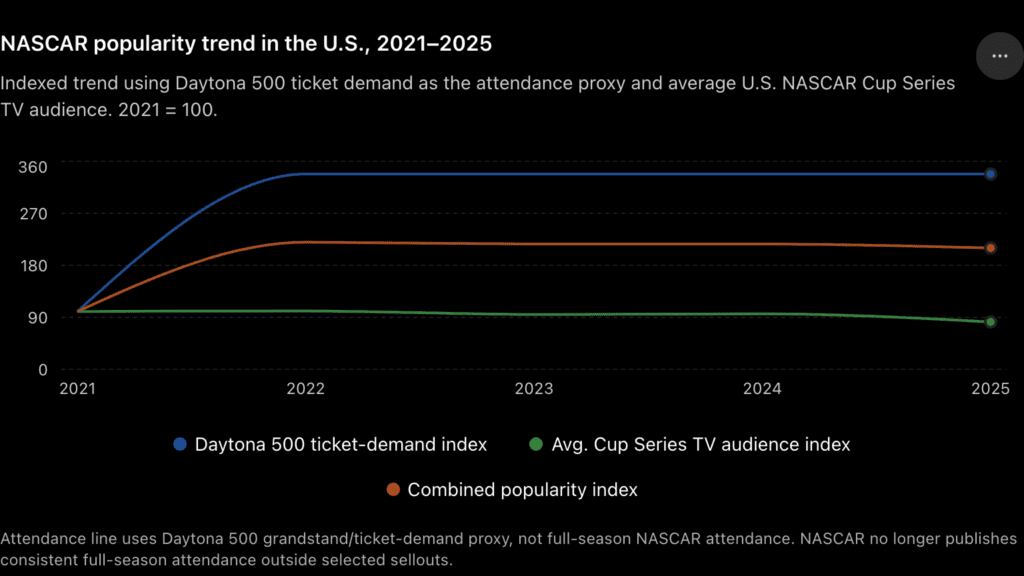
Some of that is media fragmentation. NASCAR now lives across more platforms, which can make the sport harder to follow casually. Some of it may also be cultural. NASCAR is still deeply American, but F1 has captured younger viewers who want racing with fashion, technology, personalities, travel, and international stakes.
You may also like: Cadillac V-Series.R Fires Up Its 2026 IMSA Rolex 24 campaign
What The Racing Trend Says About America
The American racing market is not shrinking. It is splitting.
NASCAR is still the heavyweight. IndyCar still owns the country’s most emotional single race. But Formula 1 is the one that feels like it is moving upward in cultural relevance. Its U.S. audience is still smaller than NASCAR’s, but its growth is cleaner, broader, and more modern.
That does not mean F1 has “won” America. It means F1 has done something more interesting. It has made Americans curious about a form of racing they used to treat as foreign. In a crowded sports world, curiosity may be the hardest thing to earn.