
Ford just got the kind of headline every automaker wants. In J.D. Power’s latest Initial Quality Study, Ford ranked highest among mass-market brands, beating familiar names like Nissan, Buick, Chevrolet, Toyota, Honda, Subaru and Hyundai.
That is not a small win. For ordinary car shoppers, quality rankings matter because nobody wants to spend new-car money and then immediately start learning the service department’s coffee schedule.
But Ford’s victory arrives with a complication. The company has also been dealing with a very public recall problem. So the real question for consumers is simple: does this award mean Ford has fixed its quality issues, or is it just a promising early sign?
You may also like: Ford’s Record Recall Year: What the Numbers Actually Show
What The J.D. Power Quality Study Actually Measures
J.D. Power’s Initial Quality Study looks at problems owners report during the first 90 days with a new vehicle. The score is measured in problems per 100 vehicles, often shortened to PP100. A lower number is better.
For 2026, Porsche ranked highest overall. Genesis and Lexus also performed strongly among premium brands. Among mainstream brands, Ford finished first, followed by Nissan and Buick.
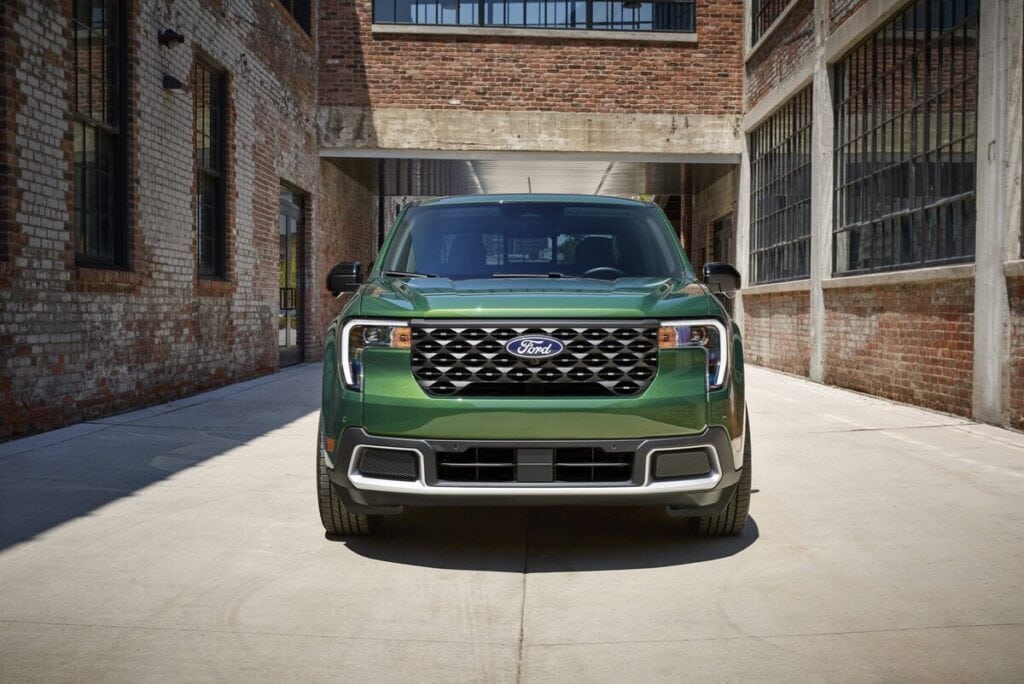
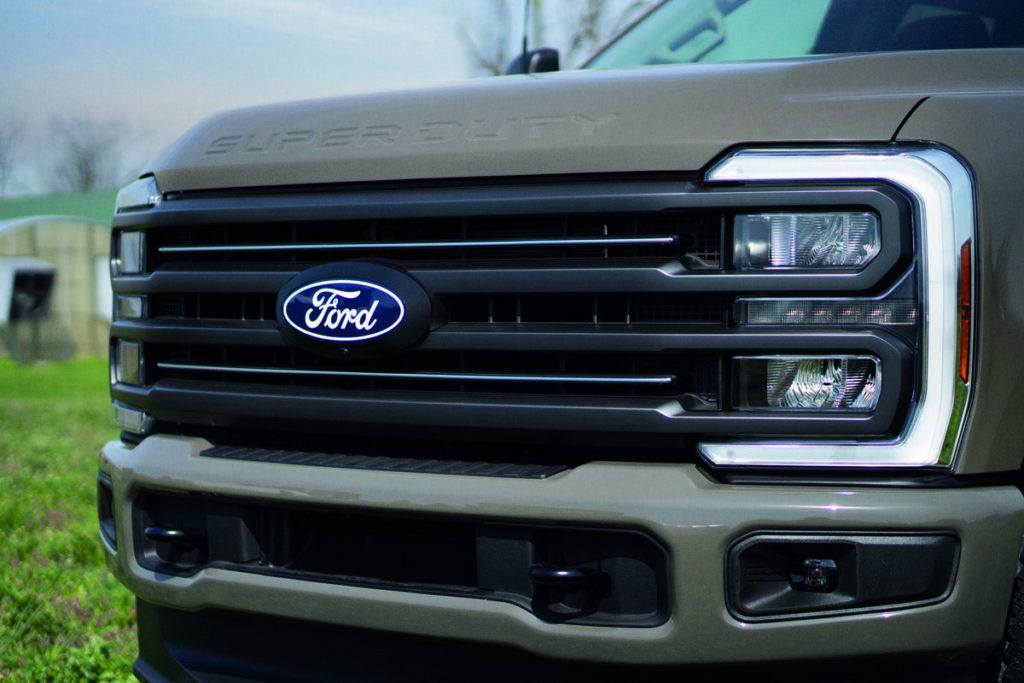
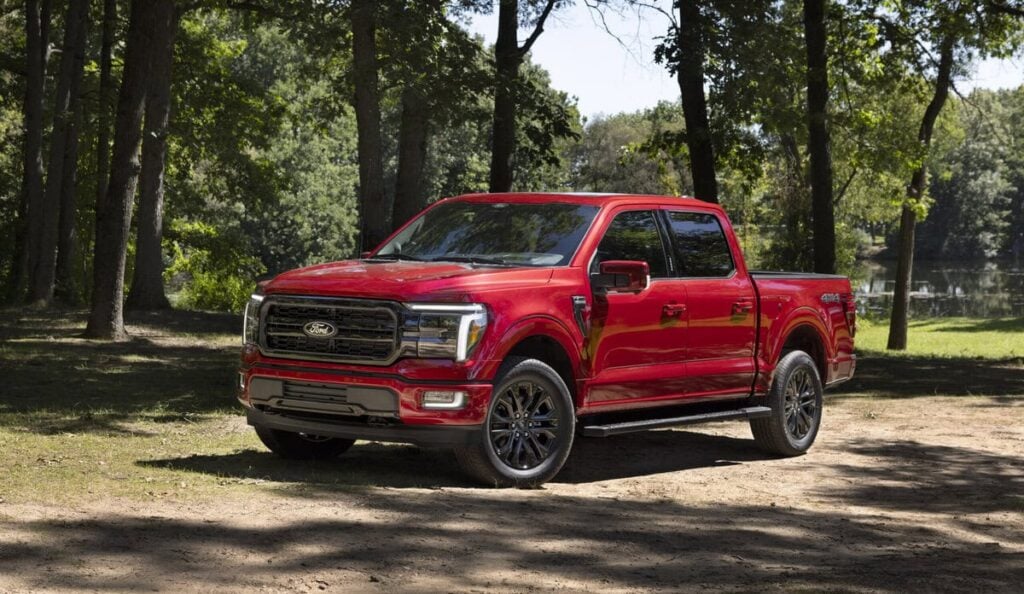
Ford’s score was especially notable because it improved sharply from last year. The brand also earned segment wins for the Ford F-150, Ford Super Duty and Ford Mustang. That matters because those vehicles are not side characters in Ford’s lineup. They are core products that shape how many Americans see the company.
For shoppers, this suggests Ford’s newest vehicles are doing better at the beginning of ownership. Fewer early problems can mean fewer annoying warning lights, fewer return trips to the dealer and less frustration after buying something expensive.
You may also like: Best Full-Size Trucks in America for 2026
Ford’s Recall Problem Has Not Disappeared
The catch is that initial quality and recalls are not the same thing.
Initial quality is about what owners notice in the first few months. Recalls often involve safety defects, software issues, supplier problems or long-term failures that may not show up immediately. A vehicle can feel great at delivery and still be recalled later.
That is why Ford’s quality-study win does not erase the recall discussion. The company has led the industry in recalls recently, and federal regulators have already taken Ford to task over how it handled certain past recall obligations.
For consumers, this creates a mixed but useful picture. Ford may be building better new vehicles right now. At the same time, buyers should still check recall history, pay attention to owner notifications and make sure software updates and dealer repairs are completed.
The practical advice is not “avoid Ford.” It is “verify before you buy.”
You may also like: 11.6 Million Vehicles Recalled in 2026 What You Must Know
The Biggest Winners And Losers
Porsche was the overall winner in the study, which helps reinforce its reputation for expensive but carefully built vehicles. Genesis and Lexus also did well, which is important because both brands sell heavily on comfort, refinement and customer confidence.
Ford’s mass-market win may be the bigger consumer story because it affects a much larger group of buyers. Ford sells trucks, SUVs, vans and performance cars across price points, so improvement there has broader impact.
Nissan and Buick also deserve attention for landing near the top of the mainstream list. Buick’s strong quality scores have become a quiet trend, even if the brand does not always get the same showroom buzz as Toyota or Honda.
At the bottom of the ranked results were brands including Infiniti, Volkswagen, Cadillac, Audi, Ram and Volvo. Rivian also showed a high problem count, although some brands in the chart are not award-eligible because of sample-size rules.
That does not automatically mean every vehicle from a lower-ranked brand is bad. It does mean shoppers should slow down, read owner feedback, and compare specific models rather than relying only on brand reputation.
You may also like: 2026 Mustang Mach-E Frunk Becomes $495 Option – Should You Pay?
Will This Help Ford Win Back Trust?
Yes, but only if the improvement lasts.
Ford now has a strong third-party quality win it can point to. That helps in showrooms, especially when shoppers are comparing an F-150 against a Silverado, Ram or Tundra. It also gives Ford a cleaner answer to critics who say the company has been overwhelmed by recalls and quality costs.
But consumer trust is built over time. The first 90 days matter. So do years three, five and seven. If Ford’s newest vehicles continue to hold up, this award could look like the start of a real turnaround. If recall notices keep piling up, shoppers will see it as a temporary bright spot.
The fairest conclusion is this: Ford has improved the new-car experience. Now it has to prove that the ownership experience is improving too.
For buyers, that means Ford deserves a fresh look, not a free pass. The new quality ranking is meaningful. The recall record is meaningful too. Smart shoppers should consider both before signing the paperwork and use the NHTSA recall tool to check any specific vehicle.