2027 BMW iX3 M60: Is 603 HP Worth the Upgrade?
2027 BMW iX3 M60: Is 603 HP Worth the Upgrade?
The 2027 BMW iX3 M60 brings 603 horsepower and M chassis hardware to BMW’s new electric SUV, but the smartest buying decision goes beyond speed.
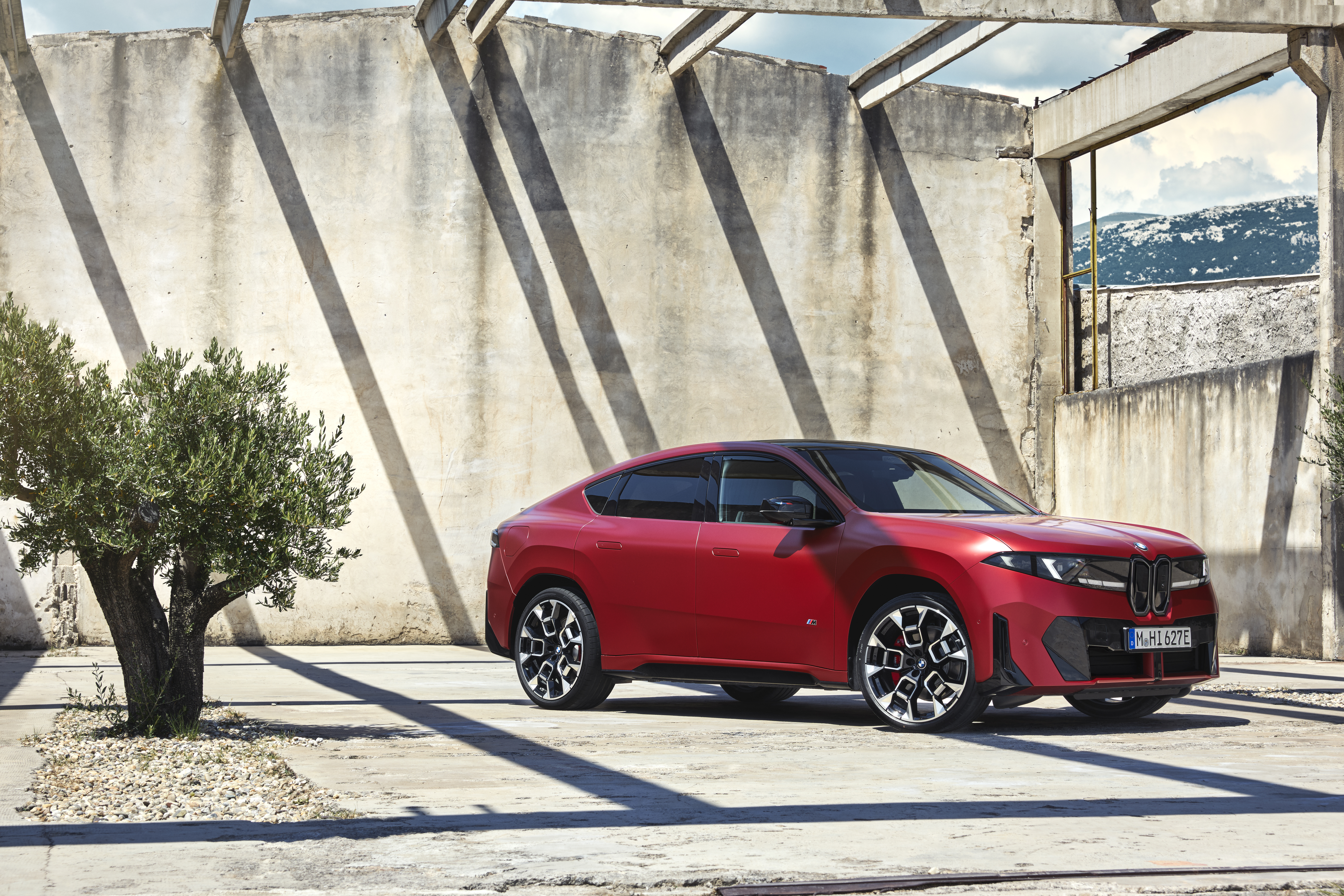
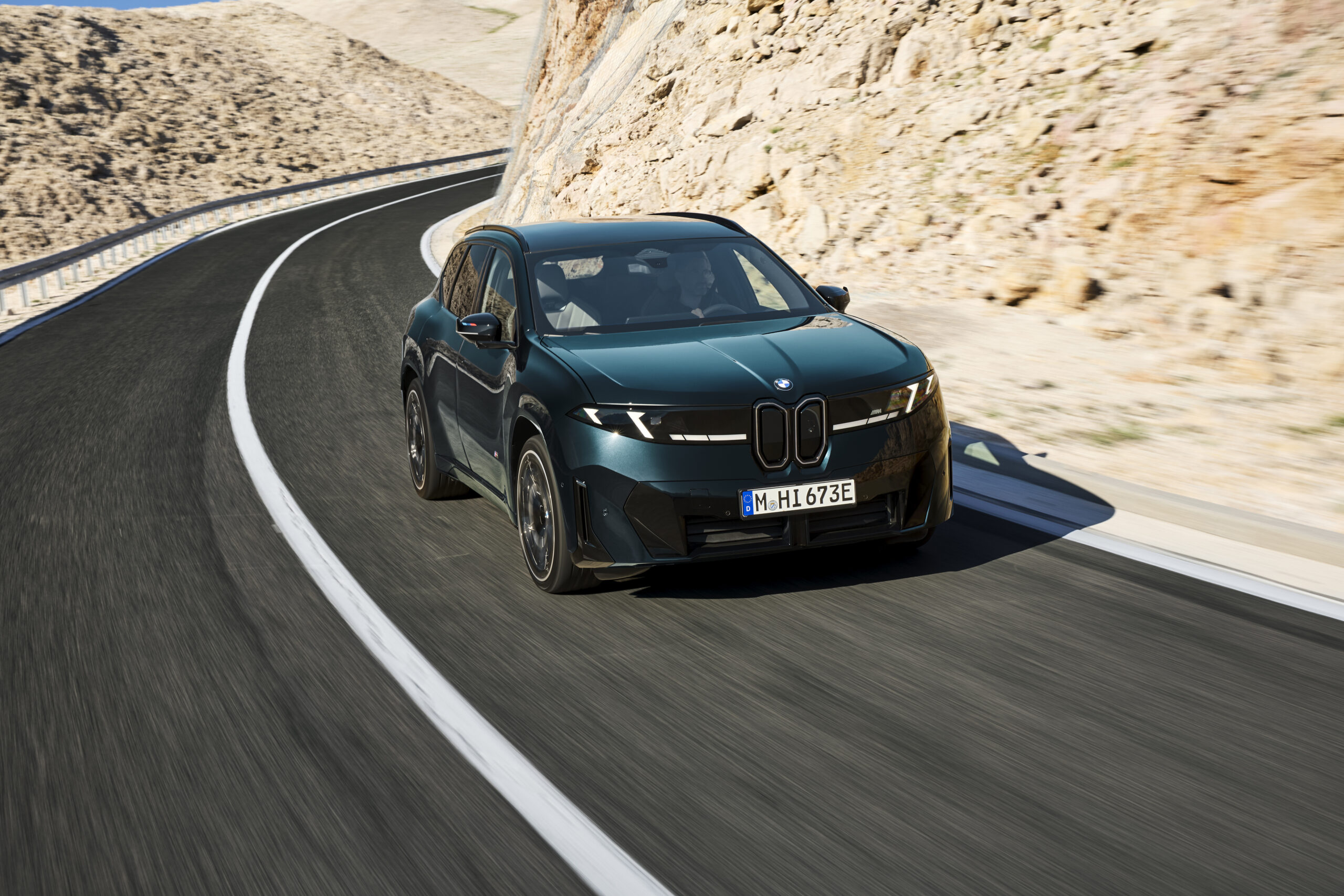
BMW has given its Neue Klasse electric SUV a very serious performance upgrade. The 2027 BMW iX3 M60 xDrive produces 603 horsepower, reaches 62 mph in a claimed 3.9 seconds, and tops out at 149 mph. Those figures will get attention. The more interesting question is whether its steering, brakes, suspension and software can make all that performance enjoyable on an ordinary road.
BMW calls this an M Performance model, an important distinction for shoppers expecting a full-blown M vehicle. This is the performance-focused member of the iX3 family, with dual electric motors and all-wheel drive, rather than a statement that every component is identical to a dedicated M car.
You may also enjoy this video:
2027 BMW iX3 M60: What Changes Beyond Horsepower?
Start underneath the bodywork. Adaptive M suspension and electronically controlled dampers are standard, along with variable sport steering and an electronically controlled rear M Sport differential. BMW has also changed the springs and dampers, added front-end bracing and revised anti-roll-bar connections. These are meaningful changes because a fast electric SUV needs more than a muscular acceleration figure to feel composed through a bend.
The differential is particularly useful to watch. It can manage how power reaches the rear wheels as the vehicle turns, helping traction and cornering behavior. But its effectiveness, the steering’s communication and the suspension’s comfort remain manufacturer promises until someone drives the production vehicle on real roads. We have not independently road-tested this M60.
You may also enjoy: BMW’s Electric M3 Has to Prove It Has a Soul
BMW’s so-called Heart of Joy computer coordinates the powertrain, braking, steering functions and energy recovery. The company says its processing can be up to ten times faster than earlier systems. That could make transitions between acceleration, turning and braking feel more natural, although processing speed by itself is not a handling verdict.
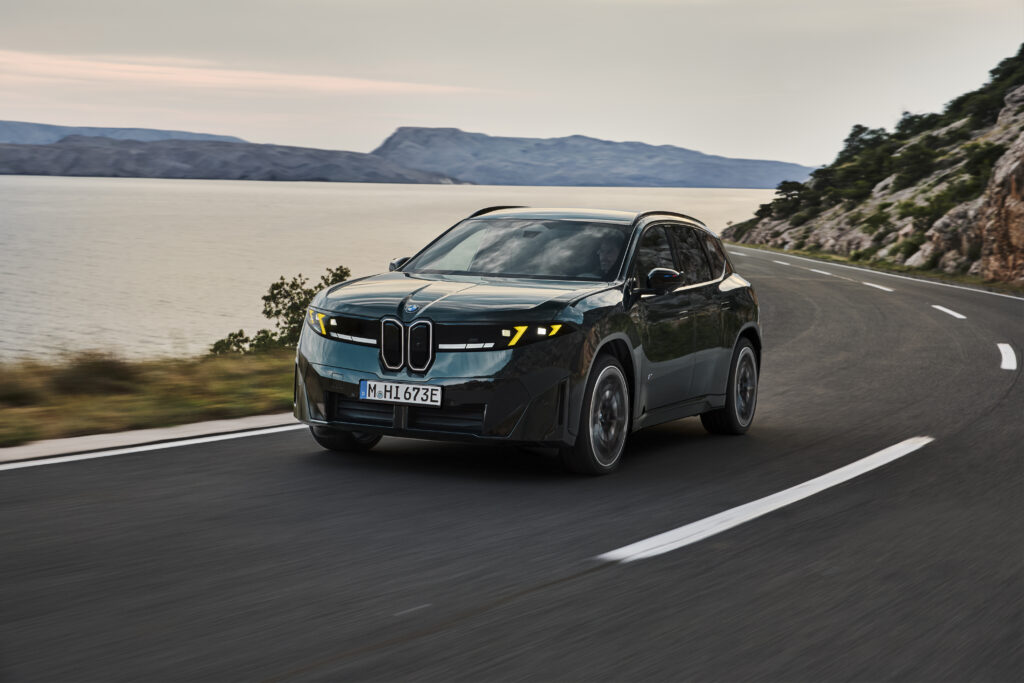
Charging Numbers Need the Right Context
A 112.2-kWh usable battery and up to 400-kW DC charging capability sound substantial. The first number describes stored energy; the second is a peak charging capability, not a promise that a charger will deliver that power throughout a session. Battery temperature, state of charge and the station itself affect the outcome.
The Department of Energy’s electricity overview explains the different ways plug-in vehicles use and replenish battery energy. BMW also lists a standard 15.4-kW maximum AC charging rate for the M60. For someone charging mainly at home, that everyday AC figure may matter more often than the headline DC maximum.
You may also enjoy: BMW iX3: A Smarter, Sustainable Electric SUV
BMW has not supplied a U.S. EPA driving-range estimate for the M60 in the announcement. Buyers should resist borrowing a figure from another iX3 variant: a more powerful drivetrain and the choice of 21- or 22-inch wheels can change consumption. The EPA explains why published electric vehicle range is a comparison guide rather than an exact prediction for every journey.
It’s also worth investigating home charging equipment, electricity rates and the available public network before ordering. A vehicle capable of exceptionally rapid DC charging does not automatically make every road trip exceptionally quick.
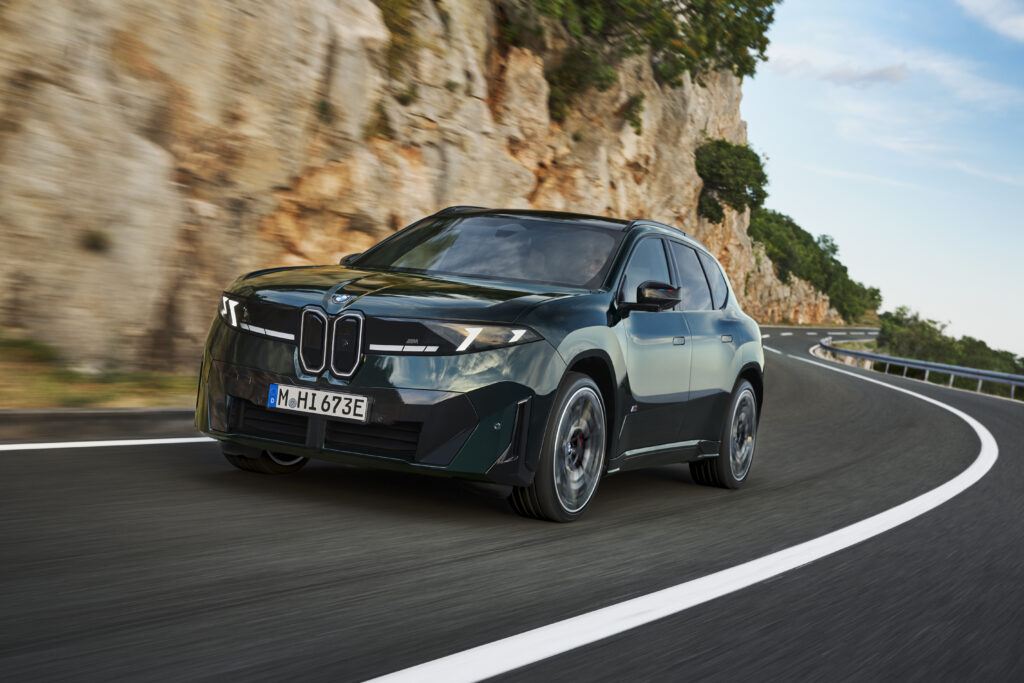
BMW’s Computer May Be the Most Important Component
The Heart of Joy system also controls energy recuperation. BMW says its Soft Stop function can bring the vehicle to rest particularly smoothly, with regenerative braking doing much of the work during everyday driving. Regeneration captures some energy during deceleration; the Department of Energy’s explanation of electric propulsion provides useful background on the technology.
The company also offers steering-wheel paddles to adjust the electric drive’s response and M Sport and M Sport Plus driving modes. These details matter more to an enthusiast than a synthetic soundtrack or a dramatic start-up animation. They suggest an effort to give drivers choices instead of asking software to decide how a sporty SUV should always feel.
You may also enjoy: BMW Neue Klasse: What We Know Ahead of Its Summer Reveal
Inside, the 17.9-inch central display angles toward the driver, while the Panoramic Vision system puts additional information across the driver’s view. There are dedicated controls for Boost and M Mode on the steering wheel, plus available supportive M Sport seats. BMW has retained some direct controls, but the real usability test will be whether common tasks are easy to accomplish without taking your attention away from traffic.
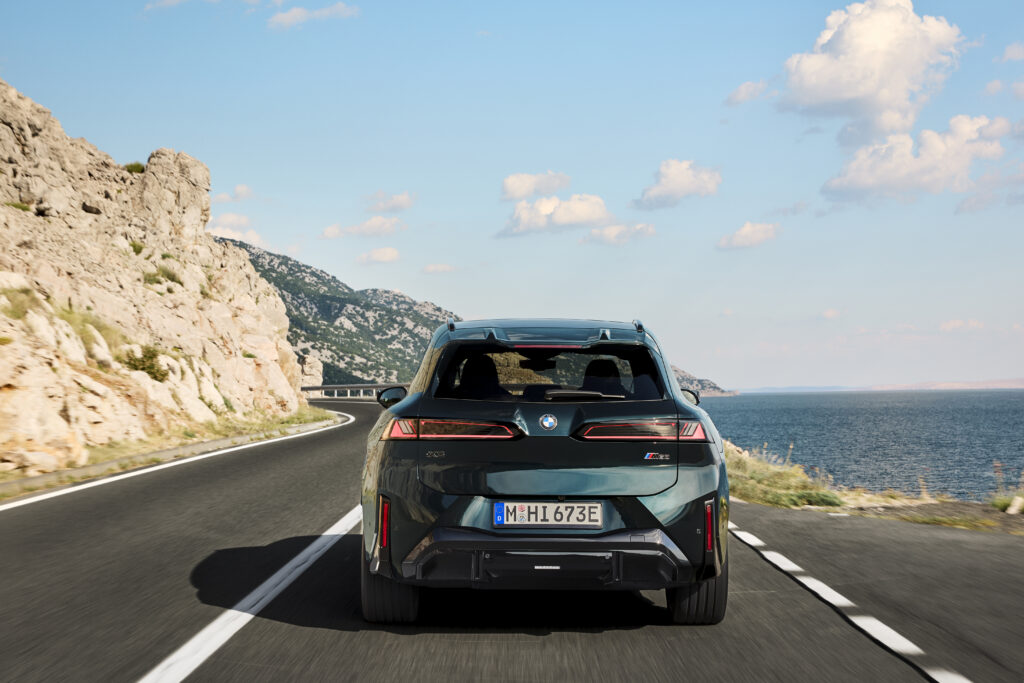
Hands-Free Does Not Mean Driverless
Optional Highway Assistant allows attentive hands-free operation on qualifying highways at speeds up to 85 mph, according to BMW. The crucial word is attentive. Under the SAE driving automation levels, Level 2 support still requires the human driver to supervise and intervene.
The National Highway Traffic Safety Administration makes that responsibility explicit. Buyers should check which roads and conditions support the BMW feature, which functions are standard, and whether any optional services carry ongoing costs. A hands-free headline is not permission to read messages behind the wheel.
You may also enjoy: BMW Finally Fixed the Electric Car, The New i3 Proves It
Similarly, advanced driver assistance should not be confused with crash-proof driving. NHTSA’s guide to driver assistance technologies distinguishes warning functions, automatic braking and lane assistance, each with specific limits. The car remains the driver’s responsibility.
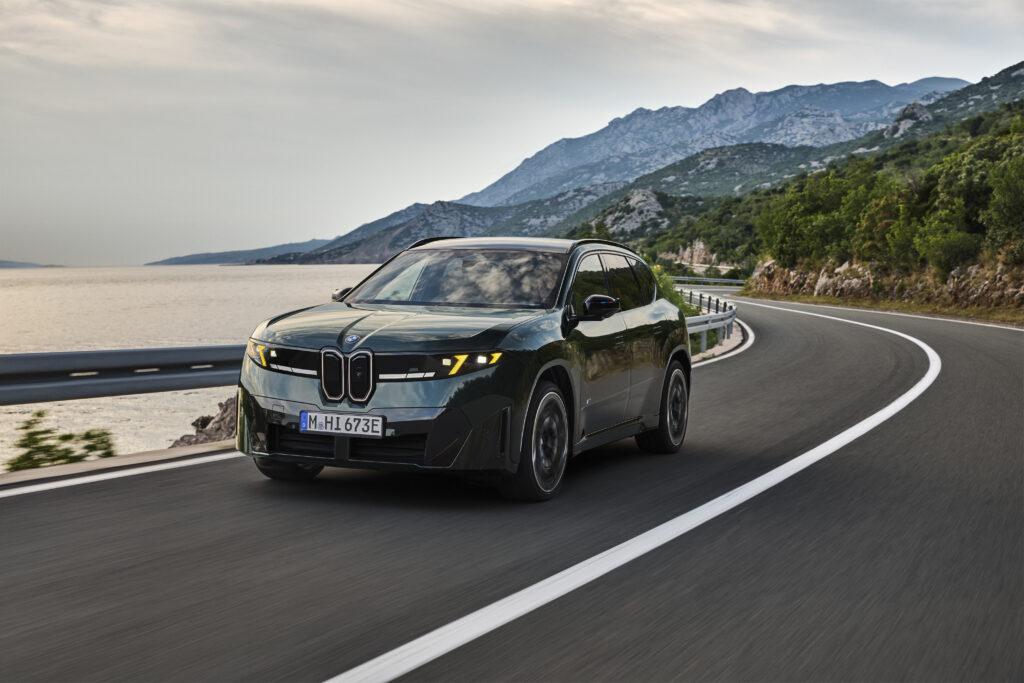
What Should Shoppers Wait to Learn?
BMW says orders will open at the end of January 2027, with production beginning in spring 2027 at its Debrecen plant in Hungary. The company has not provided a U.S. price in the supplied announcement. Nor has it given the definitive U.S. range figure needed to weigh the benefits of this M60 against a less powerful iX3.
You may also enjoy: BMW’s iX Is the Most Misunderstood EV in America
My advice is to treat the 603-horsepower claim as the beginning of the shopping conversation. Wait for the price, independent range results and a proper drive on ordinary pavement. Check ride quality on the larger wheels and spend time operating the cabin controls. If BMW has balanced its M hardware with genuine comfort and steering feel, this could be a compelling electric sports SUV. If it has merely made an already quick car quicker, buyers may find better value lower down the range.