The Diesel Number That Should Get Truck Owners’ Attention
There is a temptation to look at a five-cent weekly decline in diesel and call it good news. It is good news, technically. It just isn’t the whole story.
The U.S. average for on-highway diesel fell to $5.599 a gallon for the week ending August 31, according to the U.S. Energy Information Administration (EIA). The previous week’s average was $5.652. The problem is that the year-ago number was roughly $1.87 lower.
That changes the conversation for anyone shopping for, owning, or operating a diesel vehicle. The question isn’t simply whether the price moved down this week. It is whether diesel’s higher operating cost changes the math of owning the vehicle in the first place.
30-Gallon Fill-Up Cost: ~$168 at $5.599/gal
National Gasoline Average: $4.071/gal (same period)
Why Diesel Prices in USA Could Stay Under Pressure
The most interesting part of the current diesel story isn’t actually the pump. It is what is happening behind the pump.
EIA reported that U.S. distillate inventories were 14% below their five-year average as of the week ending August 28. Distillate includes diesel and heating oil, meaning the same broad pool of products will face changing demands as the year moves toward colder weather.
That matters because low inventories leave less cushion when something goes wrong. A refinery outage, shipping disruption, or sudden jump in international demand can move the market quickly.
EIA estimates crude oil historically represents about 51% of the monthly average U.S. retail diesel price, while refinery margins, distribution, retail costs, and taxes make up the remaining 49%.
That is why watching crude alone can give diesel buyers a misleading picture. The commodity underneath the fuel matters, but so does the ability to turn that crude into the distillate America needs and move it to the places where drivers need it.
The national average also doesn’t tell the whole story for American drivers. Diesel prices vary enormously depending on where the fuel is sold.
Region
Avg Price / Gallon
Cost to Fill 30-Gal Tank
Gulf Coast
$5.360
$160.80
East Coast
$5.448
$163.44
Midwest
$5.571
$167.13
West Coast
$6.497
$194.91
California
$7.218
$216.54
At $7.218 a gallon in California, a 30-gallon fill costs about $216.54 compared to $167.97 at the national average—a difference of nearly $49 per tank.
EIA says regional supply systems, taxes, transportation costs, and local market conditions all contribute to these differences. The West Coast is particularly isolated from other U.S. fuel markets, making supply disruptions more difficult and expensive to offset.
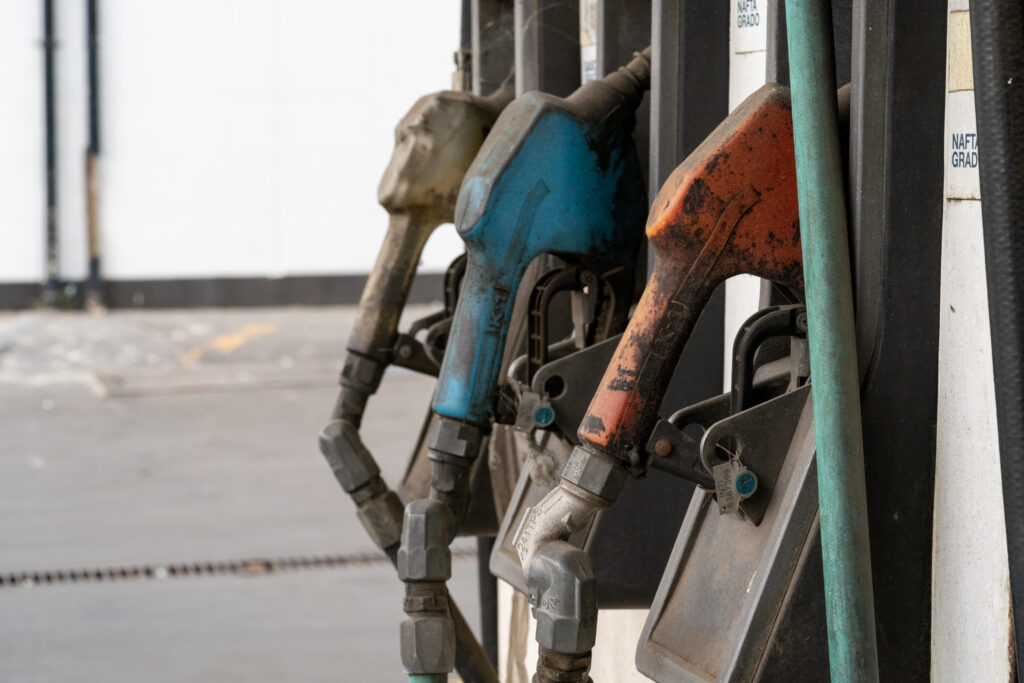
A row of an old dirty gas pump nozzle in a gasoline station
Is a Diesel Truck Still Worth Buying?
This is where the diesel-price story becomes an automotive story rather than simply an energy story.
A diesel powertrain still makes a compelling argument for the right owner. If a truck spends its life towing, hauling, or covering large numbers of highway miles, the combination of torque, range, and fuel efficiency can make sense. But the buyer who mostly drives an empty pickup to work and back has a different calculation.
The fuel bill is only one part of the equation. A diesel option can command a significant purchase-price premium, and the owner has to drive enough miles for the operating advantages to offset that initial cost. Maintenance, insurance, tires, and financing don’t disappear simply because the engine is efficient.
The smartest approach is to run the numbers using the vehicle’s actual mission. The Department of Energy’s Vehicle Cost Calculator allows buyers to compare fuel costs using their driving habits rather than relying on a generic annual mileage assumption.
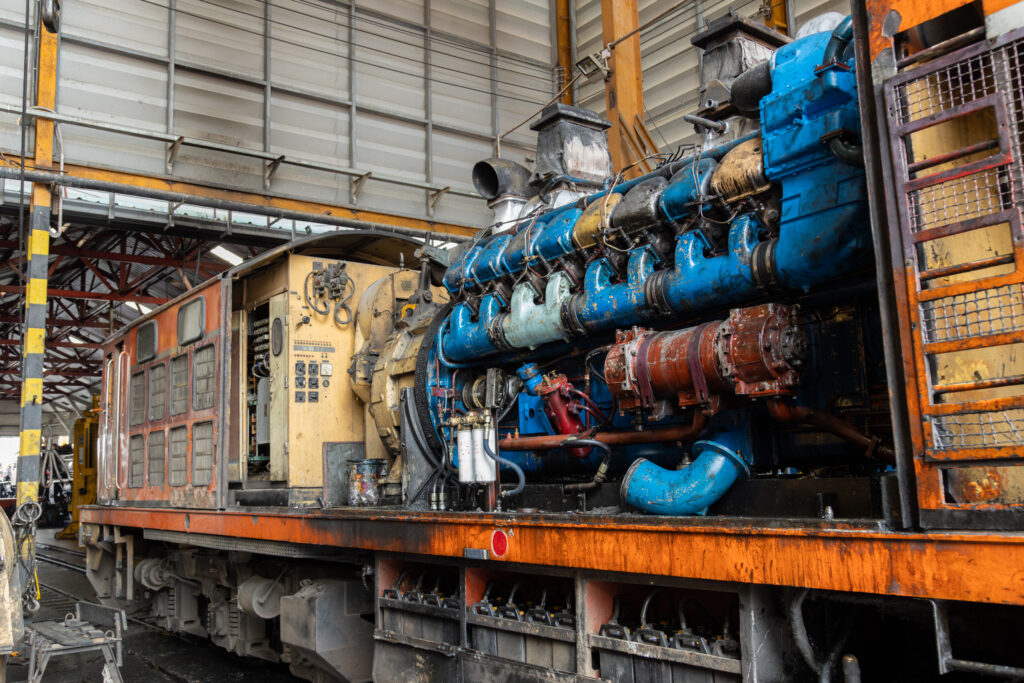
the train’s diesel engine, railway track in depot of train
Diesel’s Seasonal Problem Is Just Beginning
There is another reason I wouldn’t dismiss the current $5-plus average as a temporary annoyance:
Seasonal Demand Spike: Agricultural activity increases distillate consumption in the fall, followed by heating oil demand in winter (especially in the Northeast).
Global Market Dynamics: Disruptions outside the U.S. directly impact domestic pump prices.
Federal Tax Disparity: Federal highway diesel tax is 24.40 cents/gal, compared to 18.40 cents for gasoline (plus state/local taxes).
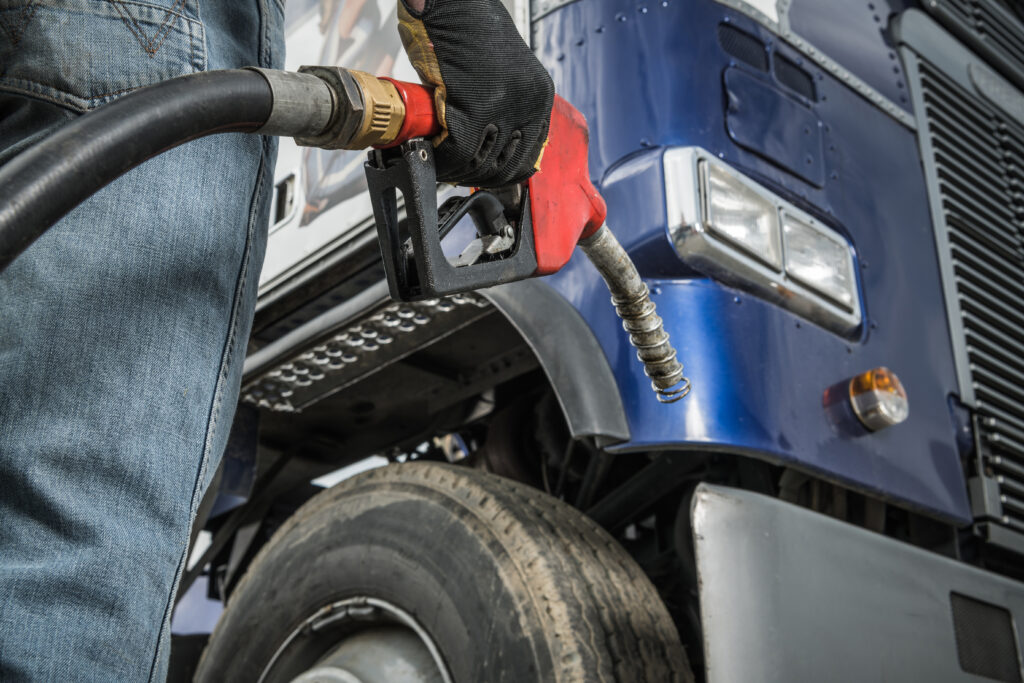
Trucker in Front of His Truck Preparing For Fueling Keeping Diesel Dispenser Pump Nozzle in His Hand. Transportation Industry.
The Diesel Buyer Needs to Think Beyond MPG
The most important lesson here isn’t that diesel is suddenly a bad choice. It isn’t.
It is that the old argument for diesel — buy the efficient engine and let the fuel savings do the work — needs more careful math when diesel is more than $5 a gallon.
Someone towing a large trailer across the country may still have an excellent reason to choose diesel. Someone hauling equipment every day may find that torque and fuel economy justify the premium. A high-mileage fleet may have an even stronger case.
But a buyer who wants a diesel simply because it sounds like the more capable choice should stop and calculate the real cost.
That is especially true right now. The national average has slipped from $5.652 to $5.599, but diesel remains far above last year’s level, while inventories are below the five-year average.
The next EIA weekly release is scheduled for September 9. Until then, treat the five-cent decline as a welcome break, not a victory lap. Diesel remains expensive, the supply cushion is thinner than normal, and the fall demand cycle is approaching. For anyone whose livelihood or daily life depends on a diesel engine, that makes the price on the pump one of the most important numbers to watch this month.