Why BMW’s New X5 May Be the Safest Bet in SUVs
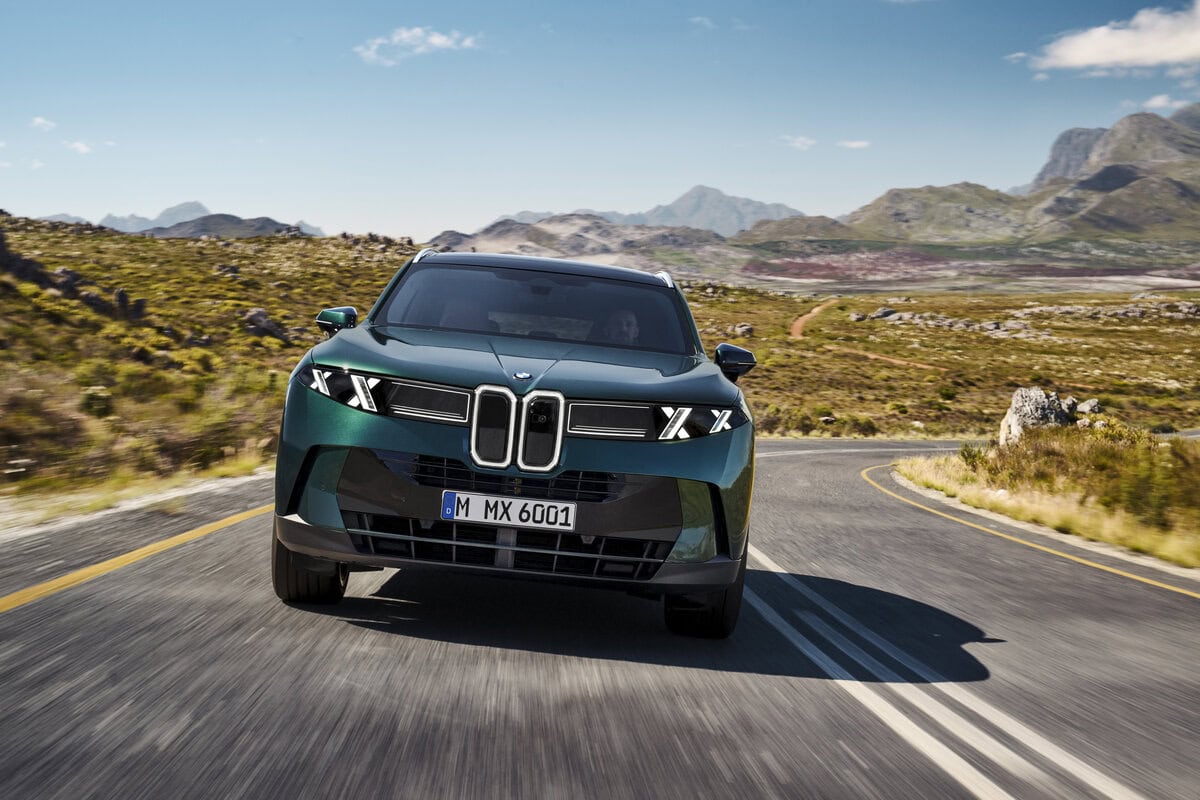
The new BMW X5 brings gas, diesel, plug-in hybrid, electric, and hydrogen power into one luxury SUV strategy built for an uncertain future.
The X5 Becomes BMW’s Everything SUV
The BMW X5 has always had a slightly unusual job. It has to be luxurious enough for the valet line, practical enough for the school run, composed enough for a long freeway drive, and sharp enough that BMW loyalists do not accuse it of forgetting where it came from. That was already a lot to ask from one SUV. The fifth-generation BMW X5 appears to be taking that challenge and adding several more jobs to the list.
This new BMW X5 is not simply another luxury SUV redesign. It is BMW’s attempt to build one premium SUV that can survive almost every version of the automotive future at once. Gasoline, diesel, plug-in hybrid, battery electric, and hydrogen are all part of the plan, depending on market and timing. Most automakers are still trying to explain which direction they are heading. BMW seems to have answered by saying yes to nearly all of them.
That matters because luxury SUV buyers are tired of being told there is only one correct future. Some still want gasoline because they tow, travel long distances, or do not have convenient home charging. Some want a plug-in hybrid because their daily commute can be electric, but their weekends still require range and flexibility. Some want a full electric SUV because they are done with fuel stops. A smaller group is watching hydrogen because refueling speed and long-distance operation still make sense in certain use cases.
The U.S. Department of Energy explains that all-electric vehicles use battery packs to store electricity that powers an electric motor, which is why range, charging speed, and battery integration matter so much in vehicles like the electric iX5.
You may also enjoy: BMW X5 Offers Five Drivetrain Options Including Hydrogen
A Familiar BMW SUV With a Much Bigger Mission
The BMW X5 name carries real weight. More than 3.1 million have been sold since BMW created the original Sports Activity Vehicle formula. That history gives BMW permission to experiment, but it also creates a responsibility not to ruin the recipe. The X5 cannot become a science project at the expense of everyday usefulness. It still needs to feel like a BMW X5.
That is why the design is important. The new model is longer and wider, but the bigger story is packaging. Building one architecture around five drivetrain strategies is not easy. Batteries, engines, exhaust systems, motors, hydrogen hardware, crash structures, suspension geometry, cabin space, cargo room, and towing needs all compete for the same real estate. BMW is trying to make one luxury SUV accommodate all of it without looking like the engineering department gave up halfway through.
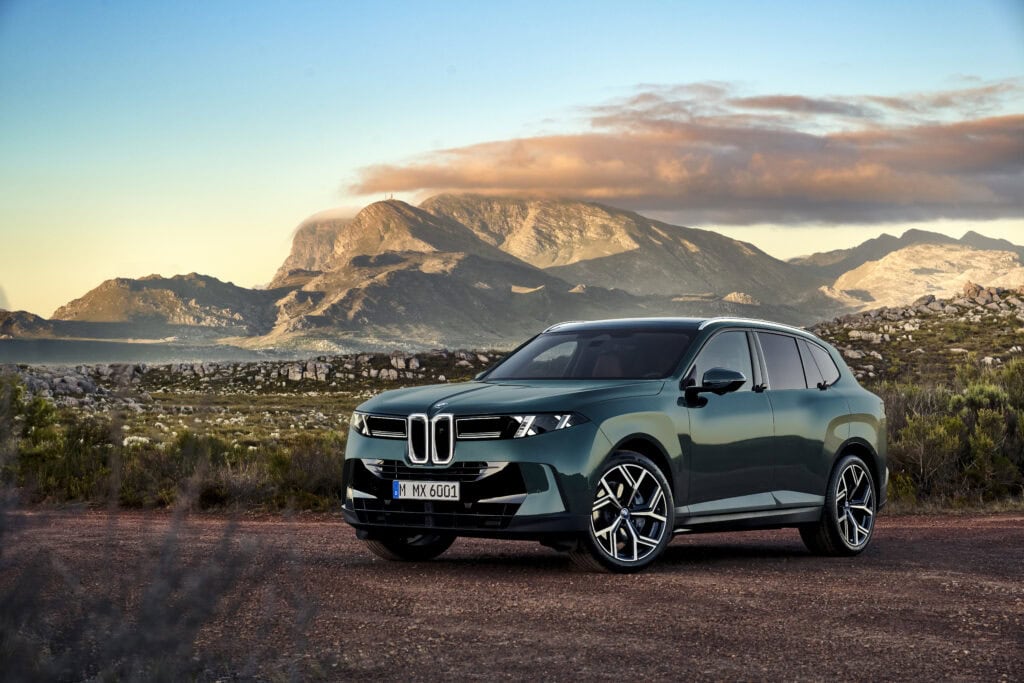
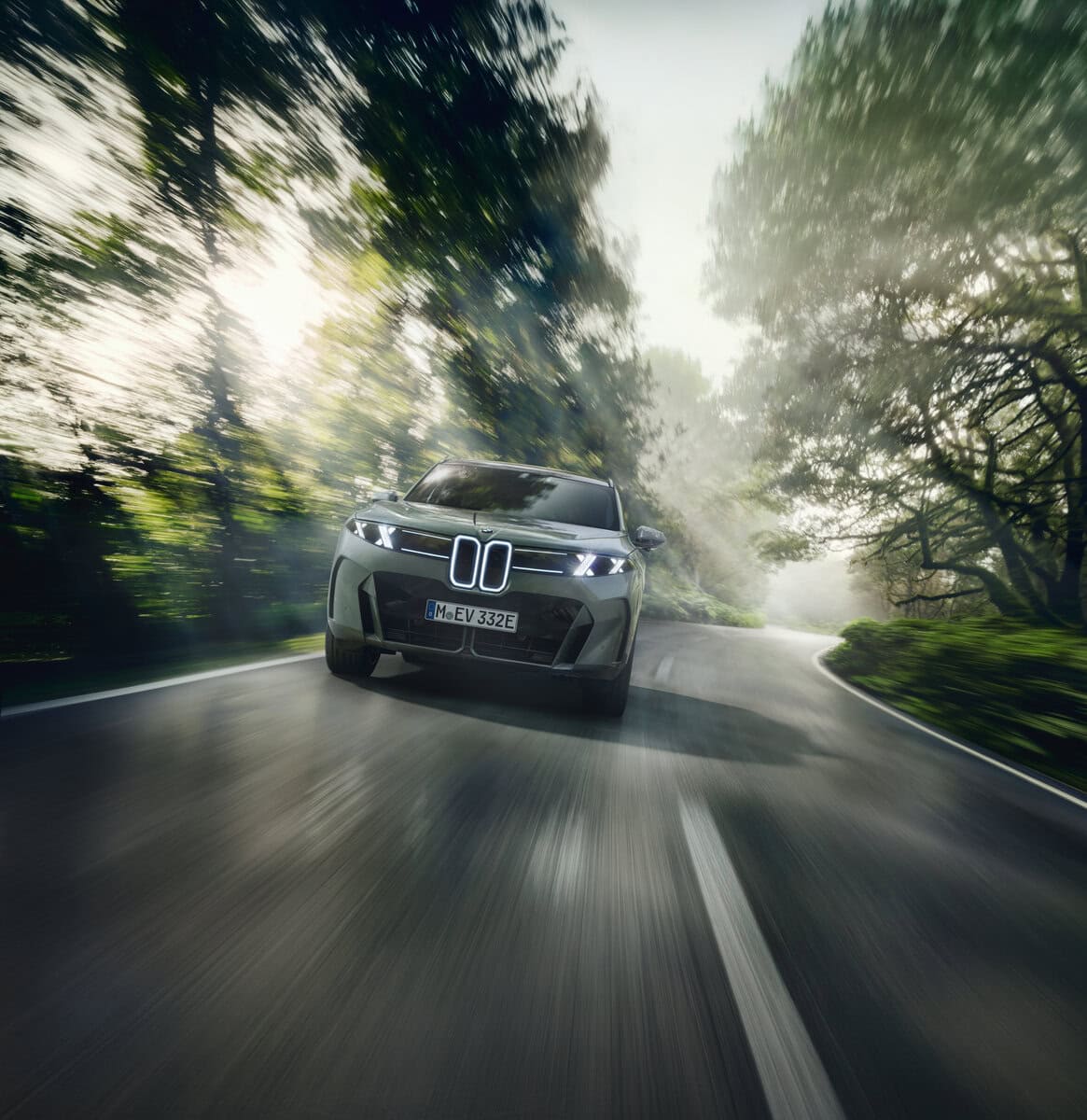
The result is a cleaner, more confident X5 with stronger visual presence. The vertical kidney grille gives it a more upright face, while the illuminated Iconic Glow treatment makes it recognizable before you read the badge. The double-X headlight signature adds a sharper identity, and on M models, yellow lighting gives the front end a little motorsport theater. Subtle it is not, but subtle was probably not the assignment.

Doors That Actually Make an Entrance
The showpiece feature is the automatic door system. All five doors can now open automatically, much like the 7 Series. Walk up, and the BMW X5 can sense your approach. Touch-sensitive winglet door handles replace traditional handles, and the doors glide open in a way that makes a normal power tailgate suddenly feel a bit basic.
This could easily be dismissed as a luxury gimmick, but it fits the X5’s role. Large SUVs are often used with full hands, kids, luggage, briefcases, groceries, sports gear, or dogs. Anything that reduces the awkward dance of digging for keys or yanking a handle while carrying half your life has some real-world value. It also gives the X5 a sense of occasion. Luxury is not only about leather and screens. Sometimes it is about the vehicle behaving as if it noticed you arrived.
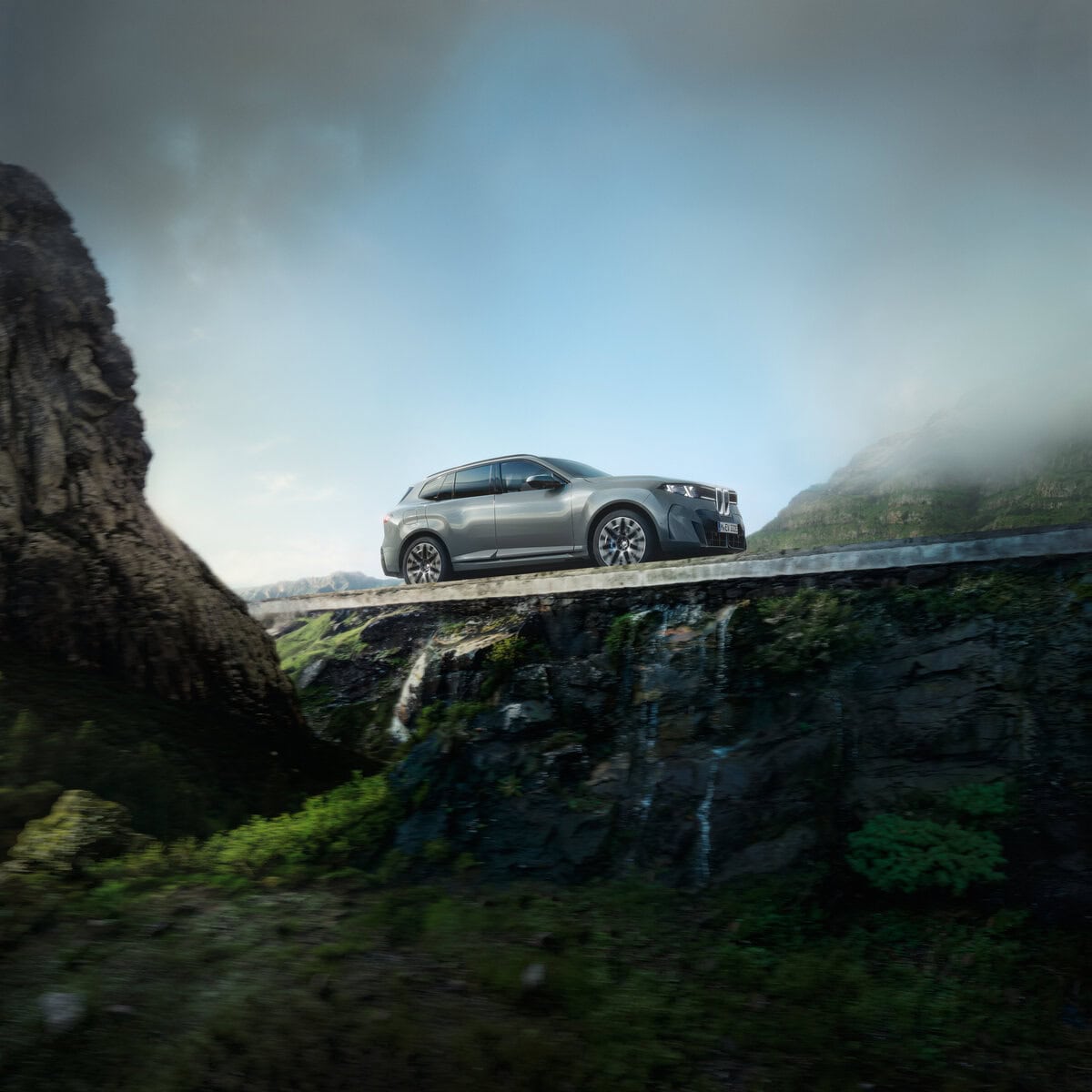
The aviation-inspired handles also help clean up the side profile. They make the X5 look more technical and less cluttered. Combined with wheel sizes that start at 21 inches and rise to 23 inches, the new SUV leans into a more planted, upscale stance. M models getting 22-inch wheels as standard makes sense visually, even if every pothole in America just cleared its throat.
You may also enjoy: BMW iX3: A Smarter, Sustainable Electric SUV

The Interior Goes Full Theater
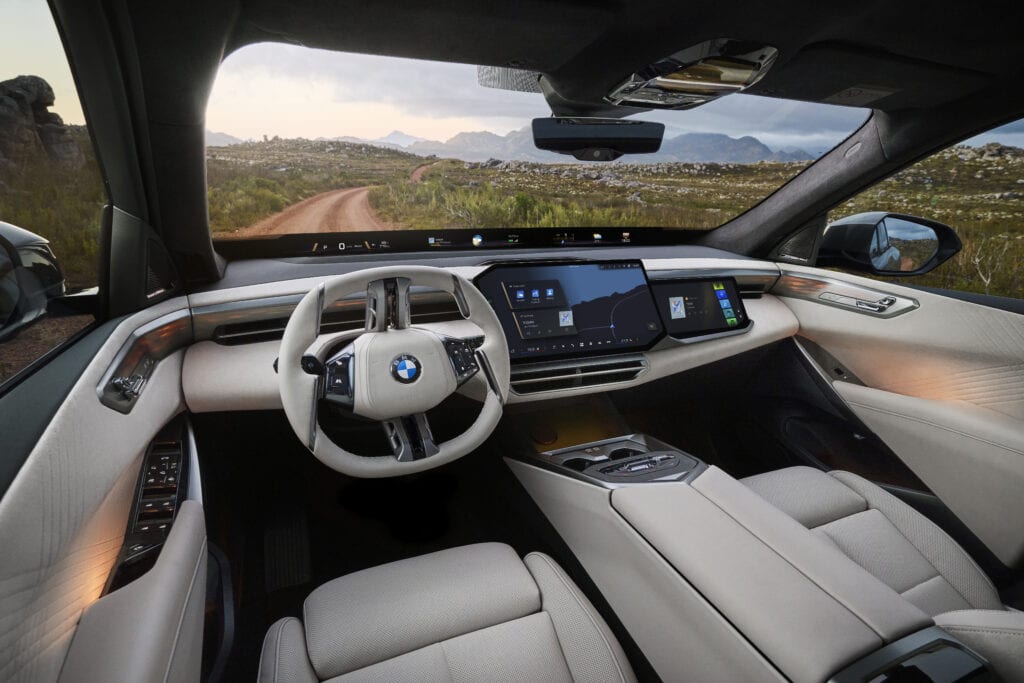
Inside, BMW has clearly decided that the next luxury battle will be fought across the dashboard. The new BMW X5 gets a 17.9-inch central display, full-width Panoramic Vision across the windshield area, and an optional passenger display. This is not simply screen inflation for the sake of it. The idea is to move information into the driver’s natural sightline while giving passengers their own digital space.
The passenger screen supports streaming, gaming, video calls, and even Uno. That sounds like a small detail, but it reveals where luxury interiors are heading. The front passenger is no longer treated as someone who gets a cupholder and permission to adjust the radio. They now get their own interface. Importantly, the system can dim if it detects driver distraction, which is exactly the kind of restraint more screen-heavy interiors need.
Materials remain a major part of the pitch. Merino leather, Alcantara, and real slate trim give the cabin a more tactile character. The stone dashboard trim is the kind of feature that could sound ridiculous until you see how it changes the atmosphere. Luxury buyers increasingly expect sustainability, authenticity, and texture, not just glossy plastic pretending to be something expensive.
The available panoramic roof stretches more than 21 square feet and actually opens. That last part matters. Many modern glass roofs look spectacular but do little more than bake the cabin in August. The X5’s roof gives passengers light, space, and fresh air, which remains one of the oldest and best luxury features.
The X5 Still Has to Do SUV Things
Technology and theatrical doors are nice, but an SUV still has to carry things. BMW says the new X5 can fit two strollers or four golf bags in the back, which neatly covers two very different life stages. Cargo space rises to about 65 cubic feet, giving the BMW X5 the practical side that has always made it more useful than a luxury sedan.
Towing remains part of the identity too. The electric iX5 is expected to tow nearly 6,000 pounds, while plug-in hybrid versions can go higher, with figures above 7,000 pounds in the supplied numbers. That matters because luxury SUV buyers do not always tow every day, but they do want the option. Boats, trailers, bikes, utility gear, and family toys are part of the premium SUV lifestyle, even when the owner spends most of the week in traffic.
A plug-in hybrid electric vehicle uses a battery-powered electric motor along with another fuel source, such as gasoline or diesel, which is why a plug-in hybrid X5 can make sense for drivers who want electric commuting without giving up long-distance flexibility.
You may also enjoy: Inside BMW’s Factory and What It Could Mean for America
The Powertrain Menu Is the Real Story
The electric iX5 is the headline-grabber. BMW’s numbers point to 578 horsepower, nearly 500 miles of range, and a run to 60 mph in under five seconds. It also uses an 800-volt electrical system, supports charging above 450 kW, and offers bidirectional capability. That last feature could become increasingly important as owners start viewing EVs not only as transportation but as mobile energy storage.
The plug-in hybrid M60e may be the most interesting version for many buyers. With 612 horsepower, up to 60 miles of electric range, a 155 mph top speed, and strong towing capability, it blends the two sides of the market. It can act like an EV for weekday errands and still behave like a high-performance SUV on a long trip. That kind of flexibility is why plug-in hybrids are getting renewed attention.
The gas model keeps the familiar BMW formula alive with an inline-six making around 400 horsepower and mild-hybrid assistance. This is likely to be the emotional comfort zone for many traditional X5 buyers. It offers smoothness, power, and less behavioral change. Diesel remains in the global conversation with 494 lb-ft of torque and fuel economy above 30 mpg in the supplied figures. That will matter most in markets where diesel remains common and accepted.
The Department of Energy says hybrid electric vehicles combine an internal combustion engine with one or more electric motors, giving automakers another way to balance performance, efficiency, and range.
You may also enjoy: BMW Doubles Down on Circular Car Manufacturing

Hydrogen Is the Wildcard
Hydrogen is the most speculative part of the BMW X5 strategy, but it may also be the most revealing. BMW has been testing hydrogen fuel-cell technology for years, and the X5 is the right kind of vehicle for it. Hydrogen makes more sense in larger vehicles where range, refueling speed, and payload can matter more than absolute energy efficiency.
The challenge remains infrastructure. A hydrogen X5 can be brilliant on paper, but it needs places to refuel before it can matter to ordinary buyers. That is why hydrogen is not replacing battery electric vehicles in the near term. It is another possible tool, particularly for drivers and fleets that need fast refueling and long operating range.
A fuel cell electric vehicle uses hydrogen to produce electricity for an electric motor, rather than relying only on a large battery charged from the grid. That makes hydrogen technically interesting, but also heavily dependent on fueling availability.
The Tech Is Smarter, But the Driver Still Matters
BMW’s driver-assistance story is also moving forward. Hands-free driving up to 81 mph, eye-confirmed lane changes, and AI-assisted parking push the X5 toward a more automated daily experience. BMW calls part of this approach Symbiotic Drive, which is a very BMW way of saying the vehicle blends human input with machine assistance.
The important point is that this is still driver assistance, not a replacement for the driver. The best version of this technology reduces fatigue, smooths out long trips, helps in traffic, and makes parking less stressful. The worst version encourages people to overtrust it. BMW’s challenge will be making the system feel helpful without making drivers careless.
The National Highway Traffic Safety Administration says driver assistance technologies can help reduce crashes, but these systems still require drivers to understand their limits and remain responsible behind the wheel.
You may also enjoy: BMW’s Electric M3 Has to Prove It Has a Soul
It Still Has to Drive Like a BMW
The phrase “still drives like a BMW” matters here. Many technology-heavy vehicles feel impressive but emotionally distant. BMW cannot afford that with the X5. The brand promise is not merely that the vehicle will move you efficiently. It is that the vehicle will feel balanced, sorted, and satisfying while doing it.
If BMW can preserve that while adding electric power, automatic doors, panoramic displays, and machine intelligence, then the X5 will have pulled off something genuinely difficult. The point is not just to make the X5 more digital. It is to make the digital layer feel like it supports the driving experience rather than smothering it.
The Department of Energy notes that hydrogen as a transportation fuel is tied to fuel-cell vehicles, domestic energy production, fast filling time, and high efficiency, which explains why automakers continue testing it even as battery electric vehicles dominate the conversation.

Why This BMW X5 Matters
The new BMW X5 matters because it refuses to bet the entire future on one answer. That may frustrate purists who want a clean ideological direction, but it may be exactly what real buyers need. The market is not moving in one straight line. Charging access is uneven. Fuel prices move. Regulations change. Towing needs remain. Families grow. Technology improves. Infrastructure lags. Consumers do not all live the same life.
That is why the X5’s strategy feels more practical than indecisive. BMW is not abandoning gasoline, not ignoring electric SUVs, not dismissing plug-in hybrids, and not walking away from hydrogen research. It is using one of its most important SUVs as a bridge across multiple futures.
The risk is complexity. More drivetrains mean more engineering burden, more cost, more validation, and more ways for buyers to become confused. The upside is resilience. Whatever happens next, BMW wants the X5 to already have an answer.
For drivers, that could make the new BMW X5 one of the safest bets in the luxury SUV world. Not because it is simple, but because it is prepared. Gas, electric, hybrid, diesel, hydrogen, luxury cabin, serious towing, big cargo, clever doors, advanced displays, and real driving character all live under one badge. That is an ambitious brief.
Annoyingly, it may also be the right one.