Genesis GV80 Coupe vs Defender: Why SUV Shape Matters
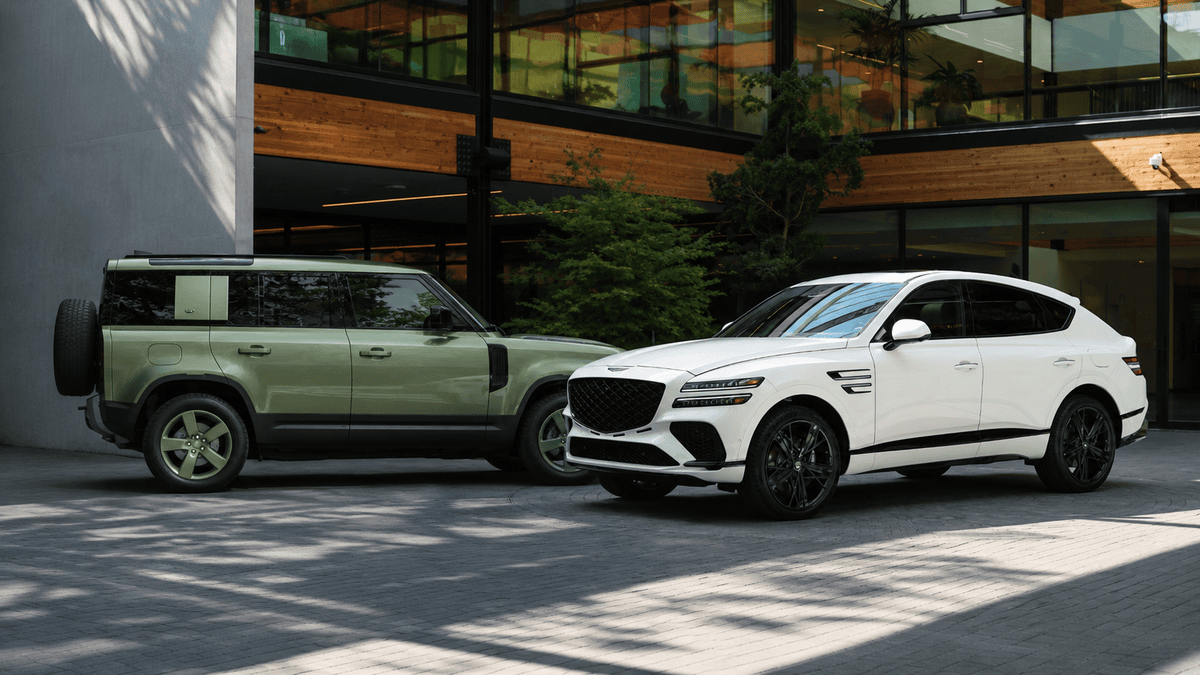
The 2026 Genesis GV80 Coupe and 2026 Land Rover Defender 110 show why SUVs are splitting between sleek luxury and boxy utility.
The SUV Market Has Split Into Two Tribes
The SUV market has split into two very different personalities. One side is upright, practical, square-edged, and proud of it. The other is lower, sleeker, more dramatic, and designed to make an entrance before it carries anything remotely inconvenient. That is the real story behind the 2026 Genesis GV80 Coupe 3.5T AWD and the 2026 Land Rover Defender 110 X-Dynamic SE. They are both luxury SUVs, both expensive, both powerful, and both capable of making an owner feel rather pleased with themselves. But they approach the SUV idea from opposite ends of the driveway.
The Genesis GV80 Coupe is the SUV tailored. It takes the comfort, technology, and road presence of a luxury SUV and wraps it in a coupe-inspired roofline that clearly values style. The Land Rover Defender 110 is the SUV as a tool. It is boxy, upright, and intentionally rugged, with the visual confidence of something designed to be useful before it was designed to be beautiful. The question is not which one is better in some abstract sense. The question is which compromise makes more sense for the way people actually live.
That matters because SUVs remain the default American family vehicle, and the segment now stretches from efficient crossovers to serious off-road machines and six-figure luxury flagships. The EPA Automotive Trends Report shows how important truck SUVs and car SUVs have become in the broader U.S. vehicle fleet. In that context, design is not just styling. Shape influences visibility, cargo space, efficiency, comfort, capability, and the way an owner feels every time they walk toward the vehicle.
You may also enjoy: Is the 2025 Genesis GV80 Coupe the SUV We’ve Been Waiting For?
The Sleek SUV Argument
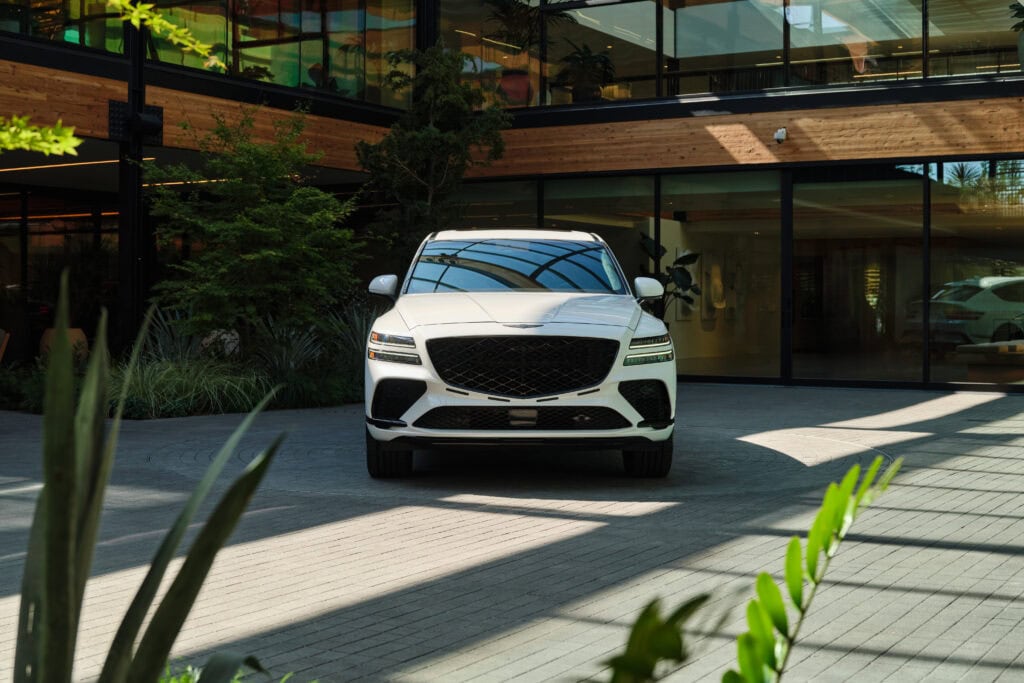
The 2026 Genesis GV80 Coupe 3.5T AWD starts at $81,850, and it makes a strong case for the idea that an SUV does not need to look like a storage container to be useful. Under the hood is a 3.5-liter twin-turbocharged V6 producing 375 horsepower, paired with an eight-speed automatic transmission and standard all-wheel drive. That gives the Genesis the kind of smooth, confident performance luxury buyers expect, without turning every trip to the grocery store into an audition for a racing license.
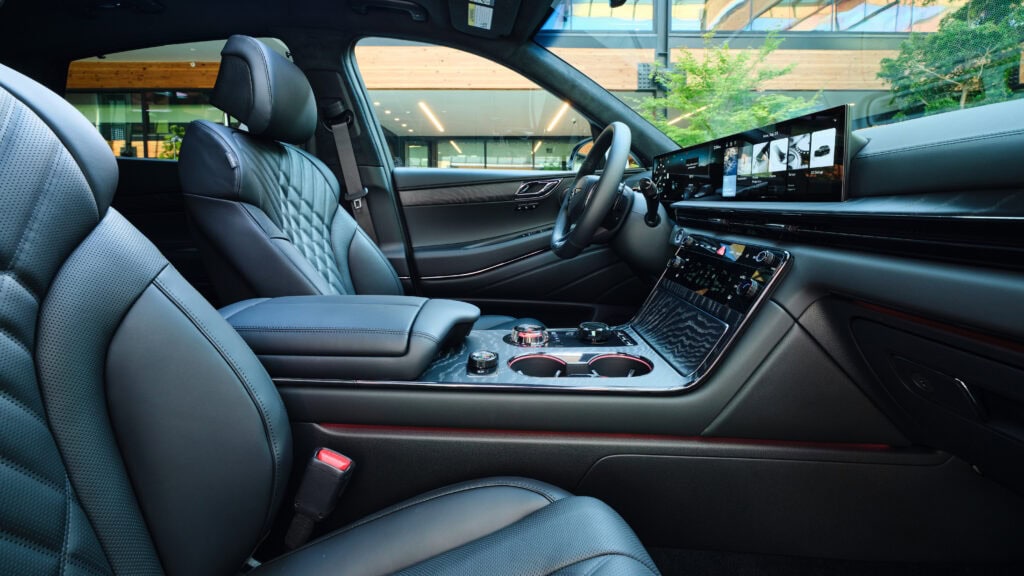
What the Genesis does best is atmosphere. The cabin feels polished, quiet, and expensive in a way that matters on a daily basis. The 27-inch OLED display gives the dashboard a wide, modern appearance, while Nappa leather, premium trim, and available Bang & Olufsen audio help the GV80 Coupe feel more like a proper luxury vehicle than a conventional SUV wearing a nice jacket. It is not trying to be the most rugged machine in the parking lot. It is trying to make every drive feel calmer, richer, and more deliberate.
That sleek roofline, though, is not free. Coupe SUVs always ask buyers to trade a little practicality for drama. In the Genesis, the rear seat remains comfortable for adults, but the lower roofline trims some headroom compared with a more upright SUV. Cargo room is still useful, with 29.3 cubic feet behind the rear seats and 61.1 cubic feet with them folded, but taller items will notice the shape of the body before the owner does. Style has not ruined the practicality, but it has definitely charged it rent.
The Boxy SUV Argument
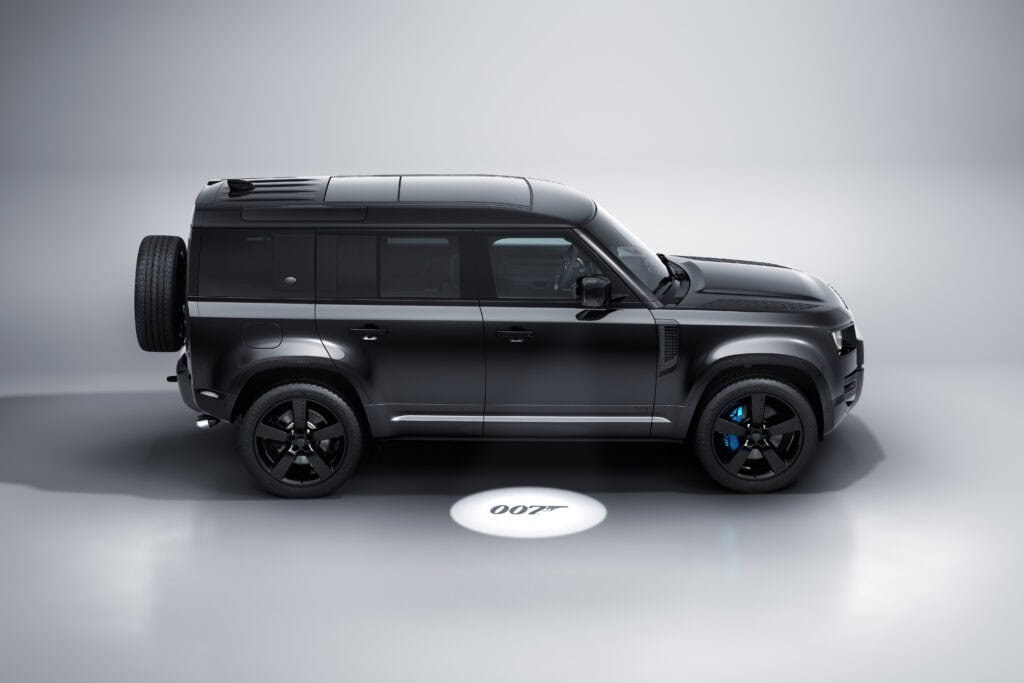
The 2026 Land Rover Defender 110 X-Dynamic SE starts at $75,200, and it represents the other SUV philosophy entirely. Where the Genesis looks sculpted, the Defender looks drawn with a ruler and a sense of purpose. It has a tall roof, broad doors, a square cargo opening, generous ground clearance, and a stance that suggests it would rather be dirty than admired under showroom lights. That is not an accident. The Defender’s shape is central to what makes it useful.
The Defender 110 X-Dynamic SE uses a 395-horsepower mild-hybrid inline-six paired with an eight-speed automatic transmission and serious four-wheel-drive hardware. The twin-speed transfer case matters because it gives the Defender genuine off-road credibility rather than just a rugged outfit. It is the difference between looking ready for a trail and being engineered to handle one. Snow, mud, gravel, ruts, steep approaches, and bad roads are all part of the Defender’s reason for existing.
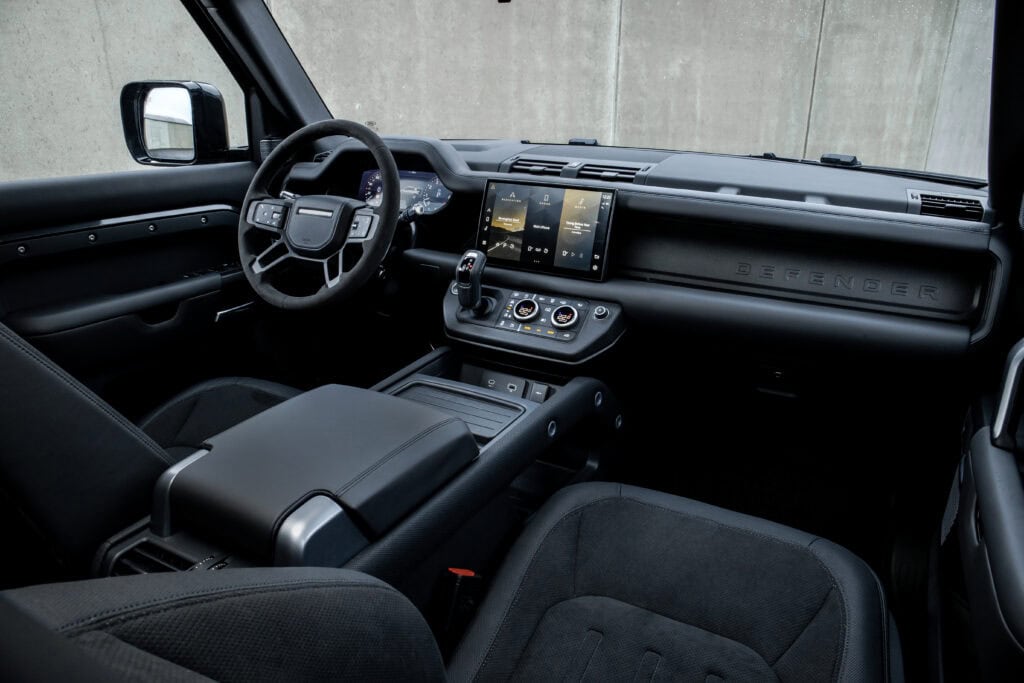
Inside, the Defender is more refined than its exterior suggests, but it does not pretend to be delicate. The 13.1-inch screen brings modern infotainment into the cabin, while heated and cooled seats, Meridian audio, and quality materials keep it from feeling like a work truck. Yet the design still understands gloves, dirt, dogs, gear, and bad weather. It is luxury with boots on, not luxury in a linen suit. Even something as basic as tire choice matters more when capability is part of the promise, which is why NHTSA tire safety guidance remains useful for owners who expect their SUV to do more than commute.
You may also enjoy: Land Rover Defender OCTA: The Ultimate Blend of Power and Capability

Where Shape Becomes Function
The biggest difference between these two SUVs appears when people and cargo enter the conversation. In the Genesis, the rear seat is comfortable and the environment is upscale, but the coupe roofline creates a more intimate space. That is perfectly acceptable if most passengers are children, average-height adults, or occasional guests. It becomes less ideal if the vehicle regularly carries tall passengers, bulky equipment, or luggage stacked to the roof.
The Defender’s boxy shape pays off immediately. Rear passengers get generous headroom, easier entry through wide doors, and a more commanding view out. The tall glass and upright seating position make the interior feel open and practical. It may not have the same lounge-like elegance as the Genesis, but it gives people room to move, see, and breathe. For families, dog owners, outdoor people, and anyone who carries awkward cargo, that matters more than a sweeping roofline.
Cargo space tells the same story. The Genesis is practical enough for real life, but it asks you to respect its shape. The Defender is more accommodating because it is shaped like the things people need to carry. With up to 78.8 cubic feet of cargo space, a square opening, and a side-hinged tailgate, it is simply easier to load. Luggage, Labradors, bicycles, camping gear, sports equipment, and the occasional emotional purchase from a home improvement store all fit more naturally into a box.
You may also enjoy: 2026 Jeep Cherokee Hybrid Review: Practical Jeep SUV
How They Drive
On the road, the Genesis makes the coupe-SUV idea understandable. It is smooth, quiet, quick, and composed. The twin-turbo V6 delivers effortless power, and the eight-speed automatic helps keep the experience refined rather than frantic. It feels like an SUV built for highways, airports, restaurants, school runs, and evening arrivals where the vehicle is expected to look as polished as the destination.
The Defender drives from a different altitude, literally and philosophically. You sit higher, see farther, and feel more aware of the vehicle’s shape around you. It is not trying to shrink itself around the driver like a sport sedan. Instead, it gives you a sense of command. That upright posture is useful in traffic, on rough roads, and anywhere visibility matters. There is a reason boxy SUVs have stayed desirable even as designers keep trying to turn everything into a fastback.
The Defender’s 395-horsepower mild-hybrid inline-six gives it plenty of power, but the character is not really about speed. It is about confidence. The powertrain, transfer case, ground clearance, and off-road systems work together to make the Defender feel prepared. Most owners may not use that capability every weekend, but it changes the emotional contract. You are not just buying transportation. You are buying the reassuring possibility that, if things get difficult, your SUV is not the weak link. For buyers comparing running costs, the official FuelEconomy.gov site remains one of the best places to compare EPA fuel economy estimates and ownership costs.
You may also enjoy: Lexus LX 700h Review: A Grown-Up’s Luxury SUV
Technology and Safety
Both vehicles understand that modern luxury buyers expect serious technology. The Genesis includes Highway Driving Assist 2, adaptive cruise control, lane-centering assistance, blind-spot cameras, and parking assistance. These features make the GV80 Coupe easier to live with, especially in traffic and tight spaces. In a vehicle that prioritizes style, strong driver-assistance technology helps reduce the chance that fashion ends in an expensive mailbox conversation.
The Defender also brings a strong safety and assistance package, including 3D surround-view camera capability, adaptive cruise control, blind-spot assist, lane keeping, and emergency braking. Those systems are useful on the road, but they are especially valuable in a vehicle with real off-road intent. When the scenery includes rocks, ruts, trees, and steep drops, cameras and sensors become more than convenience features. They become tools. For shoppers comparing features, the NHTSA guide to driver-assistance technologies is a helpful explainer of systems such as lane keeping assistance, blind-spot warning, and adaptive cruise control.
Safety ratings should also be part of the buying conversation, especially in vehicles this expensive. The NHTSA 5-Star Safety Ratings program gives shoppers a way to compare crash-test performance and rollover risk across vehicles. That does not replace a test drive, a careful look at visibility, or an honest assessment of how a vehicle fits your family, but it does cut through some of the marketing noise.
You may also enjoy: Hyundai Boulder Concept Takes Aim at Jeep Wrangler and Ford Bronco
Ownership Value and the Real Cost of Confidence
The Genesis has the stronger luxury ownership story. Its five-year new vehicle warranty, ten-year powertrain warranty for the original owner, and three years of complimentary scheduled maintenance give buyers a reassuring ownership package. That matters in a segment where peace of mind is part of the premium experience. It also strengthens the GV80 Coupe’s argument against more established German luxury rivals, where the badge may be familiar but the ownership math can become less charming after the first service visit.
The Defender’s value is different. It sells hardware, heritage, capability, image, and the sense that it can do something difficult if asked. That may be less tidy on paper, but it is powerful emotionally. A Defender owner may never need to cross a washed-out trail, climb a rocky incline, or rescue civilization from a muddy campsite. But the point is that the vehicle feels ready for it. That readiness is part of the product.
This is why comparing these two SUVs by price alone misses the point. The Genesis uses its money to deliver design, comfort, technology, warranty confidence, and a more polished daily experience. The Defender uses its money to deliver capability, space, visibility, hardware, and adventure credibility. Both are expensive. Both justify themselves differently. The smarter question is not which one gives you more for the money. It is which one gives you more of what you will actually use.
The Honest Compromise
Here is the honest critique: both of these SUVs are compromises. The Genesis gives up some rear-seat openness and cargo flexibility to look sleeker, more dramatic, and more expensive. The Defender gives up some aerodynamic elegance and urban polish to deliver space, visibility, and real off-road credibility. Neither approach is wrong. They simply prioritize different lives.
The GV80 Coupe makes the most sense for drivers who spend most of their time on pavement and want their SUV to feel special every day. It is stylish, luxurious, quick, and comfortable, with enough practicality for normal use. It is the better fit for buyers who care about design, cabin quality, warranty coverage, and arriving places without looking like they are prepared to ford a river after lunch.
The Defender 110 X-Dynamic SE makes the most sense for drivers who value utility first. It is the better choice for cargo, visibility, rear-seat openness, and true all-weather or off-road confidence. It is not inexpensive, but its capability is real. Even if the owner only uses that capability once or twice a year, the Defender’s appeal lies in knowing it is there.
You may also enjoy: Cadillac Vistiq: The Electric Three-Row That Actually Works
Final Verdict
The choice between the Genesis GV80 Coupe and the Land Rover Defender 110 is not really about luxury versus capability. Both have luxury. Both have power. Both have technology. The real choice is between two versions of usefulness. The Genesis is useful because it makes daily driving feel better, calmer, and more stylish. The Defender is useful because it makes daily life easier to load, see out of, and occasionally escape from.
Choose the Genesis if your real life is mostly roads, airports, restaurants, school runs, and long highway drives where comfort and style matter most. Pick the Defender if your real life includes dogs, gear, bad weather, rough roads, outdoor weekends, or the comforting fantasy of being the only person in the neighborhood ready for a flood. The Genesis is the SUV tailored. The Defender is the SUV as a tool. The smart choice is the one that matches your actual life, not just your driveway fantasy.