BMW’s Hydrogen Gamble Starts With The X5
I’ve followed BMW’s hydrogen story long enough to know it has never been just a science project. It has always been a fuel story waiting for the right vehicle.
For years, hydrogen at BMW lived in the fascinating corners of the brand’s history. Museum cars. Experimental engines. Engineering exercises that made you stop, stare, and wonder whether the future had arrived too early. The promise was always there, but so was the problem: most people couldn’t picture hydrogen in their own driveway.
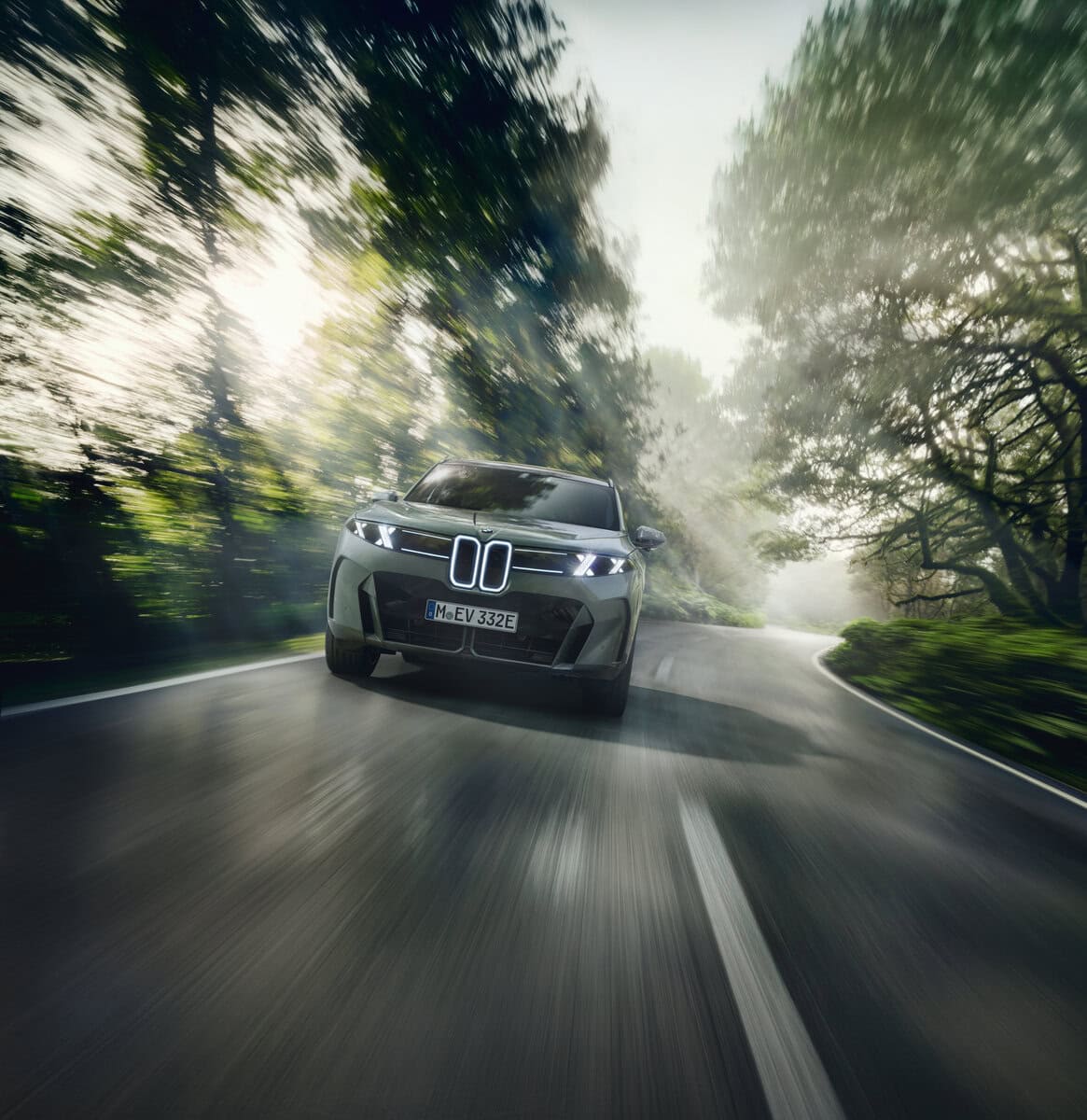
That is why the new BMW X5 Hydrogen feels different.
BMW is not putting hydrogen into a strange little concept car. It is putting it into the X5, one of the brand’s most important SUVs. That changes the story from “look what engineers can do” to “could this actually work for families, commuters, road trips, and real life?”
You may also like: BMW Hydrogen Vehicles: History and What Comes Next
A Hydrogen Story That Started In 1979
Josef Hochreiter, Head of Hydrogen Vehicles at BMW Group, gave me the line that anchors the whole story: “The BMW hydrogen journey started 47 years ago in 1979.”
That matters because hydrogen keeps getting introduced to the public as if it just wandered into the room. It didn’t. BMW has been working around this idea since the 1970s, asking a question the industry still hasn’t fully answered: what if the cleaner future does not come from one solution?
The early BMW hydrogen cars had drama. Some used combustion. Some felt like technical declarations rather than customer cars. They proved BMW engineers could make hydrogen move with real character, but they also exposed the harder truth. The fuel was exciting. The world around it was not ready.
You may also like: BMW X5 Offers Five Drivetrain Options Including Hydrogen

Why The X5 Makes Hydrogen Feel Real
The most telling detail may be where this vehicle fits in the factory. Hochreiter said, “So, basically, the production line here in Spartanburg is able to build all five drivetrain options, which we have seen today.”
That is the business case hiding inside the engineering story. Hydrogen becomes more believable when it does not require its own isolated corner of the universe. BMW is trying to make the X5 flexible enough for gasoline, diesel, plug-in hybrid, battery electric, and fuel-cell power.
For a skeptical reader, that matters. A one-off prototype is easy to admire and easier to dismiss. A hydrogen X5 from a plant built around multiple drivetrains is harder to ignore.
Hochreiter explained the customer pitch simply: “This car, at the end of the day, combines the best of both worlds.”
That means electric-style smoothness with refueling that feels closer to a gas stop. Picture a quiet SUV pulling away like an EV, covering serious highway distance, then taking on fuel in minutes.
You may also like: Inside BMW’s Factory and What It Could Mean for America

The Big Number And The Big Catch
Range gives this story its headline number. Hochreiter said, “So the range will be up to 750 km according to WLTP, which is a big step forward compared to the pilot fleet.”
That is about 466 miles. More importantly, it gives the X5 Hydrogen a proper road-trip argument. It lets people imagine a clean-driving SUV that does not ask them to reorganize life around charging stops.
But hydrogen still has the same old villain: infrastructure. If there is no station near you, the most advanced hydrogen SUV becomes a beautiful answer to a question your neighborhood cannot yet ask. That is why the X5 Hydrogen is both promising and risky.
BMW also knows this cannot just be a technology trophy. Hochreiter told me, “The X5, I think is a very good car for commuters and families.”
That sentence may be the whole point. Hydrogen will not win because it sounds futuristic. It will win only if it becomes normal. If the X5 Hydrogen can carry people, luggage, dogs, and ordinary life while delivering fast refueling and long range, then BMW’s 47-year fuel story finally has a vehicle regular drivers can understand.
After years of watching BMW chase hydrogen through prototypes, museum cars, and engineering milestones, this feels like the first version that could move the conversation out of the lab and onto the road. The potential has always been there. Now the car is almost here.