If you’ve never watched IMSA racing, the first few minutes can feel like walking into the middle of a very fast argument. There are sleek prototypes, recognizable sports cars, different speeds, pit stops, traffic, strategy and sometimes rain. It looks complicated. That’s also why it’s brilliant.
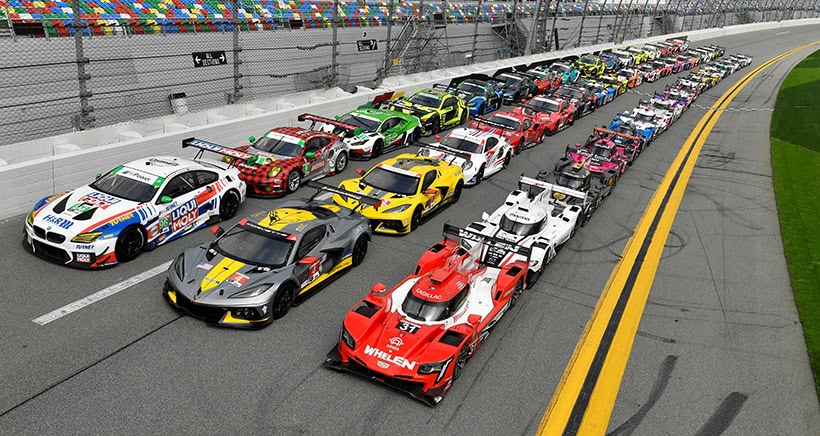
IMSA is sports car racing, and its top championship is built around endurance racing. Instead of one type of car running in neat formation, IMSA puts several categories on track at the same time. Some are purpose-built race machines. Others look much closer to cars you might see from Porsche, BMW, Corvette, Lexus, Ferrari and Aston Martin.
The easy way to understand it is this: IMSA is not just about who is fastest. It’s about who is fast, clean, durable and calm after hours of pressure. That makes it one of the best forms of racing for someone who doesn’t yet think they like racing.
You may also like: Cadillac V-Series.R Fires Up Its 2026 IMSA Rolex 24 campaign
What IMSA Racing Actually Is
IMSA stands for the International Motor Sports Association. Its headline series, the WeatherTech SportsCar Championship, races at major North American tracks from Daytona and Sebring to Road America, Indianapolis and Laguna Seca.
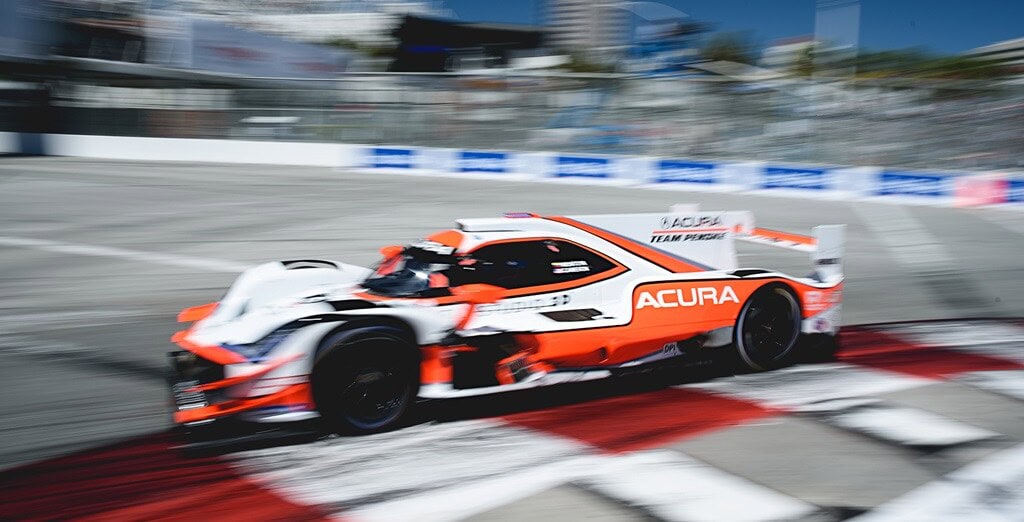
Many races last far longer than a normal sprint event. The Rolex 24 at Daytona runs for 24 hours. Sebring runs for 12. Others are shorter, but the mindset is the same. Cars have to survive traffic, weather, driver changes, tire wear, fuel strategy and pit decisions. It’s not one lap of bravery. It’s a chess match played at 180 mph.
You may also like: How IndyCar Hybrid Tech Boosts Your Next Honda Hybrid
The IMSA Classes Racing at the Same Time
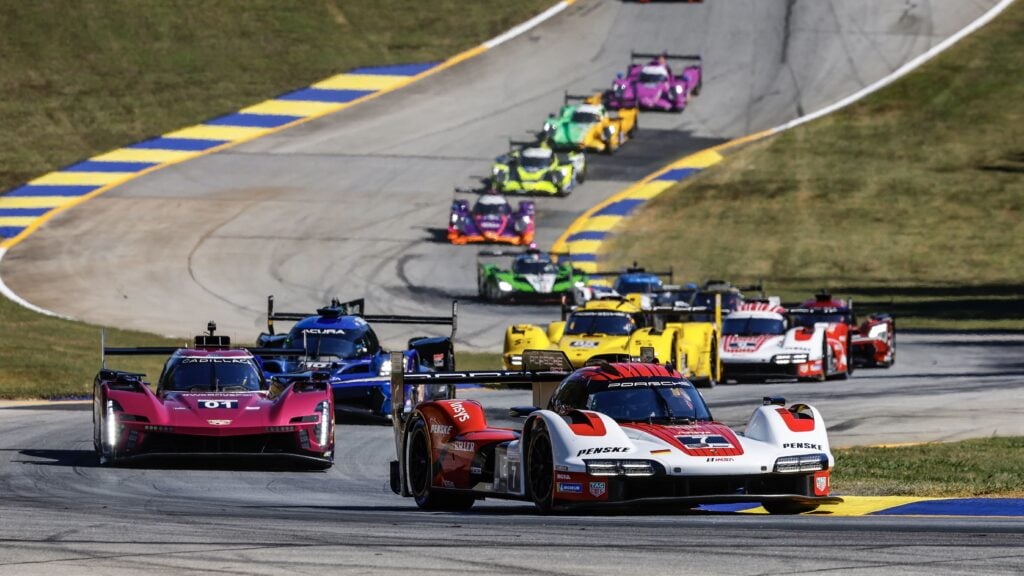
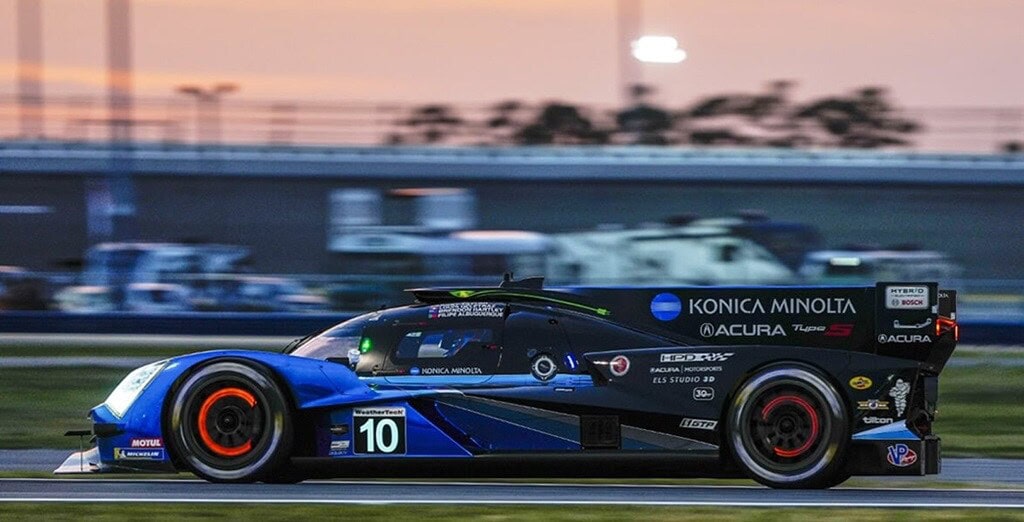
The top IMSA races currently feature four main classes: GTP, LMP2, GTD PRO and GTD. GTP is the fastest and most technologically advanced. These are prototypes, designed primarily for racing rather than adapted from road cars. Acura, BMW, Cadillac and Porsche have been major players here, and Aston Martin has joined with the Valkyrie. This is where you see extreme aerodynamics, manufacturer pride and, in many cases, hybrid technology.
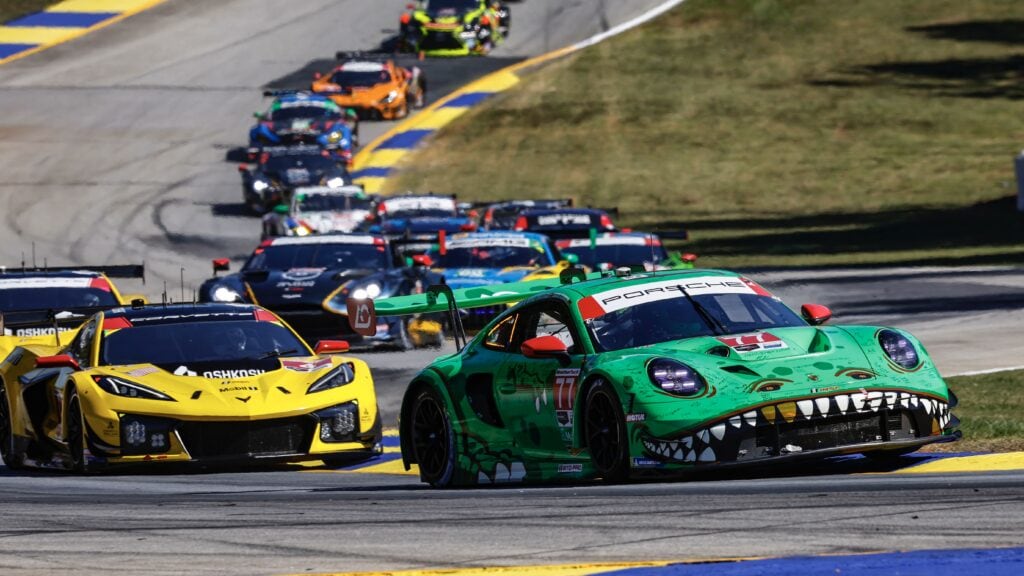
LMP2 is also a prototype class, but it’s more controlled and less manufacturer-driven. Think of it as a high-speed proving ground where driver skill, team execution and setup matter enormously.
Then come the GT cars. GTD PRO is where professional teams and factory-supported efforts battle with GT3-based cars. GTD uses similar machinery but leans into pro-am driver lineups. These are often the easiest cars for new viewers to connect with because they resemble dream garage metal, only louder and wider.
You may also like: Why Indy 500 Is Nothing Like F1, According to Takuma Sato
The Rules That Make IMSA Great to Watch
The basic rule is simple: every class has its own race inside the overall race. A GTD car doesn’t need to beat a GTP car to have a great day. It needs to beat the other GTD cars. So there may be four winners, four championship fights and several strategies happening at once.
Pit stops matter because teams refuel, change tires, fix damage and swap drivers. Yellow flags bunch the field back together. Blue flags warn slower cars that faster traffic is coming. Balance of Performance helps keep different GT cars competitive, so one brand doesn’t run away simply because its car has a natural advantage.
Once you understand that, the chaos starts to look organized. Faster cars must slice through traffic without losing time. Slower cars must hold their line while fighting their own race. One tiny mistake can cost two classes at once.
IMSA works because something is always happening. If the overall lead is stable, a GTD fight may be boiling over. If one class is under caution strategy, another is gambling on fuel. If the sun goes down at Daytona, the whole race changes character.
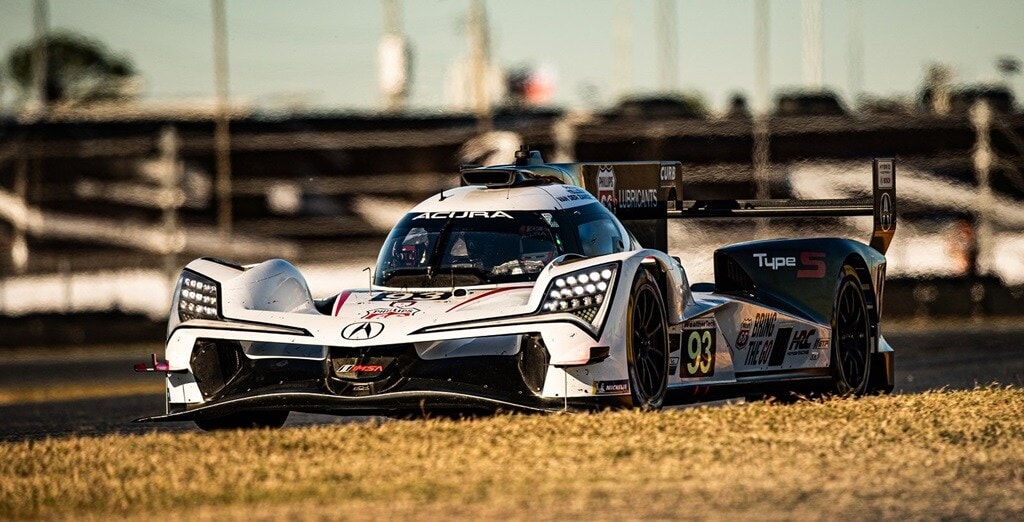
The best way to start is simple. Watch the first hour of a major race and don’t try to master everything. Follow the class colors, listen for pit strategy and pick one GT car you’d love to drive home. That’s when IMSA clicks. It isn’t confusing because too much is happening. It’s fascinating because enough is happening to reward your attention.