Mercedes VLE Reveal: What to Expect from the Luxury Electric Van

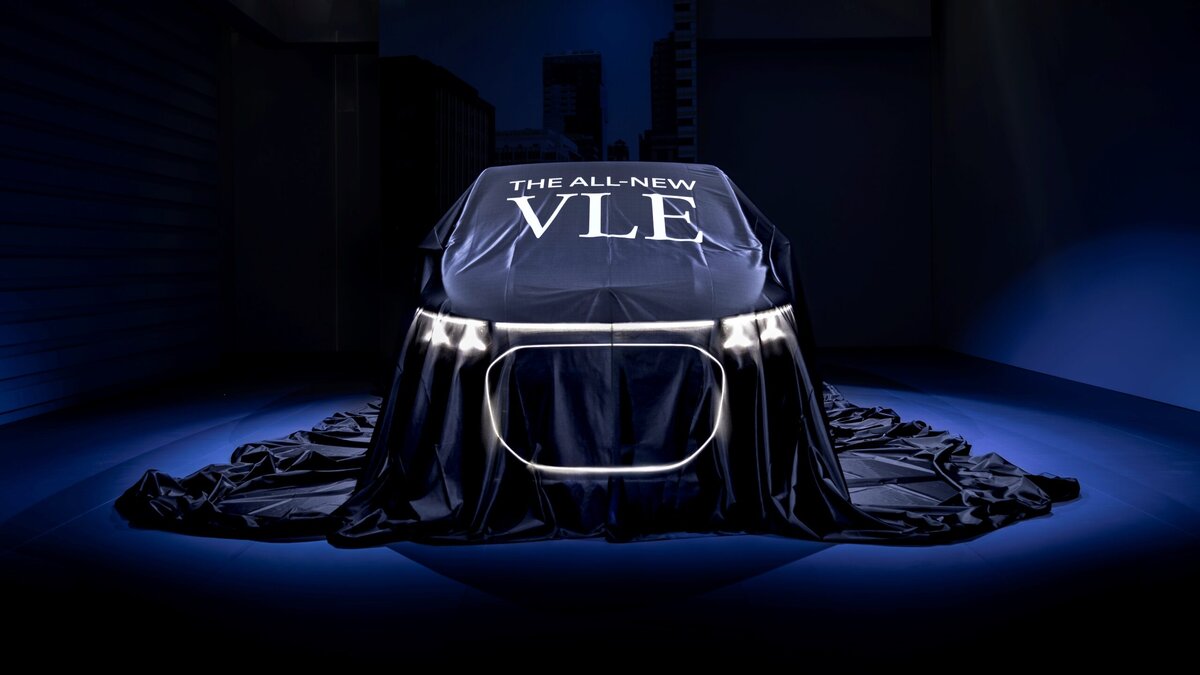
Mercedes-Benz is counting down to March 10th when the all-new electric VLE makes its world premiere in Stuttgart. This isn’t just another van update. It’s the first model on the brand’s new modular VAN.EA platform, billed as a grand limousine that blends limousine comfort with family-friendly versatility.
The VLE teasers have folks buzzing about an electric van that could seat up to eight while delivering zero-emissions driving. With the reveal just days away, expectations are high for details on range, tech, and how it fits into daily life for buyers who want luxury without fuel stops.
This timing hits right as more families and small shuttle operators look at electric options that offer real space and refinement, not just compact crossovers.
You may also enjoy this: The New S-Class Is Mercedes’ Answer to Tesla’s Hype
Why does this matter right now?
The VLE premiere lands at a moment when electric adoption in larger vehicles is picking up speed. Traditional minivans like the Chrysler Pacifica still dominate for big families, but they’re gas or hybrid, and buyers want full electric choices that don’t sacrifice comfort or room. Mercedes is stepping in with something positioned as premium, not basic utility.
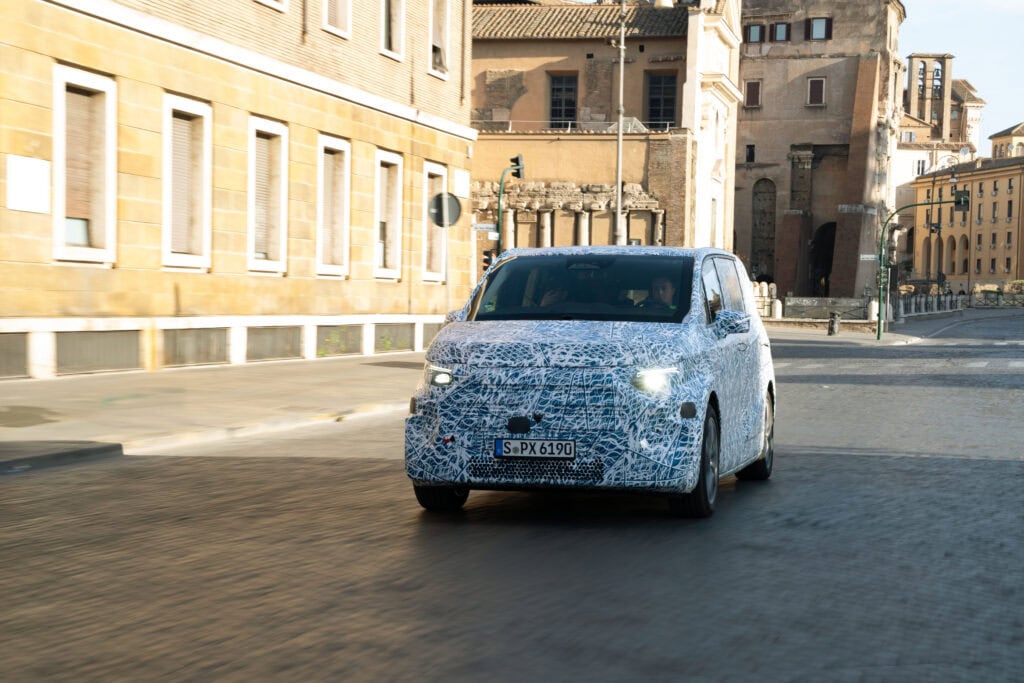
The March 10 livestream will give the first clear look at exterior styling, interior layout, and likely some specs on battery size and power. Teasers show a sleek, modern design with a big grille and starry LED patterns, hinting at the luxury angle. For anyone shopping for a spacious EV in the next year or two, this reveal could set expectations for what premium electric transportation looks like.
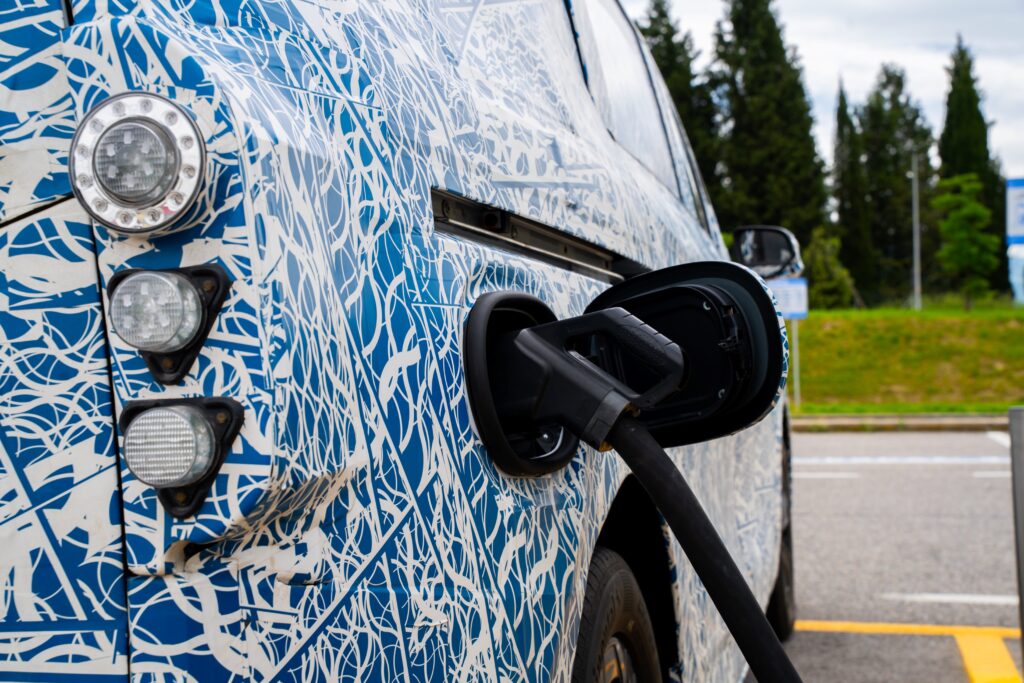
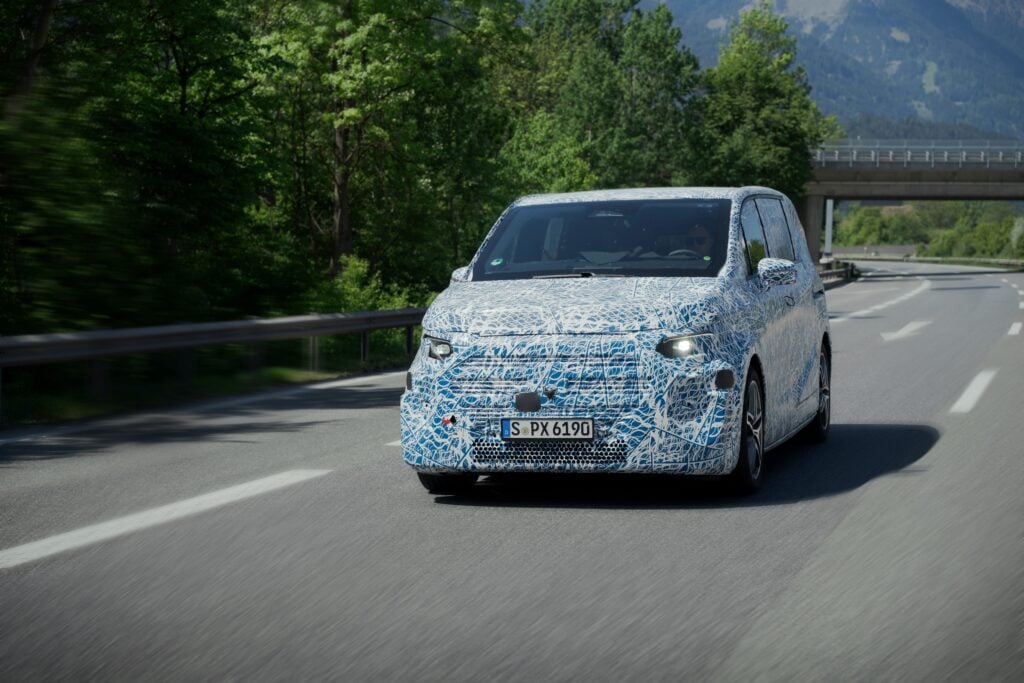
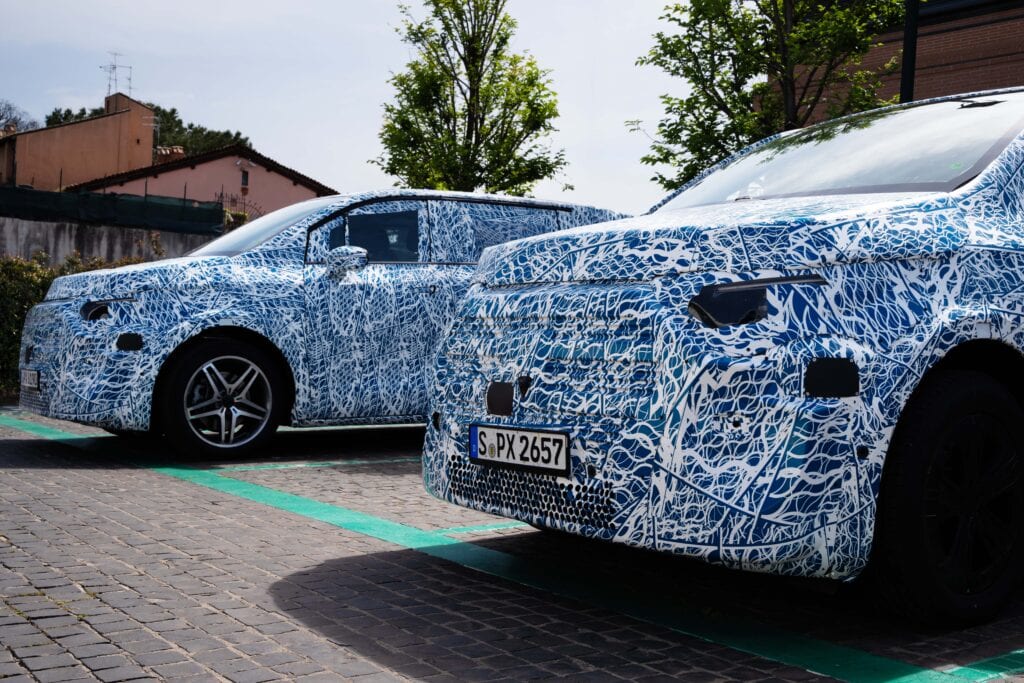
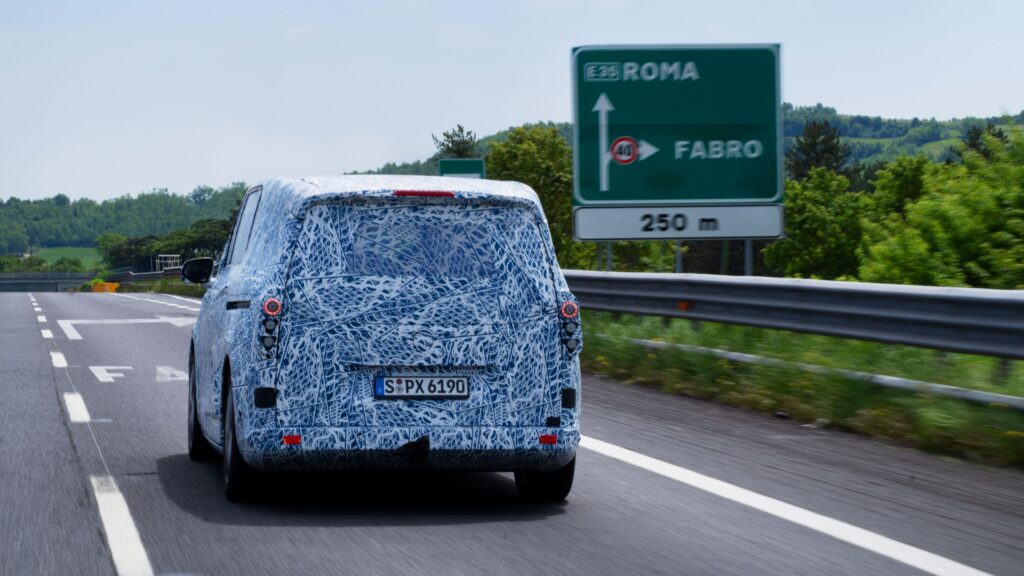
It’s also timely with rising interest in EVs for road trips and group travel. Charging infrastructure keeps improving, and a van with solid range could make long hauls feasible without constant worry. Mercedes built pre-series vehicles in Vitoria, Spain, and test drives have already happened, so we’re close to real-world insights. The brand calls it the start of a new era for their vans, and that messaging resonates when people are rethinking how they move groups around sustainably.
This matters because it bridges a gap. Many affluent families or executive transport users stick with gas for the room and refinement, but electric options are catching up fast. The VLE could sway those buyers if it delivers on promises of limousine-like ride quality in a practical package.
You may also enjoy this: Why Off-Road Trims Dominate SUVs in 2026
How does it compare to rivals or alternatives?
The VLE steps into a US market where luxury electric minivans don’t really exist yet. Buyers wanting something close turn to premium trims of the mainstream minivans already on dealer lots.
The Chrysler Pacifica Pinnacle trim leads the pack for many families. It offers leather seats, a built-in vacuum, and rear entertainment screens. Stow ‘n Go seating folds flat quickly for hauling sports gear or big loads, and the smooth ride keeps everyone comfortable on longer drives, but it’s now gas only.
The Toyota Sienna Platinum trim brings strong efficiency with its hybrid powertrain and available all-wheel drive. It includes heated and ventilated seats, a fridge in some setups, and ottomans for rear passengers to stretch out. That makes family road trips less tiring, with solid space in all three rows.
The Kia Carnival SX Prestige trim stands out with its modern styling, massaging seats in higher packs, premium leather, and dual sunroofs. It feels upscale while staying practical for car seats and weekend luggage, and the quiet cabin helps on highway miles.
For a full-electric choice today, the Volkswagen ID. Buzz is the only electric minivan sold here. It delivers retro looks, up to seven seats, and sliding doors, but it’s smaller and more playful than luxurious.
Large three-row SUVs like the Cadillac Escalade or Lincoln Navigator often compete in the same space for buyers seeking luxury and room. They provide plush interiors and commanding presence, though they lack the easy sliding-door access of minivans.
In Europe, direct rivals include the Citroën e-Spacetourer or Vauxhall Vivaro Life Electric, but those stay more basic and shorter-ranged. The VLE aims higher, combining real refinement with practical hauling in a package that’s still rare stateside.
You may also enjoy this: Why The Mercedes-Benz S-Class Still Matters
Who is this for and who should skip it?
The VLE suits buyers who need serious space but refuse to give up luxury. Affluent families with multiple kids or grandparents often in tow will appreciate the eight-seat potential, sliding doors for easy entry, and a cabin designed for comfort on long drives.
Small business owners running premium airport shuttles or executive transport could find it ideal too. The grand limousine tag suggests high-end materials, quiet electric operation, and advanced tech like large screens or ambient lighting that make passengers feel pampered.
On the flip side, skip the VLE if you need something smaller or cheaper. Solo commuters or couples without kids won’t use the space and might prefer a sedan or crossover EV with better efficiency. Budget-conscious buyers should look elsewhere, as this will likely start well above $80,000 based on current pricing trends.
If off-road capability matters or you tow frequently, stick with trucks or SUVs. The VLE is built for paved roads and passenger comfort, not trails. And if you’re not ready for electric ownership and are worried about charging at home or range anxiety on rural routes, this likely isn’t for you.
You may also enjoy this: Honda Passport and Acura Integra Type S Head to Japan from US
What is the long-term significance?
The VLE represents Mercedes pushing electric further into segments that once relied on combustion engines for size and comfort. By basing it on the scalable VAN.EA platform, they’re setting up for more models, including potentially the even more upscale VLS aimed at Maybach-level buyers.
Long term, it signals that large, premium vans can go electric without losing appeal. As battery tech improves and costs drop, ranges will stretch further, making these vans practical for daily errands, vacations, or business use. Families who once defaulted to big gas SUVs might shift if the VLE proves quiet, smooth, and convenient.
It also influences broader trends. Other makers watch Mercedes closely. If the VLE succeeds, expect more luxury electric vans. For buyers, it means better choices in sustainable transport that don’t feel like compromises.
Ultimately, it’s about choice. Mercedes is betting that enough people want refined, spacious electric driving to make this a cornerstone of their van future. If the March 10th reveal delivers, it could reshape how we think about moving people in style.
You may also enjoy this: How Toyota Builds The Perfect Car For Real Life